Are Hoop Butterfly Earrings Worth It? A Value Guide
Discover if hoop butterfly earrings are worth your money. We break down material grades, pricing tiers, gauge sizes, and cost-per-wear for smart buyers.

The True Cost of Whimsy: Decoding the Market
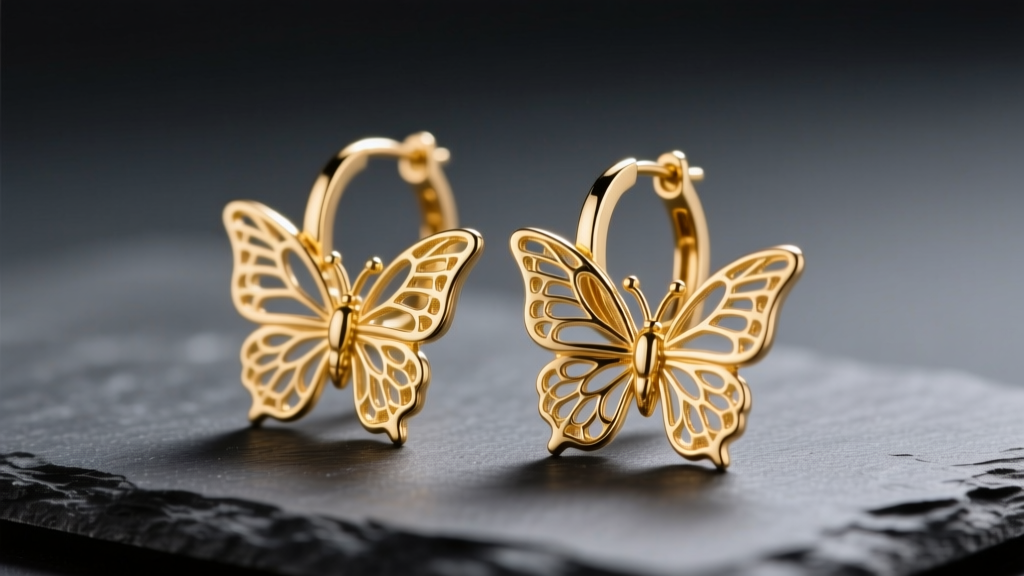
The intersection of classic silhouettes and playful motifs has made hoop butterfly earrings a dominant trend heading into 2026. However, the market is heavily saturated, with prices ranging from $12 at fast-fashion retailers to over $300 at luxury boutiques. For the budget-conscious consumer, this massive price disparity raises a critical question: are you paying for lasting quality, or merely a recognizable shape? Assessing the true value of these earrings requires looking past the aesthetic appeal and examining the metallurgy, hardware integrity, and long-term wearability. In this comprehensive value assessment, we break down exactly what you are paying for across different price tiers, helping you make an informed investment that won't tarnish in your jewelry box after a single season.
Material Breakdown: What You Are Actually Paying For
The base metal and plating thickness dictate the lifespan, hypoallergenic properties, and ultimate value of your jewelry. According to the Federal Trade Commission's Jewelry Guides, specific thresholds must be met for jewelry to be legally marketed as 'vermeil' or 'gold filled,' yet many budget brands exploit consumer ignorance regarding these terms.
The Fast Fashion Tier ($12 - $25)
At this price point, hoop butterfly earrings are typically cast from brass or zinc alloys and subjected to 'flash plating.' Flash plating involves an electrochemical bath that deposits a microscopic layer of gold—often less than 0.05 microns thick. While they look brilliant on day one, the friction from daily wear, combined with exposure to skincare products and natural skin oils, will strip this plating within one to three months. Once the brass is exposed, it rapidly oxidizes, turning your earlobes green and causing contact dermatitis for those with nickel sensitivities. From a value perspective, this tier is a disposable expense, not an investment.
The Demi-Fine Tier ($45 - $85)
This is the sweet spot for budget-conscious buyers seeking genuine value. High-quality demi-fine pieces utilize a 925 sterling silver base, which is inherently hypoallergenic and structurally sound. The gold coating should be classified as 'vermeil,' meaning it is at least 2.5 microns thick. This thickness provides a durable barrier that can withstand daily wear for one to three years before requiring professional re-plating. When shopping in this tier, always verify the micron thickness; many brands sell 'gold-plated silver' that falls short of the legal vermeil standard, offering only 0.5 to 1.0 microns of gold.
The Fine Jewelry Tier ($150 - $350+)
Solid 14k or 18k gold hoop butterfly earrings represent a generational investment. As noted by the Gemological Institute of America (GIA), 14k gold (58.5% pure gold) offers the ideal balance of rich color and structural durability, making it perfect for the thin wires required for hoop earrings. At this tier, you are paying for the intrinsic melt value of the gold, the precision of the casting, and the longevity of the piece. These earrings will never tarnish, can be worn in the shower or ocean, and can be passed down as heirlooms.
| Tier | Base Metal | Plating Thickness | Price Range | Expected Lifespan |
|---|---|---|---|---|
| Fast Fashion | Brass / Zinc | < 0.05 microns | $12 - $25 | 1 - 3 Months |
| Demi-Fine | 925 Sterling Silver | 2.5+ microns (Vermeil) | $45 - $85 | 1 - 3 Years |
| Fine Jewelry | Solid 14k / 18k Gold | N/A (Solid) | $150 - $350+ | Lifetime / Heirloom |
Gauge Sizes and Hardware: The Hidden Value Indicators
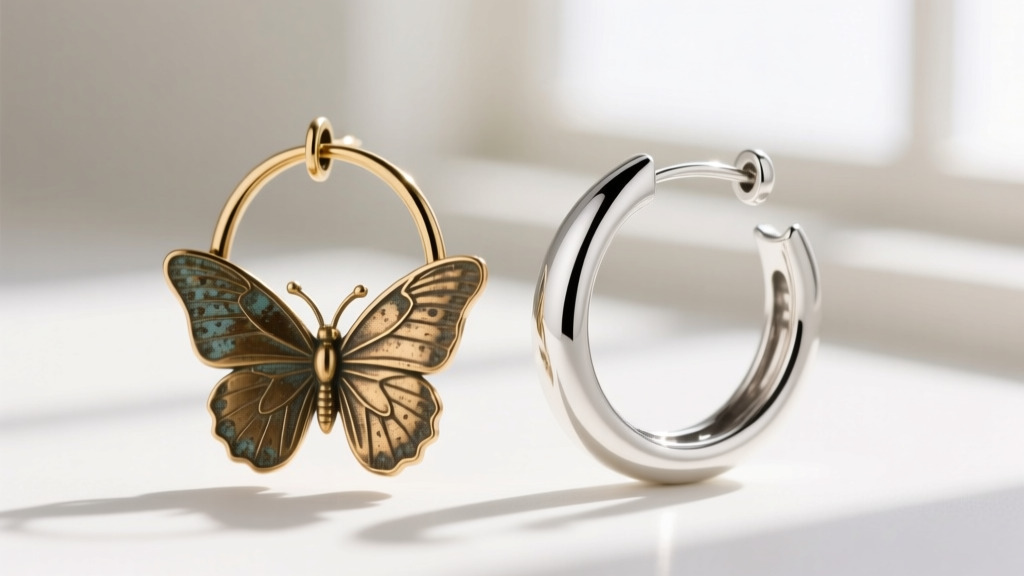
A common oversight when evaluating the budget and value of hoop earrings is ignoring the wire gauge and the clasp mechanism. The butterfly charm adds localized weight to the hoop, which can cause structural failure if the wire is too thin.
Standard lobe piercings are typically done at 20-gauge (0.81mm) or 18-gauge (1.02mm). Many budget manufacturers use 22-gauge or 20-gauge wire to save on precious metal costs. However, a heavy cast-metal butterfly charm on a 20-gauge wire will cause the hoop to warp, bend, and eventually snap at the hinge. For optimal structural integrity, look for 18-gauge (1.02mm) wire, especially if the butterfly motif is three-dimensional or features inset gemstones.
Furthermore, examine the clasp. Cheap hoops use 'continuous' wire that relies on tension to stay closed, which frequently leads to lost earrings. High-value hoops utilize a hinged 'clicker' mechanism with a secure post-and-groove lock. The satisfying 'click' indicates precision machining, a hallmark of quality manufacturing that justifies a higher price tag.
Cost-Per-Wear Analysis: Are They a Smart Investment?
To truly assess budget and value, jewelry experts rely on the Cost-Per-Wear (CPW) formula: Total Cost ÷ Number of Wears = CPW.
Consider a $15 pair of flash-plated brass hoop butterfly earrings. If the plating rubs off after 10 wears, your CPW is $1.50. Now, consider a $65 pair of 925 sterling silver vermeil hoops. If you wear them twice a week for two years (roughly 200 wears), your CPW drops to just $0.32 per wear. The vermeil pair is objectively the superior financial decision, despite the higher upfront cost. Fine jewelry buyers who invest $200 in solid 14k gold and wear them daily for five years achieve a CPW of mere pennies, while retaining the scrap gold value if they ever choose to sell.
'When buying whimsical motifs like butterflies, consumers often prioritize the design over the metallurgy. But a beautiful design cast in cheap brass will always become an expensive mistake once the oxidation sets in. Always prioritize the base metal first, and the motif second.' — Senior Bench Jeweler, 2026 Industry Report.
Red Flags to Avoid When Shopping on a Budget
When hunting for deals on hoop butterfly earrings, be highly skeptical of the following marketing traps that destroy the value proposition:
- 'Tibetan Silver' or 'Tibetan Brass': These are not genuine silver alloys. They are typically pot metals that often contain dangerous levels of lead and nickel. They will tarnish black within weeks and pose severe allergy risks.
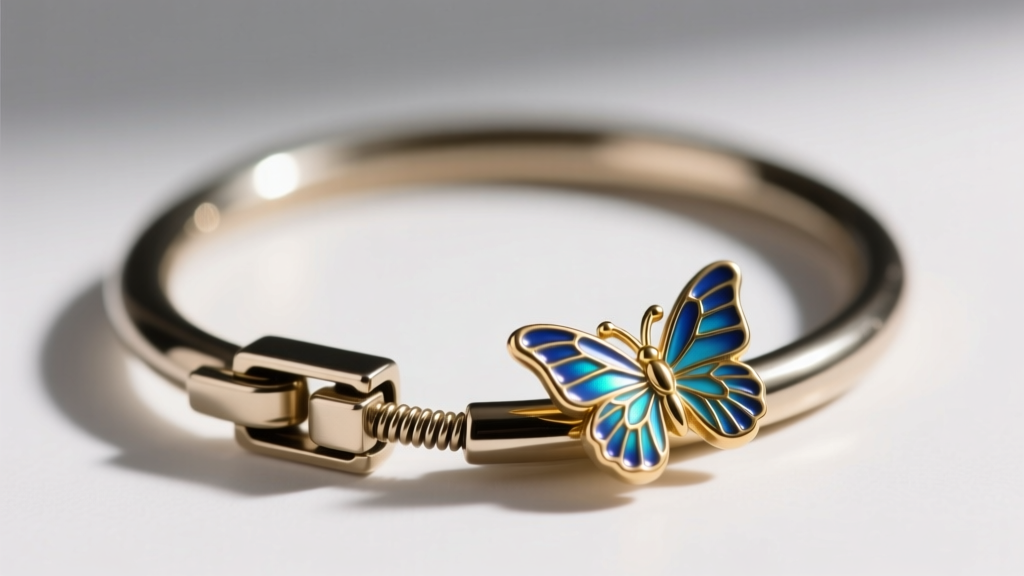
- Glued-In Gemstones: If the butterfly's wings feature cubic zirconia or enamel, inspect the setting. Budget brands use industrial adhesives that dissolve when exposed to lotions or humidity. Value-driven brands use prong-set or bezel-set stones, and kiln-fired vitreous enamel rather than cheap resin paint.
- The 'Gold-Filled' Casting Myth: Gold-filled wire exists, but it cannot be used for complex, three-dimensional cast shapes like detailed butterfly bodies. If a brand claims a cast butterfly charm is 'gold-filled,' they are likely misusing the term to describe heavy gold plating over brass.
Final Verdict: Where to Spend and Where to Save
Hoop butterfly earrings are absolutely worth the investment, provided you target the correct tier for your lifestyle. If you view jewelry as a fleeting, seasonal accessory meant to match a specific 2026 spring wardrobe, the fast-fashion tier serves its temporary purpose—just be prepared to discard them when the plating fails. However, for buyers seeking genuine value, the demi-fine tier (925 sterling silver base with 2.5-micron vermeil plating) offers the ultimate sweet spot. By spending $50 to $80 on an 18-gauge, hinged-clicker pair, you secure a hypoallergenic, structurally sound, and beautifully crafted piece that will deliver a phenomenal cost-per-wear ratio for years to come.


