Hoop Earrings 25mm: Material Comparison & Properties Guide
Discover the best metals for 25mm hoop earrings. Compare titanium, gold, and steel properties, gauge sizes, and hypoallergenic ratings.

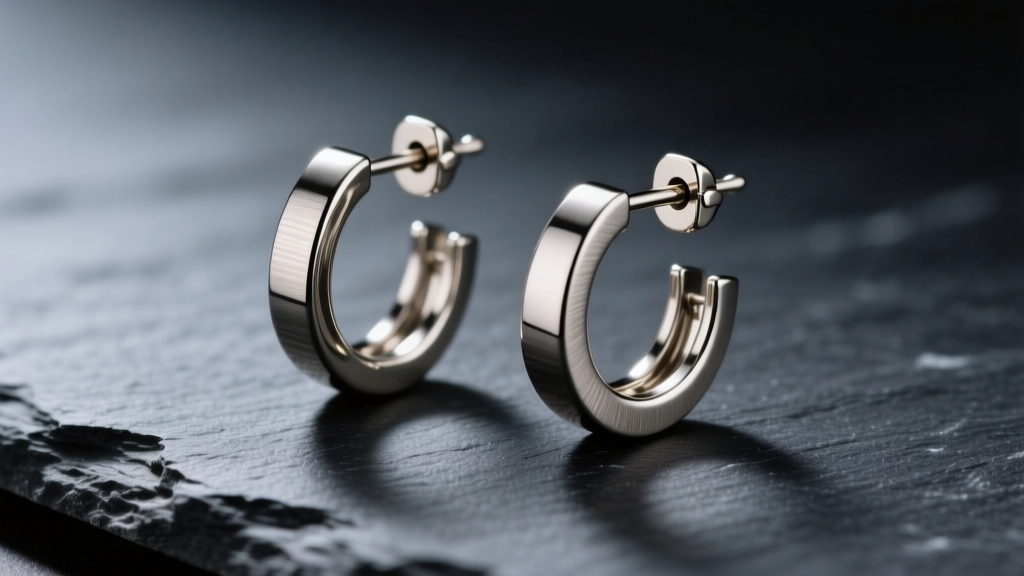
When it comes to everyday jewelry, the 25mm hoop earring (approximately one inch in diameter) is the undisputed goldilocks size. It is large enough to make a definitive style statement, yet compact enough to sleep in, work out, and wear to the office without catching on clothing. However, as of 2026, consumers are increasingly aware that the diameter of a hoop is only half the equation. The metallurgical properties of the wire dictate not only the earring's longevity and structural integrity but also your skin's biological response to it.
In this comprehensive material comparison guide, we dissect the exact alloys, gauge requirements, and mechanical failure points of 25mm hoop earrings. Whether you are navigating severe contact dermatitis or simply want a pair of hoops that will not warp after a month of daily wear, understanding the science of your jewelry is essential.
The Anatomy of a Perfect 25mm Hoop
A 25mm hoop sits right at the intersection of a huggie and a standard medium hoop. Because of this specific circumference, the metal is subjected to unique torsional stresses. Every time you pull a sweater over your head or toss and turn on a cotton pillowcase, the 25mm circle experiences micro-bending forces. If the metal's yield strength is too low, the hoop will permanently deform, turning from a perfect circle into an oval. Therefore, the choice of material and wire thickness (gauge) must be carefully matched to the 25mm diameter to ensure shape retention.
Metallurgical Breakdown: Which Metal Wins?
Not all metals are created equal. The jewelry industry uses a wide array of alloys, and marketing terms like 'surgical steel' or 'hypoallergenic' often mask problematic elemental compositions. Let us examine the top four materials used for 25mm hoops.
Implant-Grade Titanium (ASTM F136)
Titanium is the undisputed champion for sensitive ears and fresh piercings. However, you must look for ASTM F136 certification, which designates Extra Low Interstitial (ELI) Grade 23 titanium. This is the exact same alloy used in aerospace and medical implants. Unlike commercial pure titanium, F136 contains zero nickel and boasts a highly passive oxide layer that prevents corrosion from skin acidity. For 25mm hoops, titanium offers an exceptional strength-to-weight ratio, meaning the earrings will not weigh down your lobes or cause stretching over time.
14k and 18k Solid Gold
Gold is a classic choice, but pure 24k gold is far too soft for a 25mm hoop; it would bend under its own weight. Therefore, it is alloyed. 14k gold (58.5% pure gold) is highly durable and resists warping, making it excellent for everyday 25mm hoops. 18k gold (75% pure gold) offers a richer color but is slightly softer. A critical warning regarding gold: avoid white gold if you have metal sensitivities. White gold is frequently alloyed with nickel to achieve its silver color, and even rhodium plating will eventually wear off, exposing the nickel to your skin. Stick to yellow or rose gold, which are typically alloyed with copper, silver, and zinc.
Niobium: The Hypoallergenic Underdog
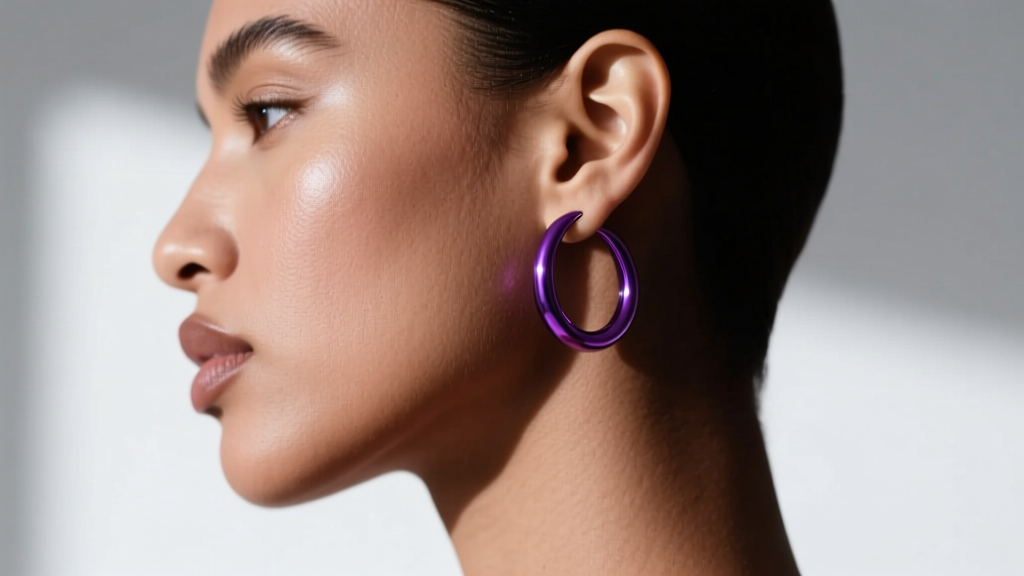
Niobium is an elemental metal, not an alloy, meaning it contains absolutely no nickel or lead. It is highly malleable, which makes it a favorite for 'seamless' or continuous hoop designs where the wire needs to be bent open and closed by hand. While slightly heavier than titanium, niobium can be anodized using electrical currents to produce vibrant, permanent colors like deep purples, blues, and golds without using toxic dyes or plating.
Surgical Steel (316L) vs. Titanium
316L Surgical Steel is the most common and affordable metal on the market. However, it contains roughly 8-10% nickel. While the nickel is generally bound tightly within the steel matrix, the friction of a 25mm hoop moving through the piercing fistula can cause microscopic metal ions to leach, triggering contact dermatitis in sensitive individuals. According to the Mayo Clinic, nickel allergy is one of the most common causes of allergic contact dermatitis. If your ears itch after wearing steel hoops, the metal is the culprit, not an infection.
Gauge Thickness and Structural Integrity at 25mm
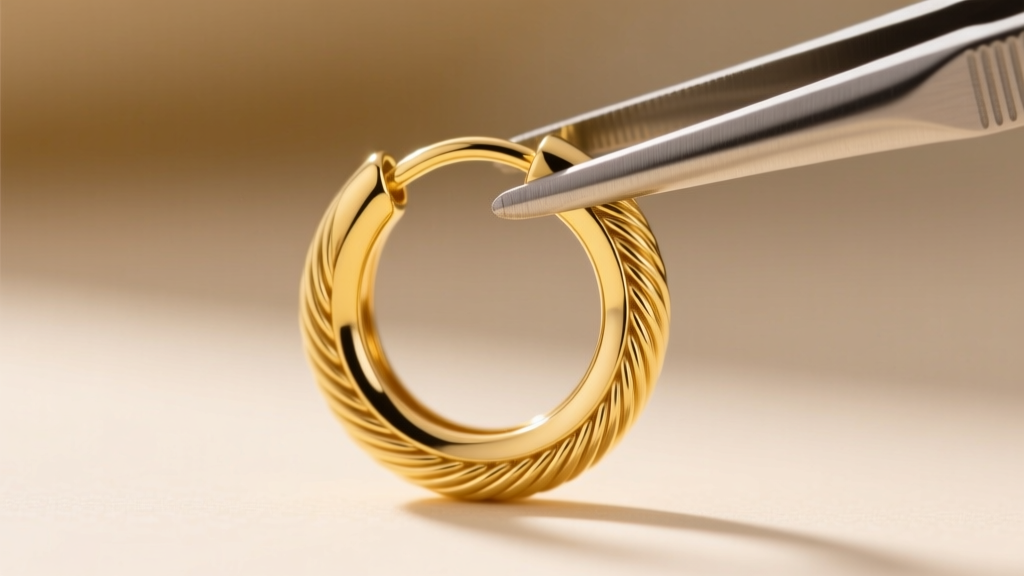
The diameter of your hoop dictates the minimum gauge (thickness) required to prevent bending. The Association of Professional Piercers (APP) provides strict guidelines on jewelry sizing, and the physics of a 25mm circle requires specific considerations.
- 20 Gauge (0.81mm): Too thin for a 25mm diameter. A 20G hoop of this size will warp easily and can act like a 'cheese wire,' slowly migrating through the piercing hole if snagged.
- 18 Gauge (1.0mm): The industry standard for 25mm lobe hoops. It provides a delicate, elegant aesthetic while maintaining enough structural integrity for daily wear.
- 16 Gauge (1.2mm): The ideal choice for cartilage piercings (like the helix or tragus) or for individuals who are highly active. The thicker wire resists torsional stress and provides a bold, modern look.
- 14 Gauge (1.6mm): Generally reserved for heavy, statement 25mm hoops or specific tribal/cultural jewelry styles. Requires a well-established, fully healed piercing.
Comprehensive Material Comparison Chart
Use the table below to evaluate the best material for your specific lifestyle, budget, and biological needs.
| Metal | Standard/Grade | Nickel Content | Avg. Price (25mm Pair) | Best Use Case |
|---|---|---|---|---|
| Titanium | ASTM F136 (ELI) | 0% | $45 - $120 | Sensitive lobes, fresh piercings, active lifestyles |
| 14k Yellow Gold | 58.5% Au Alloy | Typically 0% | $180 - $350 | Heirloom quality, everyday luxury, corporate wear |
| 18k Yellow Gold | 75% Au Alloy | Typically 0% | $250 - $500+ | Special occasions, high-end gifting |
| Niobium | Elemental Pure | 0% | $30 - $80 | Seamless hoops, colorful anodized jewelry |
| Surgical Steel | 316L | 8% - 10% | $15 - $40 | Budget-friendly, non-sensitive ears only |
Clasp Mechanisms and Metal Fatigue
The weakest point of any 25mm hoop is the clasp. The mechanism you choose heavily influences the lifespan of the earring.
Hinged Clickers
The hinged clicker features a micro-machined hinge on one side and a snap-lock closure on the other. For 25mm hoops, this is the superior choice. The continuous wire thickness is maintained, and the 'click' provides audible confirmation that the earring is secure. High-quality titanium clickers will easily last a decade without the hinge pin failing.
Seamless / Continuous Hoops
These hoops feature a straight pin that slides into a hollow tube. They are notoriously difficult to open and close without warping the 25mm circle. If you choose seamless hoops, opt for 18k gold or niobium, as their slight malleability allows for gentle bending without snapping the metal due to fatigue.
Latch-Back Closures
Common in cheap fashion jewelry, the latch-back uses a thin, stamped piece of metal that hooks over a wire. At the 25mm size, latch-backs are prone to catching on hair and pulling open, leading to lost earrings. Avoid this mechanism for fine jewelry.
Care, Tarnish, and Longevity
Maintaining the structural and visual integrity of your 25mm hoops requires an understanding of metal oxidation. Titanium and niobium are completely inert; they will never tarnish, rust, or change color, even if worn in the shower or ocean. Solid gold is similarly resistant to tarnish, though it can accumulate a film of soap and skin oils, requiring occasional cleaning with a mild dish soap and a soft toothbrush.
Surgical steel and silver-plated alternatives, however, will oxidize over time. The sulfur in the air and the natural oils in your skin will cause silver-based alloys to develop a black patina. While this can be polished away, the micro-abrasions from polishing will eventually wear down the wire, altering the precise 25mm geometry.
Final Verdict: Choosing Your 25mm Hoop
Selecting the perfect pair of 25mm hoop earrings is an exercise in applied materials science. If your priority is absolute biocompatibility, lightweight comfort, and modern durability, ASTM F136 Titanium in an 18-gauge thickness is the undisputed winner. For those seeking a traditional, luxurious aesthetic that can be passed down through generations, 14k solid yellow gold offers the perfect balance of rich color and structural rigidity. Avoid surgical steel if you have any history of dermatitis, and always prioritize hinged clicker mechanisms for secure, worry-free daily wear. By aligning your material choice with the physical demands of the 25mm diameter, you ensure your jewelry remains as flawless as the day you bought it.


