Horseshoe Earrings Men: A Beginner's Sizing & Fit Guide
Discover everything about horseshoe earrings men need to know. Learn gauge sizes, inner diameters, safe metals, and threading for a perfect, pain-free fit.

The Anatomy of a Circular Barbell
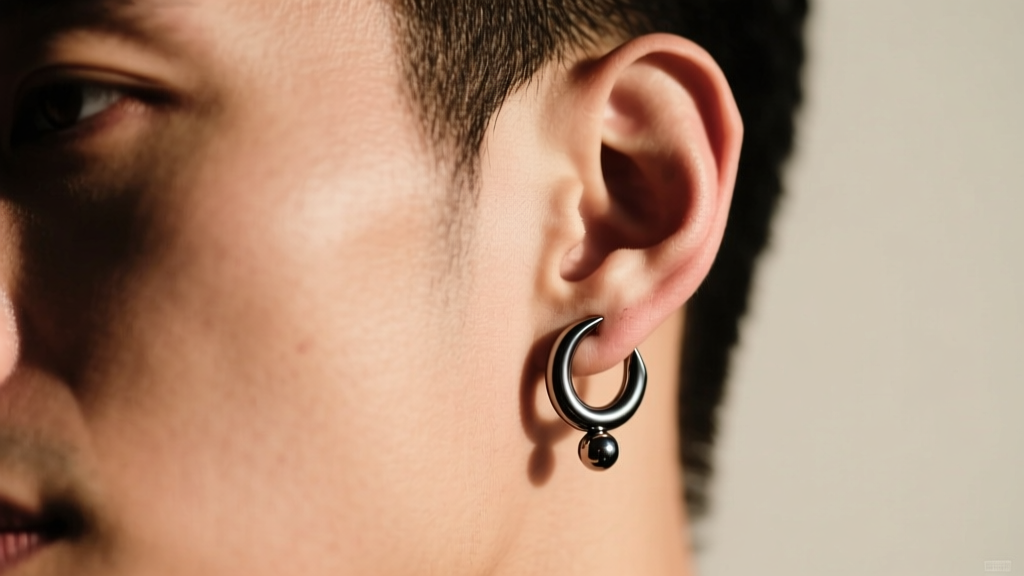
When beginners search for horseshoe earrings men often encounter a barrage of conflicting advice regarding sizing, materials, and placement. Technically known in the professional piercing community as a circular barbell, the horseshoe earring is a staple in men's body modification due to its versatility, rugged aesthetic, and comfort. Unlike captive bead rings (CBRs) that require specialized pliers to open and close, horseshoe earrings feature a semi-circular bar with two removable ends—typically balls, spikes, or flat discs. This simple screw-together or push-in mechanism makes them incredibly user-friendly for daily wear and maintenance.
However, the simplicity of the design masks a complex underlying geometry. Choosing the wrong dimensions or materials can lead to tissue tearing, migration, or chronic irritation. To navigate the market confidently, you must understand the three critical pillars of body jewelry: gauge thickness, inner diameter, and material grade. This guide will break down the exact specifications you need to achieve a flawless, masculine fit whether you are adorning a standard lobe piercing or a complex cartilage project.
Decoding the Numbers: Gauge and Inner Diameter
The most common mistake men make when buying their first circular barbell is guessing their size based on visual estimation. Body jewelry is measured in two distinct metrics: the thickness of the metal (gauge) and the width of the curve (inner diameter).
Standard Gauge Thicknesses for Men
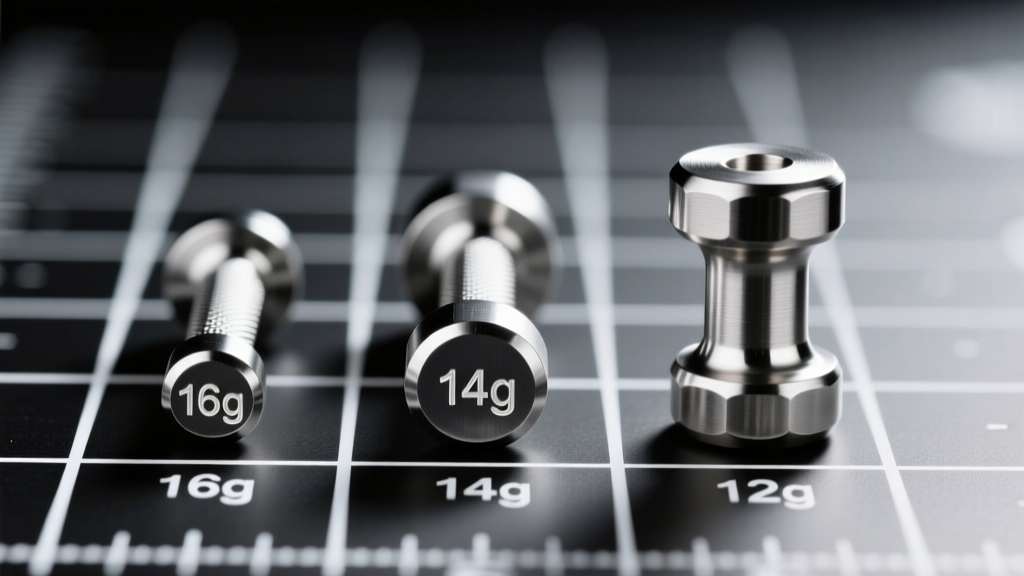
Gauge sizes operate on an inverse scale, meaning the higher the number, the thinner the metal. For men's horseshoe earrings, you will primarily encounter three sizes:
- 18 Gauge (1.0mm): Generally avoided for men's ear piercings. It is exceptionally thin and poses a high risk of the "cheese-cutter effect," where the thin wire slowly slices through the tissue under the weight of the jewelry or during accidental snags.
- 16 Gauge (1.2mm): The universal standard for most helix, forward helix, and standard lobe piercings. It provides a masculine, substantial look without being overly heavy.
- 14 Gauge (1.6mm): The preferred thickness for men's lobes, daith, and rook piercings. It offers maximum stability, minimizes migration risk, and provides a bold, heavy-duty aesthetic that aligns well with men's streetwear and alternative fashion.
- 12 Gauge (2.0mm) and above: Reserved for stretched earlobes or specific high-impact cartilage placements.
Finding Your Inner Diameter (ID)
The Inner Diameter (ID) measures the empty space inside the curve of the horseshoe, not the total width of the jewelry including the beads. Selecting the correct ID is crucial for comfort and healing.
If the ID is too small, the beads will press tightly against the skin, trapping moisture, bacteria, and dead skin cells, which inevitably leads to irritation bumps and localized infections. Conversely, if the ID is too large, the jewelry will protrude awkwardly, increasing the likelihood of snagging on clothing, headphones, or towels. For a standard men's earlobe, an ID between 10mm and 12mm usually provides the perfect "hang" that allows the beads to rest just below the piercing hole. For a helix or daith piercing, a tighter 8mm ID is typically required to hug the cartilage contour properly.
Material Grades: Avoiding the 'Green Ear' and Rejection
The metal touching the inside of your fistula (the piercing channel) dictates how your body reacts to the jewelry. Many commercial mall kiosks and fast-fashion brands sell "surgical steel" or "stainless steel" horseshoe earrings. While 316L surgical steel is perfectly fine for fully healed, decades-old piercings, it contains up to 10% nickel. For fresh piercings or sensitive skin, nickel exposure causes contact dermatitis, resulting in weeping, swelling, and the dreaded green discoloration of the skin.
According to the Association of Professional Piercers (APP), only a select few materials are approved for long-term wear and initial healing:
- Implant-Grade Titanium (ASTM F-136): The absolute gold standard for body jewelry. It is completely nickel-free, highly polished, lightweight, and biocompatible. If you are buying your first horseshoe earring, make it titanium.
- Niobium: Another highly reactive, nickel-free metal that can be anodized to create vibrant colors without using toxic paints or platings.
- Solid 14k or 18k Gold: Must be nickel-free and alloyed for biocompatibility. Avoid gold-plated or gold-filled jewelry, as the thin layer of gold will eventually wear off, exposing the reactive base metal underneath to your piercing.
The Threading Debate: Why Internal and Threadless Win
How the bead attaches to the bar is just as important as the metal itself. The threading type determines how easily the jewelry inserts and how securely it stays in place.
| Threading Type | Mechanism | Pros & Cons |
|---|---|---|
| External | Screw threads are cut into the ends of the metal bar. | Cons: The sharp threads scrape and micro-tear the delicate fistula tissue during insertion. Avoid at all costs. |
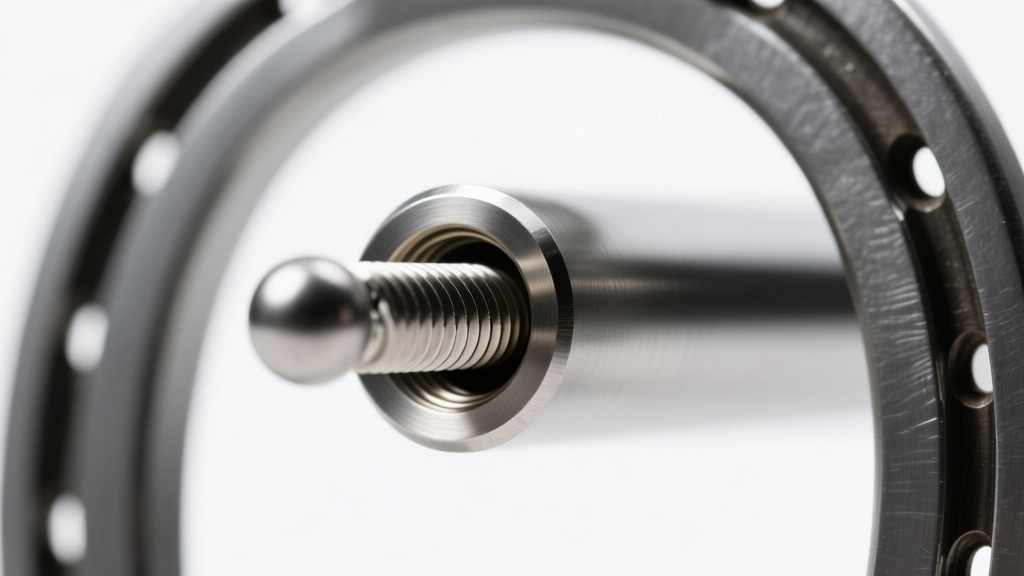
| Internal | Screw threads are cut inside the bead; the bar is completely smooth. | Pros: Glides through the piercing without tissue damage. Industry standard for high-end brands like BVLA and Anatometal. |
| Threadless (Push-Pin) | A slightly bent pin on the end wedges into the hollow bar via tension. | Pros: Extremely secure, no cross-threading, easiest to insert and remove. Highly recommended for active men. |
Placement Dynamics: Lobe vs. Cartilage
The anatomy of your ear dictates how a horseshoe earring will behave. In the earlobe, the tissue is soft and pliable, allowing the circular barbell to rotate freely. This rotation is generally harmless in a healed lobe, but you must ensure the beads are tightened securely so they do not unscrew and fall out while you sleep.
In cartilage placements like the helix, rook, or daith, the tissue is rigid. A horseshoe earring in a daith piercing, for example, must be perfectly sized to follow the natural fold of the inner ear. If the curve of the barbell fights against the angle of the piercing channel, it will create constant pressure on the fistula, leading to hypertrophic scarring (irritation bumps). For complex cartilage projects, always consult a professional piercer who can use a digital caliper to measure your exact anatomy before ordering custom-sized jewelry.
Aftercare and Maintenance Routine
Whether you are stretching a lobe or healing a fresh helix, maintaining your horseshoe earrings requires a disciplined, minimalist approach. The American Academy of Dermatology and professional piercers universally recommend against using harsh chemicals like rubbing alcohol, hydrogen peroxide, or tea tree oil, which destroy the delicate new cells forming inside the piercing channel.
Instead, use a sterile saline wound wash containing exactly 0.9% sodium chloride and purified water, with zero additives or preservatives. Spray the solution directly onto the entry and exit points twice daily, and gently pat dry with a non-woven gauze. Avoid cotton swabs, as they can leave microscopic fibers tangled in the threading of your horseshoe ends. Once a week, remove the jewelry (if fully healed) and scrub the bar and beads with a soft-bristled toothbrush and mild, fragrance-free liquid soap to remove sebum and dead skin buildup.
Final Thoughts on Sourcing Quality Jewelry
Investing in high-quality horseshoe earrings is an investment in your body's health and your personal style. By prioritizing ASTM F-136 implant-grade titanium, selecting the correct 14g or 16g thickness, and opting for internally threaded or threadless mechanisms, you eliminate the vast majority of issues men face with body jewelry. Skip the bargain bins and unverified online marketplaces; source your circular barbells from reputable, APP-affiliated studios or direct from established manufacturers to ensure the metal finishing and threading tolerances meet professional medical standards.


