How to Choose 1/10 Carat Diamond Earrings: A Step-by-Step Guide
Learn how to select, grade, and style 1/10 carat diamond earrings. Our step-by-step guide covers cut, clarity, pricing, and the best settings.

Introduction: The Appeal of Fractional Carat Studs
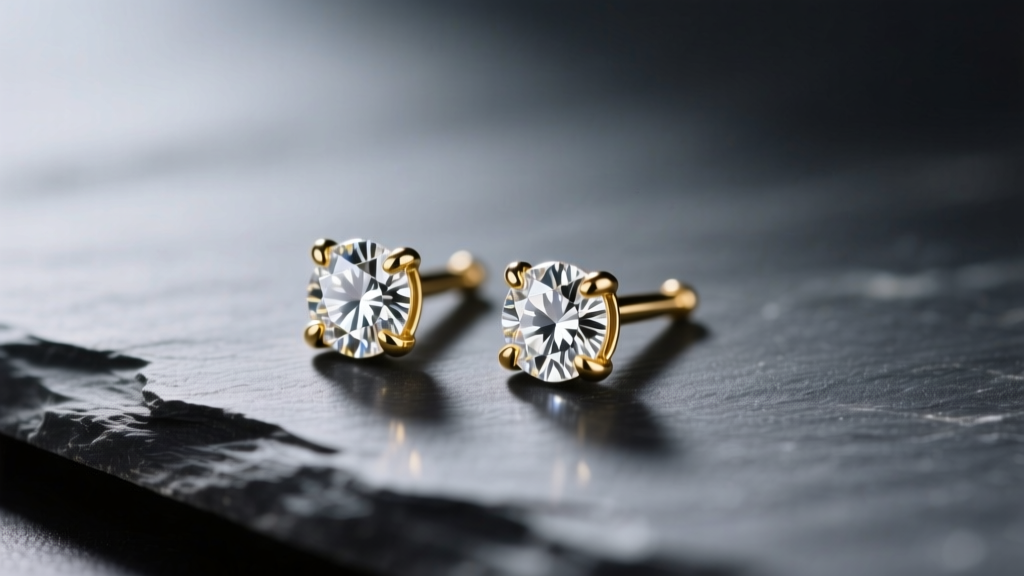
When building a versatile, everyday jewelry wardrobe, few pieces are as essential as the classic diamond stud. Many buyers begin their journey by searching for '1 10 carat diamond earrings,' which is a common typographical variation for 1/10 carat (or 0.10 CTW) studs. This specific weight category—yielding two 0.05-carat diamonds, each measuring approximately 2.5 millimeters in diameter—offers a delicate, understated sparkle that is perfect for second piercings, active lifestyles, and minimalist stacking.
However, buying fractional carat diamonds requires a different strategy than purchasing a one-carat solitaire. The gemological rules shift when diamonds enter the 'melee' size category. In this step-by-step guide, we will break down exactly how to evaluate, select, and style 1/10 carat diamond earrings in 2026, ensuring you get maximum brilliance without overpaying for invisible grades.
Step 1: Decoding the 4 Cs for Sub-0.10 Carat Stones
The Gemological Institute of America (GIA) established the 4 Cs for diamond grading, but applying these standards to tiny stones requires practical compromises. Here is how to allocate your budget for 2.5mm diamonds.
Cut: The Non-Negotiable Factor
For diamonds under 0.10 carats, the cut is the single most important determinant of beauty. You must specifically look for full-cut melee diamonds. A full-cut diamond features the standard 57 or 58 facets of a larger round brilliant. In contrast, 'single-cut' melee diamonds only have 17 or 18 facets. Single-cut stones are cheaper for manufacturers to produce but lack the scintillation and fire necessary to catch the eye. Light physics dictates that smaller facets require precise symmetry to bounce light back to the viewer's eye rather than leaking it out the pavilion. Always verify with the jeweler that your 1/10 CTW studs feature full-cut stones.
Color and Clarity: Where to Compromise
Because 2.5mm diamonds have such a small table (top surface area), they naturally face up much whiter than larger stones. You can comfortably drop your color grade to I or J without noticing any yellow tint, especially when set in yellow gold. Similarly, clarity is an area where you can save money. An SI1 or SI2 clarity grade is perfectly acceptable; any inclusions present will be entirely invisible to the naked eye at this microscopic scale. Paying for VVS or VS clarity in a 0.05-carat stone is a waste of capital.
Step 2: Selecting the Right Setting and Metal
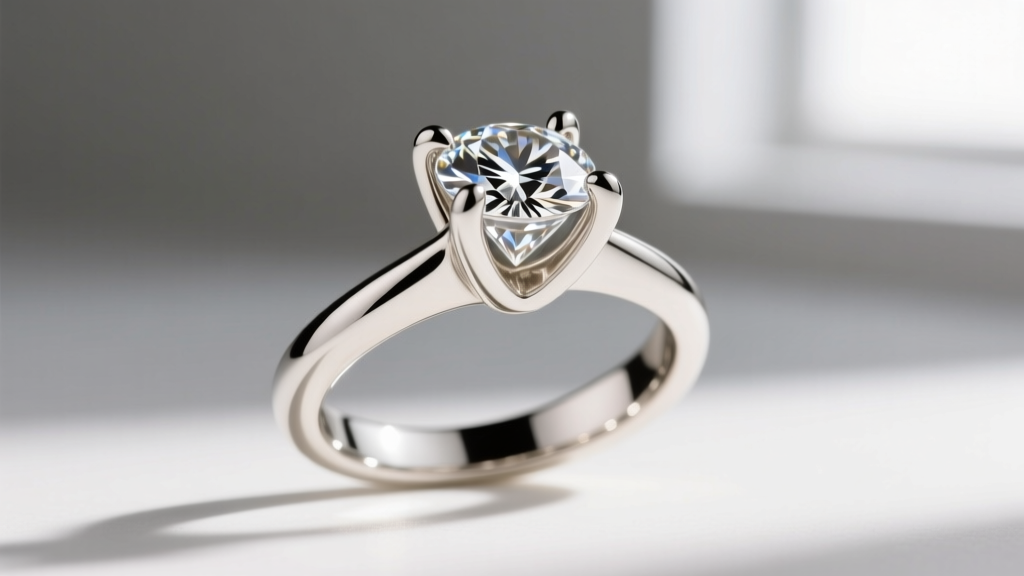
The setting dictates both the security of your diamond and how much light can enter the stone. For 1/10 carat earrings, you generally have two primary setting styles to choose from:
- Martini (3-Prong) Setting: Uses less metal, allowing maximum light exposure from the sides. The earring sits slightly higher off the earlobe. Ensure the jeweler smooths the prong tips so they do not snag on hair or clothing.
- Basket (4-Prong) Setting: Features a horizontal wire or solid base that sits flush against the earlobe. This offers superior structural integrity and a lower profile, making it ideal for sleepers or athletes.
When selecting your metal, consider your skin sensitivity and lifestyle. According to the FTC Jewelry Guides, retailers must accurately disclose metal alloys. Remember that 14k and 18k white gold are alloyed with metals like nickel or palladium and plated with rhodium to achieve a bright white finish. Over years of daily wear, this plating will wear off, revealing a slightly yellowish undertone, requiring periodic re-plating. Here is a breakdown of the best metals for everyday studs:
| Metal Type | Durability | Hypoallergenic? | Best For |
|---|---|---|---|
| Platinum (950) | Excellent | Yes | Sensitive ears, heirloom security |
| 14k White Gold | Very Good | Rarely (contains nickel) | Budget-friendly, bright white look |
| 18k Yellow Gold | Good | Usually | Warm skin tones, classic aesthetics |
| Titanium (Grade 23) | Excellent | Yes | Severe metal allergies, lightweight wear |
Step 3: Verifying Sizing and Gauge Dimensions
A common mistake when buying diamond studs online is ignoring the post gauge. The thickness of the earring post must match your piercing size to avoid discomfort or tissue damage.
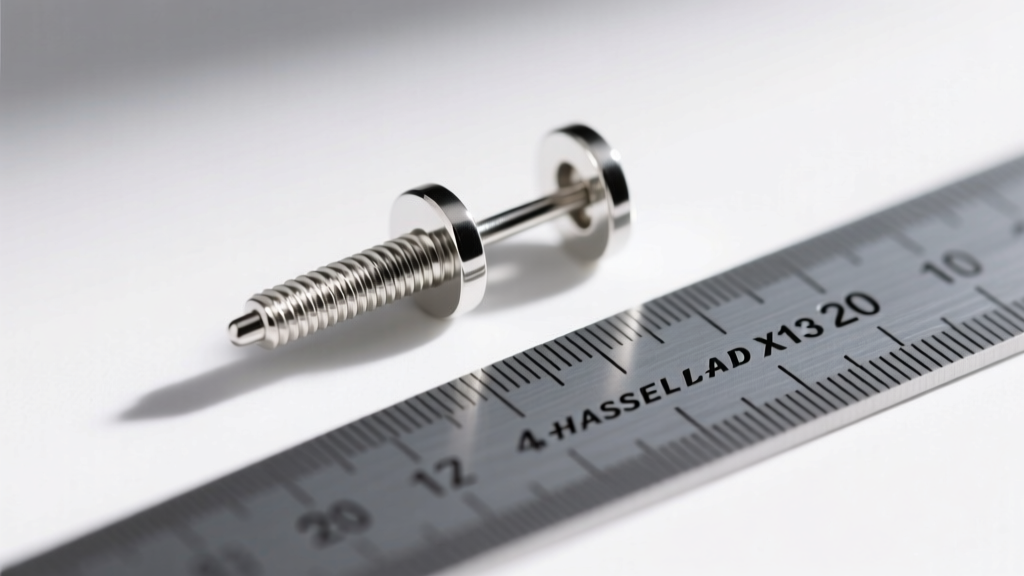
Standard earlobe piercings performed by a professional with a needle are typically 18-gauge (1.02mm) or 20-gauge (0.81mm). Most high-quality diamond studs are manufactured with 20-gauge or 18-gauge posts. However, some heavy-duty or custom settings may use a thicker 16-gauge (1.29mm) post. If you attempt to force a 16-gauge post into a standard 20-gauge lobe piercing, you will experience pain and potential stretching.
Additionally, consider the earring backing. For 1/10 carat earrings, which are lightweight, standard friction backs (butterfly clutches) are usually sufficient. However, if you plan to wear them 24/7, upgrade to La Pousette locking backs or screw-backs to prevent accidental loss during sleep or showering.
Step 4: Styling and Stacking Your Studs
The 2.5mm footprint of a 1/10 carat diamond makes it the ultimate utility player in your ear curation. Here is how to style them effectively in 2026:
- The Minimalist First Hole: Wear them alone in your primary lobe piercing for a subtle, professional look that catches the light without overwhelming your features.
- The Helix to Lobe Chain: Use a 20-gauge diamond stud in your upper lobe or helix piercing, connecting it via a delicate gold chain to a huggie hoop in your primary lobe.
- The Constellation Stack: Pair your 1/10 CTW studs with a 2mm bezel-set diamond and a tiny gold ball stud to create an ascending 'constellation' effect up the earlobe.
Step 5: Pricing Expectations and Sourcing
The diamond market has shifted dramatically with the mainstream acceptance of lab-grown diamonds. When shopping for 0.10 CTW earrings, understanding the price delta between natural and lab-grown stones is crucial for your budget.
| Diamond Origin | Average Price Range (2026) | Resale Value | Environmental Impact |
|---|---|---|---|
| Natural Earth-Mined | $250 - $450 | Low to Moderate | Higher (Mining) |
| Lab-Grown (CVD/HPHT) | $90 - $180 | Negligible | Lower (Controlled) |
Because 1/10 carat diamonds are relatively inexpensive, the cost of the metal setting and the labor often makes up a larger percentage of the final retail price than the diamonds themselves. Therefore, do not be alarmed if a platinum setting with lab-grown diamonds costs nearly the same as a 14k gold setting with natural diamonds. You are paying for the craftsmanship and the precious metal weight.
For diamonds under 0.10 carats, individual GIA grading reports are rarely provided due to the cost of certification relative to the stone's value. Instead, reputable jewelers will provide a store-issued certificate of authenticity detailing the total carat weight, metal type, and estimated color/clarity ranges. Always buy from established vendors who offer clear return policies and upgrade programs.
Conclusion: Making the Final Decision
Choosing the perfect 1/10 carat diamond earrings comes down to prioritizing cut quality, selecting a comfortable gauge, and picking a setting that matches your daily activity level. By focusing on full-cut melee stones, opting for SI clarity, and verifying your post thickness, you will secure a pair of earrings that deliver outsized brilliance in a beautifully subtle package. Whether you choose natural or lab-grown, these fractional studs will remain a timeless anchor in your jewelry collection for decades to come.


