How to Clean Diamond Earrings: The Ultimate Beginner Guide
Learn how to clean diamond earrings safely at home. Discover expert soaking solutions, brushing techniques, and what to avoid for lasting sparkle.

Why Do Diamond Earrings Lose Their Sparkle?
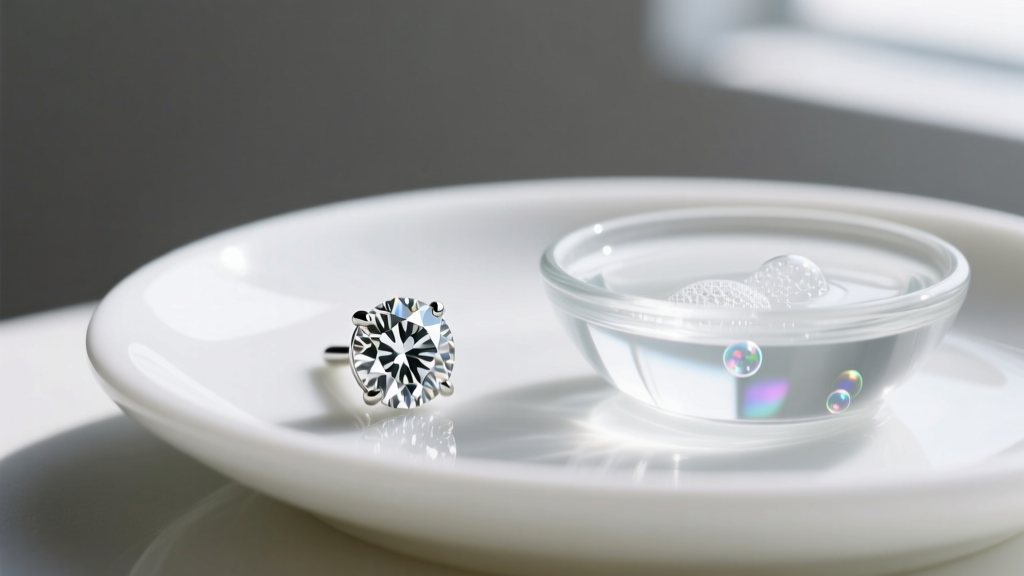
Diamonds are renowned for their unparalleled brilliance, but even the highest-quality stones can look dull and lifeless over time. To understand how to clean diamond earrings effectively, you first need to understand the science of why they get dirty. Diamonds are naturally oleophilic (oil-loving) and hydrophobic (water-repelling). This means they act like microscopic magnets for the natural oils from your skin, hair products, lotions, and environmental grease.
When a layer of oil builds up on the surface of the diamond, it disrupts the way light enters and exits the stone. Instead of reflecting light back to your eye as sparkle (brilliance) and colorful flashes (fire), the light scatters or gets absorbed. According to the Gemological Institute of America (GIA), regular exposure to everyday cosmetics is the primary culprit behind cloudy diamond jewelry.
The Safest DIY Diamond Cleaning Solution
Forget harsh chemicals, abrasive pastes, or expensive commercial jewelry dips. The most effective, jeweler-approved cleaning solution requires only two common household ingredients. This gentle mixture is safe for almost all diamond earrings, whether set in platinum, 14k gold, or 18k gold.
What You Will Need:
- Mild Dish Soap: Use a basic, lotion-free dish soap (like original blue Dawn). Avoid soaps with added moisturizers or citrus extracts, which can leave a cloudy film.
- Warm Water: Lukewarm tap water or distilled water. Avoid hot water, which can cause thermal shock to certain gemstone accents.
- Extra-Soft Baby Toothbrush: Standard adult toothbrushes have medium or hard bristles that can cause micro-scratches on precious metals like 18k gold or platinum.
- Lint-Free Microfiber Cloth: Paper towels and tissues can leave behind microscopic fibers that cling to the earring prongs.
- A Small Bowl and Mesh Strainer: Crucial for preventing your earrings from accidentally slipping down the drain.
Step-by-Step: How to Clean Diamond Earrings at Home
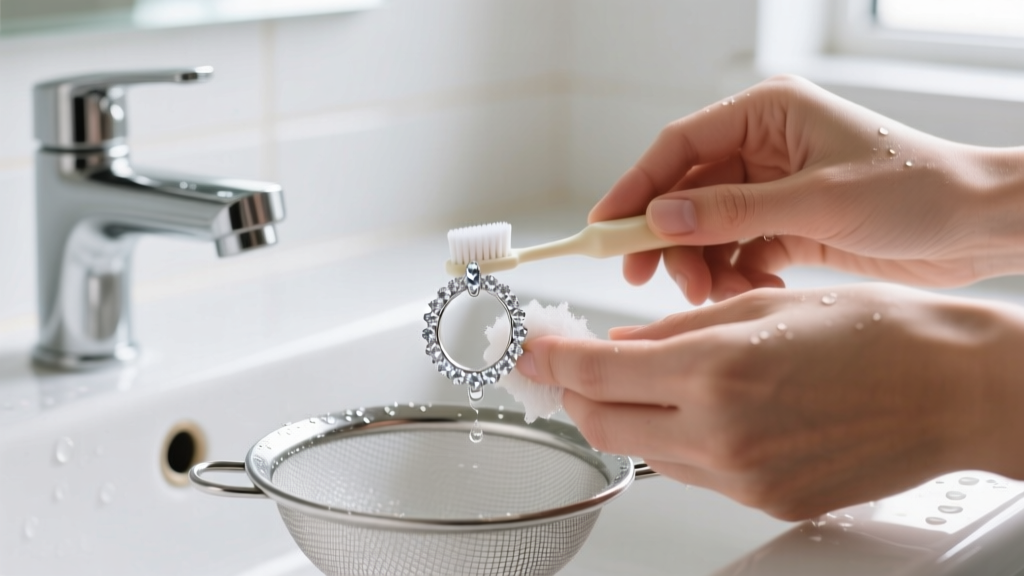
Follow this precise, five-step framework to safely restore your earrings to their original showroom condition.
- Prep Your Workspace: Never clean jewelry directly over an open sink drain. Plug the sink or use a small ceramic bowl. Place a mesh strainer inside the bowl to catch any loose stones in the rare event a prong has failed.
- Mix the Solution: Combine one part mild dish soap with three parts warm water. Stir gently until suds form.
- Soak the Earrings: Submerge your diamond studs, hoops, or dangles in the solution for 20 to 30 minutes. This soaking time is critical; it softens hardened oils and cosmetic buildup trapped beneath the diamond's girdle and inside the setting basket.
- Brush Gently: Remove the earrings from the solution. Using your extra-soft baby toothbrush, gently scrub the diamond. Pay special attention to the pavilion (the bottom cone of the diamond), where the majority of grease accumulates. Use light, circular motions—never scrub aggressively.
- Rinse and Dry: Rinse the earrings under a gentle stream of lukewarm water (ensure the drain is plugged!). Pat them dry with a lint-free microfiber cloth. Avoid rubbing the prongs directly, as repeated friction can loosen them over time.
Cleaning Methods: What Works vs. What Ruins Jewelry
Not all cleaning methods are created equal. While some DIY hacks go viral on social media, many can cause irreversible damage to your diamond earrings. The American Gem Society strongly advises against using abrasive household cleaners.
| Cleaning Method | Effectiveness | Risk Level | Expert Verdict |
|---|---|---|---|
| Mild Soap & Warm Water | High | Very Low | Best for weekly home maintenance |
| Ultrasonic Cleaners | Very High | Moderate | Great for solid settings; risky for pave or fracture-filled stones |
| Toothpaste & Baking Soda | Low | Very High | Avoid completely; abrasives scratch gold and platinum |
| Bleach or Chlorine | N/A | Critical | Never use; destroys gold alloys and weakens prongs |
| Ammonia Solutions | High | Moderate | Safe for untreated diamonds and platinum; ruins fracture-filled stones |
Special Considerations: Metal Types and Diamond Treatments
When learning how to clean diamond earrings, you must factor in the specific metal of the setting and whether the diamond has undergone any clarity enhancements.
White Gold vs. Yellow Gold vs. Platinum
White Gold: Most white gold earrings are plated with rhodium to achieve a bright, silvery-white finish. Harsh chemicals, abrasive brushing, or prolonged ultrasonic cleaning can strip this plating prematurely, causing the jewelry to look yellowish. Stick strictly to the mild soap method.
Yellow Gold (14k/18k): Pure gold is incredibly soft. 18k gold contains 75% pure gold, making it highly susceptible to scratching. Always use a baby toothbrush and never use stiff-bristled cleaning tools.
Platinum: Platinum is dense and durable, but it develops a natural "patina" (a satin-like finish) over time due to micro-scratches. While cleaning will remove dirt, it will not remove the patina. That requires professional repolishing.
Fracture-Filled and Clarity-Enhanced Diamonds
Warning: If your diamonds have been fracture-filled (often branded as Yehuda diamonds), you must never use ammonia, ultrasonic cleaners, or steam cleaners. These methods will melt or cloud the glass-like filler inside the stone, permanently ruining the diamond's appearance. Stick to mild soap and water only.
Proper Drying and Storage Techniques
How you dry and store your earrings is just as important as the washing process. Trapped moisture behind the diamond setting can lead to metal oxidation or skin irritation when you put the earrings back in.
The Air-Dry Method
After rinsing, shake the earrings gently to remove excess water droplets. Instead of aggressively rubbing them with a cloth, which can snag the prongs, place them on a clean, dry microfiber towel and let them air-dry for 10 to 15 minutes. If you are in a hurry, you can use a hairdryer on the cool, low-speed setting to blow water out from beneath the diamond basket. Never use heat, as rapid temperature changes can cause internal stress in certain gemstone accents like emeralds or opals.
Storage Best Practices
Diamonds are a 10 on the Mohs hardness scale, meaning they can easily scratch other jewelry—and even scratch each other if their settings rub together. Always store your cleaned diamond earrings in a fabric-lined jewelry box with individual compartments. If you are traveling, place each earring in a separate soft pouch or wrap them in acid-free tissue paper to prevent the metal posts from bending and the diamonds from chipping against one another.
Maintenance Schedule for Different Earring Styles
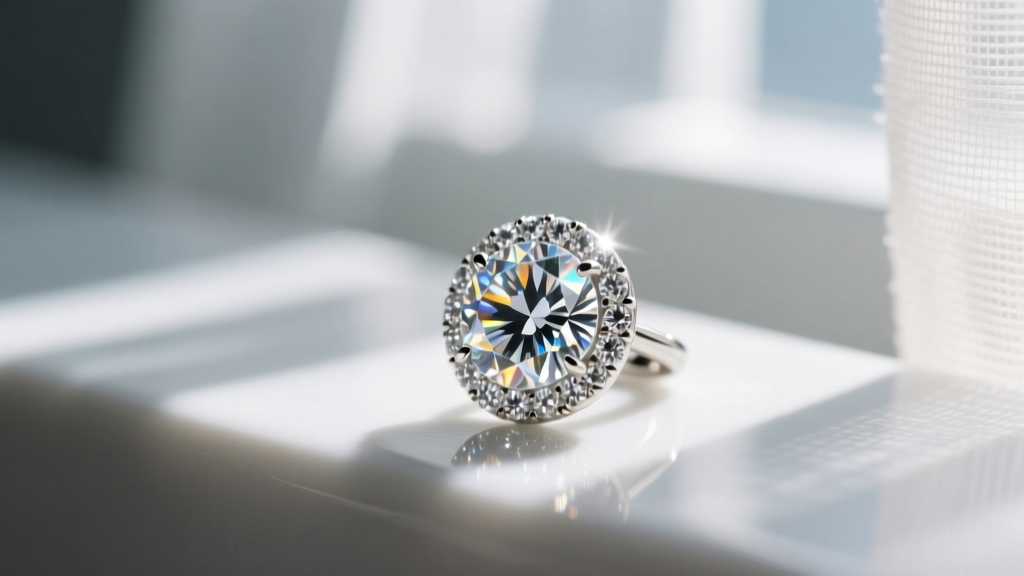
The frequency of your cleaning routine should adapt to the style of earring you wear and how often they are exposed to cosmetics.
- Diamond Studs: Because they sit flush against the earlobe, studs are constantly exposed to skin oils and hair products. Clean them once a week.
- Inside-Out Hoops & Huggies: These have more surface area and crevices where lotion can hide. Clean them every two weeks.
- Drop and Dangle Earrings: Since they hang away from the skin and hair, they accumulate less oil. A thorough cleaning once a month is usually sufficient.
- Ear Cuffs and Cartilage Climbers: These often feature intricate pave settings. Clean them bi-weekly, but be exceptionally gentle around the tiny micro-prongs to avoid dislodging accent stones.
When to Visit a Professional Jeweler
While mastering how to clean diamond earrings at home is essential for daily maintenance, it does not replace professional care. You should take your earrings to a certified jeweler at least once a year. A professional will not only use commercial-grade steam cleaners to remove stubborn buildup, but they will also inspect the structural integrity of your earrings.
They will check for loose prongs, worn earring backs (especially butterfly friction backs, which can lose their tension over time), and bent posts. Catching a loose prong before the diamond falls out is the most valuable service a jeweler provides. By combining this gentle, expert-approved home cleaning routine with annual professional inspections, your diamond earrings will maintain their breathtaking brilliance for generations.


