How to Clean Stud Earrings: A Material-by-Material Guide
Learn exactly how to clean stud earrings based on their metal and gemstone properties. Expert protocols for gold, silver, titanium, and porous gems.

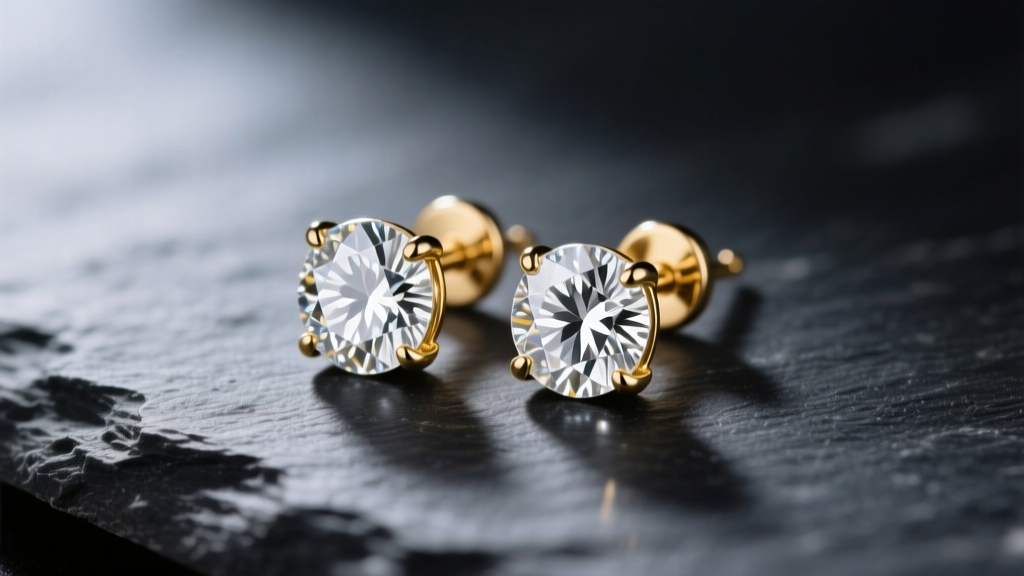
Knowing how to clean stud earrings properly requires more than just soap and water. The structural integrity of your jewelry depends entirely on its metallurgical composition and gemstone porosity. A cleaning method that restores a platinum diamond stud to brilliant clarity could permanently fracture an emerald or strip the anodized layer off a titanium labret. As a domain expert in jewelry materials, I have compiled this comprehensive, material-driven guide to help you safely remove sebum, cosmetic polymers, and oxidation without compromising your pieces.
The Chemistry of Tarnish and Grime
Before applying any solvent, it is crucial to understand what you are actually cleaning. The dull film on daily-worn stud earrings is primarily composed of squalene (a lipid found in human sebum), dead keratinocytes, and cosmetic residues like titanium dioxide from foundations. When these organic compounds mix with environmental sulfur, they accelerate tarnishing in reactive metals.
Pure metals like 24k gold or platinum do not tarnish because they do not readily oxidize. However, jewelry is rarely pure. 14k gold contains 41.7% alloy metals (usually copper and silver) to increase tensile strength. It is these copper alloys that react with sulfur and chlorine, leading to discoloration or, in severe cases, stress corrosion cracking. Understanding these chemical vulnerabilities is the first step in determining how to clean stud earrings safely.
Metal-Specific Cleaning Protocols
Different metals require vastly different chemical environments to maintain their luster and structural integrity. Here is how to approach the most common stud earring materials.
14k and 18k Gold
Gold alloys are highly susceptible to chlorine. Never clean gold studs in a bathroom where bleach-based cleaners are used, and never wear them in a chlorinated pool. Chlorine causes a reaction with the copper and zinc alloys, leading to microscopic pitting and eventual prong failure. To clean gold studs, use a solution of warm distilled water and a few drops of mild, phosphate-free dish soap (like Dawn). Agitate gently with an extra-soft baby toothbrush, focusing on the back of the post and the clutch where sebum accumulates.
Sterling Silver (925)
Sterling silver tarnish is silver sulfide (Ag2S), a dark patina that forms when silver reacts with hydrogen sulfide in the air. While commercial silver dips contain thiourea to strip this tarnish instantly, these chemicals are highly toxic to porous gemstones and can leave a microscopic residue that accelerates future tarnishing. Instead, use an electrolytic reaction: line a glass bowl with aluminum foil, add boiling water, a tablespoon of baking soda, and a pinch of salt. Submerge the silver studs (ensuring they touch the foil) for 3 minutes. The sulfur transfers from the silver to the aluminum, reversing the tarnish chemically without abrasion.
Platinum
Platinum is a dense, inert metal that does not tarnish. However, it develops a "patina" over time—a soft, frosted look caused by microscopic scratches displacing the metal rather than removing it. To clean platinum studs, use a specialized jewelry cleaning solution or mild soap. To restore the high-polish finish, the metal must be professionally polished with a rouge wheel, as home remedies cannot realign the displaced metal.
Implant-Grade Titanium (ASTM F136)
Titanium, particularly Grade 23 (ASTM F136) used for cartilage and lobe studs, relies on a passive oxide layer for its hypoallergenic properties. Harsh acids or abrasive pastes can compromise this layer. Clean titanium studs using 70% isopropyl alcohol on a lint-free swab. This effectively dissolves body oils and sanitizes the post without risking oxidation or damaging any anodized color coatings.
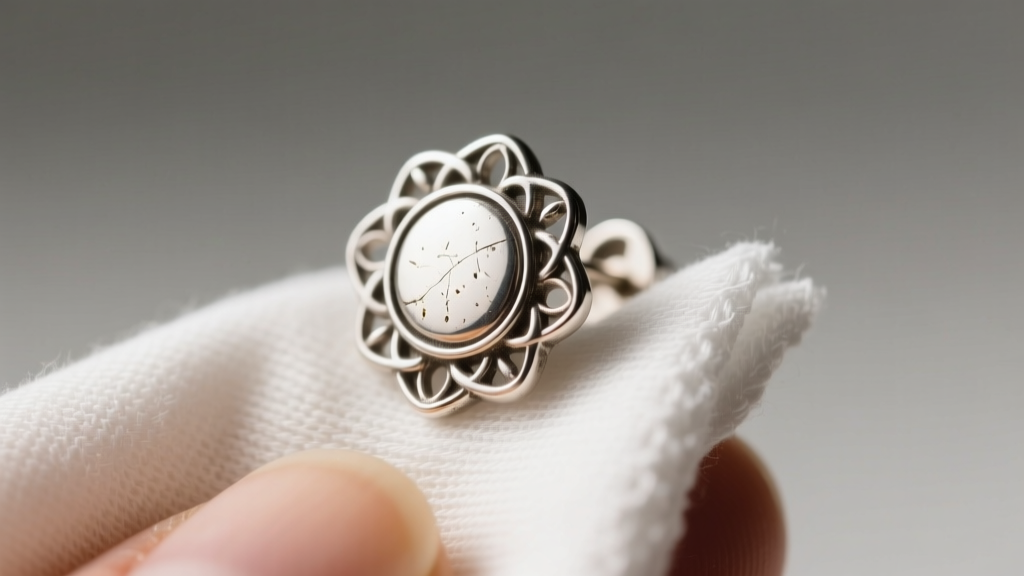
Material Comparison Matrix
The following table summarizes the physical properties and cleaning parameters for standard stud earring metals. For deeper metallurgical insights, refer to guidelines from Rio Grande, a premier authority in jewelry manufacturing supplies.
| Metal Type | Mohs Hardness | Safe Cleaning Agents | Fatal Flaws (Avoid) |
|---|---|---|---|
| 14k/18k Gold | 2.5 - 3.0 | Mild dish soap, warm water | Chlorine, bleach, toothpaste |
| Sterling Silver | 2.5 - 2.7 | Aluminum foil electrolysis | Thiourea dips (if gem-set) |
| Platinum | 4.0 - 4.5 | Ultrasonic, mild detergents | Abrasive polishing cloths |
| Titanium (F136) | 6.0 | 70% Isopropyl alcohol | Hydrofluoric acid, harsh alkalis |
Gemstone Variables: Porous vs. Non-Porous
When learning how to clean stud earrings, the gemstone setting is often the limiting factor. The Gemological Institute of America (GIA) categorizes gemstone care based on porosity, hardness, and optical treatments.
Non-Porous Stones (Diamonds, Sapphires, Rubies)
Diamonds (Mohs 10) are oleophilic, meaning they naturally attract and hold onto grease. This is why diamond studs lose their brilliance quickly; the pavilion facets become coated in skin oils, preventing light return. Degreasing agents like ammonia-based glass cleaners (e.g., Windex) are highly effective for diamonds and corundum (sapphires/rubies). Spray the solution onto a microfiber cloth and wipe the stone, or soak in a mild ammonia-water bath.
Porous and Treated Stones (Emeralds, Opals, Pearls)
Emeralds are almost universally fracture-filled with cedar oil or synthetic resins to improve clarity. Submerging emerald studs in hot water, alcohol, or ultrasonic cleaners will dissolve these fillers, leaving the stone looking heavily included and cloudy. Clean emeralds only with a damp, lukewarm cloth.
Pearls (calcium carbonate) and opals (hydrated silica) are exceptionally delicate. Pearls can be dissolved by mild acids, including the natural lactic acid in human sweat. Wipe pearl studs with a damp cloth immediately after wearing and never submerge them, as water can degrade the silk thread or epoxy used in the post setting. Opals contain up to 20% water; exposing them to harsh desiccants or sudden temperature changes can cause "crazing" (internal cracking).
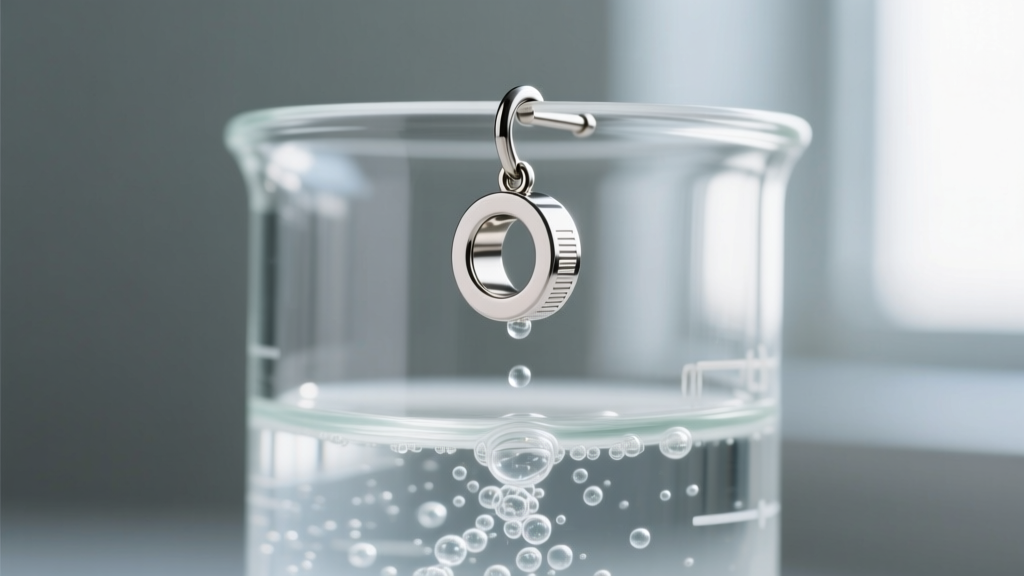
The Ultrasonic Cleaner Trap
Ultrasonic cleaners use high-frequency sound waves (typically 40-45 kHz) to create microscopic vacuum bubbles in a solvent. When these bubbles collapse against the jewelry, they generate localized shockwaves that blast away grime. While miraculous for plain metal and hard stones, ultrasonic cavitation will shatter stones with internal fractures (like emeralds or heavily included diamonds) and can vibrate stones right out of their tension or bezel settings. Always consult the American Gem Society (AGS) guidelines before placing gemstone studs into an ultrasonic bath.
Step-by-Step Deep Cleaning Framework
For a safe, universal deep clean suitable for most metal-only or hard-gemstone stud earrings, follow this precise protocol:
- Preparation: Block your sink drain with a silicone mat or a towel to prevent catastrophic loss.
- Soak: Mix 1 cup of distilled water (heated to exactly 105°F/40°C) with 3 drops of phosphate-free dish detergent. Soak the studs for 15 minutes to soften hardened sebum.
- Agitation: Using an extra-soft bristle brush (a clean, unused makeup blending brush works excellently), gently sweep the bristles across the back of the setting and the post threads.
- Rinse: Rinse under a gentle stream of lukewarm distilled water. Avoid tap water if your municipality uses high chlorine or hard water minerals, which can leave spot deposits.
- Dry: Pat dry with a lint-free microfiber cloth. Use a hair dryer on the "cool" setting to blow water out from beneath the gemstone girdle.
Storage and Preventative Material Care
How you store your studs dictates how often you need to clean them. Silver studs should be stored in anti-tarnish bags infused with activated charcoal or silver-guard cloth, which absorbs ambient sulfur compounds. Gold and platinum studs should be kept in individual soft-lined compartments to prevent the harder metals and diamonds from scratching softer pieces. By matching your cleaning chemistry to the specific material properties of your jewelry, you ensure your stud earrings remain structurally sound and optically brilliant for decades.


