How to Close Earring Holes: Fix Stretched Lobes & Torn Piercings
Learn how to close earring holes naturally or surgically. Expert troubleshooting for stretched lobes, blowouts, and cartilage repairs.

The Biology of the Fistula: Why Holes Stay Open
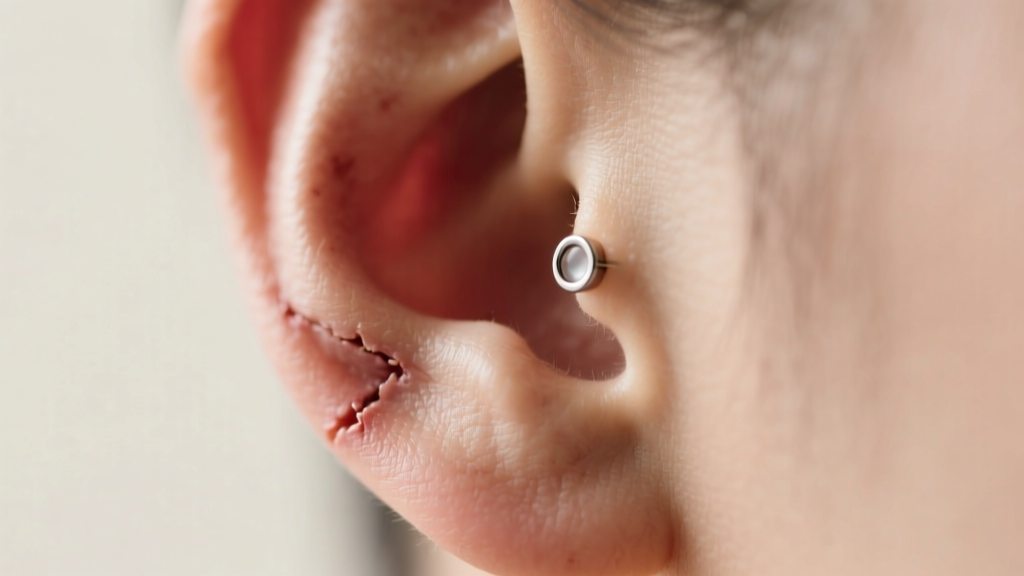
When you first get your ears pierced, the body treats the needle puncture as a wound. Over the next 6 to 12 weeks, the immune system builds a protective tunnel of skin cells around the jewelry, known as a fistula. This epithelialized tube is what keeps the hole open even when jewelry is removed. Understanding how to close earring holes requires understanding this biology. The fistula is essentially a permanent skin lining; it does not simply 'heal shut' like a surface scratch. Instead, the tissue must contract, and the inner walls of the fistula must eventually break down and fuse back together. For standard 20-gauge or 18-gauge lobe piercings, removing the jewelry allows the surrounding adipose (fat) tissue and collagen to compress the fistula, often rendering it invisible within a few months. However, when dealing with stretched lobes, cartilage piercings, or torn tissue from heavy dangles, the troubleshooting process becomes significantly more complex.
The Gauge Threshold: When Natural Shrinking Fails
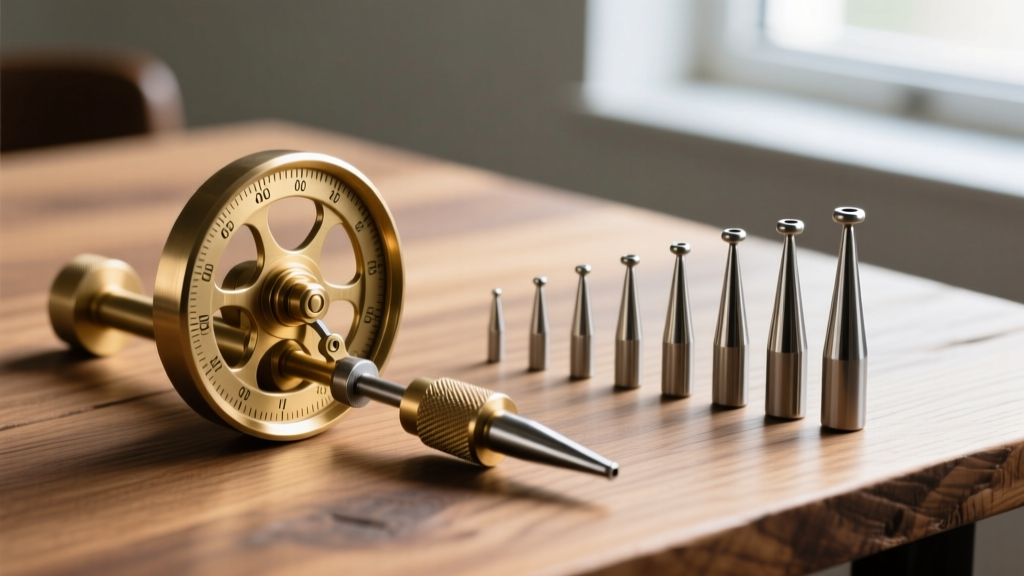
The most critical factor in determining whether you can close a stretched earlobe naturally is the maximum gauge size it has reached. The elasticity of your earlobe tissue—specifically the elastin and collagen networks—has a breaking point. Once the fistula exceeds a certain diameter, the skin loses its ability to snap back, resulting in a permanent, hollowed-out tunnel.
| Gauge (AWG) | Millimeters | Natural Closure Likelihood | Estimated Shrinkage Timeframe |
|---|---|---|---|
| 14G - 10G | 1.6mm - 2.5mm | Very High (95%+) | 1 to 3 Months |
| 8G - 4G | 3.2mm - 5.0mm | High (80-90%) | 3 to 6 Months |
| 2G - 0G | 6.0mm - 8.0mm | Moderate (50-70%) | 6 to 12 Months |
| 00G - 7/16" | 10.0mm - 11.0mm | Low (20-40%) | 1+ Years (Often incomplete) |
| 1/2" and above | 12.0mm+ | Extremely Low (<10%) | Surgical intervention required |
According to guidelines discussed by the Association of Professional Piercers, the 'point of no return' varies wildly by individual genetics, age, and tissue health. However, 00G (10mm) is widely considered the absolute threshold where natural closure becomes highly unlikely without leaving a noticeable divot or loose flap of skin.
Step-by-Step: How to Close Earring Holes Naturally (0G to 2G)
If your lobes are in the moderate stretching range (2G to 0G) and you want to encourage them to shrink, you must treat the process as active tissue rehabilitation. Do not simply take your plugs out and wait; this often leads to dry, cracked fistulas that refuse to contract.
1. The Down-Sizing Method
Just as you stretched your ears gradually, you should downsize them gradually. If you are currently wearing 0G, step down to 2G, then 4G, wearing each smaller size for 3 to 4 weeks. This forces the fistula to shrink in controlled increments, preventing the formation of loose, empty skin flaps.
2. PTFE Tape Wrapping
Once you reach a size where the jewelry feels loose (usually around 6G or 4G), remove the jewelry and wrap the plug in PTFE (Teflon) bondage tape. This allows you to create a custom, slightly smaller gauge that keeps the fistula supported while gently encouraging contraction. Remove one layer of tape every week until the jewelry falls out on its own.
3. Daily Oil Massage
Tissue elasticity requires moisture and blood flow. Massage your lobes twice daily for 5 minutes using pure, cold-pressed Jojoba oil or Vitamin E oil. Jojoba oil closely mimics the skin's natural sebum, penetrating the fistula lining to keep the skin supple and encourage cellular turnover. Avoid petroleum-based products like Vaseline, which can clog the fistula and trap dead skin cells, leading to localized infections.
Troubleshooting Complications: Blowouts and Keloids
When attempting to figure out how to close earring holes, you may encounter structural damage that prevents natural healing.
Managing Lobe Blowouts
A blowout occurs when the fistula is stretched too quickly, causing the inner tissue to extrude out the back of the earlobe. If you have a blowout, you must immediately downsize by 2 to 3 gauges to relieve the pressure. Massaging the extruded tissue with emu oil can help reduce inflammation and encourage the tissue to reabsorb. If the blowout has scarred into a permanent ring of hard tissue, natural closure will leave a visible lump, and minor surgical excision may be necessary.
Keloid and Hypertrophic Scarring
Cartilage piercings (like the helix or tragus) are notorious for developing hypertrophic scars or keloids when irritated or when attempting to let them close. Cartilage lacks its own blood supply, relying on the perichondrium for healing. If a cartilage hole closes over a keloid, the bump will remain trapped under the skin. The American Academy of Dermatology recommends intralesional corticosteroid injections to flatten the scar tissue before the fistula fully closes. Never attempt to cut or drain a cartilage bump at home, as this can lead to perichondritis, a severe infection that can permanently deform the ear's structural integrity.
Surgical Solutions: Lobuloplasty and Cartilage Excision
For heavily stretched lobes (1/2 inch and above), completely torn lobes from heavy drop earrings, or migrated cartilage piercings, natural methods will not suffice. You will need to consult a board-certified plastic surgeon or a specialized dermatologic surgeon for a repair procedure.
Lobuloplasty (Earlobe Repair)
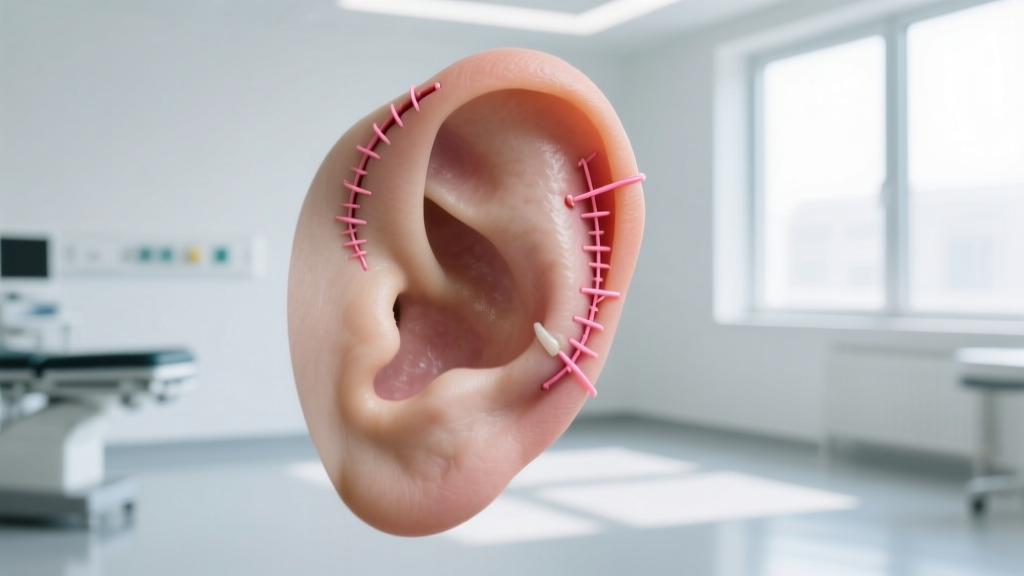
Lobuloplasty is an outpatient procedure performed under local anesthesia. The surgeon uses a scalpel to excise the epithelialized fistula lining entirely—this is crucial, as leaving any of the skin tunnel behind will result in a cyst forming under the closed skin. The fresh, bleeding edges of the adipose tissue are then sutured together. According to the American Society of Plastic Surgeons, the cost typically ranges from $500 to $1,500 per ear, depending on the complexity of the tear and the surgeon's expertise.
- Recovery Time: Sutures are usually removed after 7 to 10 days.
- Re-piercing Window: You must wait a minimum of 3 to 6 months before re-piercing the repaired lobe.
- Placement Strategy: When re-piercing, the needle must bypass the internal scar line. Piercing directly through the lobuloplasty scar tissue drastically increases the risk of the lobe tearing again.
Cartilage Reconstruction
Closing large cartilage holes is vastly more complicated. Because cartilage does not regenerate, a large empty hole in the conch or flat area cannot simply be stitched shut without pulling the ear into a distorted shape. Surgeons often use a technique involving a local skin flap or a cartilage graft harvested from the conchal bowl to fill the defect. This is considered reconstructive surgery rather than cosmetic, and the recovery involves meticulous wound care to prevent chondritis (cartilage infection).
Final Thoughts on Ear Tissue Recovery
Deciding how to close earring holes is a matter of assessing your specific tissue damage, gauge size, and piercing location. While standard 20G holes will vanish with time and patience, stretched lobes require a disciplined regimen of down-gauging and oil therapy. If you have exceeded your tissue's elastic threshold, embrace the permanence of the modification or seek a qualified surgeon for a lobuloplasty. Always prioritize tissue health over speed; rushing the closure process is the primary cause of trapped cysts, blowouts, and permanent aesthetic scarring.


