How to Make an Earring Hook: 2026 Custom Wire Guide
Learn how to make an earring hook with our 2026 trend guide. Master wire gauges, artisanal hammering techniques, and bespoke ear wire styling.

The 2026 Shift: Why Bespoke Ear Wires Are Trending
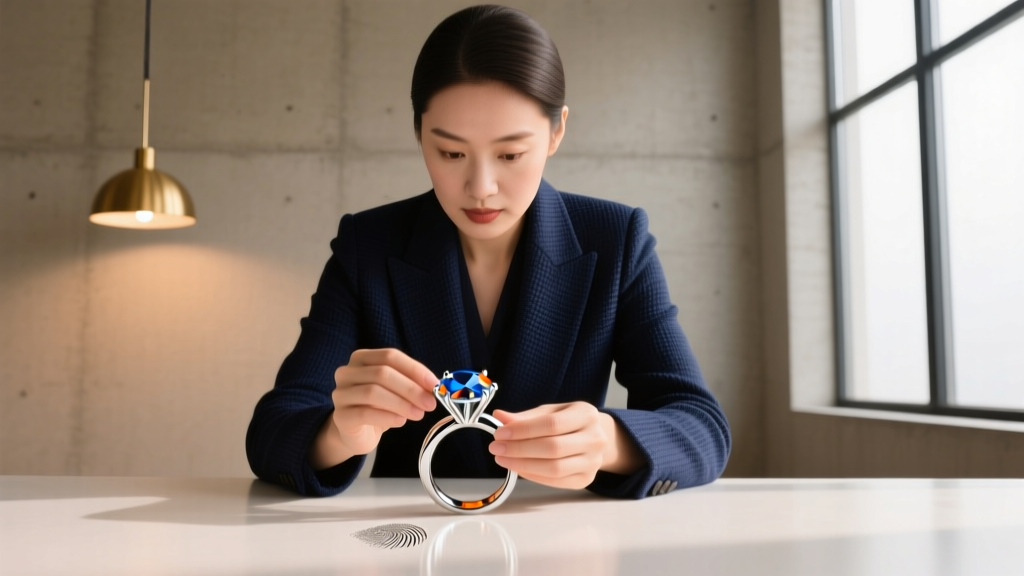
In 2026, the jewelry industry is experiencing a massive pivot away from sterile, mass-produced stamped findings. Consumers and high-fashion houses alike are craving the "artisanal imperfection" of hand-forged hardware. When you learn how to make an earring hook from scratch, you are no longer just crafting a functional component; you are designing the architectural foundation of the earring itself. According to industry suppliers like Rio Grande, sales in raw, half-hard jewelry wire have significantly outpaced pre-made ear wire findings over the last year, signaling a definitive return to bench-made authenticity.
This shift is heavily driven by the "Ear Curation" movement, where every millimeter of the ear's real estate is considered a canvas. The hook is no longer hidden behind the lobe; it is a visible, textural element that frames the face. Bespoke wirework allows designers to integrate continuous lines, hammered paddles, and mixed-metal gradients that simply cannot be achieved with factory-stamped French hooks.
Metallurgy & Material Selection for Custom Hooks
Not all wire is created equal. To create hooks that hold their shape, resist tarnish, and remain hypoallergenic, you must understand alloy composition and tensile strength. The most critical mistake beginners make is choosing the wrong wire hardness. For ear wires, half-hard wire is the gold standard. Dead soft wire will bend out of shape the first time the wearer removes the earring, while full-hard wire is too brittle and will snap when bent around a mandrel.
| Material | Alloy Composition | Best For | 2026 Price Trend |
|---|---|---|---|
| Argentium Silver | 93.5% Silver, 6.5% Copper/Germanium | Tarnish-resistant luxury hooks, fusing without solder | High (Premium) |
| Niobium | 100% Pure Niobium | Hypoallergenic hooks, anodizing for vibrant colors | Low (Accessible) |
| 14/20 Gold-Filled | 5% 14k Gold over Brass Core | Everyday luxury, high durability, rich color | Medium (Volatile) |
| Surgical Steel | 316L Stainless Steel | Industrial, brutalist, and streetwear styles | Very Low |
For those exploring advanced metallurgy, Fire Mountain Gems offers extensive resources on how different alloys react to work-hardening. In 2026, we are seeing a surge in designers using Niobium wire because it can be anodized using a simple battery setup to produce iridescent purples, teals, and golds without the use of toxic chemicals or plating baths.
How to Make an Earring Hook: The Masterclass
Creating a structurally sound and aesthetically pleasing ear wire requires precision, the right tools, and an understanding of metal memory. Below is the definitive guide to forging a custom, hammered-paddle French hook.
Step 1: Tool Preparation and Wire Cutting
You will need flush cutters, round-nose pliers, chain-nose pliers, nylon-jaw pliers, a rawhide mallet, and a steel bench block. Cut a 2.5-inch length of 20-gauge half-hard wire. Using 20-gauge ensures the wire is thick enough to support a heavy gemstone drop but thin enough to pass comfortably through a standard 18-gauge or 20-gauge ear piercing.
Step 2: The Signature Paddle and Loop
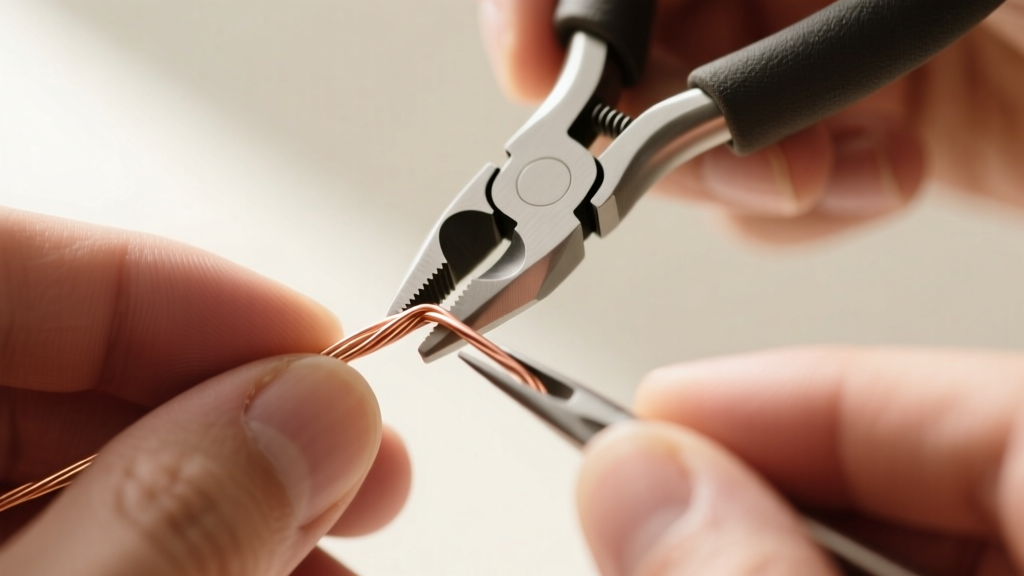
At one end of your wire, create a small, tight loop using the very tip of your round-nose pliers. This loop will eventually connect to your earring dangle or jump ring. Next, place the wire flat against your steel bench block. Using a rawhide mallet (never a steel hammer directly on the wire unless you want deep gouges), strike the opposite end of the wire repeatedly. This flattens the wire into a "paddle" shape and, crucially, work-hardens that specific section, adding structural integrity and a beautiful, light-catching texture.
Step 3: The Mandrel Bend
To achieve a perfectly symmetrical hook curve, do not rely on your fingers or standard pliers. Use a stepped wire mandrel or a multi-loop plier. Grip the wire just above the hammered paddle and bend it around the 3/8-inch step of the mandrel to create a smooth, sweeping U-shape. Finally, use your chain-nose pliers to create a sharp 45-degree outward kick at the very tip of the hook. This kick prevents the earring from sliding out of the earlobe during movement.
Trend Forecast: Hook Shapes Dominating 2026
Asymmetry and brutalism are defining the 2026 jewelry landscape. The traditional, delicate French hook is being replaced by bolder, more sculptural silhouettes. Here are the top three hook shapes trending on runways and indie boutiques this year:
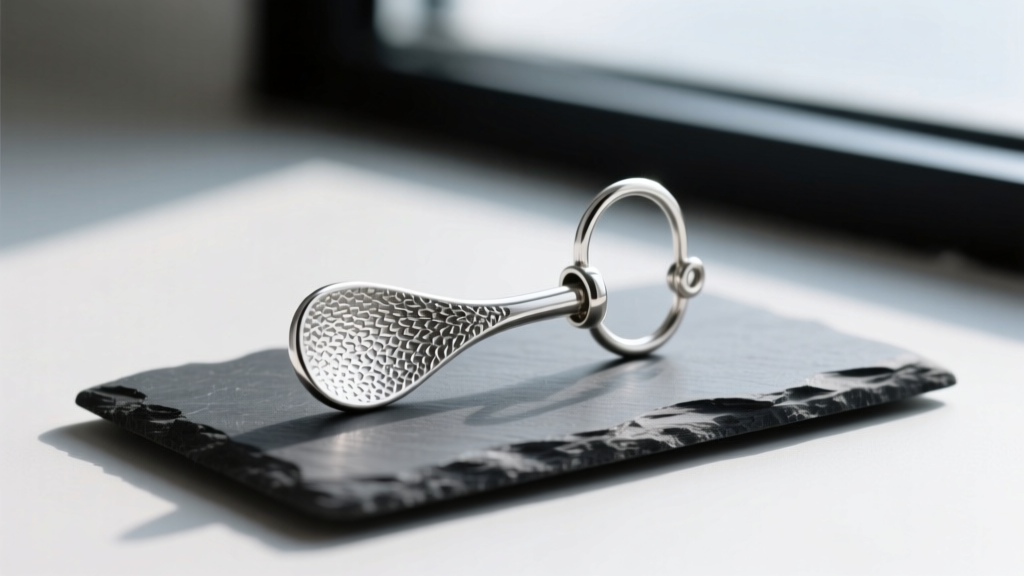
- The Elongated Kidney: A stretched, teardrop-shaped wire that acts as both the hook and the primary visual frame of the earring. Often left unhammered for a sleek, liquid-metal appearance.
- The Shield Hook: Features a wide, heavily hammered triangular paddle at the front that rests against the earlobe, providing a backdrop for minimalist chain drops.
- The Mismatched Tension Wire: A continuous piece of 18-gauge spring-hard wire that relies on tension rather than a loop to hold the earring in place. The left and right hooks are intentionally forged into slightly different geometric angles.
Troubleshooting Common Wirework Failures
Even seasoned jewelers encounter issues when fabricating custom ear wires. Here is how to troubleshoot the most common failure modes:
Wire Snapping During the Bend
If your wire snaps when bending it around the mandrel, you are likely using dead-soft wire that has been over-worked, or you are using a wire with a high zinc content that is inherently brittle. Switch to a high-quality half-hard wire. If you must use dead-soft wire, you will need to anneal it with a torch before bending, though this is rarely recommended for ear wires due to the loss of tensile memory.
Hooks Losing Their Shape
An earring hook that slowly pulls open under the weight of a dangle lacks sufficient work-hardening. After forming your hook, place it back on the steel bench block and gently tap the curved section with a rawhide mallet. This compresses the metal's grain structure, locking the curve into place without altering the visual finish.
Surface Scratches and Marring
Tool marks are the enemy of high-end bespoke jewelry. Never use standard steel-jaw pliers to grip the visible sections of your wire. Always wrap your plier jaws in painter's tape, or invest in a dedicated set of nylon-jaw pliers. As noted by the Halstead Bead jewelry business blog, maintaining a pristine, mirror-like finish on the non-hammered sections of the wire is what separates amateur DIY projects from professional-grade artisanal jewelry.
Final Styling Thoughts for the Modern Artisan
Learning how to make an earring hook is a rite of passage for any serious jewelry designer. By taking control of your hardware, you unlock the ability to create cohesive, head-to-toe curated ear stacks where every element speaks the same design language. Whether you are hammering out raw Argentium silver for a rustic, organic aesthetic or bending sleek Niobium for a pop of anodized color, the bespoke ear wire is the ultimate signature of the 2026 independent jeweler. Grab your mandrel, select your favorite half-hard wire, and start forging.


