How to Clean and Secure Clutch Back Earrings: Step-by-Step Guide
Learn how to properly secure, clean, and troubleshoot clutch back earrings. Expert step-by-step guide on tension tabs, gauge sizes, and loss prevention.

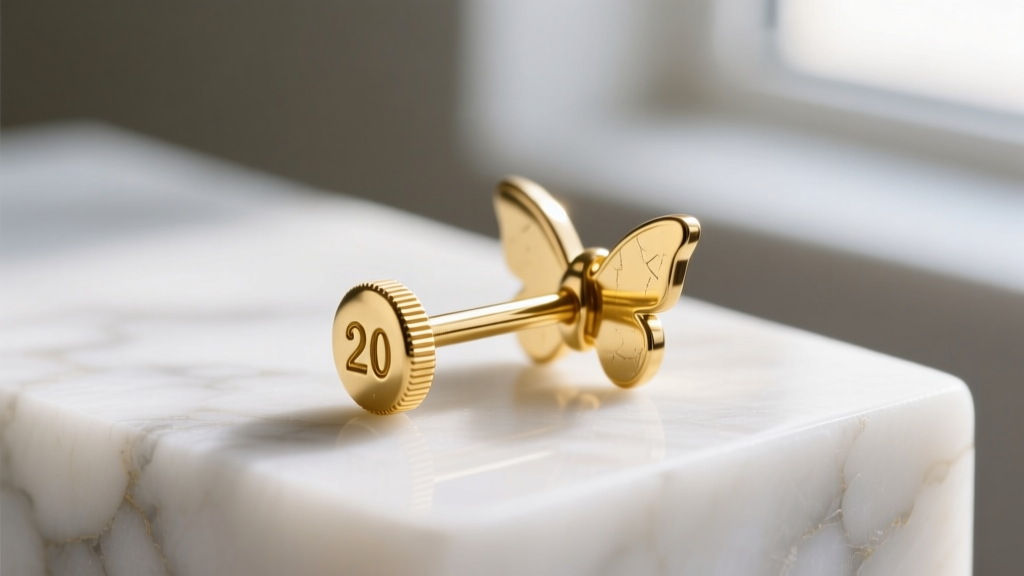
Losing a favorite diamond stud or a sentimental gold hoop is a frustrating experience, but it is almost entirely preventable. The standard friction back—commonly referred to as a butterfly back or scroll back—relies on precise mechanical tension to stay in place. When that tension fails, or when the pairing between the post and the back is mismatched, your jewelry is at risk of slipping away unnoticed.
In this comprehensive guide, we break down the exact mechanics of clutch back earrings, provide a step-by-step protocol for securing them, and share professional troubleshooting techniques for stuck or loose fittings. Whether you are dealing with fine jewelry or everyday titanium studs, mastering these techniques will save you hundreds of dollars in replacement costs.
The Anatomy of Clutch Back Earrings and Why They Fail
To understand how to secure clutch back earrings, you must first understand their engineering. A standard friction back consists of a central tube (the barrel) and two flanking metal wings (the tension tabs). When you push the back onto the earring post, the tabs flex outward, creating friction against the post's surface or its carved grooves.
Common Failure Modes
- Gauge Mismatch: Earring posts are typically manufactured in 20-gauge (0.81mm) or 18-gauge (1.02mm). If you accidentally pair an 18G clutch back with a thinner 20G post, the tension tabs will not grip the metal, causing the earring to slide off.
- Sebum and Debris Calcification: Over time, natural skin oils, dead skin cells, and soap residue accumulate inside the barrel of the clutch back. This creates a hardened barrier that prevents the tension tabs from making direct contact with the metal post.
- Metal Fatigue: Repeatedly pulling the back straight off without wiggling can gradually stretch the tension tabs outward, permanently reducing their gripping force.
According to the Association of Professional Piercers, ensuring exact gauge compatibility and maintaining strict hygiene protocols are the two most critical factors in preventing jewelry loss and contact dermatitis.
Step-by-Step: How to Properly Put On and Secure Clutch Backs
Putting on an earring seems intuitive, but utilizing the correct physical technique ensures maximum friction and longevity for your jewelry.
Step 1: Verify the Gauge and Grooves
Before insertion, visually inspect the post. High-quality fine jewelry posts feature two distinct friction grooves near the tip. Ensure your clutch back is rated for the exact gauge of the post. If the post feels unusually loose when inserted into the back's barrel, stop immediately and find a 20G replacement back.
Step 2: The Straight-Push Technique
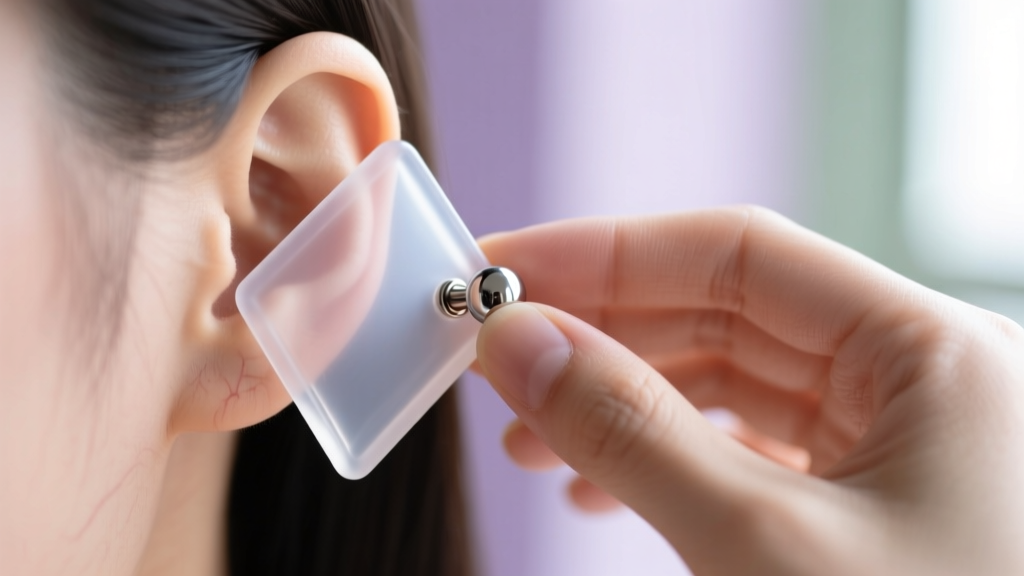
Align the barrel of the clutch back perfectly parallel to the earring post. Push the back on using a firm, straight motion. Never twist or screw the back on. Twisting acts like a reamer, slowly grinding away the microscopic friction grooves on the post and wearing down the internal tension tabs.
Step 3: Seat Past the First Groove
Push the back until you feel a distinct "click" as it passes the first groove, and continue pushing until it rests securely in the second groove. The earring should feel snug against the earlobe without compressing the tissue to the point of restricting blood flow. Leave roughly 1mm to 2mm of the post exposed past the back to allow for natural swelling and to prevent the post from poking the skin behind your ear.
Troubleshooting Stuck or Loose Clutch Backs
Even with perfect technique, mechanical issues arise. Here is how to handle the two most common problems without damaging your fine jewelry.
How to Remove a Stuck Clutch Back
If a back refuses to budge, it is likely cemented by calcified sebum. Do not use brute force, as this can bend the post or tear the earlobe.
- The Warm Soak: Fill a small glass bowl with warm distilled water and a single drop of mild, fragrance-free dish soap.
- Submerge: Tilt your head or use a soaked cotton pad held against the back of the earlobe for 10 to 15 minutes to soften the debris.
- The Wiggle-Pull: Gently grip the wings of the clutch back and wiggle it side-to-side (parallel to the earlobe) while pulling outward. This breaks the debris seal without stressing the post.
How to Tighten a Loose Metal Back
If your metal butterfly back slides on too easily, you can manually recalibrate the tension tabs.
- Wrap the jaws of a pair of flat-nose pliers in painter's tape or use nylon-jaw jewelry pliers to prevent scratching the metal.
- Gently grip the two outer wings of the clutch back.
- Apply a microscopic amount of inward pressure (squeezing the wings toward the central barrel by roughly 0.1mm).
- Test the fit on the post. Repeat only if necessary, as over-squeezing can snap the solder joints on cheaper cast backs.
Material Comparison: Upgrading Your Earring Backs
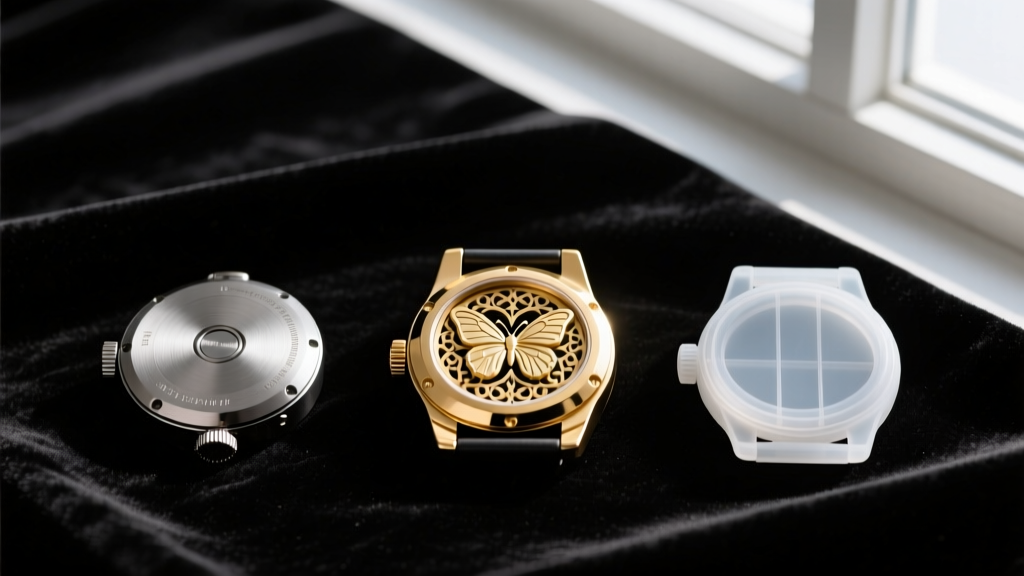
Not all clutch backs are created equal. The American Academy of Dermatology frequently warns against nickel-containing base metals in jewelry backs, which can trigger severe allergic contact dermatitis. Below is a comparison of the most common back types available on the market today.
| Back Type | Material | Tension Retention | Allergy Risk | Average Price (Per Pair) |
|---|---|---|---|---|
| Standard Butterfly | 14k Gold / Sterling Silver | Moderate (Degrades over time) | Low (if nickel-free) | $15 - $30 |
| Silicone Bullet | Medical-Grade Silicone | High (Excellent grip) | None | $5 - $10 |
| La Pousette (Locking) | 18k Gold / Platinum | Maximum (Mechanical lock) | None | $80 - $150 |
| Screw Back | Stainless Steel / Titanium | Maximum (Threaded) | Low (Use ASTM F136 Ti) | $20 - $45 |
Expert Recommendation: For high-value diamond studs or heavy gold hoops, upgrade to La Pousette locking backs. These feature a tiny internal spring mechanism that physically locks into the groove of the post, making accidental loss virtually impossible. For sensitive, newly pierced lobes, medical-grade silicone bullet backs offer superior comfort and eliminate metal allergy risks entirely.
Cleaning and Maintenance Routine for Longevity
Proper hygiene extends the life of your clutch back earrings and protects your ear health. The Gemological Institute of America (GIA) recommends regular, gentle cleaning to maintain both the structural integrity and the brilliance of fine jewelry.
What to Do:
- Weekly Wipe-Down: Use a lint-free microfiber cloth dampened with isopropyl alcohol (70% or higher) to wipe down the earring posts and the exterior of the clutch backs. This dissolves surface oils before they can calcify.
- Monthly Deep Clean: For diamond or sapphire studs, use an ultrasonic jewelry cleaner with a mild ammoniated solution for 3 minutes. The high-frequency sound waves will dislodge microscopic debris from inside the clutch back barrel.
- Proper Storage: Always store earrings with their backs attached in a fabric-lined jewelry box. Loose backs easily get lost in carpet fibers or sink drains.
What to Avoid:
- Harsh Chemicals on Porous Gems: Never put pearl, opal, or emerald stud earrings in an ultrasonic cleaner or expose them to alcohol. The vibrations can shatter the stones, and the chemicals will strip their natural luster. Clean these manually with a damp cloth.
- Toothpaste: Avoid using toothpaste to clean earring backs. The abrasive silica particles will scratch high-polish gold and platinum, creating microscopic grooves where bacteria can thrive.
When to Retire Your Clutch Backs
Clutch backs are not immortal. Even with meticulous care, metal fatigue will eventually compromise their grip. You should immediately replace your metal clutch backs if you notice any of the following warning signs:
- The back slides onto the post without any audible "click" or tactile resistance.
- One of the tension wings is visibly bent or asymmetrical.
- The central barrel shows signs of verdigris (green corrosion), which is common in lower-karat gold or brass alloys exposed to prolonged moisture.
- The earring frequently droops forward on the earlobe, indicating that the back can no longer support the weight of the front-facing setting.
By understanding the precise mechanics of your jewelry and adopting these professional maintenance habits, you can wear your favorite studs and hoops with absolute confidence, knowing they are secured safely against loss and damage.


