How to Style Piper K Olive Earrings: A Step-by-Step Guide
Master the art of ear stacking with our step-by-step guide to styling Piper K olive earrings. Learn metal pairings, gauge tips, and care routines.

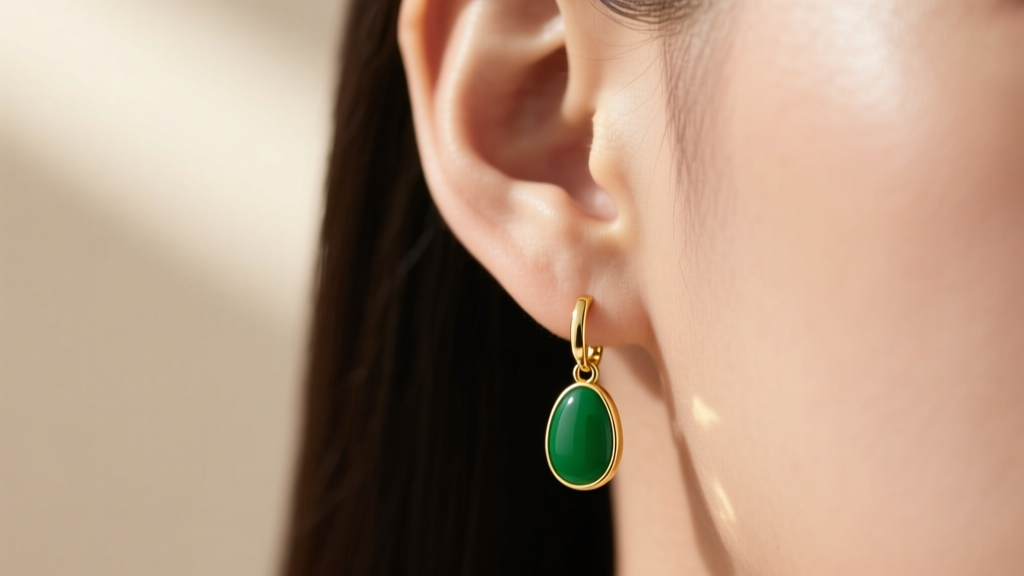
The Rise of Botanical Tones in Ear Curation
As we navigate the jewelry landscape of 2026, the industry has seen a definitive shift away from stark, icy stones toward earthy, botanical tones. At the forefront of this movement is the muted, sophisticated allure of olive green. Whether achieved through vitreous enamel, olive jade, or chrysoprase, this colorway offers a versatile neutrality that bridges the gap between everyday minimalism and statement-making curation. The Piper K olive earrings have emerged as a staple in this space, celebrated for their organic hue and artisanal craftsmanship. However, owning a standout piece is only half the equation; knowing how to integrate it into a cohesive ear stack requires an understanding of color theory, gauge compatibility, and material care. This step-by-step guide will walk you through the exact methodology for styling, stacking, and preserving your Piper K olive earrings.
Step 1: Analyze the Piper K Olive Specifications
Before placing any new jewelry into your ear stack, you must understand its physical and material anatomy. The Piper K olive earrings typically feature a 14k gold vermeil finish over a recycled brass or sterling silver base, accented with either cold enamel or a bezel-set chrysoprase cabochon. According to the Gemological Institute of America (GIA), chrysoprase is a cryptocrystalline form of chalcedony that owes its olive-to-apple green color to nickel inclusions. This means the stone itself is relatively durable (ranking 6.5 to 7 on the Mohs scale), but the gold vermeil plating requires specific handling. True gold vermeil must have a minimum gold thickness of 2.5 microns. This is significantly thicker than standard flash-plated jewelry (which often sits at 0.5 microns), giving the Piper K pieces a longer lifespan, provided they are not subjected to harsh friction or chemical exposure.
Understanding the Backing Mechanism
The longevity and comfort of your earrings also depend heavily on the backing mechanism. Piper K typically utilizes either classic butterfly friction backs or threaded flat-back labret studs for their cartilage-friendly pieces. Butterfly backs are ideal for standard lobe piercings but can trap moisture and dead skin cells against the ear, necessitating weekly cleaning. Flat-back labrets, usually featuring an internal thread or a push-fit pin, are vastly superior for cartilage or helix placements as they eliminate the sharp post tip that can scratch the skin during sleep. If your Piper K olive earrings come with a standard post, consider upgrading to a silicone or 14k gold flat-back converter for enhanced daily comfort.
Step 2: Strategic Placement and Ear Stacking
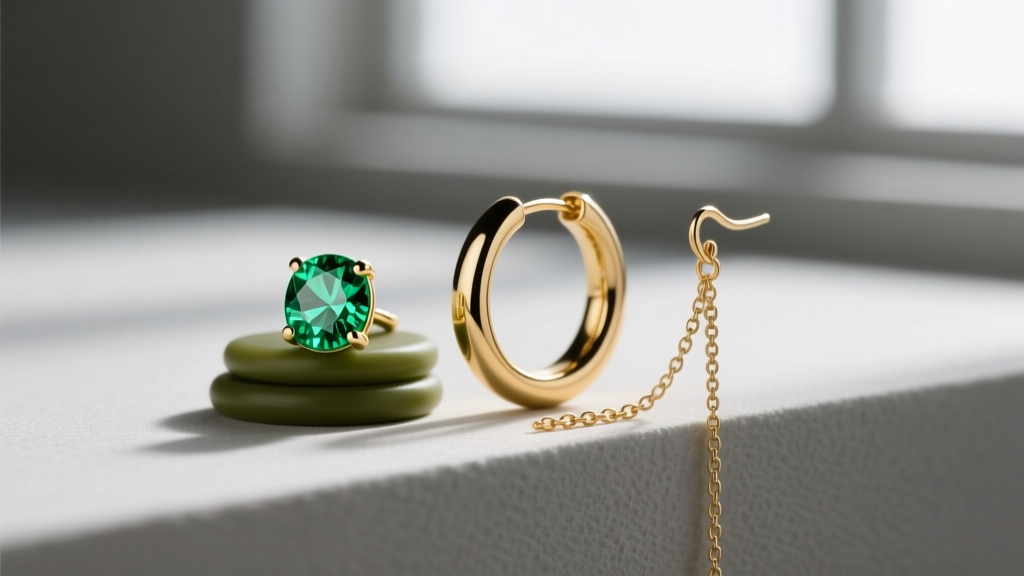
The placement of your olive earrings dictates the balance of your entire ear curation. Because olive is a visually "heavy" and grounding color, it works best as the anchor piece in your stack. If your Piper K earrings are drops or dangles, they must occupy the primary lobe piercing (the lowest hole). If they are studs or huggies, they can serve as the focal point in the upper lobe or lower cartilage (helix). To build a harmonious stack around this anchor, follow the "Rule of Three": pair the olive statement piece with two supporting elements that vary in size and texture. For example, if the Piper K earring is a textured olive enamel drop, balance it with a delicate, high-polish 14k gold chain earring in the second hole, and a tiny, flush-set diamond or white sapphire stud in the third. This creates a cascading visual weight that draws the eye upward without overwhelming the ear.
Adapting the Stack to Your Face Shape
The visual weight of an olive drop earring can subtly alter the perceived proportions of your face. For those with round or heart-shaped faces, elongated olive dangles create a vertical line that visually slims and lengthens the jawline. Conversely, if you have a long or oval face, opt for the Piper K olive huggies or wider, geometric olive studs. These add horizontal volume and balance the facial proportions without dragging the features downward. Always consider the interplay between the earring's silhouette and your natural bone structure before finalizing your stack.
The Gauge Compatibility Check
A critical, often overlooked step in ear stacking is gauge matching. Standard primary lobe piercings are typically pierced at 20G (0.81mm) or 18G (1.02mm), while cartilage piercings (helix, tragus, conch) are usually done at 16G (1.29mm). The Piper K olive earrings are predominantly crafted with 18G posts. If you attempt to force an 18G post into a fully healed 16G cartilage fistula, you risk micro-tearing the tissue, which can lead to irritation bumps and hypertrophic scarring. Always verify the gauge of your specific Piper K piece before attempting to wear it in secondary or cartilage piercings. If you experience resistance, stop immediately and opt for a different location.
Step 3: Metal and Gemstone Pairing Matrix
Olive green sits uniquely on the color wheel. As a muted, yellow-based green, it shares warm undertones that pair exceptionally well with specific metals and contrasting stones. To help you curate the perfect supporting cast for your Piper K earrings, refer to the pairing matrix below.
| Metal Tone | Best Gemstone Pairings | Aesthetic Vibe |
|---|---|---|
| Yellow Gold (14k/18k) | Pearl, Citrine, Champagne Diamond | Warm, Vintage, Earthy |
| Rose Gold (14k) | Morganite, Pink Sapphire, Moonstone | Romantic, Soft, Botanical |
| Oxidized Silver | Labradorite, Black Spinel, Onyx | Moody, Grunge, Avant-Garde |
When stacking, avoid placing stark, icy-white diamonds directly adjacent to the olive tone without a metallic buffer, as the high contrast can sometimes make the olive enamel or stone appear muddy. Instead, use warm-toned stones like citrine or organic materials like freshwater pearls to bridge the visual gap.
Step 4: Preservation and Daily Care Protocol
Maintaining the rich olive hue and the integrity of the gold vermeil requires a disciplined care routine. The Jewellers of America strongly advises against using ultrasonic cleaners or harsh chemical dips on any gold-plated or vermeil jewelry, as the high-frequency vibrations and acidic solutions will strip the 2.5-micron gold layer, exposing the base metal beneath. Furthermore, if your Piper K earrings feature cold enamel, exposure to extreme heat or sudden temperature changes can cause the enamel to crack or craze.
"The golden rule of vermeil care is to put your jewelry on last and take it off first. Lotions, perfumes, and hairsprays contain alcohols and oils that degrade the gold-to-silver molecular bond over time."
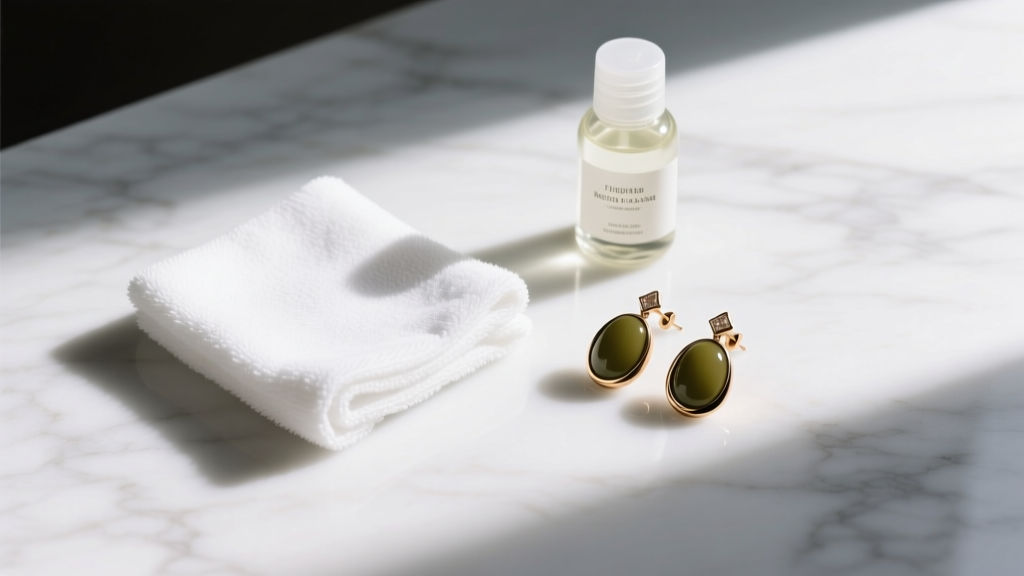
For routine cleaning, use a lint-free microfiber cloth to gently buff the gold components. If the olive stone or enamel becomes cloudy from skin oils, dampen a soft cotton swab with warm water and a drop of pH-neutral dish soap, gently wipe the surface, and immediately dry it with a separate cloth. Store the earrings in an anti-tarnish pouch away from direct sunlight to prevent the olive pigments from fading.
Troubleshooting Fit, Comfort, and Irritation
Even the most beautifully designed earrings can present physical challenges. A common issue with statement drops like the Piper K olive dangles is "earlobe droop," where the weight of the earring pulls the piercing downward, causing the piece to face the floor rather than sitting flush against the ear. To solve this, invest in silicone earring lifters (such as the brand EarLifters) or use jumbo silicone friction backs. These provide a wider surface area of support behind the earlobe, distributing the weight evenly and keeping the earring upright.
Additionally, if you experience itching, redness, or flaking around the piercing site, you may be reacting to the base metal. While high-quality vermeil uses sterling silver or brass, some vintage or improperly manufactured batches may contain trace nickel. The Mayo Clinic notes that nickel contact dermatitis is one of the most common jewelry-related allergies. If you suspect a reaction, remove the earrings immediately, clean the area with a saline solution, and consider having a local jeweler coat the posts with a medical-grade rhodium barrier or switch to solid 14k gold alternatives.
Final Styling Thoughts
Mastering the art of the ear stack is an ongoing process of experimentation and refinement. By treating your Piper K olive earrings as the foundational anchor of your curation, respecting gauge limitations, and adhering to a strict vermeil care protocol, you ensure that this botanical statement piece remains a vibrant, enduring part of your jewelry wardrobe for years to come.


