How to Safely Wear Invisible Earrings: A Step-by-Step Guide
Learn how to safely switch to invisible earrings for healing, sports, or work. Step-by-step guide on materials, gauge sizes, and insertion tips.

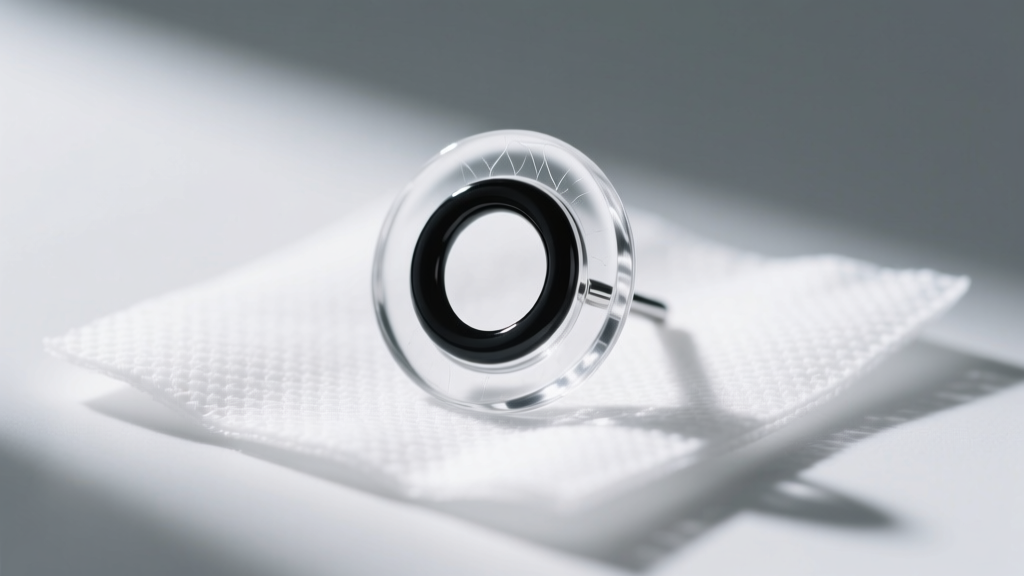
Whether you are navigating a strict corporate dress code, preparing for an MRI scan, or trying to keep a fresh fistula open during contact sports, invisible earrings are a vital tool in any jewelry collection. Often referred to as retainers, these discreet pieces are designed to maintain your piercing channel while remaining virtually undetectable. However, not all invisible earrings are created equal, and inserting them incorrectly can lead to irritation bumps, migration, or severe tissue damage.
In this comprehensive guide, we break down the material science behind clear retainers, provide exact gauge conversions, and offer a professional step-by-step insertion method to ensure your piercings remain healthy, stable, and hidden.
Why Switch to Invisible Earrings?
The decision to swap out your standard titanium or gold jewelry for an invisible retainer usually stems from one of four practical necessities:
- Conservative Workplaces: Many corporate or food-service environments prohibit visible facial and cartilage jewelry. A glass or PTFE retainer allows you to comply with HR policies without letting your hard-earned piercings close.
- Medical Procedures: The FDA mandates the removal of ferromagnetic metals before an MRI. While titanium is generally MRI-safe, it can still cause artifacting on the scan. Glass retainers eliminate this issue entirely.
- Contact Sports: Athletic commissions and school districts frequently ban metal jewelry to prevent tearing. Flexible retainers reduce the risk of traumatic avulsion.
- Healing and Irritation: If you are experiencing a metal allergy (even to lower-grade steel), switching to biocompatible glass or PTFE can give the tissue time to calm down.
Material Breakdown: What Are Invisible Earrings Made Of?
The term 'invisible earrings' encompasses several different materials, but only two are considered safe for long-term wear by the Association of Professional Piercers (APP). Acrylic and silicone are widely sold online but pose significant risks to your tissue.
| Material | Grade/Type | Pros | Cons | Best Use Case |
|---|---|---|---|---|
| Fused Quartz Glass | Non-porous, rigid | 100% biocompatible, autoclavable, completely non-porous, MRI safe. | Rigid (hard to insert in curved fistulas), fragile if dropped. | Fresh piercings, long-term wear, MRI scans. |
| PTFE (BioFlex) | Medical-grade plastic | Flexible, autoclavable, lightweight, comfortable for sports. | Slightly porous over time, can warp if exposed to high heat. | Healed piercings, sports, curved fistulas. |
| Acrylic | PMMA plastic | Cheap, widely available. | Leaches toxic monomers, cracks easily, highly porous. | Avoid entirely (unsafe for internal wear). |
| Silicone | Medical-grade elastomer | Very soft, flexible. | Traps bacteria, swells with temperature changes, causes blowouts. | Avoid for standard piercings. |
The Danger of Acrylic Retainers
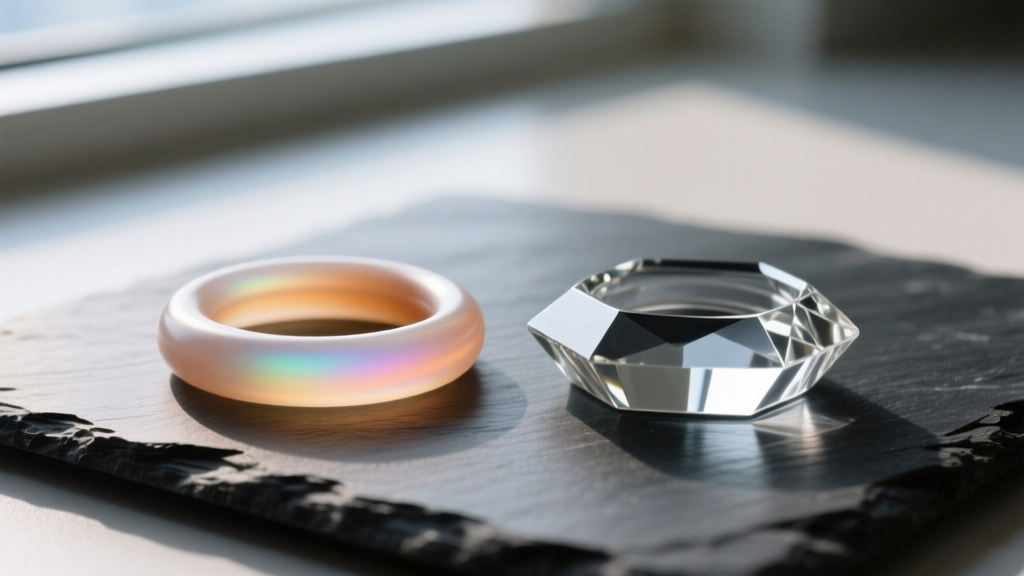
Acrylic is a common culprit behind mysterious irritation bumps and contact dermatitis. When exposed to the warm, moist environment of a healing fistula, acrylic can degrade and leach methyl methacrylate (MMA) monomers into the tissue. Furthermore, acrylic is highly porous at a microscopic level, meaning it harbors bacteria that cannot be cleaned away with saline. Always opt for fused quartz glass or PTFE.
Sizing and Gauge Rules You Must Follow
Understanding exact gauge sizes is critical when purchasing invisible earrings. Because glass and PTFE lack the structural integrity of implant-grade titanium at extremely thin diameters, you will rarely find high-quality glass retainers in standard 20G or 18G sizes.
- 20G (0.81mm) & 18G (1.02mm): Standard lobe sizes. If you need an invisible earring this thin, you must use PTFE (BioFlex), as glass this thin will snap under minor pressure.
- 16G (1.29mm): The standard for cartilage piercings (helix, tragus, conch). Both glass and PTFE are available in this size, though glass requires careful handling.
- 14G (1.63mm): Common for industrial scaffolds, daiths, and some lobes. Fused quartz glass excels at this thickness, providing excellent rigidity and smooth insertion.
Pro Tip: Never force a 14G glass retainer into an 18G piercing. Always respect your original piercing gauge to prevent tissue tearing and blowouts.
Step-by-Step Guide: How to Insert an Invisible Retainer
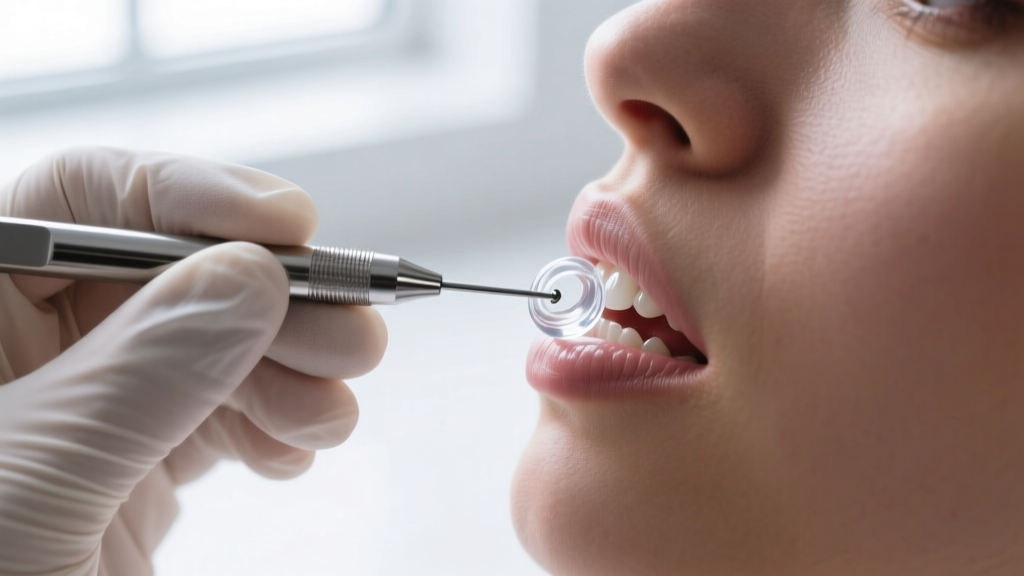
Inserting a retainer is fundamentally different from inserting a standard metal labret stud or hoop. Because invisible earrings lack flat backings or threaded ends, they rely on a friction-fit O-ring system and require a specific insertion technique.
Step 1: Preparation and Hygiene
Wash your hands thoroughly with antibacterial soap and don a pair of nitrile gloves. Glass and PTFE retainers are slippery; gloves provide the necessary grip. Cleanse the piercing site with a sterile 0.9% sodium chloride wound wash. Do not use alcohol or hydrogen peroxide, as these will dry out the fistula and cause micro-tears during insertion.
Step 2: Lubrication
Unlike metal jewelry, glass and PTFE create high friction against dry tissue. Apply a minuscule drop of pure, cold-pressed jojoba oil or a water-based personal lubricant to the tip of the retainer. Avoid petroleum-based products (like Vaseline), which can degrade PTFE over time and trap bacteria inside the piercing channel.
Step 3: The Taper Method (Crucial for Glass)
If your piercing is fully healed but slightly tight, do not force the retainer. Use a stainless steel insertion taper that matches your gauge. Lubricate the taper, gently slide it through the fistula until the end is flush with the exit hole, and then press the glass retainer directly against the back of the taper, pushing them through together. This creates a seamless bridge and prevents the blunt edge of the glass from catching on the delicate tissue.
Step 4: Securing the O-Rings
Once the retainer is centered in the piercing, slide the silicone or nitrile O-rings onto the grooved ends of the jewelry. Ensure the O-rings are seated deeply in the grooves. If they sit too close to the edge, the jewelry will slide out while you sleep. Trim any excess length from flexible PTFE retainers using clean, sterilized wire cutters, leaving just enough room for the O-ring to grip securely.
Troubleshooting Common Invisible Earring Issues
Even with perfect technique, you may encounter a few hurdles when transitioning to invisible earrings. Here is how to solve the most frequent problems:
- The Retainer Keeps Slipping Out: This is usually caused by O-ring failure or swelling. Swap standard silicone O-rings for nitrile O-rings, which offer superior grip and resist degradation from skin oils. Alternatively, use a retainer with a slightly wider groove.
- Irritation Bumps After Switching: If a bump forms immediately after inserting a glass retainer, it is likely due to insertion trauma (pushing too hard without a taper) or an angle mismatch. Glass is rigid; if your fistula healed at a slight curve, a straight glass bar will exert constant pressure on the tissue. Switch to flexible PTFE to accommodate the curve.
- PTFE Discoloration: Over time, PTFE can absorb skin oils and turn slightly yellow or cloudy. This is normal and does not mean the jewelry is infected, but it is a sign that the material has reached the end of its lifespan and should be replaced.
Expert Aftercare and Maintenance
Caring for invisible earrings requires a slightly different approach than metal jewelry. For fused quartz glass, you can remove the jewelry and boil it in distilled water for 10 minutes to fully sterilize it. However, never boil PTFE. High heat will warp the plastic, altering its shape and making it impossible to reinsert.
For daily cleaning of invisible earrings left in the ear, continue using sterile saline spray twice a day. Avoid spraying harsh chemicals, essential oils, or alcohol-based cleansers directly onto the jewelry, as these can compromise the structural integrity of the O-rings and the surface polish of the glass. By respecting the material limits and following precise insertion protocols, your invisible earrings will keep your piercings secure, healthy, and perfectly hidden for years to come.


