What Are Tanjiro's Earrings Called? How to Wear Hanafuda Styles
Discover what Tanjiro's earrings are called and learn how to safely wear, size, and style Hanafuda dangles for cosplay or daily use.

The Heirloom of the Kamado Family: Answering the Question
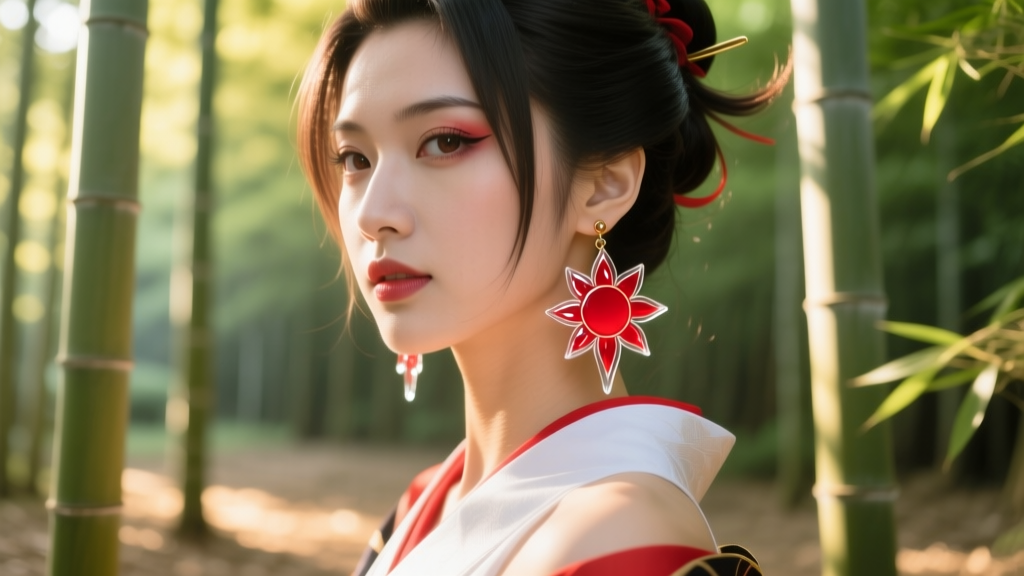
If you have been searching the internet asking, what are tanjiro's earrings called, the answer is Hanafuda earrings. In the hit anime and manga series Demon Slayer: Kimetsu no Yaiba, the protagonist Tanjiro Kamado wears a pair of distinctive, rectangular dangle earrings featuring a red rising sun motif. These are modeled after Hanafuda cards, which are traditional Japanese playing cards dating back to the 16th century. Within the lore of the series, these earrings are a sacred Kamado family heirloom passed down through generations, symbolizing the legacy of the Sun Breathing technique.
As we navigate the 2026 anime jewelry market, Hanafuda earrings have transcended pure cosplay to become a staple in alternative and geek-chic fashion. However, transitioning these iconic dangles from a convention floor to everyday wear requires a deep understanding of jewelry materials, gauge sizing, and lobe health. Cheaply manufactured anime merchandise is notorious for causing contact dermatitis and lobe tearing. This step-by-step guide will teach you how to select, fit, and style Hanafuda earrings safely and elegantly.
Step 1: Decoding Materials and Avoiding the 'Anime Merch' Trap
The most critical mistake buyers make when purchasing Hanafuda earrings is prioritizing the visual design over the base metal. Many mass-produced cosplay accessories are stamped from cheap brass or zinc alloys and plated with a microscopic layer of silver or gold. When exposed to sweat and natural skin oils, these metals oxidize rapidly, leaving a green residue on the neck and triggering severe nickel allergies.
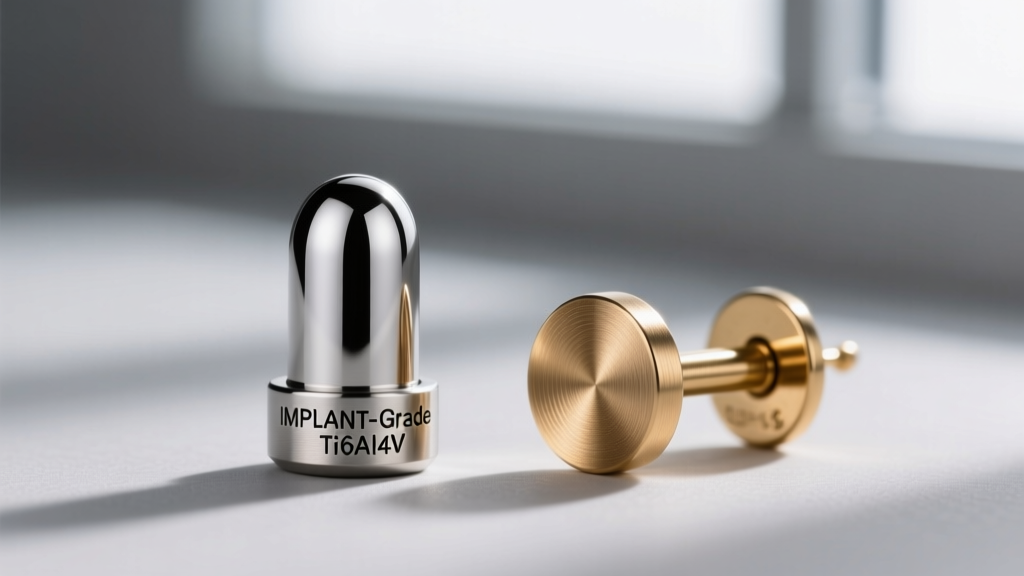
According to the Association of Professional Piercers, implant-grade titanium (ASTM F136) and niobium are the only universally safe metals for prolonged skin contact. When shopping for Hanafuda earrings, you must evaluate the material of the post, not just the decorative face.
| Material | Weight | Allergy Risk | Best Use Case | Price Range |
|---|---|---|---|---|
| Acrylic / Resin | Ultra-Light | Low (if titanium post) | Long-duration cosplay, heavy dangles | $8 - $15 |
| Enamel on Brass | Heavy | High (Nickel/Copper) | Short-term wear, photo shoots only | $5 - $12 |
| Enamel on Titanium | Medium | None (Hypoallergenic) | Daily wear, sensitive lobes | $35 - $65 |
| Carved Wood | Light | None (Check post metal) | Traditional aesthetics, casual wear | $15 - $30 |
Step 2: Navigating Gauge Sizes and Piercing Safety
Standard ear lobe piercings done with a professional needle are typically 18-gauge (1.0mm) or 16-gauge (1.2mm), while standard commercial earrings sold in mall kiosks are usually 20-gauge (0.8mm). The problem with mass-market Hanafuda dangles is that manufacturers often use poorly calibrated, thick wire posts that measure closer to 14-gauge (1.6mm) but are sold as 'one size fits all'.
Forcing a thick, rough-finished post into a standard 20G or 18G lobe piercing causes micro-tears in the fistula (the piercing channel). Over time, the heavy weight of the Hanafuda card combined with this friction leads to the 'cheese-cutter effect,' where the earring slowly migrates downward, permanently stretching and thinning the bottom of the earlobe.
How to Measure and Match Your Gauge
- Verify the Post Thickness: Use a digital caliper to measure the post of your new Hanafuda earrings before inserting them. If it exceeds 1.0mm (18G), do not force it into a standard lobe piercing.
- Look for Internally Threaded or Threadless Posts: High-quality Hanafuda jewelry makers will use a threadless titanium push-pin post. This ensures the decorative card face sits flush against the lobe without dragging a screw thread through the healing tissue.
- Check for Seam Lines: Run your fingernail along the metal post. If you feel a sharp, raised vertical line, it is a cheaply stamped wire that will harbor bacteria and scrape the piercing. Discard or replace the post immediately.
Step 3: Securing the Backing for Active Cosplay
Tanjiro is a highly active character, and if you are wearing Hanafuda earrings at a multi-day anime convention, your jewelry needs to survive crowds, costume changes, and constant movement. The standard 'butterfly clutch' backing is entirely inadequate for rectangular dangle earrings. The large surface area of the Hanafuda card catches the wind and snags on clothing, easily pulling a standard friction backing right off the ear.
The Best Backings for Hanafuda Dangles
To prevent losing your favorite pair in a crowded dealer's hall, upgrade your backings using this hierarchy of security:
- Threadless Labret Backs (Top Tier): The tension of the bent pin inside the hollow post guarantees the earring will not fall out, even if the card snags on a wig.
- Silicone O-Rings (Mid Tier): If your Hanafuda earrings have a standard straight wire post, slide a 2mm thick silicone O-ring onto the back. The high friction of the silicone grips the wire far better than metal or plastic clutches.
- Locking Ear Wires (For Hook Styles): If your Hanafuda cards are hung from French hooks, you must use a small plastic earring stopper or a silicone 'monkey clutch' behind the lobe to prevent the hook from sliding forward and out of the piercing.
Step 4: Adapting Hanafuda Styles for Everyday 2026 Wear
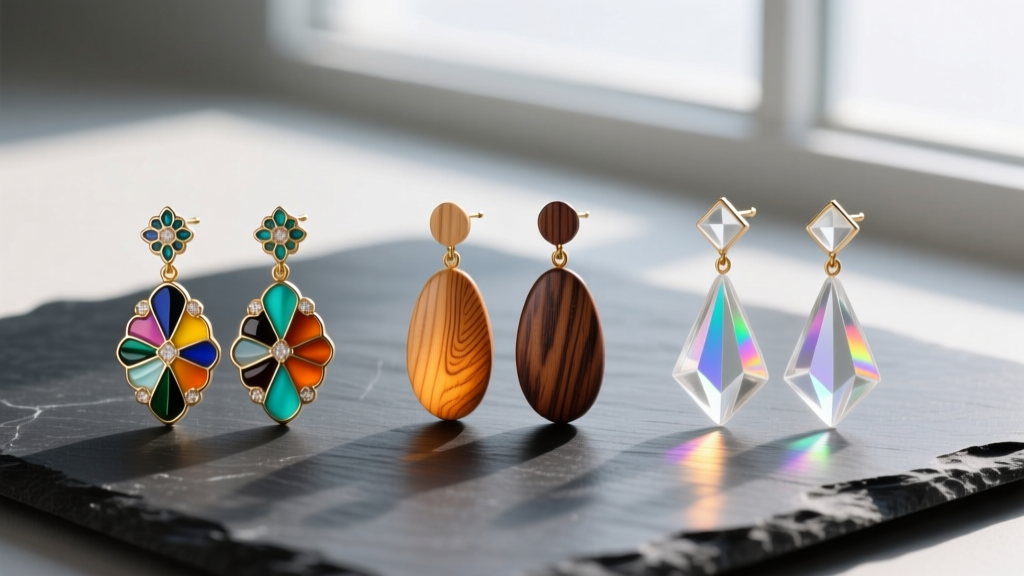
While full-sized, 2.5-inch Hanafuda dangles are perfect for cosplay, they can be overwhelming for a casual office environment or daily streetwear. The key to integrating this iconic design into your everyday rotation is scaling and subtlety.
It is also worth noting the cultural weight of the design. As reported by Anime News Network, the rising sun motif on the earrings has historical sensitivities in several Asian countries, leading to official design alterations in regional broadcasts. When wearing these globally, being mindful of the design variations—such as the red sun with radiating lines versus a solid red circle over a gray mountain base—shows cultural awareness and respect.
Styling Frameworks for Daily Integration
- The Minimalist Stud: Opt for 8mm Hanafuda enamel studs instead of dangles. These sit flush on the earlobe, offering a subtle nod to the Kamado family without the swinging motion of a dangle.
- The Huggie Charm: Purchase a pair of 12mm titanium huggie hoops and attach a micro-Hanafuda charm (roughly 10mm in length) to the hinge. This blends modern minimalist jewelry trends with anime aesthetics seamlessly.
- The Asymmetrical Approach: Wear a single, high-quality wooden Hanafuda dangle in one ear, paired with a simple, flush-fit titanium labret stud in the opposite ear. This creates an edgy, contemporary silhouette that balances the visual weight of the traditional card design.
Final Fitting and Care Checklist
Before you step out wearing your Hanafuda earrings, run through this quick maintenance checklist to ensure longevity and lobe health:
- Clean the Enamel/Acrylic: Wipe the face of the earring with a microfiber cloth and a dab of isopropyl alcohol to remove fingerprints and skin oils that dull the red pigment.
- Inspect the Jump Ring: The tiny metal ring connecting the card to the post is the most common failure point. Use two pairs of jewelry pliers to ensure the jump ring is closed flush, with no visible gap for hair to catch on.
- Lobe Support: If you are wearing heavy brass or wood Hanafuda dangles for more than four hours, apply a small, clear silicone lobe support patch behind the ear to distribute the weight and prevent stretching.
Understanding what Tanjiro's earrings are called is just the first step. By prioritizing implant-grade metals, respecting gauge tolerances, and adapting the scale for your lifestyle, you can honor the legacy of the Sun Breather without sacrificing your ear health or personal style.


