Hydrogen Peroxide for Cleaning Earrings: Safe Materials Buying Guide
Discover which earring materials survive hydrogen peroxide for cleaning earrings. Our buying guide covers titanium, gold, and gems to avoid damage.

The Chemistry of Sanitization: Why Material Choice Matters
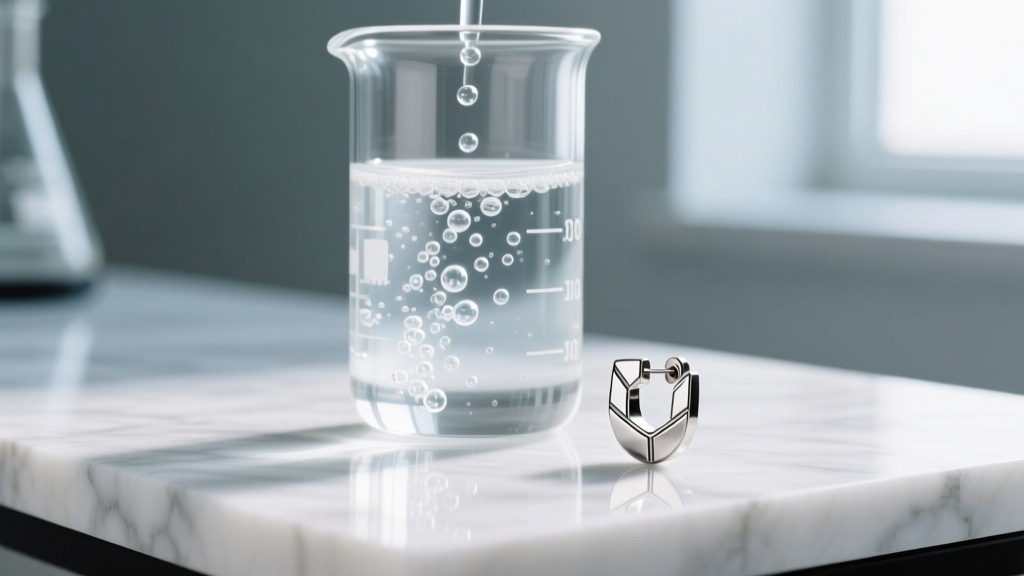
When building a curated earring wardrobe, maintenance is just as critical as aesthetics. Many jewelry wearers turn to hydrogen peroxide for cleaning earrings because of its effervescent, deep-cleaning action. The bubbling release of oxygen is highly effective at breaking down sebum, dead skin cells, and organic buildup that accumulates in earring posts, hinge mechanisms, and gemstone settings. However, as an oxidizing agent, hydrogen peroxide (H2O2) initiates chemical reactions that can permanently ruin certain metals and gemstones.
If your preferred sanitization method involves a 3% household hydrogen peroxide soak, your purchasing decisions must be guided by metallurgical compatibility. Buying the wrong material will result in rapid tarnishing, stripped plating, or shattered gemstones. This guide breaks down exactly what to look for when buying earrings that can safely withstand oxidative cleaning, ensuring your investment remains pristine and hypoallergenic.
Top-Tier Materials Safe for H2O2 Cleaning
When shopping for low-maintenance, highly sanitizable earrings, you must prioritize inert metals and non-porous stones. Here are the specific material grades you should look for in product descriptions.
Implant-Grade Titanium (ASTM F136)
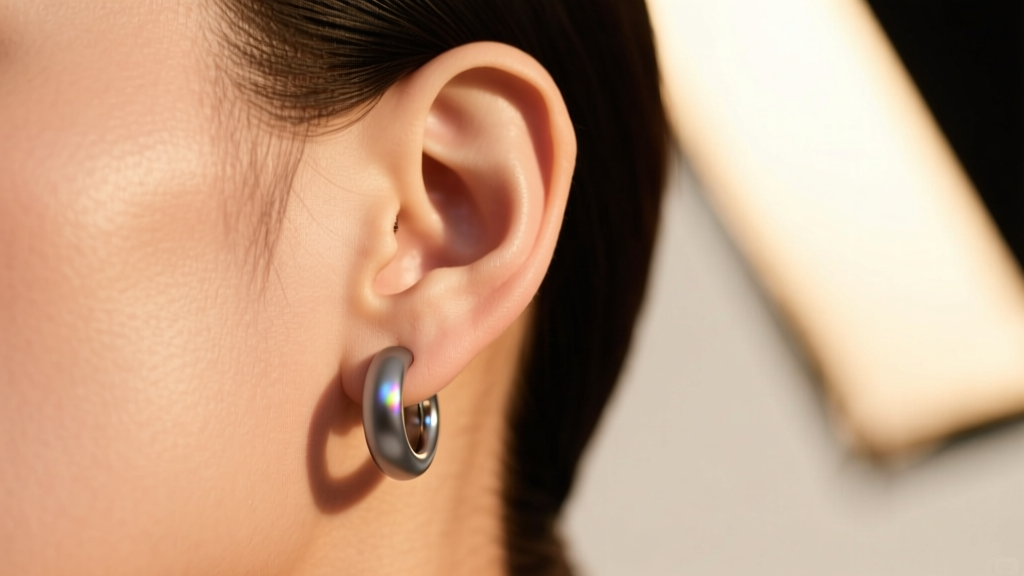
Titanium is the undisputed champion of oxidative resistance. According to the Association of Professional Piercers (APP), implant-grade titanium (specifically ASTM F136) is completely biocompatible and inert. When exposed to hydrogen peroxide, the metal's natural passive oxide layer simply reinforces itself. You can soak 16g or 14g titanium cartilage hoops and labret studs in H2O2 for up to 20 minutes without any risk of corrosion, pitting, or discoloration. What to look for: Ensure the product explicitly states 'ASTM F136' or 'Implant-Grade.' Commercially pure (CP) titanium is also safe but slightly softer. Expect to pay between $25 and $80 for high-quality titanium body jewelry.
Solid Gold (14k and 18k)
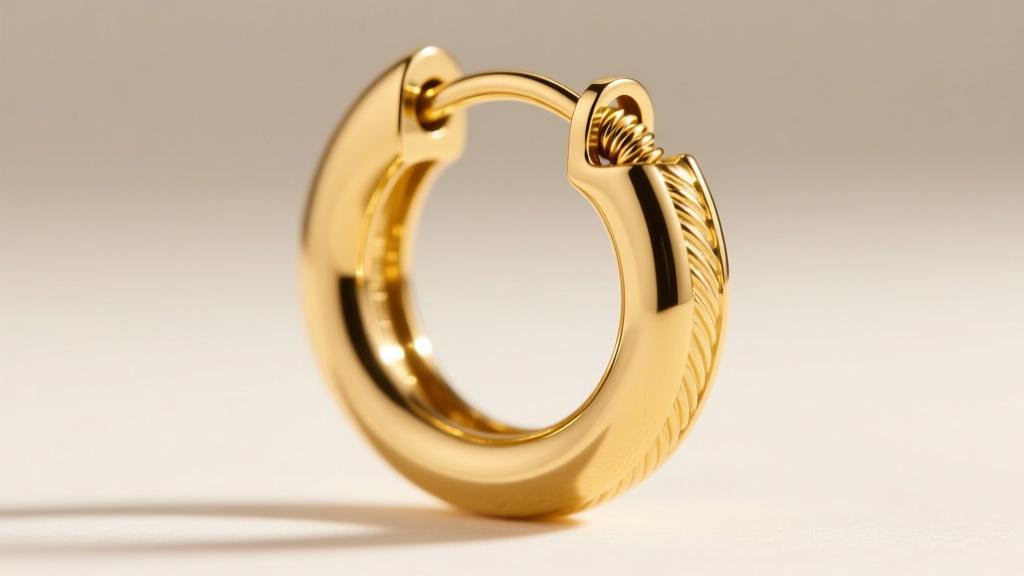
Solid gold is highly resistant to tarnish, but it is an alloy. 14k gold contains 58.5% gold mixed with copper, silver, and zinc, while 18k contains 75% gold. Hydrogen peroxide is generally safe for solid gold earrings, provided the soak time is limited. The oxidizing agent will effectively lift organic gunk from intricate filigree work or diamond settings without harming the gold itself. However, prolonged soaking (over 15 minutes) can theoretically weaken the structural integrity of delicate prongs over years of repeated exposure. What to look for: 'Solid 14k' or 'Solid 18k' stamped jewelry. Avoid 'gold-filled' or 'gold vermeil' if you plan to use H2O2, as the bubbling action can lift the outer gold layer from the brass or silver core. Pricing for solid gold huggies and studs typically ranges from $150 to $600.
Platinum (950 Pt)
Platinum is incredibly dense and chemically inert. A 950 Pt stamp means the piece is 95% pure platinum. It will not react negatively to hydrogen peroxide, making it an excellent, albeit expensive, choice for heirloom-quality diamond studs that require rigorous sanitization. Price Range: $400 to $2,000+.
The Danger Zone: Materials to Avoid
If hydrogen peroxide is your go-to cleaning solution, you must strictly avoid the following materials. The chemical reaction between H2O2 and these substances will cause immediate, often irreversible damage.
- Sterling Silver (925): This is the most common mistake consumers make. Sterling silver is 92.5% silver and 7.5% copper. Hydrogen peroxide aggressively oxidizes the copper alloy, causing the silver to turn black almost instantly. While this tarnish can sometimes be polished out, it ruins the finish of matte or textured silver earrings.
- Gold-Plated and Vermeil Jewelry: The oxidative bubbling of H2O2 creates micro-abrasions that will strip thin layers of gold plating right off the base metal, leaving you with raw, tarnish-prone brass or copper.
- Porous and Fracture-Filled Gemstones: The Gemological Institute of America (GIA) warns against using harsh chemicals on organic or porous gems. Pearls, opals, turquoise, and emeralds will absorb the peroxide, leading to internal fracturing, loss of luster, and permanent cloudiness. Stick to diamonds, sapphires, and rubies (corundum) if you want to soak your gemstone earrings.
Material Compatibility Chart for Hydrogen Peroxide
Use this quick-reference table when evaluating earring listings online or in-store to ensure your purchase aligns with your cleaning habits.
| Material Grade | H2O2 Safety | Max Soak Time | Ideal Gauge Sizes | Avg. Price Range |
|---|---|---|---|---|
| ASTM F136 Titanium | Excellent | 20 Minutes | 16g, 14g, 18g | $25 - $85 |
| Niobium (Anodized) | Excellent | 15 Minutes | 16g, 18g, 20g | $20 - $60 |
| Solid 14k / 18k Gold | Good | 10 Minutes | 20g, 18g | $150 - $600 |
| 950 Platinum | Excellent | 15 Minutes | 20g, 18g | $400 - $2,000+ |
| 925 Sterling Silver | Dangerous | Do Not Soak | 20g, 18g | $30 - $150 |
| Gold Vermeil / Plated | Dangerous | Do Not Soak | N/A | $20 - $90 |
Step-by-Step Sanitization Protocol for Safe Materials
Once you have purchased H2O2-safe earrings, proper technique ensures you remove biofilm without damaging the jewelry's finish or your skin's microbiome.
- Pre-Rinse: Rinse the earrings under warm distilled water to remove surface-level dust and loose debris.
- The Soak: Submerge the earrings in a small glass beaker filled with standard 3% household hydrogen peroxide. Do not use higher concentrations (like 6% or 12% hair developer), as these are too aggressive and can cause skin burns if not thoroughly rinsed.
- Agitation: Let the earrings soak for 5 to 10 minutes. You will see bubbling; this is the peroxide breaking down organic matter. For stubborn buildup in hinge closures or threaded posts, gently agitate with a soft-bristled baby toothbrush.
- Neutralize and Dry: Remove the earrings and rinse them thoroughly under warm running water to halt the oxidative process. Pat completely dry with a lint-free microfiber cloth before storing or reinserting into your piercings.
A Note on Fresh Piercings
While hydrogen peroxide is excellent for sanitizing the jewelry itself, dermatologists and professional piercers universally advise against using it directly on healing flesh. H2O2 destroys healthy, newly forming fibroblast cells, delaying the healing process of fresh lobe or cartilage piercings. Always remove the jewelry from the ear before performing a peroxide soak, and rely on sterile saline spray for the actual piercing site.
Final Verdict: Building a Low-Maintenance Wardrobe
Choosing to use hydrogen peroxide for cleaning earrings is a highly effective way to maintain rigorous hygiene, especially for those who frequently swap jewelry or suffer from contact dermatitis triggered by trapped sebum. However, this cleaning method demands a disciplined buying strategy. By exclusively investing in ASTM F136 titanium, solid 14k/18k gold, 950 platinum, and pure niobium, you guarantee that your earrings will survive the oxidative bubbling process. Avoid the false economy of silver and plated metals, which will degrade upon first contact with peroxide. Ultimately, matching your metallurgical purchases to your maintenance habits is the hallmark of a truly informed jewelry collector.


