The Hypoallergenic Gift Guide to Prevent Earring Infections
Discover the ultimate hypoallergenic jewelry gift guide. Learn which materials prevent earring infections and find perfect, safe gifts for sensitive ears.

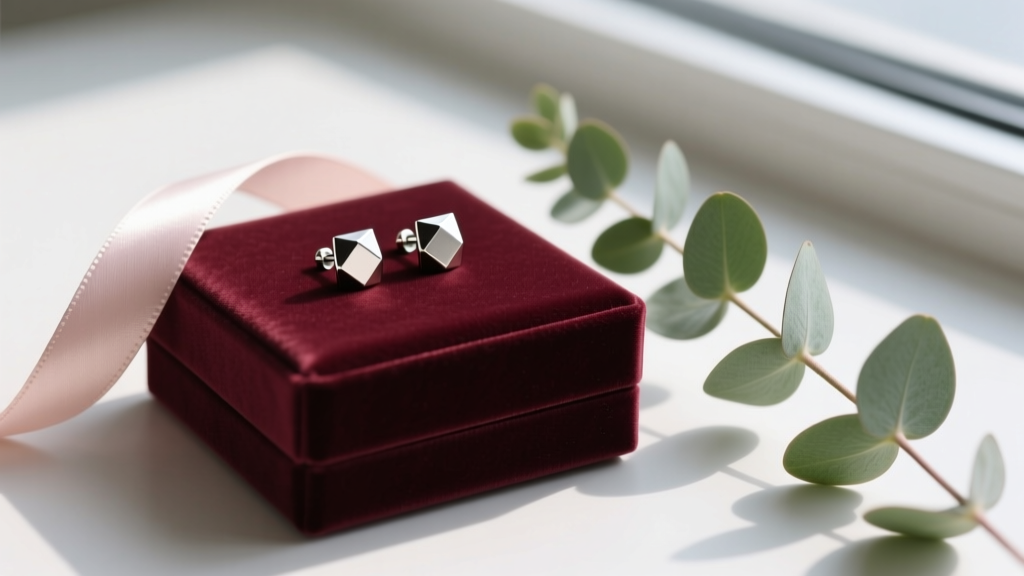
The Biology of Gifting: Why Material Matters
Gifting jewelry is a timeless gesture, but selecting the wrong metal can quickly turn a thoughtful present into a painful medical issue. Many well-meaning gift-givers unknowingly purchase earrings that trigger severe allergic reactions or create micro-fissures in the skin, paving the way for bacterial earring infections. To give a gift that is both beautiful and safe, you must understand the biological interaction between metal alloys and human tissue.
What most people casually refer to as 'earring infections' are frequently cases of allergic contact dermatitis. According to the American Academy of Dermatology, nickel allergy is the most common cause of contact dermatitis, affecting up to 18% of women in North America. When skin is exposed to nickel leaching from low-quality 'surgical steel' or brass alloys, the immune system mounts an inflammatory response. The resulting redness, weeping, and swelling mimic a bacterial infection. However, if left untreated, these weeping micro-tears do invite opportunistic pathogens like Staphylococcus aureus and Pseudomonas aeruginosa, transforming a simple allergy into a genuine, painful earring infection that requires antibiotics.
As a conscientious gift-giver, your primary goal is to eliminate nickel, copper, and zinc from the equation entirely. This requires looking past deceptive marketing terms like 'hypoallergenic'—which is largely unregulated—and instead demanding specific, verifiable material grades.
The Material Matrix: What to Buy (and Avoid)
The Association of Professional Piercers maintains strict guidelines on body-safe jewelry. When shopping for a gift, use this matrix to evaluate the materials on the product description page. If the retailer cannot confirm the exact alloy or grade, do not purchase it for someone with sensitive ears.
| Material Grade | Nickel Content | Infection / Allergy Risk | Average Price Range | Best Occasion |
|---|---|---|---|---|
| Implant-Grade Titanium (ASTM F136) | 0% | Negligible | $25 - $85 | First piercings, daily wear, active lifestyles |
| Niobium (99.9% Pure) | 0% | Negligible | $40 - $120 | Cartilage hoops, sensitive lobes, colorful anodized gifts |
| 14k / 18k Solid Yellow Gold | Trace (Alloy dependent) | Low (if high quality) | $150 - $500+ | Anniversaries, graduations, luxury milestones |
| 14k / 18k White Gold (Palladium alloy) | 0% | Negligible | $200 - $600+ | Weddings, high-end anniversaries |
| 'Surgical Stainless Steel' (316L) | 8% - 10% | High (Allergy & secondary infection) | $10 - $40 | Avoid for sensitive ears |
| Sterling Silver (925) | 0% (Contains 7.5% Copper) | Moderate (Tarnish causes irritation) | $20 - $100 | Avoid for unhealed or easily irritated piercings |
Expert Insight: Beware of the term 'Titanium Steel.' This is a marketing gimmick used by fast-fashion brands to describe stainless steel with a titanium-colored plating. It contains high levels of nickel and is a leading culprit behind stubborn earring infections. Always look for the 'ASTM F136' designation, which certifies the titanium is safe for surgical implants.
Occasion-Based Gift Guide for Sensitive Ears
Matching the jewelry style to the occasion is just as important as selecting the right metal. Here is how to navigate specific gifting milestones while prioritizing ear health.
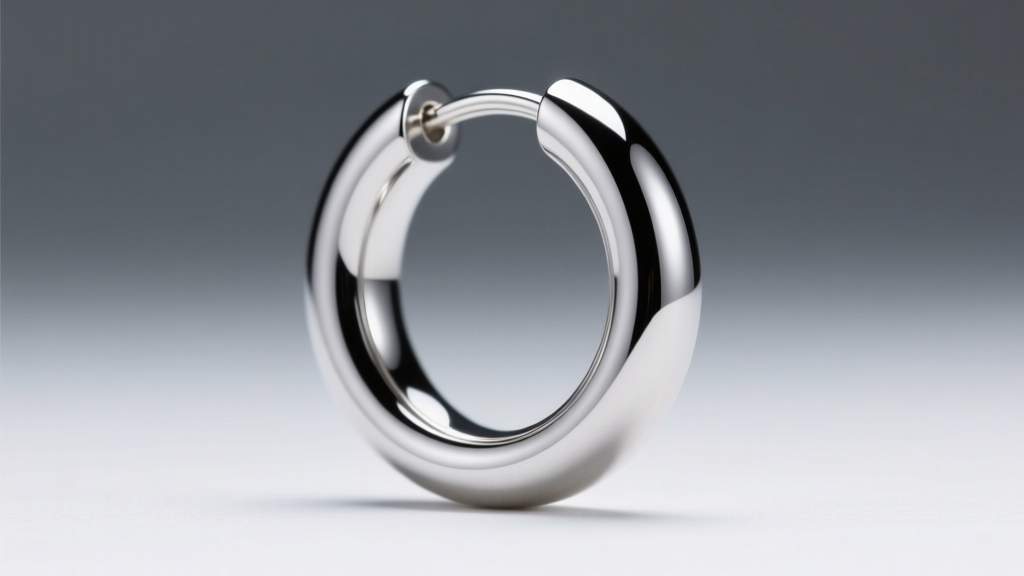
For the Newly Pierced: The 'First Ear Piercing' Gift
If you are gifting jewelry to a child or adult who has just had their ears pierced, the tissue is essentially an open wound. Gifting anything other than implant-grade titanium is a recipe for disaster. The perfect gift: A set of ASTM F136 titanium flat-back labret studs. Unlike traditional butterfly-back earrings, which trap dead skin cells, sebum, and bacteria against the earlobe (creating a breeding ground for earring infections), flat-backs sit flush against the tissue. Look for brands like Intrinsic Body or NeoMetal, which offer internally threaded or threadless push-fit ends that eliminate the sharp pins that tear healing fistulas.
For the Anniversary or Milestone: Luxury Without the Irritation
When the occasion calls for fine jewelry, gold is the traditional choice. However, not all gold is created equal. Pure 24k gold is too soft for body jewelry, so it must be alloyed. Yellow gold is generally safe, but white gold is notoriously problematic because it is frequently alloyed with nickel to achieve its silver hue. The perfect gift: 14k or 18k white gold that is explicitly alloyed with palladium instead of nickel. Palladium is a platinum-group metal that provides the same brilliant white finish without the risk of contact dermatitis. Brands like BVLA and Maria Taka specialize in high-end, palladium-based white gold and solid gold threadless ends that are both breathtaking and biologically inert.
For the Trendsetter: Cartilage and Curated Ears
Curated ear projects (multiple cartilage piercings) are incredibly popular, but cartilage is highly avascular, meaning it heals slowly and is highly susceptible to irritation bumps that are often mistaken for earring infections. The perfect gift: 99.9% pure Niobium seamless hoops or clickers. Niobium is an elemental metal, meaning it cannot be alloyed with nickel. It is also highly malleable, allowing the wearer to gently adjust the hoop for a perfect fit without snapping the metal. Furthermore, niobium can be anodized using electricity to produce stunning, permanent colors like deep purples, teals, and golds without using toxic dyes or plating that can flake off into the piercing channel.
Gauge Sizing and Anatomy: The Hidden Culprit of Irritation
Even if you purchase the purest titanium on earth, the earring can still cause earring infections if the gauge (thickness) is incorrect. Gauge sizing is a critical, often overlooked aspect of jewelry gifting.
- Standard Earlobes: Usually pierced at 18G (1.0mm) or 16G (1.2mm) by professionals, though mall kiosks often use 20G (0.8mm) guns.
- Cartilage (Helix, Conch, Tragus): Standardized at 16G (1.2mm) or 14G (1.6mm).
If you gift a delicate 20G wire hoop to someone with a 16G cartilage piercing, the thin wire will slide back and forth excessively in the larger hole. This constant friction causes micro-trauma to the fistula (the skin tube lining the piercing). This mechanical irritation leads to hypertrophic scarring (irritation bumps) and creates pathways for bacteria to enter, resulting in secondary earring infections. Always check the recipient's gauge size before purchasing. If you are unsure, a threadless titanium end with a 16G universal post is the safest bet for most modern cartilage piercings.
The Ultimate 'Safe Ear' Aftercare Gift Basket
Sometimes, the best gift for someone prone to earring infections isn't jewelry at all, but a premium aftercare kit. This is an incredibly thoughtful, practical gift for anyone who has recently committed to a new piercing project or struggles with chronic ear sensitivity.
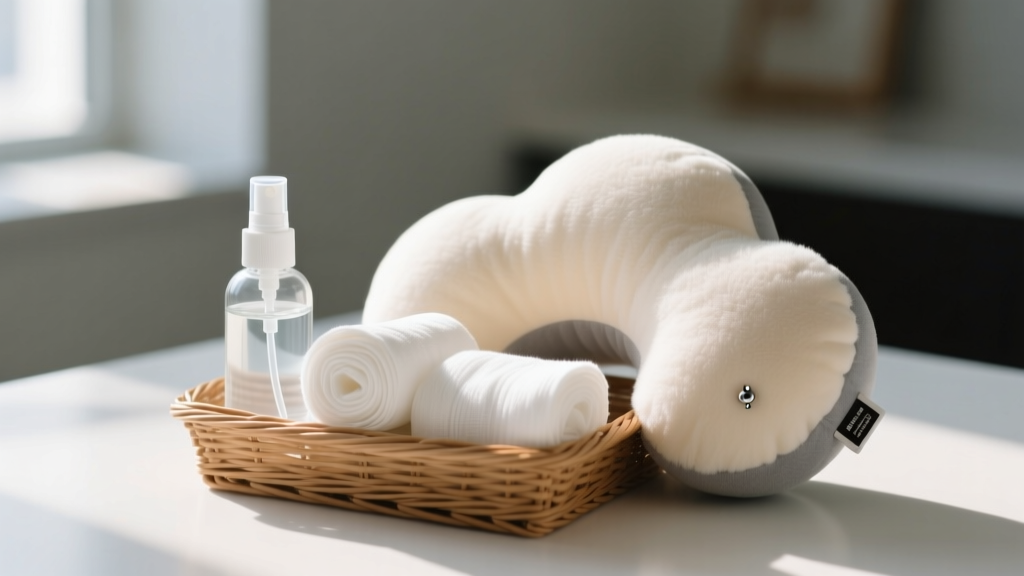
Assemble a high-end basket including the following specific items:
- Sterile Saline Wound Wash (0.9% Sodium Chloride): Ensure the ingredient list contains only purified water and salt. Avoid 'piercing aftercare sprays' that contain benzalkonium chloride, alcohol, or tea tree oil, which destroy healing cells and cause chemical burns that mimic infections.
- Non-Woven Gauze Pads: Cotton balls and swabs shed microscopic fibers that can become embedded in healing piercings, causing severe foreign-body reactions and subsequent earring infections. Non-woven gauze is lint-free and safe for drying the ear after cleaning.
- Piercing Travel Pillow: A U-shaped or donut pillow with an ear-hole allows side-sleepers to rest without applying pressure to their cartilage. Pressure necrosis is a leading cause of delayed healing and infection in helix and conch piercings.
- Silk or Satin Pillowcase: Reduces friction and prevents the pillowcase from wicking moisture away from the skin, keeping the ear environment balanced.
Expert Tips for Gifting to Sensitive Lobes and Cartilage
To ensure your gift is a success, include a handwritten note detailing the exact material grade (e.g., 'ASTM F136 Titanium') and the gauge size of the jewelry. This not only proves the quality of your gift but also provides the recipient's professional piercer with the necessary specifications if they ever need to swap the jewelry or order matching pieces. According to the National Center for Biotechnology Information, proper jewelry selection and meticulous hygiene are the twin pillars of preventing auricular infections. By prioritizing biological compatibility over fast-fashion trends, you are gifting an experience of comfort, luxury, and enduring style.


