Hypoallergenic Mothers Day Earrings: 2026 Metal Guide
Discover the best hypoallergenic metals for Mothers Day earrings in 2026. Compare titanium, platinum, and gold grades for sensitive ears.

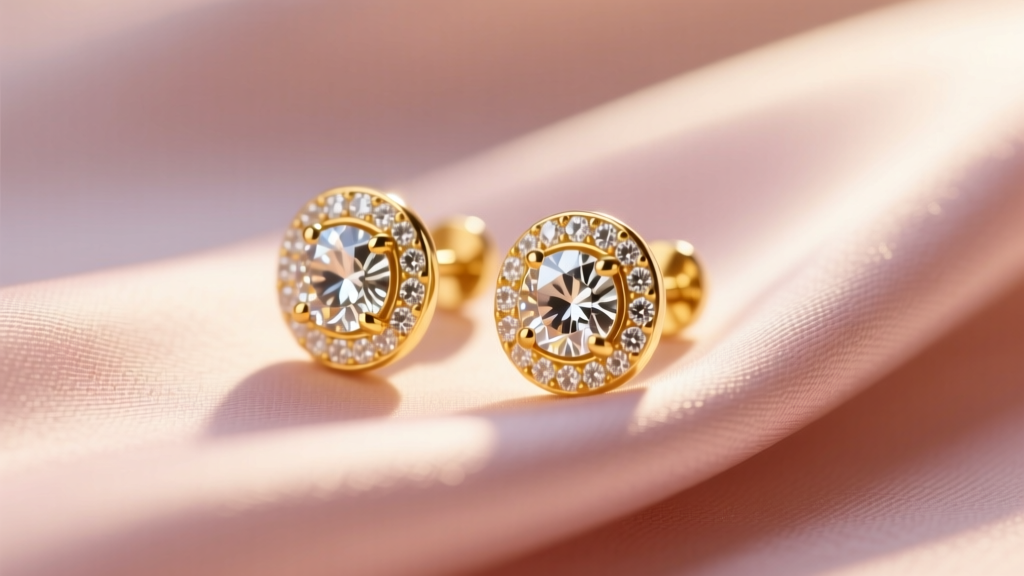
Gifting jewelry is a time-honored tradition, but for the estimated 10-15% of women suffering from contact dermatitis, a beautiful pair of earrings can quickly turn into an itchy, inflamed nightmare. As we navigate the 2026 jewelry market, the shift toward biocompatible, hypoallergenic metals has moved from a niche requirement to a mainstream standard. When selecting Mothers Day earrings for a woman with sensitive skin, understanding metallurgical purity is just as important as the gemstone quality. This guide breaks down the exact material grades, gauge specifications, and structural designs you need to know to gift a pair of earrings that she can wear comfortably from morning to night.
The Hidden Allergens in Traditional Jewelry
The primary culprit behind jewelry-induced ear infections and allergic reactions is nickel. According to the Mayo Clinic, nickel allergy is one of the most common causes of allergic contact dermatitis. The European Union's Nickel Directive (EN 1811:2011) strictly limits nickel release from post-assemblies to 0.5 µg/cm²/week, but many global manufacturers still bypass these standards for cheaper fashion jewelry.
The 'Surgical Steel' Myth
One of the most pervasive myths in the jewelry industry is that 'surgical stainless steel' (typically 316L) is universally hypoallergenic. In reality, 316L steel contains between 8% and 10% nickel. While the metal's passive chromium oxide layer usually traps the nickel inside, exposure to sweat, acidic skin pH, or friction can compromise this layer, allowing nickel ions to leach into the earlobe. For a guaranteed reaction-free experience, you must look beyond standard steel.
Decoding Metal Grades for Sensitive Lobes
To ensure your gift is genuinely hypoallergenic, you need to look for specific alloy designations and purity stamps. Here is how the top-tier metals compare.
Implant-Grade Titanium (ASTM F136)
Not all titanium is created equal. Commercially pure titanium (ASTM F67) is generally safe, but the gold standard for sensitive ears and fresh piercings is Implant-Grade Titanium, specifically designated as ASTM F136 (Ti-6Al-4V ELI). This specific alloy is heavily regulated by the ASTM International for use in surgical implants. It contains zero nickel, is highly corrosion-resistant, and is significantly lighter than steel, making it the ultimate choice for heavy statement earrings that might otherwise drag on a sensitive lobe.
Platinum 950 vs. White Gold
White gold is inherently yellow; it only achieves its silver hue by being alloyed with white metals (like nickel, palladium, or silver) and plated with rhodium. If the white gold uses a nickel alloy, the rhodium plating will eventually wear off (typically within 6 to 12 months), exposing the reactive nickel directly to the skin. Platinum 950, on the other hand, consists of 95% pure platinum and 5% inert alloy metals like ruthenium or iridium. It is naturally white, requires no rhodium plating, and is entirely hypoallergenic. While Platinum 950 commands a 40-60% price premium over 14k white gold, its lifelong biocompatibility makes it the superior choice for sensitive ears.
The 14k vs. 18k Yellow Gold Dilemma
When it comes to yellow gold, higher karat actually equates to better biocompatibility. According to the Gemological Institute of America (GIA), 18k gold is 75% pure gold, leaving only 25% for alloy metals (usually copper and silver). 14k gold is only 58.3% pure gold, meaning it contains a much higher volume of reactive alloy metals. For women with mild metal sensitivities, 18k yellow gold is vastly superior to 14k, provided the jeweler guarantees a nickel-free alloy mix.
Material Comparison Matrix
| Metal Type | Purity / Grade | Nickel Risk | Avg. Price (Studs) | Best Application |
|---|---|---|---|---|
| Implant Titanium | ASTM F136 | None | $80 - $250 | Heavy drops, fresh piercings |
| Platinum | Pt950 | None | $600 - $1,500+ | Lifetime everyday studs |
| Yellow Gold | 18k (75%) | Very Low | $300 - $800 | Classic hoops, huggies |
| Yellow Gold | 14k (58.3%) | Low to Moderate | $150 - $400 | Budget-friendly dangles |
| White Gold | 14k / 18k | High (if unverified) | $200 - $600 | Avoid for sensitive ears |
| Surgical Steel | 316L | Moderate | $20 - $80 | Occasional wear only |
Biomechanics: Design Considerations for Aging Earlobes
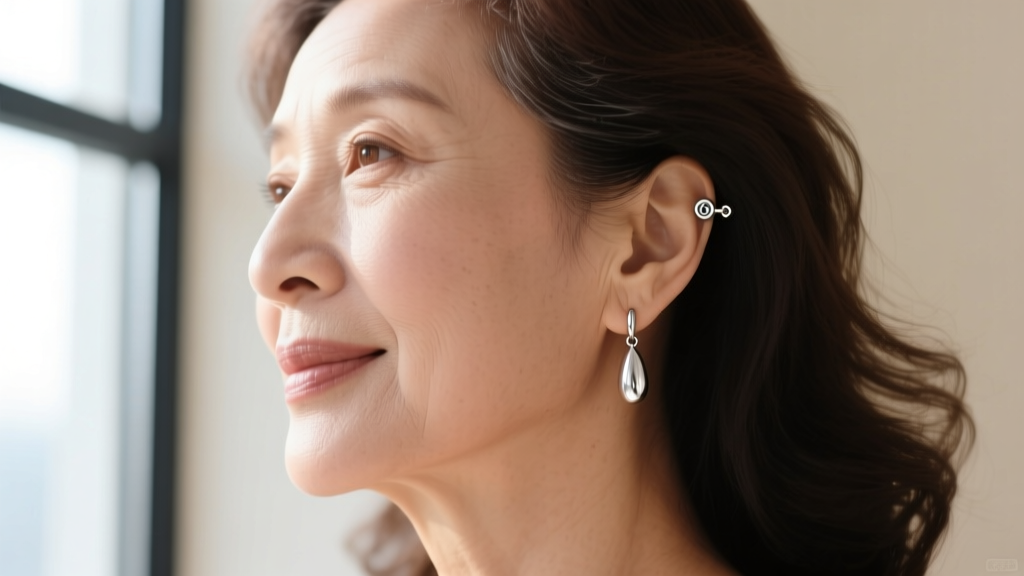
Material purity is only half the battle. As women age, earlobes naturally lose collagen and elastin, making them thinner and more prone to tearing. A hypoallergenic earring with poor structural design will still cause physical trauma to the ear.
Weight Distribution & Gauge Thickness
Standard fashion earrings are typically manufactured with 20-gauge (0.8mm) posts. For a thinning earlobe, a heavy 20g drop earring can create a 'cheese-cutter' effect, slowly slicing through the tissue over the course of the day. When shopping for Mothers Day earrings featuring heavier gemstones or elongated dangles, actively seek out 18-gauge (1.0mm) or 16-gauge (1.2mm) posts. The thicker metal distributes the weight across a wider surface area of the piercing channel, preventing elongation and discomfort.
Secure Backings: Screw vs. Friction
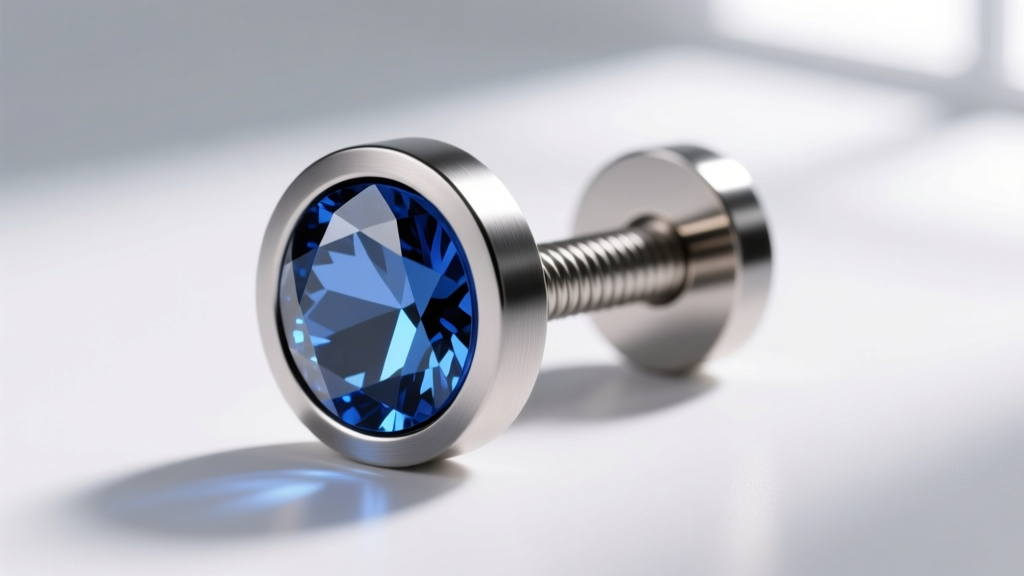
Standard 'butterfly' friction backs rely on tension, which frequently loosens, leading to lost earrings and uneven weight distribution that causes the earring to droop. For a premium gift, opt for earrings featuring internally threaded screw-backs (often branded as La Poussiere or secure-lock backs). These backs screw directly onto the threaded post, locking the earring flush against the earlobe. This provides superior security, prevents the post from poking the neck during sleep, and ensures the decorative face remains perfectly upright.
Curating the Perfect 2026 Gift
To ensure your gift is a success, follow this pre-purchase checklist:
- Audit Her Current Collection: Check the stamps on her most-worn earrings. If you see 'Pt950', '18k', or 'Ti', you have your baseline.
- Demand Documentation: If a jeweler claims an item is 'hypoallergenic white gold,' ask for written confirmation that the alloy is palladium-based and 100% nickel-free.
- Prioritize CNC Machined Posts: Cast metals can have microscopic porosity that harbors bacteria and irritants. High-end brands use CNC-machined posts that are mirror-polished and non-porous.
- Consider the Clasp: For hoops, avoid thin wire latches that can pinch. Opt for hinged, click-shut closures with a seamless finish.
By prioritizing metallurgical integrity and structural biomechanics over fleeting trends, you can gift a pair of Mothers Day earrings that offer both undeniable luxury and absolute, all-day comfort.


