The Ultimate Infinity Earrings Buying Guide & Sizing Tips
Discover what to look for when buying infinity earrings. Our expert guide covers metal grades, gauge sizes, proportions, and pricing.

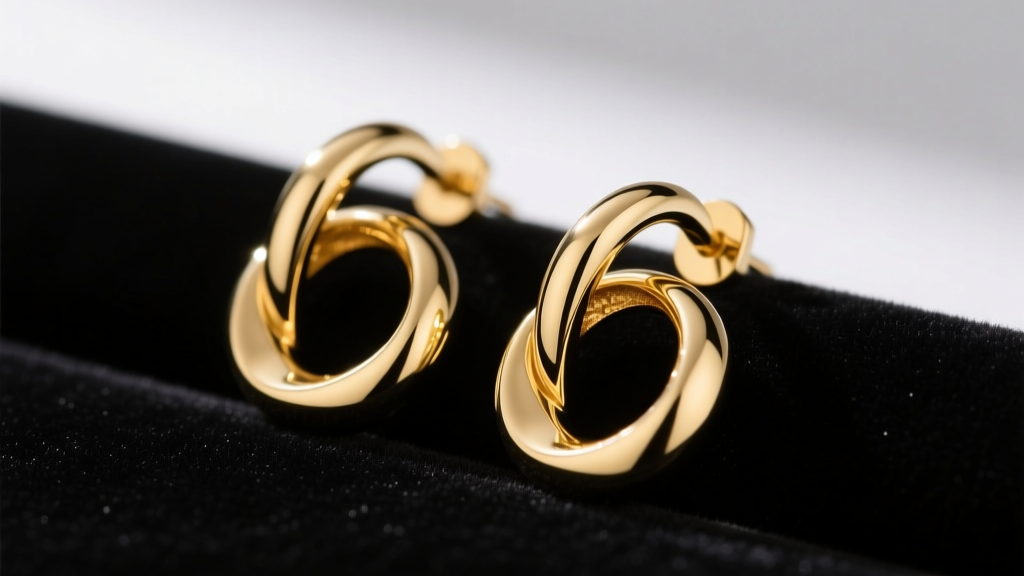
The infinity symbol, mathematically known as the lemniscate, is one of the most requested motifs in fine jewelry. However, when translated into infinity earrings, the figure-eight shape presents unique structural and aesthetic challenges. Many mass-produced pairs fail at the center crossover or feature warped proportions that resemble a tangled paperclip rather than a symbol of eternity. This comprehensive buying guide breaks down exactly what to look for when investing in infinity earrings, from metal alloys and gauge thicknesses to structural integrity and gemstone settings.
The Structural Weak Point: Analyzing the Crossover
The most critical point of failure in any infinity earring is the center crossover—the exact spot where the metal loops over itself. In cheap, die-struck, or hollow-cast jewelry, this junction is incredibly weak. If the earring is dropped or snagged on a sweater, the crossover will bend or snap.
Proportions and the Figure-8 Ratio
Seek out solid cast or hand-fabricated pieces. If you are buying a two-tone infinity earring (e.g., yellow gold crossing over white gold), the two halves must be laser-soldered together at the crossover point. Avoid glued settings or hollow electroformed metals, which will crush under minor pressure. Furthermore, examine the curve of the loops. A well-designed infinity motif adheres closely to the golden ratio (1.618), ensuring the loops are elegantly elongated rather than stubby and circular. When the width-to-height ratio is off, the symbol loses its visual flow and appears clunky on the earlobe.
Material Grades and Longevity
Because infinity earrings feature continuous, sweeping lines, the metal you choose dictates both the drape of the earring and its lifespan. According to the Gemological Institute of America (GIA), the alloy mix in karat gold significantly impacts durability.
- 14k Gold (58.5% pure gold): The optimal choice for delicate infinity studs and wire-wrapped designs. The higher percentage of alloy metals (like zinc, copper, or nickel) provides the tensile strength needed to keep thin figure-eight loops from bending out of shape.
- 18k Gold (75% pure gold): Richer in color and hypoallergenic, but softer. Best reserved for thicker, solid-cast infinity huggies or dangles where the metal gauge is substantial enough to resist warping.
- Platinum: The ultimate heirloom metal. Platinum’s density means it will not wear away at the friction points of a crossover joint. However, it is heavy; large platinum infinity dangles may stretch earlobes over time.
- Implant-Grade Titanium (ASTM F136): For cartilage piercings or hypersensitive lobes, titanium is non-negotiable. The Association of Professional Piercers (APP) strictly recommends ASTM F136 titanium for its biocompatibility and lack of nickel.
Metal Comparison Chart
| Metal | Durability | Tarnish Resistance | Price Range | Best For |
|---|---|---|---|---|
| 14k Gold | High | Excellent | $200 - $600 | Everyday studs, thin wire designs |
| 18k Gold | Medium | Excellent | $400 - $1,200 | Thicker huggies, luxury dangles |
| Platinum | Very High | Perfect | $800 - $3,000+ | Heirloom pieces, diamond pavé |
| ASTM F136 Titanium | High | Perfect | $50 - $150 | Fresh piercings, cartilage, sensitive skin |
| Sterling Silver | Low | Poor | $20 - $80 | Occasional wear, fashion trends |
Gauge Sizes and Ear Placement
The thickness of the metal wire or post—measured in gauge (g)—must align with your piercing placement to ensure comfort and prevent migration.
- Standard Lobe Piercings (20g to 18g): Most infinity studs and lightweight drop earrings are crafted at 20g (0.8mm) or 18g (1.0mm). This provides a delicate, feminine profile suitable for the soft tissue of the earlobe.
- Cartilage and Helix Piercings (16g to 14g): If you are wearing an infinity-shaped clicker or hoop in your upper cartilage, you must size up to 16g (1.2mm) or 14g (1.6mm). Cartilage is dense and can easily reject or migrate if the jewelry post is too thin, causing the painful 'cheese-cutter effect'.

Gemstone Settings on Infinity Loops
Many infinity earrings feature diamond or moissanite pavé wrapping around the loops. The setting style dramatically impacts both security and maintenance.
Micro-Pavé: Tiny beads of metal hold microscopic diamonds along the curve. While brilliant, the center crossover is notoriously difficult to pave cleanly. Look for designs that leave the crossover point as bare metal, acting as a visual anchor and preventing stones from popping out when the metal flexes.
Bezel Settings: If you prefer a modern, bezel-set diamond infinity earring, ensure the bezel walls are flush with the table of the stone. Bezel settings add structural rigidity to the loops, making them an excellent choice for active wearers who might snag prongs on clothing.
Maintenance: Navigating the Crossover Crevice
The overlapping center of an infinity earring is a magnet for lotion, dead skin cells, and hair products. Over time, this buildup dulls the metal and can cause contact dermatitis if left uncleaned. Avoid using harsh chemical dips, which can degrade the rhodium plating on white gold infinity pieces. Instead, use a soft-bristled baby toothbrush with warm water and a drop of mild dish soap to gently agitate the crevice where the loops intersect. If your infinity earrings feature fracture-filled diamonds or soft gemstones like opals or emeralds, avoid ultrasonic cleaners, as the high-frequency vibrations can shatter the stones at their most vulnerable points.
Pricing Tiers: What You Should Pay
Understanding market rates prevents overpaying for hollow jewelry or underestimating the cost of fine craftsmanship.
- Fashion & Demi-Fine ($40 - $120): Typically sterling silver with heavy gold vermeil plating. Expect stamped or hollow-cast infinity symbols. The plating will eventually wear off at the high-friction crossover points.
- Solid Fine Jewelry ($250 - $800): 14k or 18k solid gold, cast or die-struck with a solid core. May include small melee diamonds (0.10 to 0.25 total carat weight).
- High Jewelry & Heirloom ($1,200 - $5,000+): Platinum or 18k gold featuring precision-cut, VS-clarity diamonds wrapping the entirety of the loops, often utilizing a hidden clasp mechanism for seamless dangles.
The Final Pre-Purchase Checklist
Before adding infinity earrings to your cart, run through this quick quality-assurance checklist:
- The Flex Test: If shopping in person, gently squeeze the loops. There should be zero give or flexing at the center crossover.
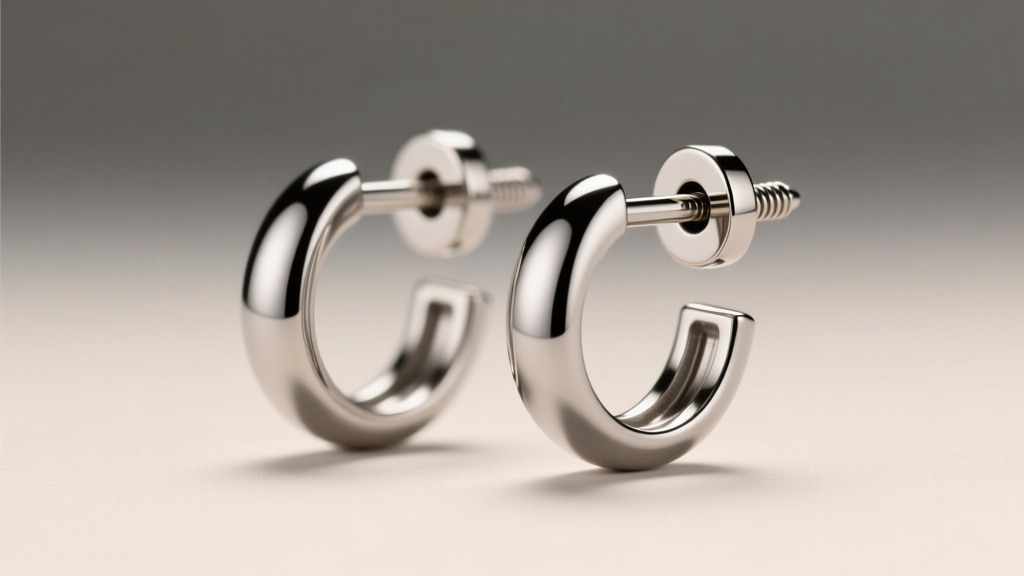
- The Backing: For studs, insist on screw-backs or secure silicone stoppers. Butterfly friction backs frequently slip off, and losing a sentimental infinity stud is a common heartbreak.
- The Profile: Check the side profile. High-quality infinity earrings are slightly domed or contoured to sit flush against the earlobe, rather than sitting flat and rigid like a stamped coin.
- Hallmarks: Verify the metal stamp (e.g., 14K, 750, PT950) is located on the post or the back of the dangle, not merely on the removable earring back.


