How to Treat a Cyst in Earring Hole: Step-by-Step Guide
Learn how to safely treat a cyst in earring hole with our step-by-step guide. Discover material swaps, saline protocols, and when to see a doctor.

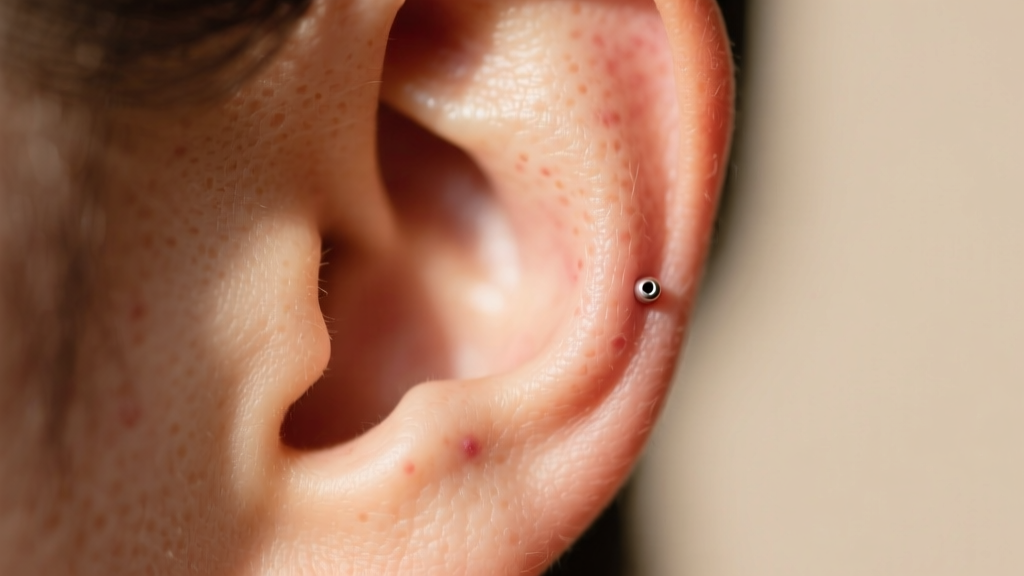
Discovering a hard, flesh-colored lump on your earlobe can be alarming, especially if it is situated directly on or adjacent to your piercing tract. A cyst in earring hole is a relatively common complication that occurs when skin cells become trapped beneath the surface of the fistula (the piercing tunnel). Unlike standard piercing bumps caused by irritation or infection, these cysts require a highly specific, methodical approach to resolve. In this comprehensive guide, we will break down the exact pathophysiology of piercing cysts, how to differentiate them from other complications, and the step-by-step protocol to treat and prevent them.
Identifying the Bump: Cyst vs. Abscess vs. Scar Tissue
Before applying any treatment, you must accurately identify the type of bump you are dealing with. Misdiagnosing an epidermoid cyst as a simple irritation bump or a bacterial abscess can lead to improper treatment and worsen the condition. According to the American Academy of Dermatology, epidermoid cysts are filled with keratin—a cheesy, foul-smelling protein—rather than pus or blood.
| Feature | Epidermoid Cyst | Bacterial Abscess | Hypertrophic Scar / Keloid |
|---|---|---|---|
| Appearance | Flesh-colored, smooth, dome-shaped nodule under the skin | Red, swollen, angry-looking, often with a visible white head | Firm, raised, rubbery tissue growing out of the piercing hole |
| Pain Level | Painless unless inflamed or ruptured | Highly tender, hot to the touch, throbbing | Occasionally itchy or tender, but generally painless |
| Exudate | Thick, yellowish, foul-smelling keratin if squeezed | Thin to thick yellow/green pus, sometimes mixed with blood | None (solid tissue) |
| Primary Cause | Epithelial cells pushed into dermis (often by piercing guns or tight jewelry) | Bacterial infection (Staphylococcus aureus) trapped in the fistula | Excessive collagen production during the healing process |
If your bump matches the cyst profile, do not attempt to pop it. Squeezing a cyst can cause the internal sac to rupture beneath the skin, leading to severe inflammation and a massive immune response.
Step-by-Step Guide to Managing a Cyst in Your Piercing Tract
Treating a cyst in earring hole safely requires a combination of proper jewelry selection, localized heat therapy, and meticulous hygiene. Follow these steps to encourage the cyst to drain naturally or prepare it for professional removal.
Step 1: Upgrade Your Jewelry Metallurgy and Fit
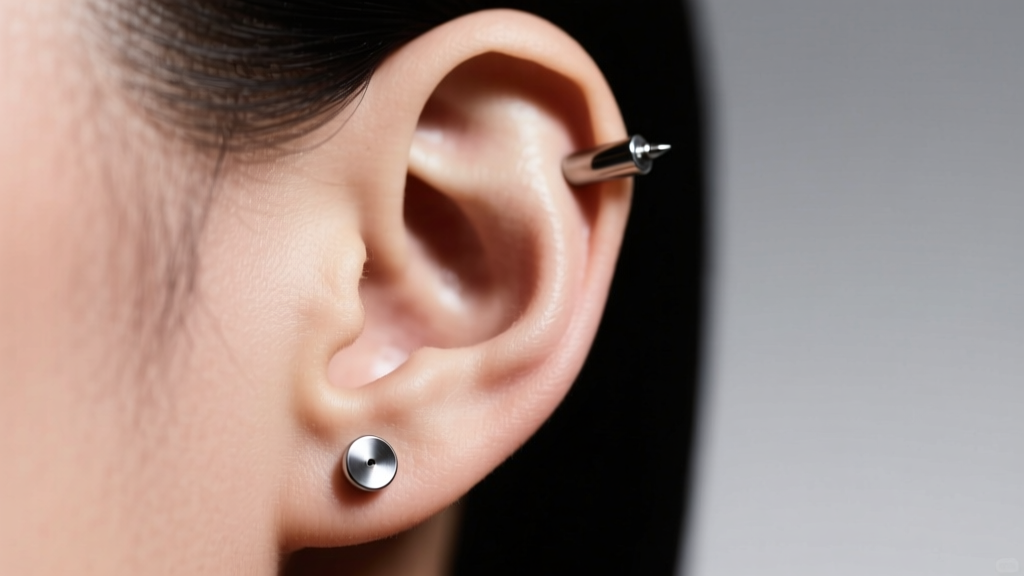
The most common cause of inclusion cysts is wearing jewelry that is too tight or made of porous, reactive metals. Tight jewelry prevents the natural shedding of dead skin cells inside the fistula, forcing them to accumulate and form a cyst. Swap your current earring for an implant-grade titanium (ASTM F136) flat-back labret. Titanium is highly biocompatible and will not trigger a localized immune response. Ensure the post length is long enough to sit flush against the front of the earlobe without compressing the tissue.
Step 2: Implement the Warm Compress Protocol
Heat increases localized blood flow (vasodilation), which helps your body's macrophages break down the keratin debris and encourages the cyst to come to a head and drain naturally. Soak a clean, non-woven gauze pad in warm distilled water (approximately 104°F or 40°C). Hold it gently against the cyst for 5 to 10 minutes, twice daily. Never use boiling water, as the delicate skin of the earlobe is highly susceptible to thermal burns.
Step 3: Apply Sterile Isotonic Saline
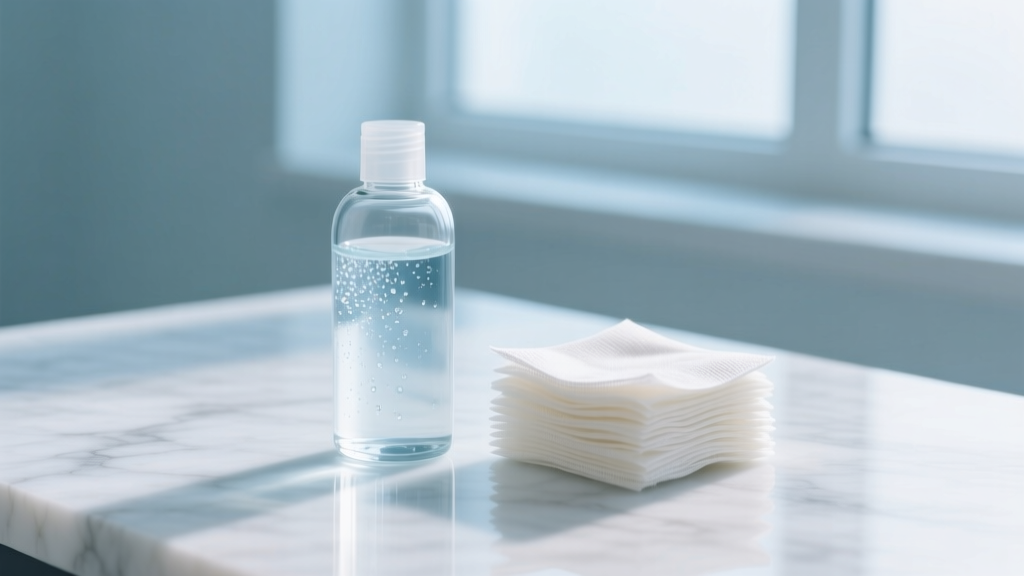
After your warm compress, cleanse the area with a sterile 0.9% isotonic saline wound wash. Do not use DIY sea salt solutions; the improper osmolarity of homemade mixtures can dehydrate the tissue and delay healing. Spray the saline directly onto the piercing or apply it via a sterile cotton swab, then gently pat dry with non-woven gauze. The Association of Professional Piercers (APP) strictly recommends sterile saline for all piercing-related aftercare to maintain the delicate moisture balance of the fistula.
Step 4: Seek Dermatological Excision (If Necessary)
If the cyst does not resolve after 3 to 4 weeks of conservative management, or if it becomes repeatedly inflamed, you must see a board-certified dermatologist. As noted by the Mayo Clinic, the only permanent cure for an epidermoid cyst is the surgical excision of the entire cyst wall (the sac). If a doctor only performs an Incision and Drainage (I&D) without removing the sac, the cyst will almost certainly refill with keratin over time.
Expert Warning: Never attempt 'bathroom surgery' with a sterilized sewing needle. Puncturing a cyst at home introduces external pathogens directly into the dermis, frequently converting a benign cyst into a severe staph infection or abscess requiring oral antibiotics.
Jewelry Materials and Gauge Sizes That Prevent Cyst Recurrence
Once the cyst is resolved, preventing a recurrence requires a strategic approach to your jewelry selection. The physical dimensions and materials of your earrings dictate how well the fistula can 'breathe' and shed dead tissue.
- Opt for 16-Gauge or 14-Gauge Jewelry: While 18-gauge (1.0mm) is standard for mall-kiosk piercings, it is often too thin to allow adequate drainage of sebum and dead skin cells. Upsizing to a 16-gauge (1.2mm) or 14-gauge (1.6mm) post creates a wider tunnel, drastically reducing the chance of keratin buildup.
- Choose Threadless or Internally Threaded Ends: Externally threaded jewelry features sharp ridges that scrape the inside of the fistula every time it is inserted or removed. This micro-trauma can push surface skin cells deep into the tract, seeding new cysts. Threadless (push-pin) jewelry offers a completely smooth post for safe, trauma-free insertion.
- Avoid Porous Materials: Organic materials like wood, bone, or unpolished stone harbor microscopic bacteria and trap moisture. Stick to high-polish implant-grade titanium, niobium, or solid 14k/18k gold for long-term wear.
Safe Re-Piercing and Long-Term Earring Selection
If your cyst required surgical excision, the dermatologist will likely remove a small core of tissue, which may destroy the original fistula. You must allow the earlobe to heal completely—typically 8 to 12 weeks—before attempting to wear earrings again. When you do return to wearing jewelry, start with lightweight, flat-back titanium labrets rather than heavy dangles or large hoops, which can cause mechanical irritation and tear the newly formed, fragile tissue.
By understanding the mechanical and biological causes of a cyst in earring hole, you can transition from reactive panic to proactive, science-backed piercing care. Always prioritize high-quality metallurgy, proper gauge sizing, and professional medical intervention when conservative at-home methods fail.


