Inspecting Diamond Earrings in a Box: A Technical Guide
Learn how to technically evaluate diamond earrings in a box, from GIA grading reports and martini settings to anti-tarnish packaging.

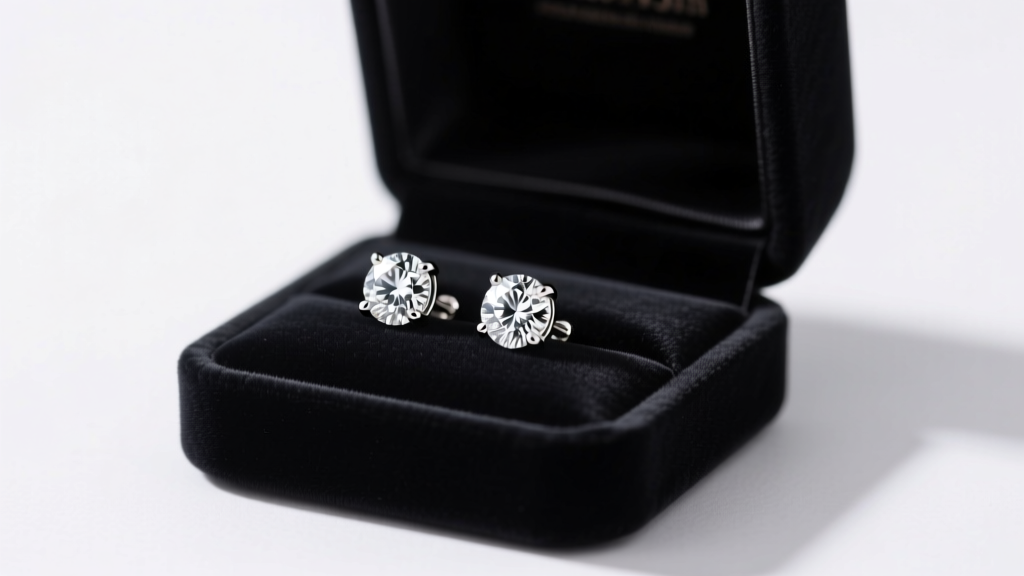
When you first encounter diamond earrings in a box, the immediate reaction is often emotional. The velvet, the lighting, and the brilliance of the stones are designed to captivate. However, for the serious buyer, collector, or appraiser, evaluating high-value jewelry requires looking past the theatrical presentation. Inspecting diamond earrings in a box is a highly technical process that involves assessing gemological precision, metallurgical integrity, and the engineering of the presentation packaging itself. In 2026, with the market heavily bifurcated between natural and lab-grown stones, the physical unboxing is your first line of defense in verifying authenticity, quality, and long-term wearability.
The Anatomy of Luxury: Beyond the Cardboard
A luxury presentation box is not merely a container; it is a micro-environment designed to preserve precious metals and protect fragile gemstone settings. When evaluating the exterior, look for structural rigidity. High-end boxes utilize a solid brass or steel-reinforced internal frame, wrapped in genuine leather, matte-finish polyurethane, or sustainably sourced hardwoods. The hinges should be seamless, often concealed or constructed from solid brass rather than plated zinc, which is prone to oxidation and snapping under repetitive stress. The closure mechanism—whether a precision magnetic catch or a micro-spring latch—should engage with a definitive, dampened click, indicating tight manufacturing tolerances that prevent the box from accidentally opening during transit.
Evaluating the Diamonds: Technical Specs for Studs
Once the box is open, the primary focus shifts to the diamonds. For stud earrings, the Gemological Institute of America (GIA) cut grade is the single most critical metric. Because studs are viewed face-up from a distance, light return (brilliance) and scintillation mask minor flaws in color and clarity. Therefore, prioritizing an 'Excellent' or 'Ideal' cut—specifically Hearts and Arrows super-ideal cuts—yields the highest visual ROI.
Carat Weight and Millimeter Spread
Total Carat Weight (CTW) can be misleading if the diamonds are cut too deeply, which hides weight in the pavilion and reduces the face-up diameter. Always measure the millimeter spread of the stones using a digital caliper to ensure the carat weight translates to visual size.
| Total Carat Weight (CTW) | Per Earring Weight | Ideal MM Spread (Round) | Visual Impact & Use Case |
|---|---|---|---|
| 0.50 ct | 0.25 ct | 4.1 mm | Subtle, minimalist, everyday wear |
| 1.00 ct | 0.50 ct | 5.1 mm | Classic standard, versatile for day/night |
| 1.50 ct | 0.75 ct | 5.9 mm | Prominent, high-brilliance statement |
| 2.00 ct | 1.00 ct | 6.5 mm | Luxury tier, requires secure lock-backs |
Clarity and Color Grading Matrix
For earrings, the VS1 to SI1 clarity range is the sweet spot. Inclusions in this range are entirely eye-clean, meaning you are not paying a premium for flawless (FL) or internally flawless (IF) grades that offer no visible benefit when worn on the ear. Similarly, G to H color grades (near-colorless) face up brilliantly white once set in platinum or rhodium-plated 18k white gold, offering significant savings over D-F colorless grades.
The Hardware: Posts, Backs, and Prong Tension
The structural hardware of the earring dictates its longevity and security. The post gauge for standard diamond studs typically ranges from 18-gauge (1.0mm) to 16-gauge (1.2mm). Thinner posts (20-gauge or 0.8mm) are prone to bending if the wearer sleeps in them, which can misalign the diamond and stress the prongs.
Securing the Stone: Prong Configurations
The setting must hold the diamond securely without obscuring light entry. The three dominant configurations are:
- Martini (3-Prong): Maximizes light exposure from the sides but concentrates stress on three points. Best for stones under 1.00 CTW.
- 4-Prong Basket: Offers superior structural support and symmetry. The base of the basket should sit flush against the earlobe to prevent drooping.
- Bezel: A continuous metal rim that offers the highest security and a modern aesthetic, though it slightly reduces the visible diameter of the stone and limits side-light entry.
Friction vs. Screw vs. Lock Backs
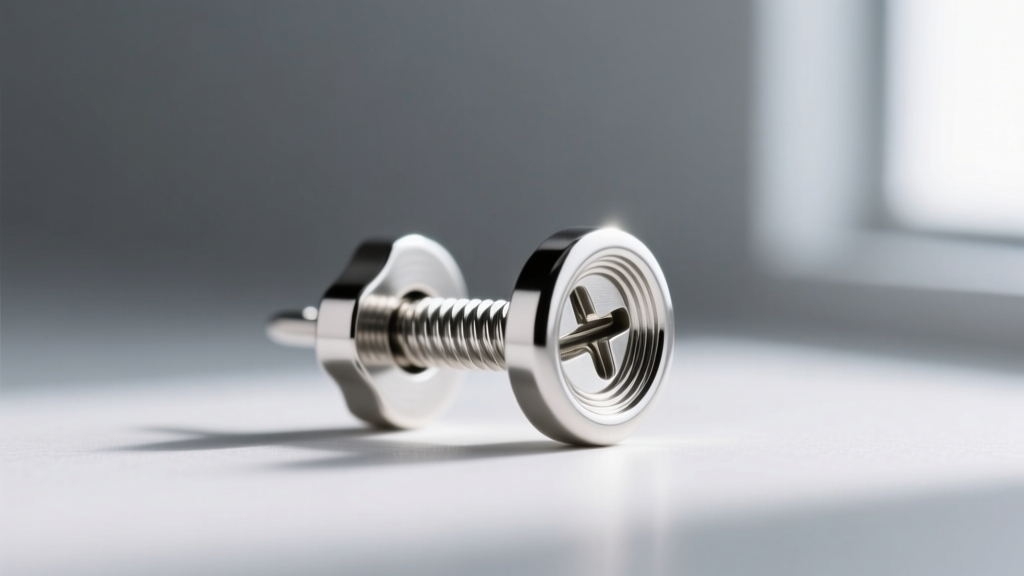
For earrings exceeding 1.00 CTW, standard friction backs (butterfly backs) are insufficient due to the weight of the platinum or gold setting. Screw backs (such as the patented La Pousette mechanism) utilize a threaded post and a spring-loaded clutch that locks into place, preventing accidental loss. Alternatively, secure lock-backs feature a hinged lever that snaps over a grooved post, offering the security of a screw back with the ease of a friction back.
Presentation Box Engineering: Materials and Preservation
The interior of the box plays a vital role in preserving the jewelry. In 2026, luxury packaging has evolved to include advanced material science to prevent environmental degradation of the metals.
Anti-Tarnish Lining and Inserts
Standard synthetic velvet can trap moisture and emit trace volatile organic compounds (VOCs) that accelerate the tarnishing of silver or the oxidation of lower-karat gold alloys. Premium boxes utilize Pacific Jeweler's Cloth or treated flannel linings embedded with microscopic silver particles that absorb sulfur and other corrosive gases from the air. The insert itself should be injection-molded polyurethane with a soft-touch suede wrap, featuring precision-cut slits that hold the earring posts firmly in place without bending them.
LED Lighting and the 'Showroom Lie'
Many modern luxury boxes feature built-in LED mirrors or lid lights. As a technical buyer, you must be wary of the 'showroom lie.' Warm LEDs (2700K - 3000K) artificially enhance the warmth of lower-color diamonds (J-M), making them appear whiter than they are. High-integrity presentation boxes utilize daylight-balanced LEDs (5000K - 5500K) with a Color Rendering Index (CRI) of 95 or higher. This provides a true, unfiltered view of the diamond's body color and fluorescence.
Authentication and Documentation Inside the Box
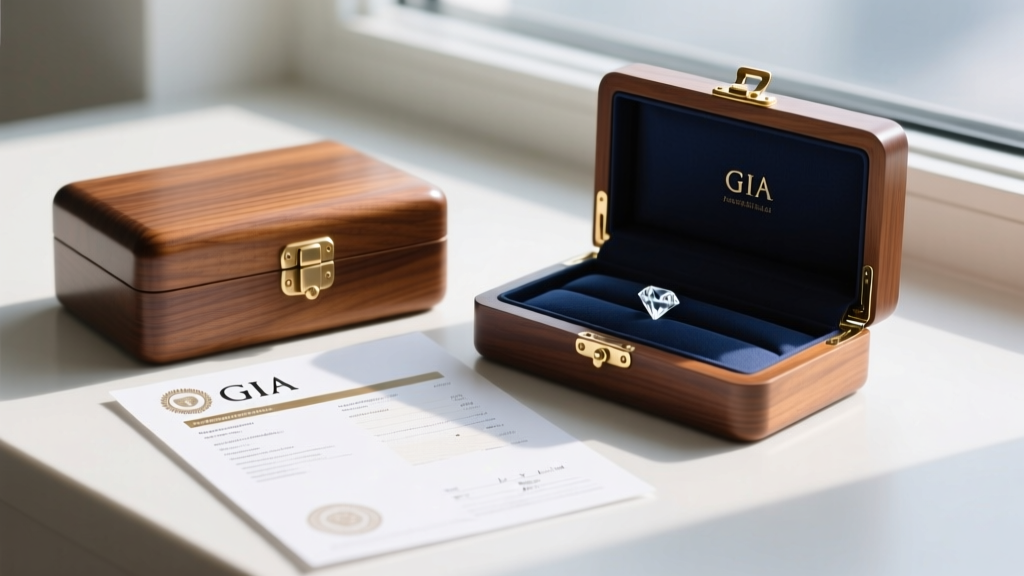
The physical documentation housed within the box is as important as the jewelry itself. According to Jewelers of America, proper documentation is essential for insurance appraisal and future resale. Inside the box, you should expect to find:
- The Gemological Report: A physical or NFC-embedded digital report from a tier-one laboratory (GIA, AGS, or GCAL for lab-grown). The report must detail the 4Cs, fluorescence, and precise proportions.
- Laser Inscription Verification: For stones over 0.50 ct, the girdle should feature a microscopic laser inscription matching the report number. A high-quality box set will often include a 10x or 20x jeweler's loupe to allow the buyer to verify this inscription immediately upon unboxing.
- Origin and Provenance Data: For natural diamonds, expect blockchain-verified provenance cards (such as those utilizing the Tracr platform) detailing the mine of origin, cutting facility, and ethical compliance.
Final Inspection Checklist
Before finalizing your assessment of diamond earrings in a box, run through this rapid technical checklist:
- Prong Tension: Use a loupe to ensure all prongs are flush against the diamond's crown. Run a piece of silk fabric over the setting; if it snags, the prongs are poorly finished and pose a risk to clothing and hair.
- Post Alignment: Lay the earrings flat on a glass surface. The posts should be perfectly perpendicular to the basket base. Any angling indicates poor soldering and will cause the earrings to sit crookedly on the ear.
- Matching Symmetry: Compare the two stones side-by-side under 5000K light. The table facets should be identical in size, and the overall face-up diameter should match within 0.05mm.
- Rhodium Integrity: If set in white gold, inspect the gallery (the underside of the setting) for any yellowing, which indicates that the rhodium plating was applied too thinly or over a poorly polished surface.
By applying this rigorous, technical framework, you transform the unboxing experience from a passive receipt of luxury goods into an active, informed verification of master craftsmanship and gemological excellence.


