Retired James Avery Earrings: 2026 Collector's Guide
Discover technical authentication, metallurgy, and 2026 market valuations for retired James Avery earrings in our expert collector's deep dive.

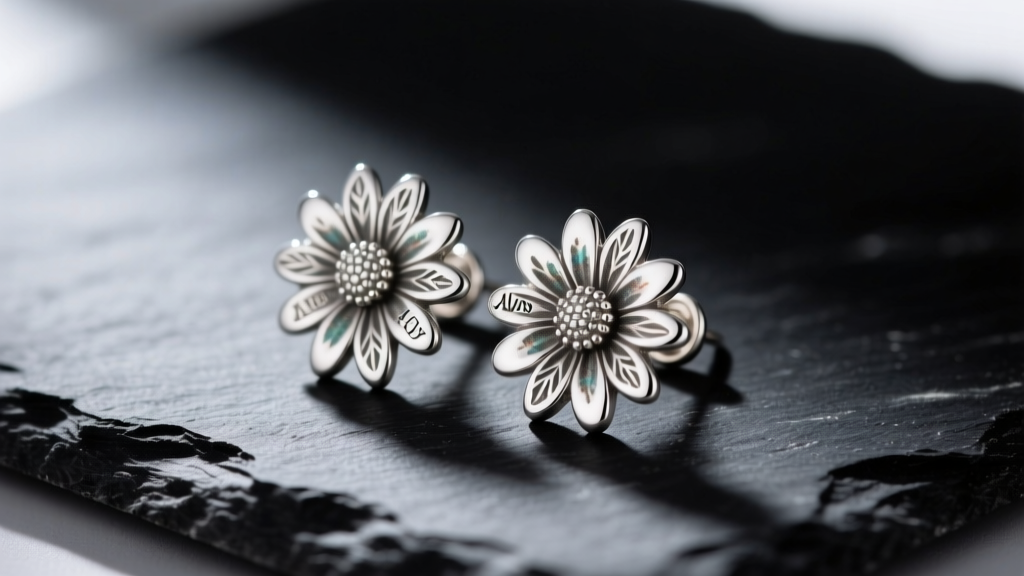
The Allure of the Archive: Understanding Retired James Avery Earrings
For serious jewelry collectors and vintage enthusiasts, the secondary market for retired James Avery earrings represents a fascinating intersection of Texan craftsmanship, spiritual iconography, and metallurgical consistency. Founded in 1954 in Kerrville, Texas, James Avery Artisan Jewelry has built a legacy on heavy-gauge sterling silver and meaningful motifs. When the company retires a design, it is permanently removed from production, instantly transforming accessible retail jewelry into highly sought-after collector's items. As of 2026, the market for these retired silhouettes has matured, requiring buyers to possess a technical understanding of hallmarks, silver oxidation, and structural integrity to navigate the secondary landscape successfully.
Decoding the Hallmarks: Authentication Technicalities
Authenticating retired James Avery earrings requires more than a cursory glance. Counterfeiters frequently target popular retired styles, such as the Daisy Drops and Open Heart Dangles. True authentication relies on examining the hallmarking technique.
Cast-In vs. Laser-Etched Marks
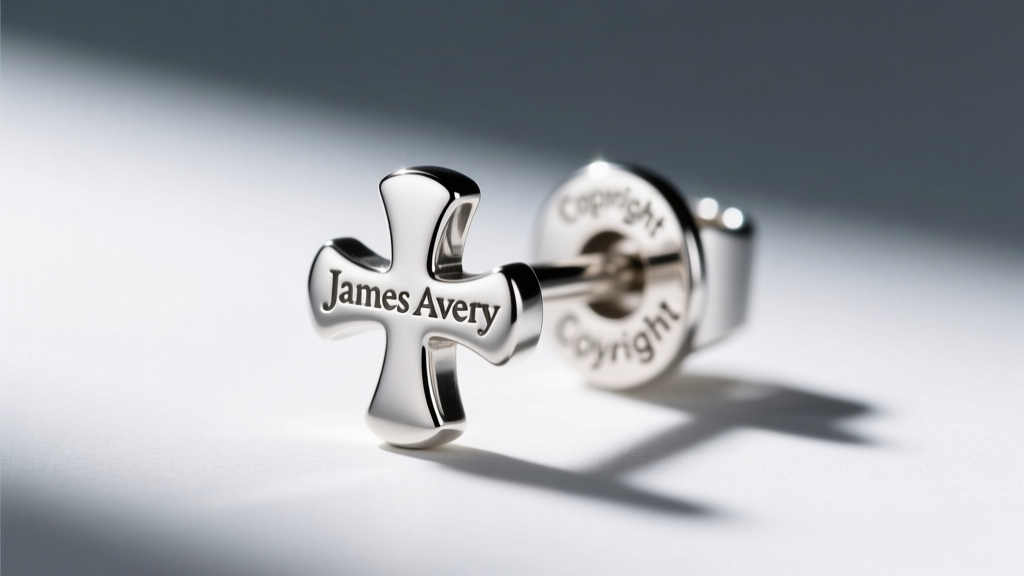
James Avery utilizes a lost-wax casting process for the vast majority of their sterling silver jewelry. Consequently, the hallmark—including the signature cross symbol, the word "AVERY" or "JAMES AVERY", and the copyright symbol (©)—should be cast-in to the metal. This means the lettering will have slightly rounded, organic edges and sit seamlessly within the metal's topography. If you examine the earring post or backing with a 10x jeweler's loupe and see sharp, perfectly uniform, micro-ablated lettering, you are likely looking at a laser-etched counterfeit. Laser etching is a hallmark of mass-produced overseas fakes attempting to replicate the Avery stamp on stamped sheet metal or hollow-cast base metals.
The Evolution of the Sterling Stamp
Vintage and retired pieces may feature different purity stamps depending on their decade of manufacture. Early pieces from the 1970s and 1980s often simply read "STERLING" alongside the cross. In the 1990s and 2000s, the brand frequently utilized the "925" numerical stamp to comply with international export standards. Both are authentic, provided the accompanying cross and copyright marks align with the casting style of the era. According to the official James Avery jewelry care archives, the presence of the cross mark has been a consistent anchor of their authentication protocol since the brand's early days.
Metallurgy and the Signature Avery Patina
James Avery earrings are cast in standard sterling silver, an alloy comprising 92.5% pure silver and 7.5% copper. However, the technical execution of their finishing process is what gives retired pieces their distinct visual weight. Avery artisans traditionally use a liver of sulfur solution to induce controlled oxidation, darkening the recessed areas of the casting to create high-contrast relief. This factory-applied antiquing is not merely cosmetic; it is a foundational element of the design's architecture.
When sourcing retired James Avery earrings, you will encounter two distinct surface conditions:
- Mint/Unworn Condition: The original factory oxidation remains deep black in the recesses, and the high-polish surfaces are free of micro-scratches. These command a 30-50% premium on the 2026 secondary market.
- Over-Polished Condition: Previous owners have aggressively used abrasive silver dips or polishing wheels, stripping the liver of sulfur from the recesses and leaving the earring looking flat, uniformly white, and heavily scratched. While the silver purity remains intact, the aesthetic value and collector premium are significantly diminished.
It is critical to avoid ultrasonic cleaners when dealing with retired Avery pieces that feature mixed metals, such as sterling silver with 14k yellow gold accents. The high-frequency cavitation can weaken the silver-solder joints used to fuse the gold elements to the sterling base, leading to catastrophic stone loss or detachment of the gold overlay. For comprehensive metallurgical care, referencing guidelines from institutions like the Gemological Institute of America (GIA) ensures you preserve the alloy's structural integrity.
Top Retired Earring Silhouettes and 2026 Market Valuations
The secondary market pricing for retired James Avery earrings fluctuates based on rarity, condition, and the presence of original packaging (the iconic grey box and soft pouch). Below is a technical breakdown of five highly coveted retired earring styles, including their average cast weight and current 2026 valuation ranges.
| Retired Silhouette | Material Composition | Avg. Weight (g) | Original Retail (Est.) | 2026 Secondary Market Value | Rarity Tier |
|---|---|---|---|---|---|
| Daisy Drop Earrings | Sterling Silver | 4.2g | $45.00 | $140 - $185 | Common |
| Open Heart Dangles | Sterling & 14k Gold | 6.8g | $120.00 | $350 - $475 | Moderate |
| Cross Huggie Hoops | Sterling Silver | 8.5g | $95.00 | $220 - $290 | Moderate |
| Butterfly Studs (Large) | Sterling Silver | 3.1g | $35.00 | $110 - $150 | High |
| Texas Star Clip-Ons | Sterling Silver | 9.2g | $65.00 | $180 - $240 | High |
Note: Weights are measured per pair. Market values assume excellent condition with intact factory patina and functional friction posts or secure clip-backs.
Technical Restoration: Preserving the Antiqued Recesses
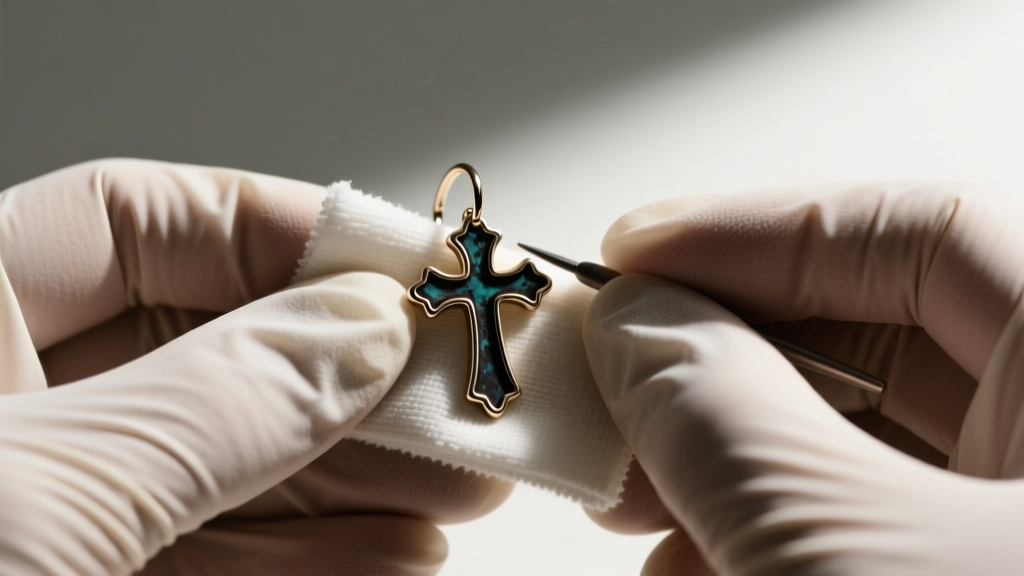
If you acquire a pair of retired James Avery earrings that have suffered from mild tarnish or surface oils, technical restoration requires a restrained approach. The goal is to remove silver sulfide (tarnish) from the raised, polished surfaces without extracting the deliberate oxidation from the recessed areas.
- Preparation: Use a mild, phosphate-free dish soap and lukewarm water. Submerge the earrings for no more than three minutes to loosen sebum and cosmetic residue.
- Mechanical Agitation: Use an extra-soft, baby-hair toothbrush to gently sweep the raised surfaces. Never scrub the recessed, darkened areas, as the friction will slowly wear away the liver of sulfur finish.
- Chemical Intervention: If heavy tarnish persists on the high points, apply a microscopic amount of Wright's Silver Cream to a damp cotton swab. Roll the swab strictly over the raised silver. Avoid liquid silver dips (like Tarn-X) entirely; these rely on thiourea and hydrochloric acid to strip tarnish instantly, which will also strip the factory antiquing and leave the copper alloy susceptible to rapid, uneven re-tarnishing.
- Final Buffing: Dry thoroughly with a lint-free microfiber cloth, applying gentle pressure only to the high-polish zones to restore the mirror finish.
Sourcing Safely in the Secondary Market
Navigating platforms like eBay, Etsy, and specialized Facebook collector groups requires a rigorous verification checklist. When evaluating retired James Avery earrings from online listings, always request macro photographs of the earring post, the clutch (butterfly back), and the inner curve of any hoop or huggie design. Authentic Avery friction posts are typically thick (often 20-gauge or 19-gauge) and feature a distinct, heavy-gauge solder joint where the post meets the earring body. Counterfeits frequently utilize thin, 22-gauge wire posts that bend easily under the weight of the cast silver.
Furthermore, utilize the magnet test as a preliminary screening tool. Sterling silver is paramagnetic, meaning it will not exhibit a noticeable magnetic pull. If the earring body or the clutch snaps to a neodymium magnet, the core material is likely a ferromagnetic base metal, such as brass or nickel, plated with a microscopic layer of silver. By combining metallurgical knowledge with strict hallmark verification, collectors can confidently build a pristine archive of James Avery's most celebrated retired earring designs.


