Jade and Pearl Earrings: 2026 Value & Budget Guide
Discover how to evaluate jade and pearl earrings in 2026. Learn pricing tiers, spot treated stones, and assess metal hardware for true value.

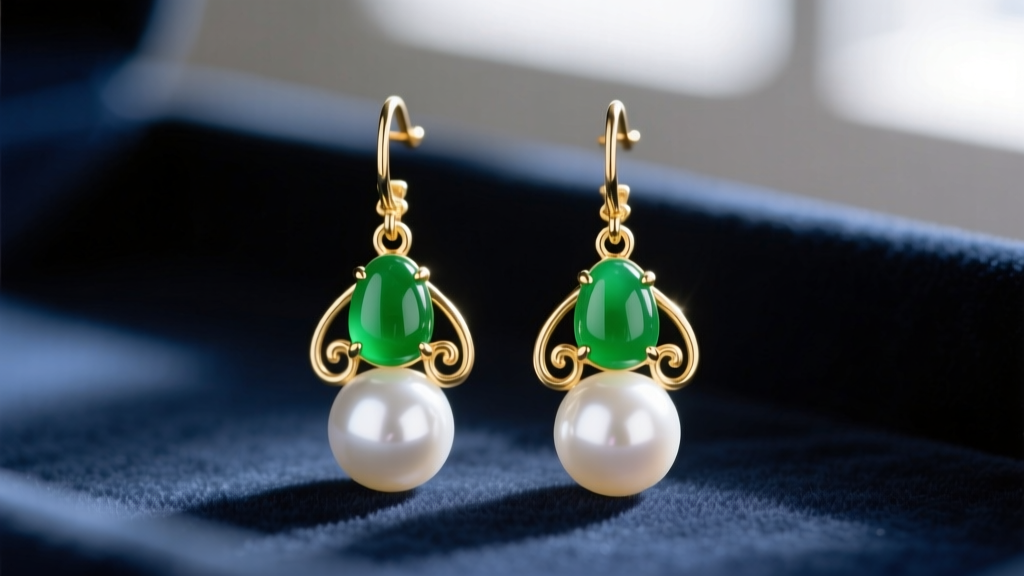
The Allure of Jade and Pearl Earrings: A 2026 Market Overview
The combination of jade and pearl in earring design represents a masterful collision of Eastern heritage and classic Western elegance. As we navigate the 2026 jewelry market, East-meets-West fusion pieces have surged in popularity, driven by a growing appreciation for organic gemstones and mindful, nature-inspired aesthetics. However, this rising demand has also flooded the market with misrepresented origins, heavily treated stones, and overpriced costume pieces masquerading as fine jewelry.
Whether you are looking for a subtle pair of jade and pearl studs for daily wear or an elaborate set of dangle earrings for evening events, understanding the intrinsic value of these materials is critical. This comprehensive budget and value assessment will equip you with the gemological knowledge needed to separate genuine investment pieces from overpriced fakes, ensuring every dollar you spend translates into lasting beauty and quality.
Decoding Jade: Nephrite vs. Jadeite and the ABCs of Treatment
To accurately assess the budget for jade earrings, you must first understand what you are actually buying. The term 'jade' is an umbrella classification for two distinct minerals: Nephrite and Jadeite. According to the Gemological Institute of America (GIA), while both are tough and beautiful, their market values are vastly different.
Nephrite vs. Jadeite
Nephrite is the more abundant 'soft jade,' often sourced from Canada, Russia, and New Zealand. It typically presents in muted, earthy greens, creamy whites, or deep blacks. Nephrite is highly durable but lacks the glassy translucency of premium jadeite, making it the standard for entry-level and mid-tier jade jewelry. Jadeite, primarily sourced from Myanmar, is the 'hard jade' prized for its vivid, electric colors and semi-transparent water-like clarity. Imperial green jadeite commands auction-level prices, while commercial-grade jadeite remains accessible but distinctly pricier than nephrite.
The Treatment Spectrum
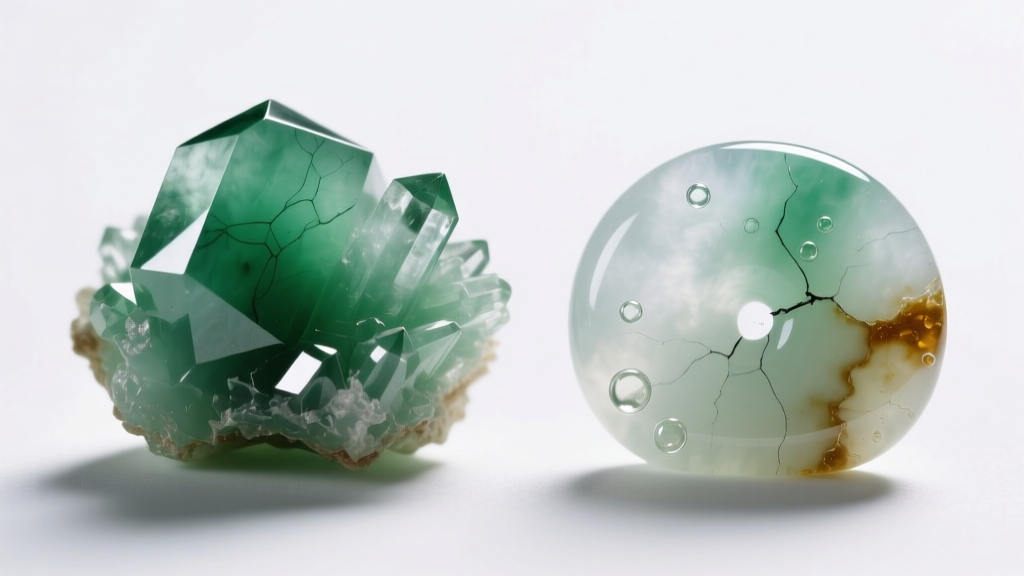
The most critical factor in jade valuation is treatment. The industry categorizes jade into three distinct tiers:
- Type A (Untreated): Completely natural, untreated jadeite. It may be polished with a traditional plum wax, but its internal structure is intact. This is the only type of jade that holds or appreciates in value.
- Type B (Bleached and Polymer-Impregnated): Acid-washed to remove brown or yellow impurities, then injected with polymer resin to improve transparency. Over 5 to 10 years, the resin degrades, turning the jade cloudy, brittle, and yellow.
- Type C (Dyed): Chemically dyed to mimic high-end imperial green or lavender. The color will inevitably fade when exposed to sunlight and skin oils.
Pearl Valuation: Freshwater, Akoya, and Nacre Thickness
When paired with jade, pearls provide a luminous, reflective contrast to the stone's deep, waxy luster. The GIA Pearl Guide emphasizes that pearl valuation hinges on luster, surface cleanliness, shape, and crucially, nacre thickness.
Freshwater vs. Akoya Pearls
For jade and pearl earrings, designers typically utilize either Freshwater or Akoya pearls. Freshwater pearls, predominantly cultivated in China, offer incredible value. Modern bead-nucleated 'Edison' freshwater pearls can achieve near-round shapes and metallic lusters at a fraction of the cost of saltwater varieties. They are the backbone of the sub-$200 earring market.
Akoya pearls, cultivated in Japan and Vietnam, are the gold standard for classic white pearls with mirror-like luster. They rarely exceed 9mm in diameter, making them perfect for delicate stud and drop earring designs. However, a major pitfall in the budget market is purchasing Akoya pearls with dangerously thin nacre (under 0.25mm). Thin-nacre pearls will peel and flake within a few years of regular wear, rendering the earrings worthless.
The 2026 Budget Tier Breakdown for Jade and Pearl Earrings
Pricing for organic gemstones fluctuates based on harvest yields and trade restrictions. In 2026, supply chain constraints on Myanmar jadeite have pushed Type A prices up by approximately 15% compared to early 2023 benchmarks. Below is a structured matrix to help you align your budget with realistic quality expectations.
| Budget Tier | Jade Quality | Pearl Quality | Metal Hardware | 2026 Price Range (Pair) |
|---|---|---|---|---|
| Entry-Level | Nephrite or Type B/C Jadeite | Commercial Freshwater (blemished) | 925 Sterling Silver or Gold-Plated Brass | $40 - $120 |
| Mid-Tier | Type A Jadeite (Commercial Grade) | AAA Freshwater or Small Akoya (6mm) | 14k Gold Filled, Vermeil, or 10k Solid Gold | $150 - $450 |
| Premium | Type A Jadeite (Fine Color/Translucency) | AA+ Akoya (7-8mm, High Luster) | Solid 14k or 18k Gold | $500 - $1,500 |
| Investment | Imperial or Glassy Ice Jadeite | Hanadama Certified Akoya | Solid 18k Gold with Diamond Accents | $2,000 - $10,000+ |
Red Flags: How to Spot Overpriced Fakes and Treated Stones
Budget assessment is not just about finding the lowest price; it is about avoiding deceptive practices. When shopping for jade and pearl earrings, keep these critical red flags on your radar:
The 'New Jade' Deception: If you see earrings labeled as 'New Jade,' 'African Jade,' or 'Indian Jade,' you are not buying jade at all. These are trade names for Aventurine, Serpentine, or Dyed Quartz. While pretty, they should be priced as semi-precious costume jewelry, not fine jade.
- The Tap Test for Pearls: Gently tap two pearls together. Real pearls produce a soft, chalky friction sound. Glass or plastic beads coated in pearlescent paint will produce a sharp, high-pitched 'clink.'
- The Temperature Test for Jade: Genuine jade (both nephrite and jadeite) has high thermal inertia. It should feel distinctly cold to the touch when first picked up and take several seconds to warm to your skin temperature. Glass and resin imitations warm up almost instantly.
- Uniformity in Color: If a pair of jade earrings features an intensely vivid, evenly distributed green color but is priced under $300, it is almost certainly Type C dyed jade or aventurine. Natural Type A jadeite features color banding, subtle inclusions, and organic variations.
Hardware and Settings: Where Budget Brands Cut Corners
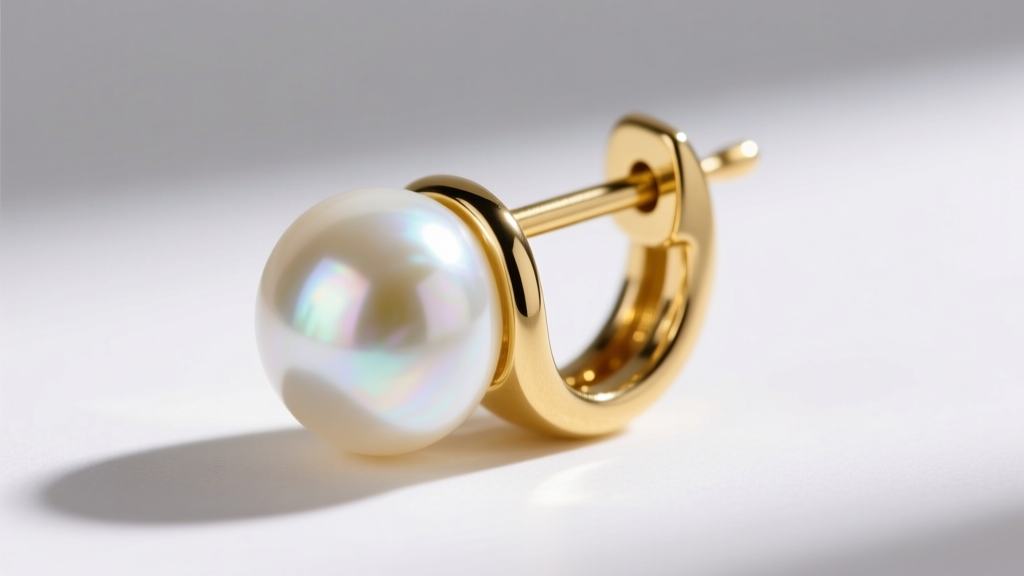
The gemstones are only half the equation. The structural integrity of your earrings relies entirely on the metal hardware and setting techniques. In the rush to keep prices under $100, many brands severely compromise on construction, leading to lost stones and irritated earlobes.
Post Gauge and Metal Purity
Standard ear piercings accommodate 20-gauge (0.81mm) or 18-gauge (1.02mm) posts. Budget brands often use ultra-thin 22-gauge wire to save on gold costs, which bends easily and can cause the earring to droop or fall out. Furthermore, if you have sensitive skin, avoid gold-plated brass or nickel-alloy bases. Opt for solid 14k gold, niobium, or high-quality 925 sterling silver with secure friction backs or screw-backs for heavy dangle designs.
Prong vs. Epoxy Settings
Jade cabochons and pearls are frequently set using jewelry epoxy rather than metal prongs or bezels. While epoxy is standard for flat-back pearls, it is a massive failure point in low-quality manufacturing. If the metal cup is not properly textured or cleaned before gluing, the pearl will pop out within months. For high-value jade cabochons, always look for bezel settings or secure prong work. If a piece relies entirely on glue, it should strictly fall into the entry-level budget tier.
Care and Longevity: Protecting Your Investment
Both jade and pearls are highly susceptible to chemical damage, making proper maintenance essential for preserving their resale and aesthetic value. Pearls are organic and porous; they will absorb hairspray, perfume, and skin acids, which dulls their luster and weakens the nacre. Always follow the 'last on, first off' rule: put your pearl and jade earrings on after applying cosmetics, and wipe them gently with a damp microfiber cloth before storing them.
Jade, particularly Type A, is remarkably tough but can suffer from surface scratching if stored haphazardly. Never store jade and pearl earrings in a communal jewelry box where diamond or sapphire pieces can scratch them. Store them individually in soft silk or velvet pouches. By understanding the nuanced grading of jadeite, the nacre requirements of pearls, and the structural demands of earring hardware, you can confidently navigate the 2026 market and build a collection that offers both profound beauty and genuine financial value.


