James Avery Earrings Studs: The Ultimate Buying Guide
Discover everything about James Avery earrings studs. Our 2026 buying guide covers gauge sizes, materials, pricing, and authenticity markers.

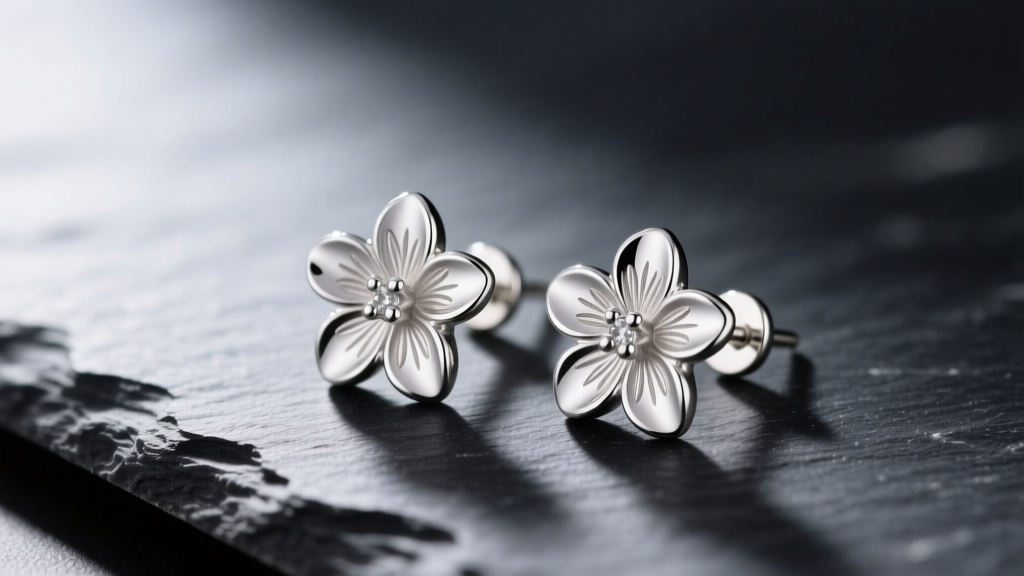
When building a curated, timeless jewelry collection, James Avery earrings studs consistently emerge as a top choice for both seasoned collectors and first-time buyers. Known for their artisan craftsmanship, distinctive Southwestern motifs, and enduring quality, these studs bridge the gap between everyday wearability and meaningful artistry. However, navigating the secondary market, understanding material grades, and selecting the correct gauge for your specific piercing requires a discerning eye. In this comprehensive 2026 buying guide, we break down exactly what to look for when investing in James Avery stud earrings, ensuring you get authentic, high-quality pieces that last a lifetime.
Why James Avery Studs Remain a Staple in 2026
While fast-fashion jewelry dominates social media feeds, the modern consumer is increasingly pivoting toward sustainable, heritage-driven brands. James Avery, founded in Kerrville, Texas, in 1954, has maintained its reputation by refusing to compromise on metal purity and casting quality. Unlike hollow-cast alternatives that dent easily, James Avery studs are typically solid cast or meticulously die-struck, giving them a satisfying weight and structural integrity. Whether you are looking for a subtle sterling silver cross, a delicate floral motif, or a bold turquoise cabochon, the brand's commitment to traditional silversmithing techniques ensures these pieces can be passed down as heirlooms.
Decoding the Materials: Silver, Gold, and Gemstones
Understanding the metallurgy and gemology behind James Avery earrings studs is critical for making an informed purchase and setting proper care expectations.
Sterling Silver (.925) and Intentional Oxidation
James Avery’s primary medium is .925 sterling silver, an alloy consisting of 92.5% pure silver and 7.5% copper. The copper adds necessary tensile strength but also makes the metal susceptible to tarnishing when exposed to sulfur and moisture. A signature element of many James Avery silver studs is intentional oxidation (often called antiquing). Artisans use a liver of sulfur solution to darken the recessed areas of the casting, creating high contrast and highlighting intricate textures. Buyer Warning: Never use abrasive silver dips or ultrasonic cleaners on oxidized James Avery studs, as this will strip the intentional darkening and leave the earring looking flat and washed out.
14K Gold Purity and Durability
For gold options, James Avery predominantly uses 14K gold (58.5% pure gold alloyed with metals like zinc, copper, or silver). While 18K gold offers a richer yellow hue, 14K is vastly superior for earring posts. The higher alloy content in 14K gold provides the rigidity needed to prevent the post from bending or snapping during daily wear and insertion.
Gemstone Sourcing and Stabilization
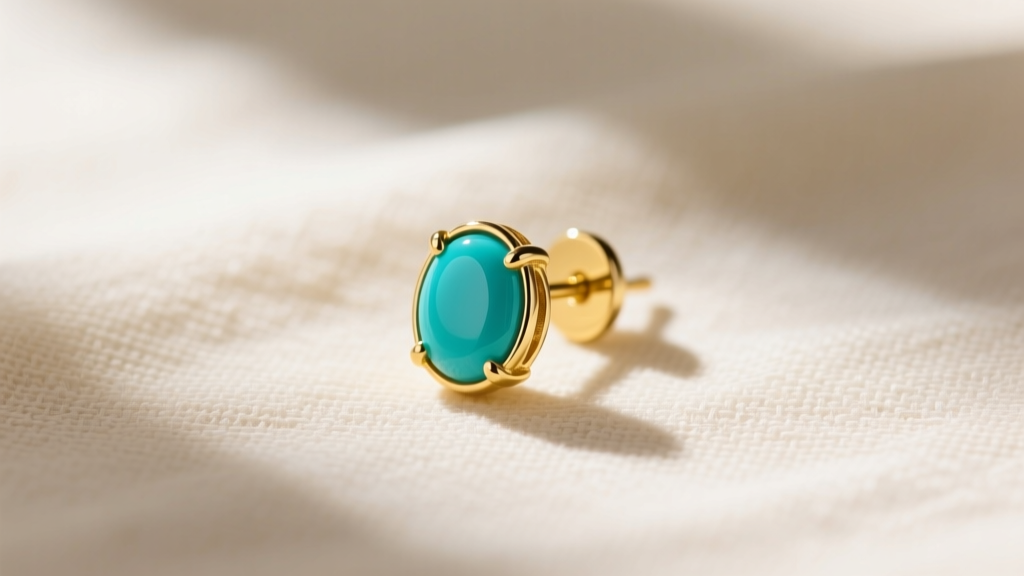
When purchasing studs featuring turquoise or opal, it is vital to understand industry-standard treatments. According to the GIA Gem Encyclopedia, the vast majority of turquoise used in Southwestern jewelry is stabilized with a clear epoxy resin. This is not a deceitful practice; rather, it prevents the naturally porous stone from absorbing skin oils, cracking, or shifting color over time. James Avery sources high-quality stabilized turquoise to ensure the cabochons remain vibrant and intact within their bezel settings.
Sizing, Gauge, and Post Specifications
One of the most overlooked aspects of buying stud earrings is the gauge (thickness) and length of the post. Wearing the wrong gauge can lead to irritation, especially in cartilage piercings. Below is a breakdown of the standard specifications you will encounter with James Avery earrings studs.
| Gauge Size | Diameter (mm) | Standard Post Length | Best Use Case |
|---|---|---|---|
| 20-Gauge (20G) | 0.81 mm | 10mm - 11mm | Standard earlobe piercings; lightweight silver motifs. |
| 18-Gauge (18G) | 1.02 mm | 11mm - 12mm | Thicker earlobes; heavier gemstone studs; some healed cartilage. |
| 16-Gauge (16G) | 1.29 mm | 6mm - 8mm | Rare for standard JA studs; mostly found in specialized cartilage or helix pieces. |
Expert Tip: If you are buying James Avery studs for a healed tragus or helix piercing, verify the post length. Standard 11mm lobe posts will stick out too far behind the ear, causing discomfort when sleeping. You may need to visit a local jeweler to have the post swapped for a shorter, flat-back labret post.
The Anatomy of a James Avery Stud
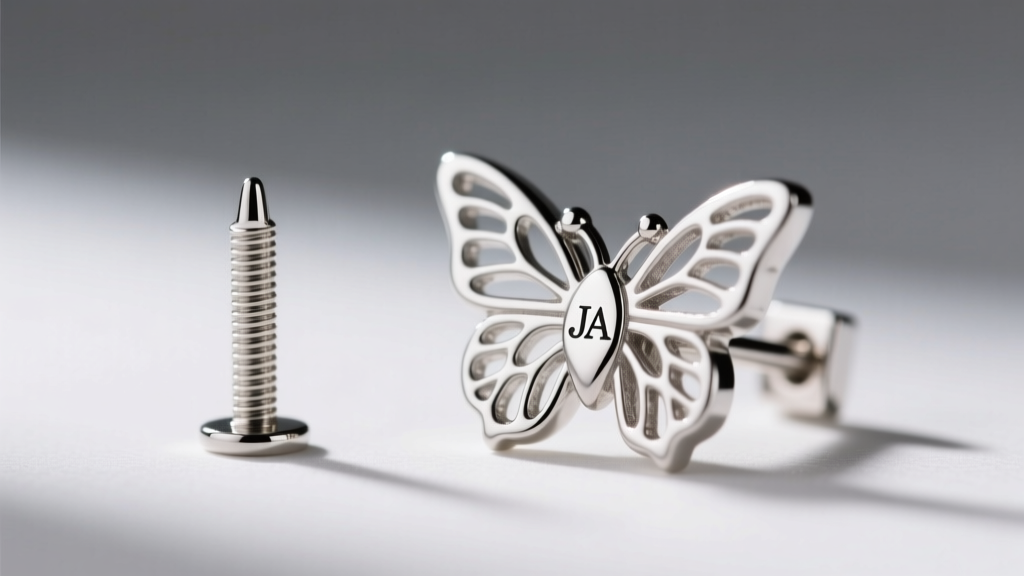
To evaluate the quality of a piece, you must understand how it is constructed. A genuine James Avery stud consists of three main components:
- The Head (Motif): Usually cast via the lost-wax method, ensuring sharp, detailed edges. Prong-set stones will have thick, rounded prongs that are hand-pushed over the gemstone girdle, minimizing snagging on clothing.
- The Post: High-end silversmiths solder the post to the back of the cast head. This creates a much stronger bond than casting the post and head as a single, continuous piece, which creates a brittle weak point at the base.
- The Clutch (Backing): James Avery typically supplies standard 'butterfly' friction backs. While secure for occasional wear, daily wearers often upgrade to silicone O-rings or locking metal clutches to prevent loss.
Authenticity Markers: Spotting Genuine Pieces
Because of the brand's popularity, the secondary market is flooded with counterfeits. When inspecting James Avery earrings studs, look for the following hallmarks:
- The Maker's Mark: Look for the interlocking 'JA' stamp.
- The Copyright Symbol: Authentic pieces will feature a '©' next to the JA mark.
- Metal Stamps: 'STERLING' or '925' for silver; '14K' for gold. These stamps are usually located on the flat back of the earring head or along the post itself.
- Packaging: Genuine new items come in the iconic brown James Avery box with a cotton insert and a brown ribbon. However, on the vintage or secondhand market, original packaging is often lost, so rely primarily on the metal hallmarks.
For definitive verification, you can cross-reference the piece's design with the archives on the official James Avery website or consult a certified gemologist.
Common Failure Modes and How to Avoid Them
Even premium jewelry requires maintenance. Here are the most common issues owners face with James Avery studs and how to troubleshoot them:
1. Bent Posts
Sterling silver is inherently soft. If you sleep in your 20G silver studs, the post will eventually bend. The Fix: Do not use standard metal pliers to bend it back, as the steel teeth will gouge the silver. Use nylon-jaw jewelry pliers to gently roll the post back into perfect alignment.
2. Loose Gemstones
Bezel-set cabochons can occasionally loosen if the earring is dropped on a hard tile floor, causing the silver bezel wall to warp slightly away from the stone. The Fix: Take the stud to a bench jeweler who can use a bezel pusher or a bezel roller to gently burnish the silver wall back against the stone. This is usually a quick, inexpensive repair.
3. 'Cheese-Cutter' Effect in Cartilage
Wearing a thin 20G stud in a heavy-gauge cartilage piercing can cause the thin wire to act like a cheese wire, slowly migrating through the tissue and causing tearing. The Fix: Reserve 20G James Avery studs strictly for standard earlobe piercings.
Pricing Guide and Value Retention
Understanding the pricing tiers helps you identify fair market value, whether buying retail or from a vintage reseller.
- Entry-Level ($40 - $80): Small sterling silver motifs (e.g., tiny hearts, simple crosses, basic flowers). These hold their value well and are excellent for gifts.
- Mid-Tier ($90 - $200): Larger oxidized silver pieces, freshwater pearl studs, and silver pieces featuring small faceted gemstones like amethyst or garnet.
- Premium ($250 - $700+): 14K gold options, diamond-accented studs, and large, high-grade turquoise or opal cabochons. Vintage 14K gold James Avery pieces often appreciate in value, especially retired designs that have developed a cult following among collectors.
Final Verdict: Which Stud Should You Buy?
When selecting your James Avery earrings studs, align your choice with your lifestyle and anatomy. If you have active hobbies or frequently use headphones, opt for low-profile, bezel-set silver studs that won't snag. If you are buying for a mature earlobe that has stretched slightly over the years, seek out 18G options or upgrade the backing to a secure silicone disc to distribute the weight evenly. Ultimately, James Avery’s dedication to solid casting, ethical sourcing, and timeless design makes their stud earrings a remarkably safe and rewarding investment in the modern jewelry landscape.


