Jay King Earrings: 2026 Artisan Gemstone Trend Analysis
Discover how Jay King earrings are defining 2026 jewelry trends. Explore artisan gemstone drops, vermeil quality, and expert styling frameworks.

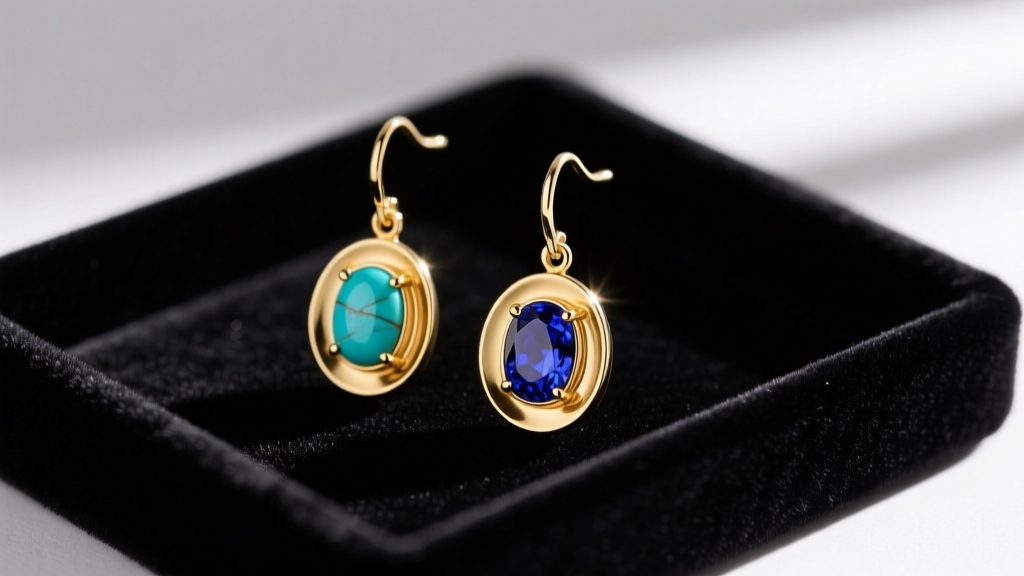
The Shift Toward Artisan Maximalism
The jewelry landscape in 2026 has decisively pivoted away from the ultra-minimalist, barely-there studs that dominated the early 2020s. Today’s collectors and style enthusiasts are gravitating toward pieces with narrative weight, artisanal craftsmanship, and bold geological statements. At the forefront of this maximalist renaissance are Jay King earrings, a staple for those who appreciate Southwestern heritage blended with contemporary global aesthetics. Known for his masterful use of turquoise, lapis lazuli, and mixed-metal vermeil, King’s designs offer a masterclass in wearable art. This analysis breaks down the material integrity, styling mechanics, and market positioning of these iconic pieces in the current luxury-accessories climate.
As mass-produced, machine-stamped jewelry floods the fast-fashion market, collectors are increasingly seeking the 'hand of the maker.' Jay King's designs, characterized by intricate wire-wrapping, oxidized silver accents, and hand-selected cabochons, satisfy this craving for authenticity. In 2026, wearing bold, artisan-crafted earrings is no longer just a style choice; it is a statement of curatorial intent.
Deconstructing the Signature Silhouette
Jay King’s design philosophy relies heavily on the 'drop' and 'dangle' silhouettes. Unlike static studs, his earrings are engineered for kinetic movement. The 2026 trend cycle heavily favors what gemologists and stylists term 'kinetic jewelry'—pieces that catch ambient light and shift with the wearer's natural gait. King frequently employs articulated hinges and elongated bezel-set cabochons to achieve this dynamic effect.
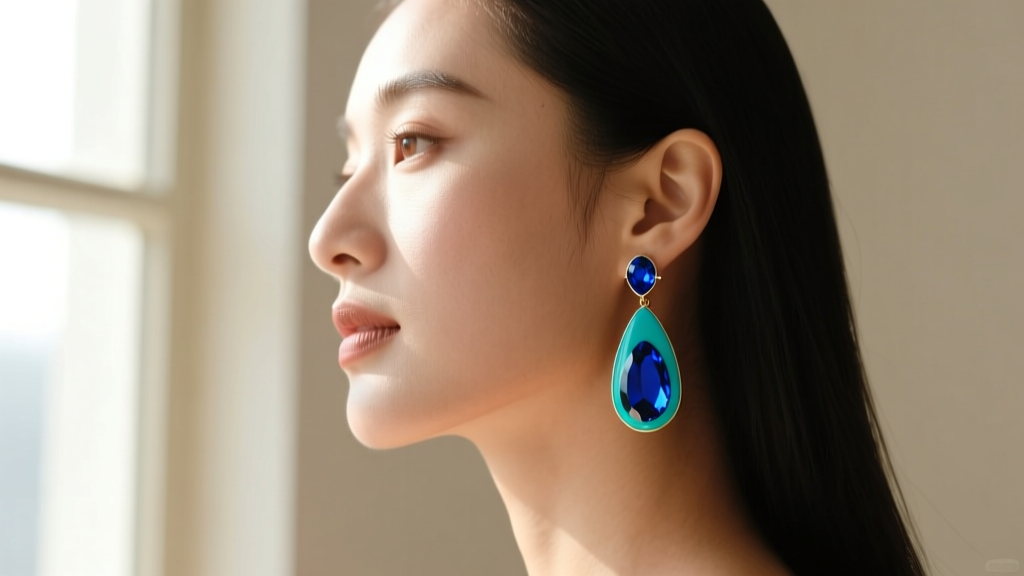
A signature move in his collections is the graduated teardrop, where a smaller lapis or turquoise stone suspends a larger, heavily matrixed counterpart. This not only creates visual depth but also lowers the center of gravity, allowing the earring to swing fluidly without pulling excessively on the earlobe. Furthermore, the integration of mixed metals—such as pairing warm 18k yellow gold vermeil with cool, oxidized sterling silver filigree—creates a multidimensional texture that reads as both vintage and decidedly modern.
Gemstone Matrix: The Beauty of Imperfection
One of the most defining characteristics of Jay King earrings is the unapologetic celebration of gemstone matrix. In an era where synthetic, flawless stones are easily manufactured, the market has swung hard toward the unique imperfections of natural earth-mined gems.
'The modern collector doesn't want a uniform, dyed stone. They want the fingerprint of the earth. A heavy brown or black matrix in turquoise is no longer seen as a flaw; it is the ultimate proof of authenticity and geological origin.' — 2026 Global Gemological Trend Report
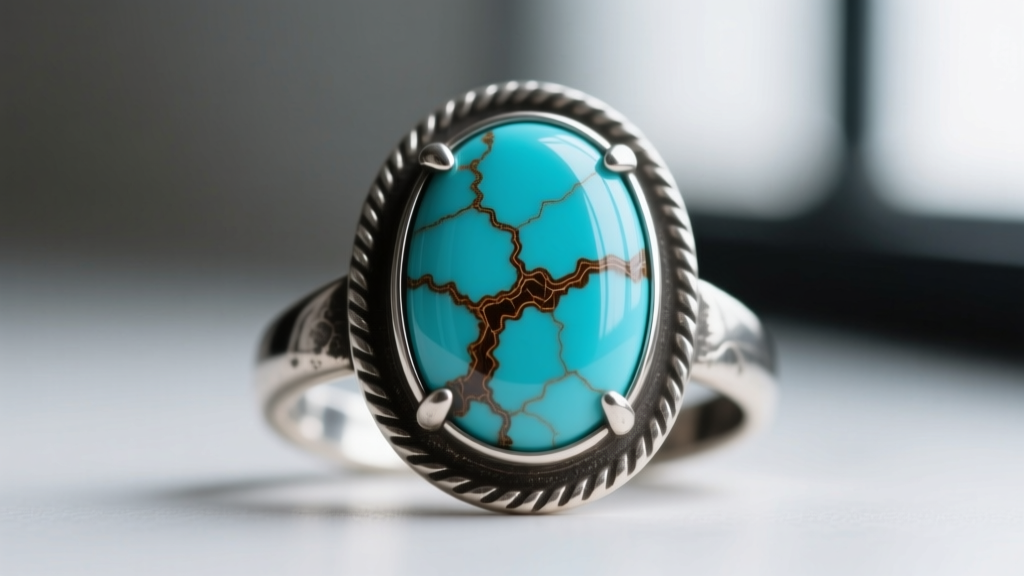
King frequently utilizes stones with a 'spiderweb' matrix, where fine, intricate veins of host rock (often limonite or sandstone) web across the blue or green surface of the turquoise. He also favors golden web matrices, which provide a striking, warm contrast against cool blue lapis lazuli. Understanding these variations is crucial for buyers looking to invest in pieces that hold their aesthetic and monetary value over time.
Material Science: Vermeil, Silver, and Stabilized Stones
To understand the true value proposition of these earrings, one must look past the aesthetic and examine the metallurgical and gemological specifications. King predominantly utilizes 925 sterling silver as a base, heavily plated with 18k yellow gold vermeil. According to industry standards verified by the Federal Trade Commission, true vermeil requires a gold layer of at least 2.5 microns thick over a sterling silver base. This thickness is crucial for longevity, ensuring the gold layer withstands years of friction and skin acidity without wearing down to the silver core.
Furthermore, the turquoise used in high-end artisan jewelry is rarely left in its raw, porous state. Most premium pieces utilize stabilized turquoise or stones treated with the Zachery treatment, a proprietary method that enhances durability and color retention without introducing artificial dyes or polymers that degrade over time. This ensures the stones survive exposure to cosmetics, perfumes, and natural skin oils without experiencing the dreaded 'color shift' or cracking.
| Material Component | Specification / Grade | Durability Factor | 2026 Market Price Range |
|---|---|---|---|
| Base Metal | 925 Sterling Silver | High (Resists warping) | N/A (Base component) |
| Plating | 18k Yellow Gold Vermeil | Excellent (at 2.5+ microns) | Adds 20-30% to value |
| Turquoise | Stabilized / Zachery Treated | High (Prevents oil absorption) | $40 - $150 per carat |
| Lapis Lazuli | Afghan Origin, High Pyrite | Medium (Scratch-prone) | $20 - $80 per carat |
Face Shape and Gauge Weight Framework
Heavy gemstone earrings present a unique structural challenge: weight distribution. Standard lightweight studs typically use 22-gauge or 20-gauge posts. However, a multi-stone Jay King dangle can easily exceed 12 grams per earring. To prevent the 'piercing droop' effect—where the weight of the jewel pulls the earlobe downward and exposes the post hole—King often employs thicker 18-gauge posts or reinforced French wire hooks with secure silicone stoppers.
When styling these substantial pieces, balancing facial proportions is key. The elongated teardrop silhouettes are exceptionally flattering for round and square face shapes, as the vertical lines create an optical illusion of length and soften strong jawlines. Conversely, those with long or oblong face shapes should opt for his wider, clustered hoop or huggie designs. These horizontal silhouettes add necessary volume to the sides of the face, creating a more balanced, harmonious profile. For oval faces, the wearer has the versatility to pull off virtually any silhouette, from dramatic shoulder-dusting chandeliers to compact, geometric studs.
Market Value and Collector Appeal
Originally popularized through exclusive broadcasting partnerships, the secondary market for retired Jay King earrings has surged in recent years. Limited-run 'Mine Finds' or specific high-grade Sleeping Beauty turquoise pieces now command premium prices on collector forums and resale platforms. The permanent closure of the legendary Sleeping Beauty mine in Arizona years ago continues to echo through the 2026 market, making any verified vintage pieces featuring this clear, robin's-egg blue turquoise highly sought after.
While a standard pair of lapis vermeil drops might retail between $80 and $150 on primary markets, archived pieces featuring rare Chinese turquoise, intricate gold filigree, or unique artisan hallmarks can easily fetch $300 to $500 from dedicated collectors. Investing in these earrings is not merely about acquiring an accessory; it is about securing a piece of contemporary Southwestern jewelry history.
Final Verdict: The 2026 Styling Outlook
Jay King earrings represent a vital intersection of geological appreciation and artisanal metallurgy. In a 2026 fashion climate that rewards individuality and bold self-expression, these pieces offer a sophisticated alternative to mass-market luxury. By understanding the material grades, respecting the weight dynamics of the gauge, and styling according to facial geometry, wearers can elevate these gemstone drops from simple accessories to cornerstone elements of their personal style archive. Whether you are drawn to the deep, celestial blues of high-pyrite lapis or the earthy, webbed matrices of stabilized turquoise, the artisan drop earring remains an undisputed trend leader for the discerning collector.


