John Michael Richardson Earrings: Ultimate Care & Cleaning Guide
Discover expert care, cleaning, and storage tips for John Michael Richardson earrings. Protect your vermeil, sterling silver, and CZ pieces.

John Michael Richardson (JMR) earrings are celebrated for bridging the gap between high-end luxury and accessible pricing. Known for their intricate designs, the brand frequently utilizes materials like 14k and 18k gold vermeil, 925 sterling silver, and precision-cut cubic zirconia (CZ). However, these specific material combinations require a nuanced approach to maintenance. Unlike solid 14k gold or platinum, vermeil and silver are susceptible to environmental tarnish, plating wear, and chemical degradation if cleaned with generic jewelry dips. In this comprehensive 2026 guide, we break down the exact chemical and mechanical care protocols required to preserve the luster, structural integrity, and stone clarity of your John Michael Richardson earrings.
Understanding Your John Michael Richardson Earrings Materials
Before applying any cleaning solution, you must identify the base metal and the plating thickness. According to the Federal Trade Commission (FTC) Jewelry Guides, gold vermeil must consist of a sterling silver base coated with at least 2.0 microns of gold (usually 14k or 18k). JMR pieces often lean toward the higher end of this spectrum to ensure longevity, but the gold layer remains a surface application.
The Chemistry of Tarnish in JMR Sterling Silver
Sterling silver is an alloy comprising 92.5% pure silver and 7.5% copper. The copper is added for durability, but it is also the culprit behind tarnish. When copper is exposed to moisture and sulfur compounds in the air (or in your skin's natural pH), it undergoes an oxidation reaction, forming copper sulfide. This manifests as the dull, yellowish-brown or black film on your silver earrings. If your JMR earrings are gold vermeil, the tarnish will only appear if the gold plating has worn thin or chipped, exposing the sterling silver core beneath.
Cubic Zirconia (CZ) and Glass Crystal Settings
JMR frequently uses high-grade CZ and glass crystals for their pavé and halo designs. While CZ is relatively hard (8.0 to 8.5 on the Mohs scale), it is microscopically porous. Over time, these microscopic pores trap sebum, dead skin cells, and cosmetic residues, causing the stones to look cloudy and dull, mimicking the appearance of a lower-quality gemstone.
The Step-by-Step Cleaning Protocol for JMR Earrings
Forget harsh commercial silver dips. To maintain the integrity of both the gold plating and the gemstone settings, you need a gentle, surfactant-based cleaning method. The Jewelers of America recommends mild, phosphate-free liquid dish soap as the safest baseline for mixed-material jewelry.
Phase 1: The Soak and Agitate Method
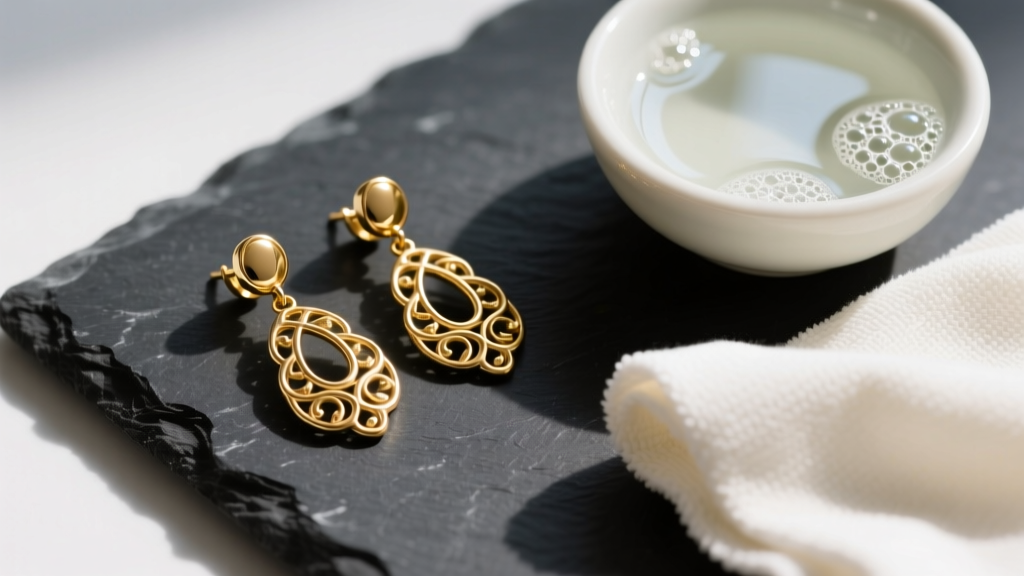
- Prepare the Solution: Fill a small ceramic or glass bowl with lukewarm (not hot) distilled water. Hot water can expand the metal settings, potentially loosening the adhesive or prongs holding your CZ stones. Add three drops of a phosphate-free, gentle dish detergent (such as Dawn Free & Clear).
- Soak (Briefly): Submerge your JMR earrings for no more than 3 to 5 minutes. Prolonged soaking can degrade the adhesive used in certain pavé settings and weaken the bond of the gold vermeil plating.
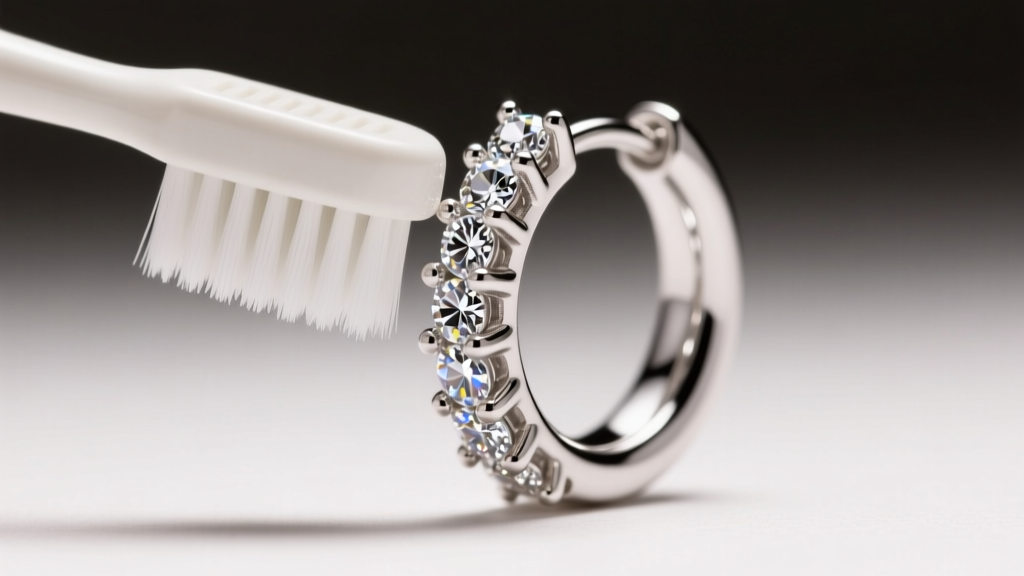
- Agitate: Using an extra-soft baby toothbrush (the bristles are significantly finer and less abrasive than standard toothbrushes), gently brush the earrings. Focus on the backs of the settings and the crevices where the earring post meets the backing, as this is where skin oils accumulate.
- Rinse and Dry: Rinse the earrings under a gentle stream of lukewarm distilled water. Immediately pat them dry with a clean, lint-free microfiber cloth. Never use paper towels, as the wood pulp fibers can inflict micro-scratches on the gold vermeil surface.
Phase 2: Polishing the Sterling Silver (Unplated Pieces)
For JMR earrings that are raw sterling silver without gold plating, you can use a treated polishing cloth, such as a Sunshine Cloth. These cloths are impregnated with micro-abrasives and anti-tarnish agents. Rub the silver gently in a back-and-forth motion (not in circles, which can highlight scratches). Avoid rubbing the polishing cloth directly over any oxidized (blackened) detailing, as you will strip the intentional contrast.
What to Avoid: Common Mistakes That Ruin JMR Jewelry
Maintenance is as much about what you don't do as what you do. Below is a breakdown of the most common errors that destroy gold vermeil and sterling silver earrings.
| Hazard / Practice | Why It Damages JMR Earrings | Safe Alternative |
|---|---|---|
| Ultrasonic Cleaners | High-frequency vibrations can shatter CZ stones, shake stones out of their prongs, and strip gold vermeil plating. | Manual baby toothbrush cleaning with mild soap. |
| Commercial Silver Dip | Contains thiourea and harsh acids that will instantly dissolve gold plating and leave vermeil looking patchy and raw. | Use a dry microfiber polishing cloth designed for gold. |
| Paper Towels / Tissues | Wood pulp fibers act like sandpaper on a microscopic level, creating swirl marks on high-polish gold and silver. | 100% cotton or microfiber jewelry cloths. |
| Applying Hairspray/Perfume | Alcohol and aerosol propellants degrade the gold layer and leave a cloudy, irremovable film on CZ stones. | Put earrings on after all cosmetics and fragrances have dried. |
Proper Storage & Tarnish Prevention
How you store your John Michael Richardson earrings when they aren't being worn dictates how often you need to clean them. Tarnish is an environmental reaction; removing the environmental triggers drastically reduces maintenance time.
The Anti-Tarnish Micro-Environment
Never store JMR earrings in an open dish on your bathroom vanity. The humidity from showers accelerates copper oxidation in sterling silver. Instead, create a controlled micro-environment:
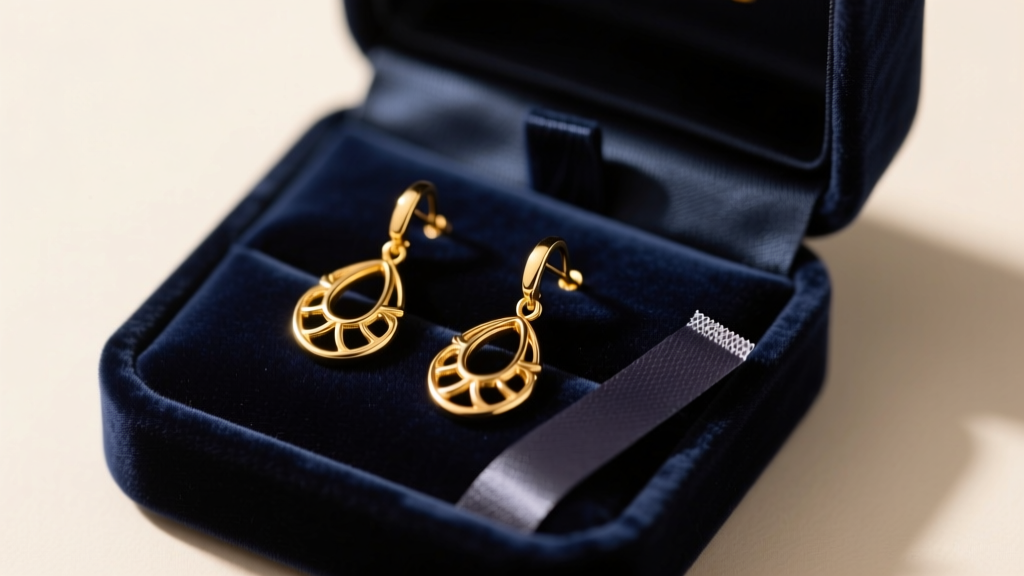
- Airtight Containment: Store each pair in its own small, zip-top polyethylene bag. Squeeze out excess air before sealing.
- Anti-Tarnish Strips: Place a 3M anti-tarnish strip inside the bag or your jewelry box drawer. These strips absorb airborne sulfur compounds before they can react with your silver.
- Silica Gel Packets: Toss a small silica gel packet into your main jewelry box to regulate ambient humidity, keeping the environment bone-dry.
- Isolate the Pieces: JMR earrings often feature intricate metalwork and prongs. Storing them loosely together can cause the harder CZ stones to scratch the softer gold and silver metals.
Troubleshooting Common Wear Issues
Even with meticulous care, mechanical wear and tear happens. Here is how to troubleshoot specific issues common to JMR earring designs.
Straightening Bent Earring Posts
Because JMR uses 925 sterling silver for their posts, the metal is relatively soft and can bend if dropped or snagged on a sweater. Do not use standard steel needle-nose pliers, as the hardened steel teeth will gouge and scratch the silver. Instead, invest in a pair of nylon-jaw jewelry pliers. Grip the bent post gently at the base and apply slow, steady pressure to bend it back into a 90-degree alignment. If the post is bent exactly at the solder joint (where it meets the earring back), stop immediately; attempting to straighten it may snap the solder. Take it to a local jeweler for a quick laser-weld repair.
Fixing Stiff Leverback and Huggie Clasps
JMR's huggie hoops and leverback dangles rely on tiny, precision-hinged clasps. Over time, skin oils and microscopic debris can cause these hinges to stiffen or click improperly. To fix this, dip the very tip of a wooden toothpick into a tiny drop of food-grade mineral oil. Apply the oil directly into the hinge crevice, then open and close the clasp 10 to 15 times to work the lubricant into the joint. Wipe away any excess oil with a microfiber cloth to prevent it from attracting dust.
Restoring Cloudy Cubic Zirconia
If your JMR CZ earrings remain cloudy even after a soap-and-water wash, the stones likely have a buildup of hard water minerals or stubborn cosmetic silicones. Dampen a cotton swab with a 50/50 mixture of distilled white vinegar and distilled water. Carefully swab the surface of the CZ stones, avoiding the metal settings as much as possible. The mild acetic acid will dissolve the mineral deposits and silicone films, restoring the stone's original light refraction and brilliance. Rinse immediately with distilled water and dry thoroughly.


