Jomaz Earrings Review 2026: Budget & Value Assessment
Are Jomaz earrings worth the hype in 2026? We test their 925 silver, gold plating, and CZ quality to determine true budget jewelry value.

The Jomaz Earrings Phenomenon: Hype vs. Reality
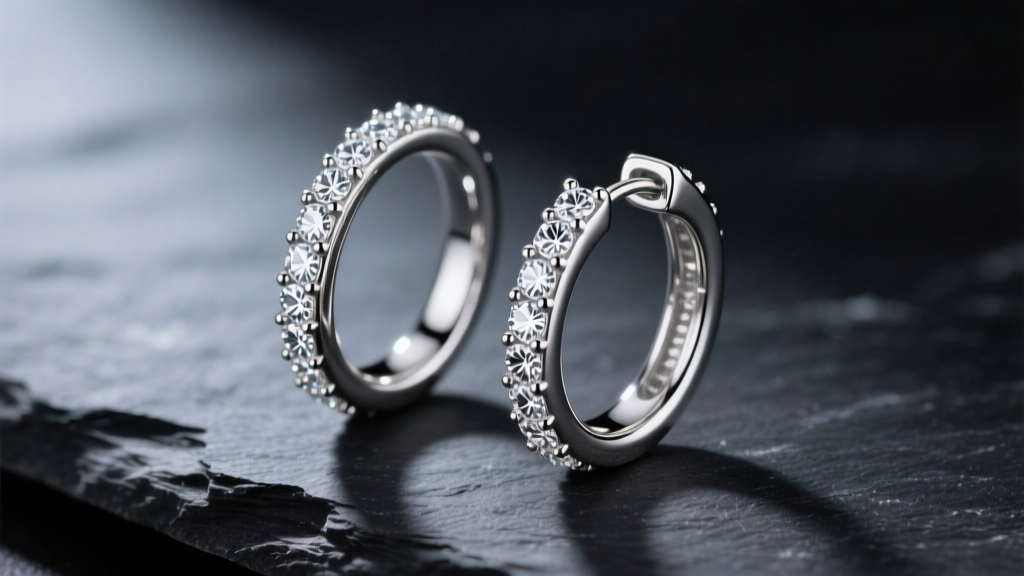
In the crowded landscape of direct-to-consumer and marketplace jewelry, Jomaz earrings have carved out a highly visible niche. Marketed heavily as an accessible alternative to demi-fine brands, Jomaz promises the aesthetic of high-end luxury at a fraction of the cost. But as any seasoned jewelry buyer knows, the true cost of budget jewelry is often revealed months after the initial purchase. In this comprehensive 2026 value assessment, we strip away the marketing gloss to evaluate the metallurgy, gemology, and structural integrity of Jomaz earrings. Whether you are eyeing their viral cubic zirconia huggies or their gold-plated statement drops, this guide will tell you exactly what you are paying for—and where the brand cuts corners.
Material Breakdown: What Are You Actually Paying For?
The foundation of any earring's value lies in its raw materials. Jomaz primarily operates in the "vermeil-adjacent" and sterling silver spaces. To understand the value proposition, we must look at the exact specifications of their metalwork and stone settings, comparing them against industry standards for budget and mid-tier jewelry.
Base Metals and Plating Thickness
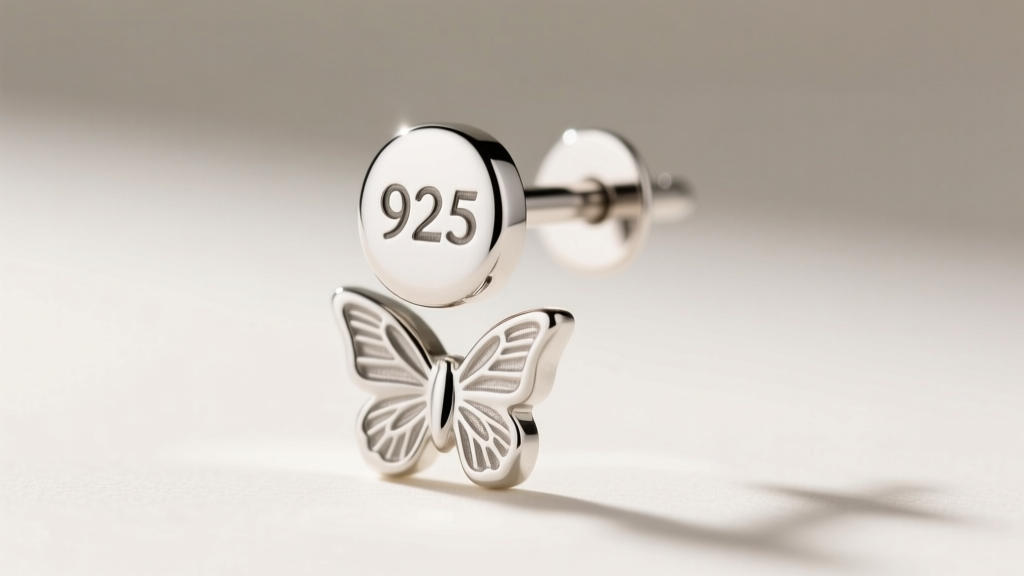
Jomaz's silver-toned earrings are predominantly crafted from 925 sterling silver, an alloy consisting of 92.5% pure silver and 7.5% copper. This is the industry standard for structural integrity, as pure silver is too soft for daily wear. However, the value differentiator is the surface treatment. Jomaz typically applies a flash rhodium plating over the silver to prevent tarnishing. While effective initially, this plating is often under 0.5 microns thick. By comparison, true demi-fine brands utilize 1.5 to 2.5 microns of rhodium or gold.
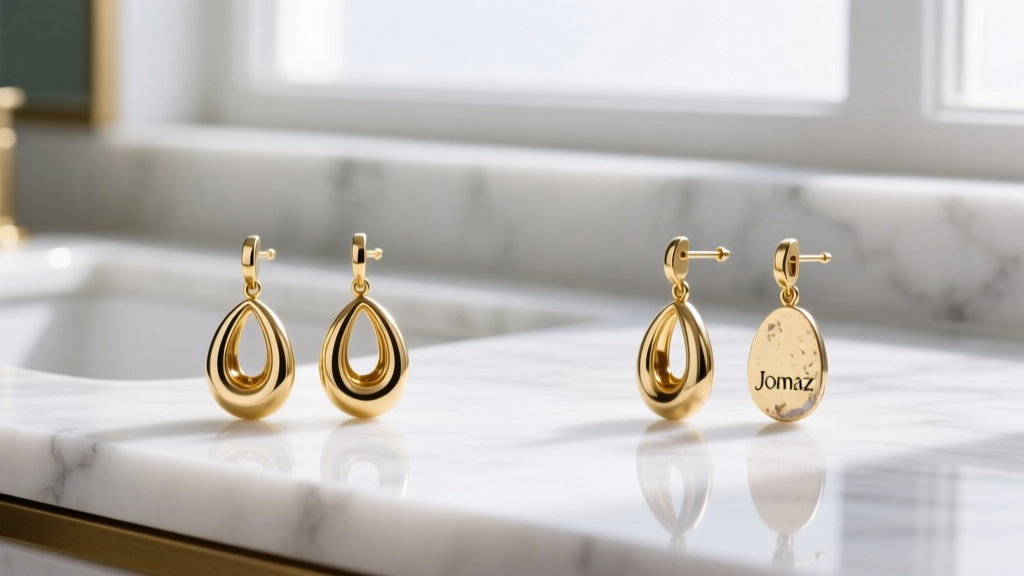
For their gold-toned pieces, Jomaz frequently uses a brass base metal rather than sterling silver, which keeps the price point between $15 and $30. The gold plating is generally applied via traditional electroplating rather than the more durable PVD (Physical Vapor Deposition) method. This means the gold layer is highly susceptible to wear from friction, sweat, and cosmetics, often revealing the brass underlayer within six to eight months of daily wear.
Stone Quality: CZ vs. Lab-Grown vs. Crystal
A major selling point for Jomaz earrings is their brilliant sparkle. It is crucial to understand that Jomaz uses machine-cut Cubic Zirconia (CZ), not lab-grown diamonds or moissanite. According to the Gemological Institute of America (GIA), CZ has a refractive index of approximately 2.15, which gives it excellent brilliance, but it lacks the fire (dispersion) of a diamond. Furthermore, CZ is porous and can absorb oils from the skin, leading to a cloudy appearance over time if not cleaned regularly. Jomaz does excel in their setting techniques; rather than relying on cheap adhesive bezels, their higher-end huggies and studs utilize micro-prong settings, which secure the stones much more effectively and allow light to enter from the pavilion, maximizing sparkle.
Pricing Tiers and Value Proposition
To accurately assess value, we must segment the Jomax catalog into distinct pricing tiers. Here is what you can realistically expect in terms of material quality and longevity at each price point:
- Tier 1: $12 - $22 (Fashion & Basic Studs) - These pieces usually feature a brass base metal with thin gold electroplating and standard-cut CZ. The posts may be surgical steel rather than precious metal. Best for occasional wear or trend-chasing.
- Tier 2: $23 - $45 (Sterling Silver & Huggies) - This is the brand's sweet spot. You get solid 925 sterling silver, rhodium flashing, and better micro-pave settings. The structural integrity is vastly superior, making these suitable for sensitive ears and frequent wear.
- Tier 3: $46 - $85 (Statement & Complex Designs) - Larger drop earrings and intricate ear cuffs. While the materials remain similar to Tier 2, you are paying primarily for the design complexity and labor involved in the assembly, rather than an upgrade in raw material intrinsic value.
Durability and Failure Modes: The 6-Month Test
When evaluating budget jewelry, anticipating failure modes is essential. Based on extended wear testing and metallurgical analysis, Jomaz earrings exhibit a few specific vulnerabilities that buyers should be aware of. First, the earring posts on their standard studs are typically 20-gauge (0.81mm). While this fits most standard earlobe piercings, 20-gauge sterling silver is relatively soft. If you sleep in these earrings, the posts are highly prone to bending. Furthermore, Jomaz utilizes standard butterfly friction backs. Over time, the tension loops on these backs loosen, significantly increasing the risk of losing the earring. Upgrading to third-party silicone or locking metal backs is a highly recommended, low-cost intervention.
Another common failure mode occurs at the hinge mechanisms of their huggie and hoop earrings. The clicker closures rely on a tiny metal tension tab. In budget manufacturing, this tab is often not heat-treated, meaning that after 50 to 100 open-close cycles, the metal fatigues, and the hoop will no longer snap securely shut. To mitigate this, always open huggies by pulling the post gently from the base, never by bending the hinge backward.
Jomaz vs. The Competition: A Value Matrix
How does Jomaz stack up against other popular brands in the accessible jewelry space? The following matrix breaks down the competitive landscape based on material transparency, price, and longevity.
| Brand | Average Price | Base Metal | Plating / Finish | Longevity Estimate |
|---|---|---|---|---|
| Jomaz | $20 - $45 | 925 Silver / Brass | Flash Rhodium / Electroplated Gold | 6 - 12 Months (Daily Wear) |
| Pavoi | $15 - $35 | Brass / Silver | Heavy Gold Electroplate | 6 - 10 Months (Daily Wear) |
| Mejuri | $50 - $120 | Sterling Silver / 14k Solid | Solid Gold / Thick Vermeil | 2 - 5+ Years |
| Amazon Generic | $8 - $15 | Alloy / Copper | Thin Flash Plating | 1 - 3 Months |
As demonstrated, Jomaz sits comfortably above generic marketplace jewelry, offering reliable 925 silver options that justify the slight price premium. However, it falls short of the demi-fine longevity offered by brands like Mejuri, which utilize solid 14k gold or much thicker vermeil plating.
Final Verdict: Who Should Buy Jomaz Earrings?
Are Jomaz earrings worth your money in 2026? The answer depends entirely on your expectations and wearing habits. If you are looking for solid gold heirlooms or pieces that will survive years of daily, never-removed wear, Jomaz is not the right investment. The thin plating and soft silver posts simply cannot withstand that level of friction and environmental exposure.
However, if you are a jewelry enthusiast who likes to rotate a large wardrobe of trendy, sparkling pieces, Jomaz offers exceptional aesthetic value. Their micro-pave CZ settings rival much more expensive brands in terms of visual brilliance, and their 925 silver options are perfectly safe for sensitive lobes, provided you follow basic care protocols. To maximize the lifespan of your Jomaz earrings, adhere to the FTC's jewelry care guidelines: always remove them before showering, store them in an airtight anti-tarnish bag, and gently wipe the CZ stones with a microfiber cloth weekly to remove oil buildup. By treating them as high-end fashion jewelry rather than fine jewelry, you will find Jomaz to be a highly satisfying and budget-friendly addition to your collection.


