Expert Care and Cleaning Tips for Juste Un Clou Earrings
Learn expert cleaning and maintenance tips for your Juste un Clou earrings. Protect 18k gold and diamonds from daily wear with our detailed care guide.

The Anatomy of an Icon: Understanding Your Juste Un Clou Earrings
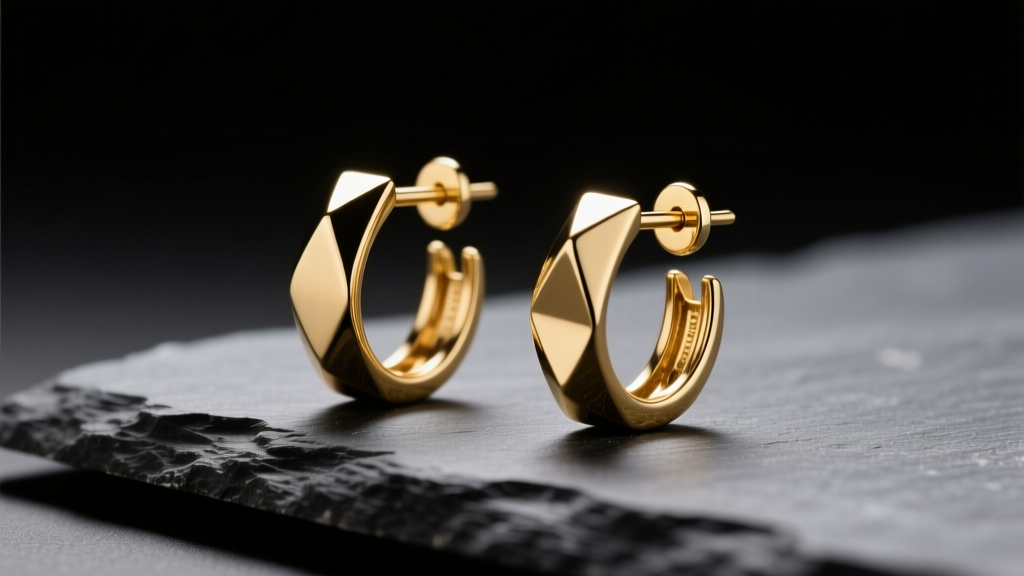
Cartier’s Juste un Clou collection, originally conceived by Aldo Cipullo in the 1970s, translates the mundane hardware of a nail into high jewelry. When adapted into Juste un Clou earrings, this iconic design wraps the earlobe in a continuous curve of 18-karat gold, often terminating in a sharp nail point or a diamond-paved nail head. While these earrings are masterpieces of modernist design, their unique geometry and premium materials demand a highly specific maintenance regimen. Unlike standard stud earrings, the wrapping nail motif creates crevices where sebum, cosmetics, and environmental pollutants accumulate, requiring a meticulous approach to cleaning and care.
Material Science: 18K Gold and Diamond Vulnerabilities
To properly care for these earrings, one must first understand the metallurgy of 18-karat gold. Composed of 75% pure gold and 25% alloy metals, 18K gold strikes a balance between rich color and structural integrity. However, on the Mohs scale of mineral hardness, pure gold ranks at a mere 2.5 to 3. This means your earrings are highly susceptible to micro-scratches from everyday contact with harder materials. Furthermore, the specific alloy mix dictates the care required: yellow gold relies on silver and copper, rose gold increases the copper content for its pink hue, and white gold utilizes palladium or nickel before being plated with rhodium. Each variation reacts differently to environmental chemicals, making a one-size-fits-all cleaning approach inadequate.
The Chemistry of Tarnish and Sebum Build-up
Human skin continuously produces sebum, an oily substance designed to lubricate the epidermis. When sebum mixes with dead skin cells, hair products, and ambient dust, it forms a stubborn, opaque film that clings to the gold and settles beneath the girdle of any paved diamonds. This film not only dulls the reflective brilliance of the metal but also creates a localized acidic environment that can slowly degrade the alloy metals in the gold mixture over time, leading to a loss of luster and potential skin irritation.
Step-by-Step Cleaning Protocol
Follow this exact methodology to safely restore the brilliance of your earrings without compromising the metal finish or the integrity of the gemstone settings. According to the Gemological Institute of America (GIA), gentle mechanical action combined with mild surfactants is the safest way to clean diamond and gold jewelry at home.
Required Tools
- Distilled water (tap water contains chlorine and hard minerals that can spot the gold)
- Ammonia-free, phosphate-free mild dish soap
- A brand-new, ultra-soft baby toothbrush (standard toothbrushes have bristles that are too stiff and will scratch 18K gold)
- Lint-free microfiber jeweler’s cloth
- Isopropyl alcohol (70% or higher) for hardware sanitization
The Cleaning Process
- Prepare the Solution: Mix three parts distilled water with one part mild dish soap in a glass bowl. Ensure the water is lukewarm, never hot, as extreme temperature shifts can stress gemstone settings.
- The Soak: Submerge the earrings for exactly 10 to 15 minutes. This allows the surfactant to break down the lipid bonds of the sebum without prolonged exposure to moisture.
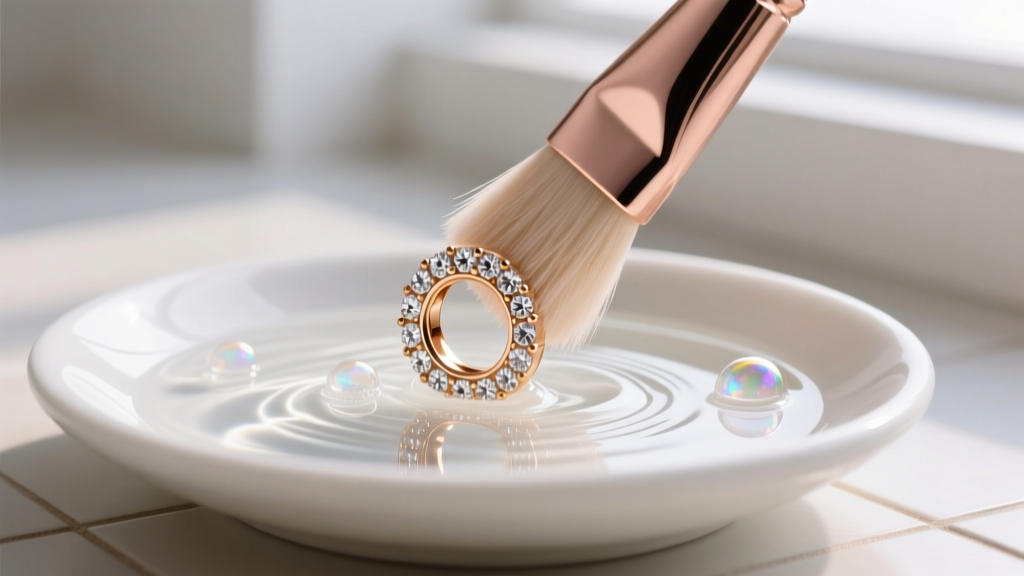
- Mechanical Agitation: Using the baby toothbrush, gently sweep in circular motions around the nail head, the curve of the hoop, and the nail point. If your pair features paved diamonds, brush gently from the side to dislodge dirt from beneath the pavé setting.
- The Rinse: Rinse thoroughly under a slow stream of fresh distilled water to remove all soap residue.
- Drying: Pat dry with the microfiber cloth. Never use paper towels or tissues, as the wood pulp fibers they contain are hard enough to inflict micro-scratches on the polished gold surface.
"Never use ultrasonic cleaners on paved diamond or tsavorite Juste un Clou earrings. The high-frequency acoustic cavitation can easily loosen the delicate micro-prongs securing the melee stones, leading to catastrophic gem loss."
Maintenance Matrix: Frequency and Methodology
Consistent maintenance is the cornerstone of preserving high jewelry. Refer to the table below to establish a sustainable care routine for your collection.
| Maintenance Task | Frequency | Methodology & Notes |
|---|---|---|
| Surface Wipe | Daily | Use a dry microfiber cloth to remove oils and cosmetics after wearing. |
| Deep Soak & Brush | Bi-Weekly | Utilize the distilled water and soap protocol outlined above. |
| Hardware Sanitization | Monthly | Wipe the earring post and clutch with isopropyl alcohol to prevent dermatitis. |
| Professional Inspection | Annually | Visit a Cartier boutique for prong tightening, rhodium re-plating, and ultrasonic steam cleaning. |
Hardware Maintenance: Securing the Clutch and Post
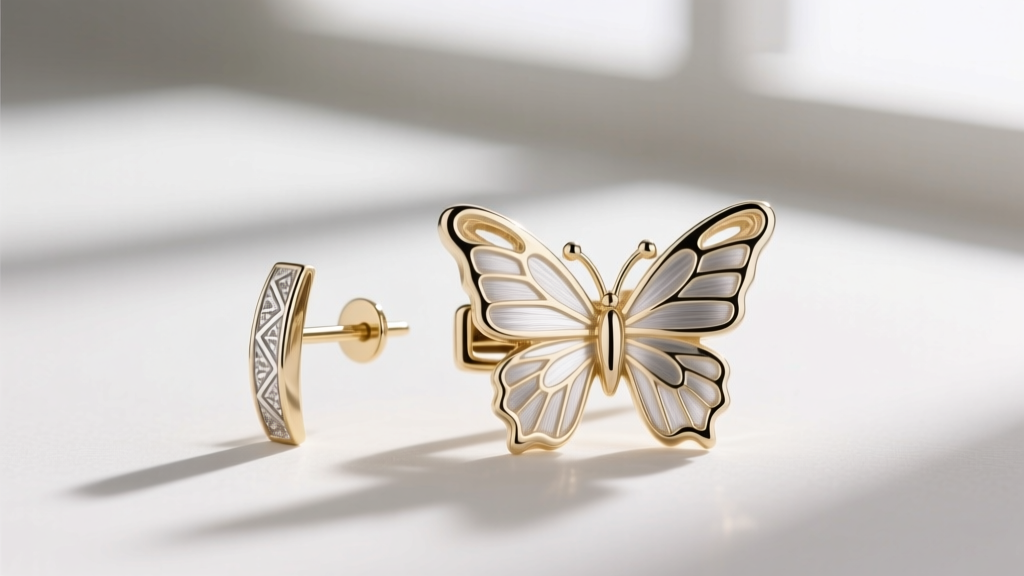
The hardware of your Juste un Clou earrings—specifically the post and the butterfly clutch or screw-back mechanism—is a critical failure point if neglected. The interior of the earring clutch acts as a trap for dead skin cells and bacteria. Over time, this buildup can cause the metal spring mechanism inside the clutch to seize or lose its tension, resulting in the earring falling off and being lost. Once a month, detach the clutches and soak them in a small cap of 90% isopropyl alcohol for five minutes. Use a wooden toothpick to carefully extract any compacted debris from the tension grooves. Allow them to air dry completely before reattaching.
Special Considerations for White Gold and Paved Diamonds
If you own the 18K white gold iteration of the Juste un Clou earrings, you must account for rhodium plating. White gold is naturally a faint, warm yellow-gray; it is plated with rhodium, a platinum-group metal, to achieve its brilliant, mirror-like white finish. Friction from daily wear, combined with the natural pH of your skin, will eventually wear this plating away, revealing the yellowish alloy beneath. To prolong the rhodium layer, avoid exposing the earrings to chlorinated pool water and harsh household cleaning agents. Plan to have the earrings professionally re-dipped with rhodium every 18 to 24 months. For diamond-paved versions, the primary concern is prong wear. The tiny beads of gold holding the melee diamonds can wear flat over time, necessitating an annual "re-tipping" by a master jeweler.
Proper Storage to Prevent Micro-Scratches
How you store your earrings is just as critical as how you clean them. Because diamonds rank at a 10 on the Mohs hardness scale, they are capable of scratching not only other diamonds but also the 18K gold of the earrings themselves. Never toss your Juste un Clou earrings into a communal jewelry box. Always store them in their original Cartier presentation box, or individually in soft, anti-tarnish flannel pouches. Ensure the nail point of one earring is not resting against the polished curve of the other, as this will inevitably result in permanent surface abrasions.
When to Seek Professional Boutique Servicing
While home maintenance is highly effective for surface cleaning, it cannot replace professional servicing. According to Cartier's Official Care Guidelines, high jewelry should be evaluated by a professional to ensure the structural integrity of the piece. If you notice the nail point catching on your clothing, or if the earring post feels slightly bent, do not attempt to bend it back into place yourself. 18K gold can suffer from metal fatigue and snap if manipulated incorrectly without proper annealing. Take the piece to an authorized boutique where a jeweler can assess the alignment and polish out any deep gouges that home care cannot address.


