Kate Spade Pearl Flower Earrings: Repair & Care Guide
Troubleshoot common issues with Kate Spade pearl flower earrings. Learn expert repair hacks for chipped enamel, loose pearls, and bent posts.

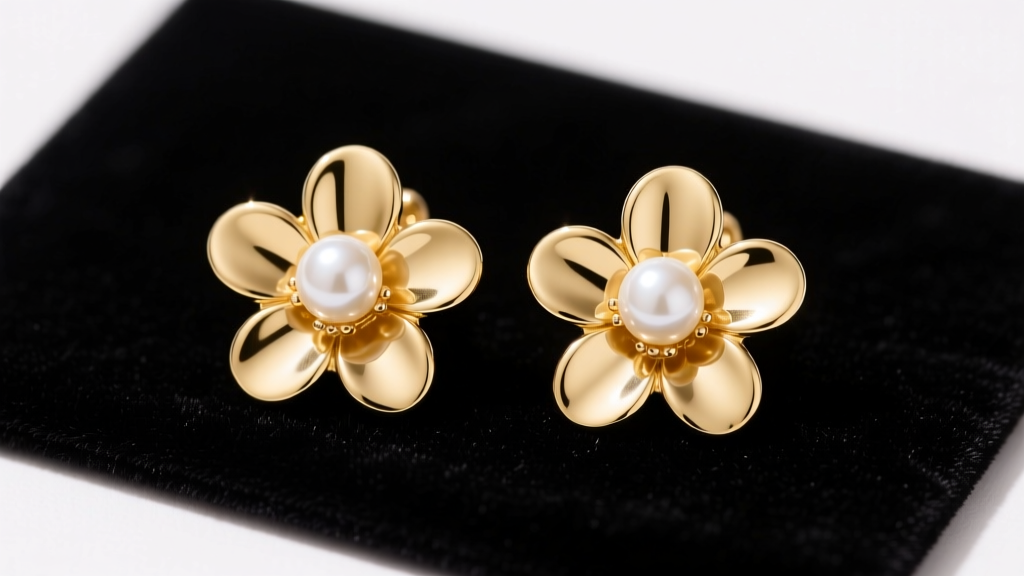
Kate Spade's floral pearl earrings have remained a staple in accessible luxury jewelry for over a decade. Recognizable by their playful motifs, gold-tone hardware, and signature spade accents, these earrings are beloved for their whimsical aesthetic. However, as costume jewelry, they are constructed from base metals, glass or acrylic faux pearls, and cold enamel. Over time, daily wear exposes these materials to cosmetics, moisture, and physical stress, leading to predictable failure modes. In 2026, with the secondary market for vintage and discontinued Kate Spade pieces booming, knowing how to troubleshoot, repair, and maintain these specific earrings is essential for collectors and everyday wearers alike.
The Anatomy of Kate Spade Floral Pearl Earrings
Before attempting any repairs, it is crucial to understand the exact materials you are working with. Authentic Kate Spade pearl flower earrings typically feature:
- Base Metal: Solid brass or pewter, heavily plated with 12k or 14k gold-tone alloy.
- Faux Pearls: Either glass beads coated with a pearlescent acrylic paint (higher-end lines) or solid molded acrylic (lighter, more affordable lines).
- Enamel: Cold enamel (epoxy resin) rather than vitreous (kiln-fired) enamel. This makes it highly susceptible to heat damage and chemical solvents.
- Hardware: Standard 20-gauge (0.81mm) or 21-gauge (0.72mm) brass posts with butterfly friction backs.
Troubleshooting Matrix: Common Failure Modes
When your favorite floral studs start showing signs of wear, use this diagnostic matrix to identify the root cause and determine whether a DIY fix is viable or if professional intervention is required.
| Issue | Root Cause | DIY Fix Protocol | Professional Fix |
|---|---|---|---|
| Chipped Enamel Petals | Impact damage or dropping on hard surfaces | UV-cured clear jewelry resin application | Custom color-matched epoxy refill ($40+) |
| Pearl Peeling / Flaking | Exposure to hairspray, perfume, or acidic sweat | None (coating cannot be reversed) | Complete pearl replacement ($25-$50) |
| Bent or Broken Post | Excessive force when pushing butterfly backs | Gentle plier realignment (if bent only) | Laser welding a new titanium post ($35-$55) |
| Black/Green Skin Staining | Gold plating wear exposing reactive brass base | Coating post with clear nail polish | Re-plating in rhodium or 18k gold ($60+) |
Deep Dive: Repairing Chipped Cold Enamel
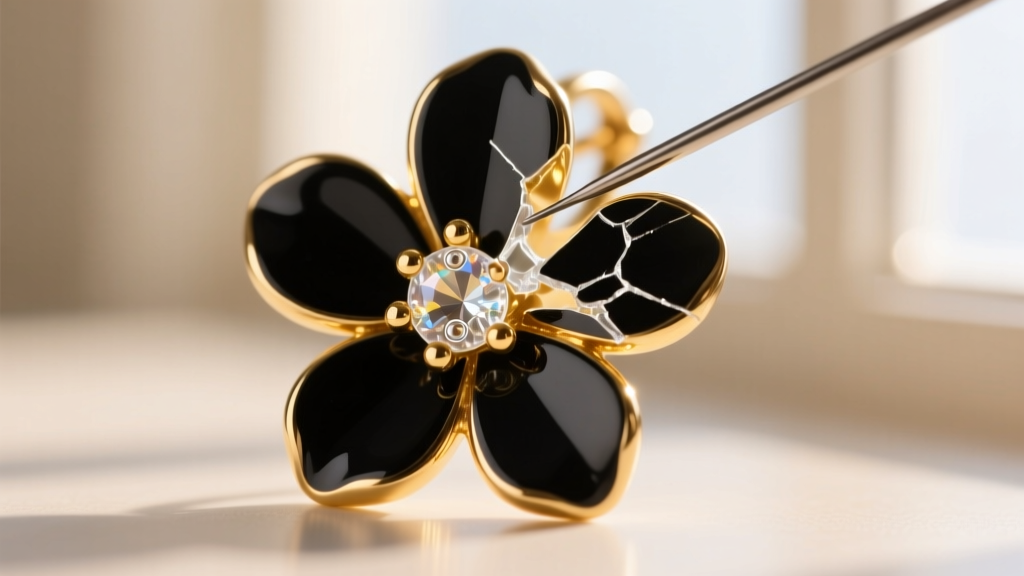
Unlike fine jewelry that uses vitreous enamel (fused glass powder), Kate Spade utilizes cold enamel, which is essentially a hardened epoxy resin. If a petal on your flower earring chips, do not use heat or superglue. Superglue (cyanoacrylate) dries cloudy and will ruin the glossy finish, while heat will melt the surrounding resin.
Step-by-Step UV Resin Repair
- Clean the Area: Wipe the chipped area with a microfiber cloth and a tiny drop of isopropyl alcohol to remove skin oils. Let it dry completely.
- Apply UV Resin: Using a fine needle or pin, dip the tip into a high-quality, non-yellowing UV jewelry resin. Carefully transfer a micro-drop into the chip.
- Level the Surface: Allow surface tension to dome the resin slightly. If it overflows, wipe immediately with a dry cotton swab.
- Cure: Expose the earring to a 36W UV lamp for 60 to 90 seconds. The resin will harden into a glass-like, transparent shield that protects the underlying color and mimics the original factory gloss.
Addressing Faux Pearl Degradation
The 'pearls' in these earrings are not organic gemstones; they are manufactured beads. According to the Gemological Institute of America (GIA), even high-quality coated glass pearls are vulnerable to the chemicals found in daily cosmetics. When the pearlescent coating begins to peel or turn yellow, the structural integrity of the coating is compromised.
Expert Insight: Never use ultrasonic cleaners or jewelry dips on Kate Spade pearl earrings. The high-frequency vibrations will shatter the adhesive bond holding the pearl to the metal setting, and the chemical baths will instantly strip the faux nacre coating.
If the pearls are severely damaged, a skilled bench jeweler can carefully drill out the old adhesive, source 4mm to 6mm Swarovski crystal pearls or high-grade Majorica faux pearls, and reset them using a two-part jeweler's epoxy like E6000. Ensure the jeweler uses a 24-hour cure time before wearing the earrings to prevent the pearls from shifting off-center.
Hardware Troubleshooting: Bent Posts and Contact Dermatitis
A frequent complaint with vintage and well-loved Kate Spade studs is post failure. Because the posts are made of soft brass and plated with gold, they bend easily when users apply too much pressure while securing the butterfly back. Furthermore, once the gold plating wears off the post, the exposed brass reacts with the skin's pH, causing allergic contact dermatitis (red, itchy, weeping earlobes).
The Titanium Post Upgrade
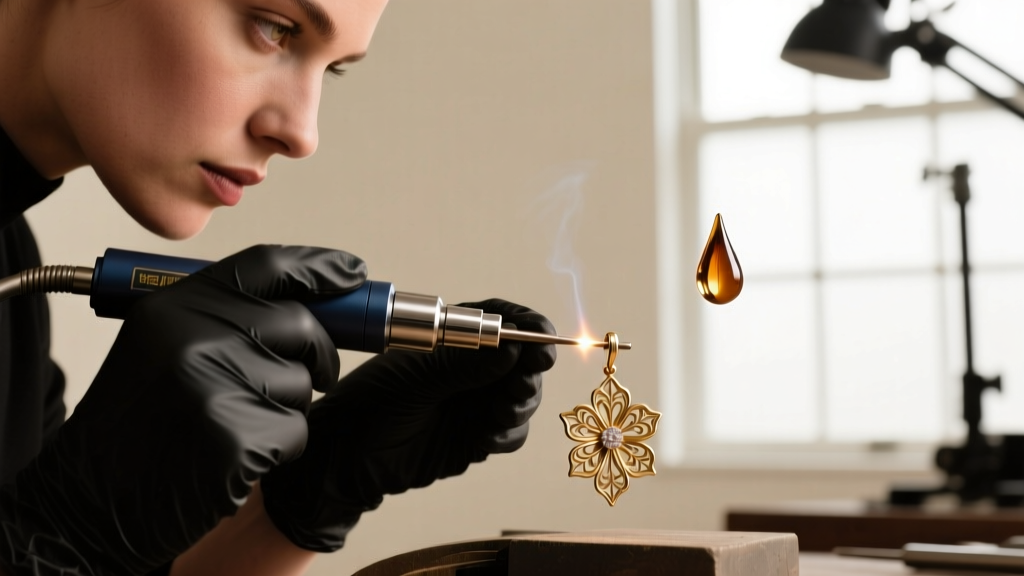
If you love the design but your ears cannot tolerate the base metal, you do not need to throw the earrings away. In 2026, many local jewelers offer laser welding services. Traditional torch soldering requires stripping the gold plating and using lead-free solder, which often leaves a visible, discolored scar on the brass. Laser welding, however, uses a concentrated beam to fuse a new medical-grade titanium or 18k nickel-free white gold post directly to the brass base without heating the surrounding enamel or melting the pearl adhesive. This permanent upgrade typically costs between $35 and $55 per earring and renders the piece completely hypoallergenic.
Preventative Maintenance & Storage Matrix
Preventing damage is vastly superior to repairing costume jewelry. The Jewelers of America emphasizes that humidity and sulfur in the air are the primary enemies of gold-plated brass. Implement the following storage protocols to extend the lifespan of your floral earrings by decades.
| Storage Method | Humidity Control | Tarnish Prevention | Verdict for Kate Spade Florals |
|---|---|---|---|
| Open Jewelry Tree | Poor (Exposed) | None | Avoid: Leads to rapid brass oxidation and dust buildup in enamel crevices. |
| Standard Jewelry Box | Moderate | Low | Fair: Acceptable if lined with anti-tarnish cloth, but risks scratching if pieces touch. |
| Sealed Polybag + Silica | Excellent | High | Ideal: Store each pair individually with a 3M anti-tarnish strip and a silica gel packet. |
When to Seek Professional Jewelry Repair
While DIY fixes like UV resin filling and gentle cleaning are safe, certain issues require a professional bench jeweler. If the metal setting (the 'cup' holding the pearl) has cracked, or if the spade motif has completely snapped off the main floral body, do not attempt to glue it back together with household adhesives. Household glues degrade under UV light and body heat, turning brown and brittle within months. A professional will use structural laser soldering or specialized jeweler's epoxies, ensuring the repair is invisible and durable. Expect to pay between $45 and $80 for structural reconstruction, a worthwhile investment for discontinued or sentimental Kate Spade pieces.


