Kidney Wire Earrings: The Ultimate Vintage Buying Guide
Discover what to look for when buying kidney wire earrings. Learn about gauge sizes, secure locking mechanisms, and the best metals for heavy dangles.

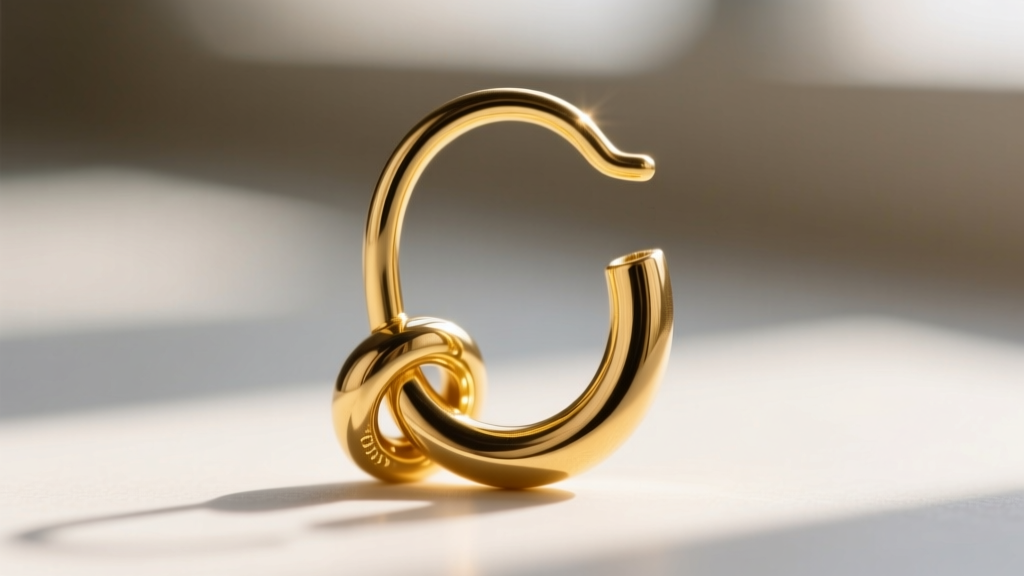
The Anatomy of Kidney Wire Earrings
In the intricate world of jewelry findings, the kidney wire is a marvel of mechanical simplicity and vintage elegance. Often confused with the standard French wire (or fishhook), a true kidney wire earring is a continuous, unbroken loop of wire. It features a large, curved "kidney bean" shape that passes through the ear piercing, terminating in a straight hook that catches securely onto a tiny loop or notch at the base of the curve. Unlike modern leverbacks or friction-backed posts, the kidney wire relies entirely on structural tension and gravity to remain in the ear.
Historically popular in the Victorian and Edwardian eras, kidney wires were the go-to finding for suspending heavy gemstone briolettes, cameos, and intricate filigree drops. Today, they remain highly sought after by antique jewelry collectors, bespoke jewelers, and enthusiasts of heavy dangle earrings. However, buying kidney wire earrings in 2026 requires a sharp eye for metallurgical quality, wire hardness, and precise gauge sizing to ensure both security and comfort.
Why Choose Kidney Wires Over French Hooks?
While French hooks are ubiquitous, they suffer from a distinct mechanical flaw: they are open. A standard fishhook can easily slip out of the earlobe if brushed by hair, scarves, or high collars. To combat this, wearers often rely on silicone earring backs or friction clutches, which can degrade over time and trap moisture against the skin.
Superior Weight Distribution
The kidney wire solves the security issue without requiring a secondary backing component. Because the wire forms a closed circuit once the hook is engaged, the earring cannot fall out unless the wire itself is physically bent open. Furthermore, the broad, sweeping curve of the "kidney" shape distributes the weight of heavy drops across a wider surface area of the earlobe's piercing channel. This reduces the "cheese-cutter" effect—a common failure mode where thin, heavy wires slowly migrate downward and tear through the earlobe tissue.
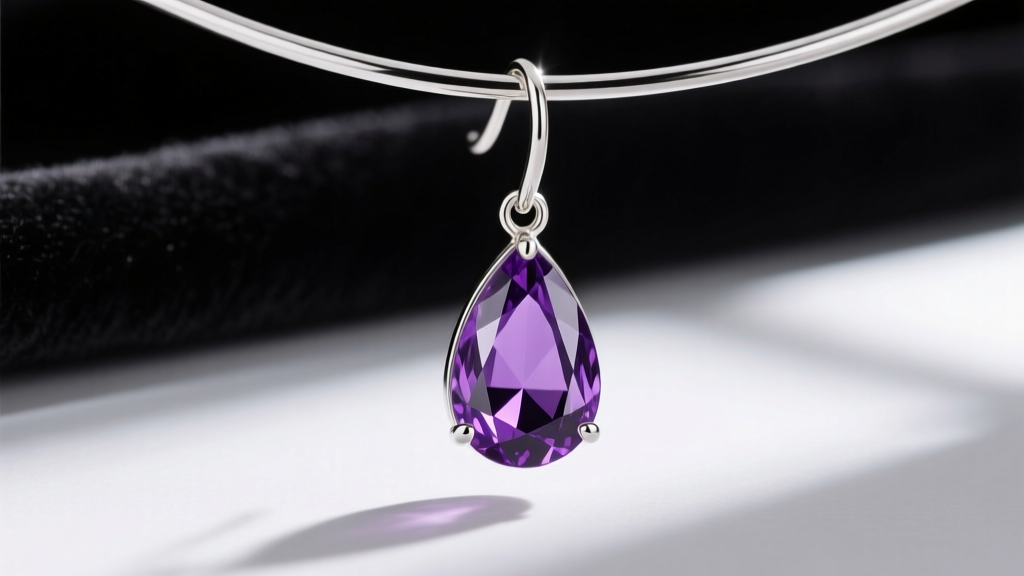
Critical Buying Factors: Metallurgy and Wire Hardness
When evaluating kidney wire earrings, the metal composition and the wire's temper (hardness) are far more critical than the aesthetic design of the drop. According to guidelines from the Association of Professional Piercers (APP), biocompatible metals are essential for any wire that passes through the body, especially for continuous-wear items.
The Importance of Spring-Hard Wire
Jewelry suppliers like Rio Grande categorize wire by hardness: dead-soft, half-hard, and spring-hard (or full-hard). A kidney wire must be crafted from spring-hard or heavily work-hardened half-hard wire. If the wire is too soft, the tension holding the hook inside the base loop will fail, and the earring will drop. When buying vintage pieces, test the tension gently; if the wire bends easily under light pressure, it has suffered from metal fatigue and requires professional re-tempering or replacement.
Modern Metal Upgrades for Vintage Styles
Many authentic antique kidney wires were made from base metals, nickel-silver, or low-karat gold alloys that can cause contact dermatitis. When buying modern reproductions or having vintage pieces restored, look for these premium materials:
- Implant-Grade Titanium (ASTM F136): The ultimate choice for sensitive piercings, offering incredible strength-to-weight ratios.
- Niobium: Highly hypoallergenic and can be anodized to create vibrant colors without plating.
- Argentium Silver: A modern sterling silver alloy containing germanium, which resists tarnish and offers superior spring-back properties compared to traditional sterling.
Gauge Sizing and Weight Capacity Matrix
Selecting the correct wire gauge (thickness) is vital. The Gemological Institute of America (GIA) frequently notes that the carat weight of suspended gemstones must be carefully balanced against the structural integrity of the finding. Below is a practical decision matrix for matching kidney wire gauges to earring weights.
| Wire Gauge | Diameter (mm) | Max Drop Weight | Best Use Case |
|---|---|---|---|
| 18-Gauge | 1.02mm | 15g - 25g | Heavy stone briolettes, large cameos, chandelier drops. |
| 20-Gauge | 0.81mm | 8g - 14g | Standard vintage dangles, medium filigree, glass drops. |
| 21-Gauge | 0.72mm | 5g - 9g | Delicate pearl drops, lightweight gold granulation. |
| 22-Gauge | 0.64mm | 2g - 5g | Ultra-fine antique restorations, seed pearl earrings. |
Note: Always measure the total weight of the drop component, including any secondary jump rings or bezel settings, before selecting your gauge.
Common Failure Modes and Troubleshooting
Even well-crafted kidney wire earrings can fail if subjected to improper handling. Understanding these failure modes will help you inspect vintage purchases and maintain your current collection.
1. The Hook Slip (Loss of Tension)
The most common issue occurs when the sweeping curve of the kidney wire is accidentally squeezed, widening the loop and destroying the tension that keeps the hook locked. The Fix: Use nylon-jaw pliers to gently squeeze the apex of the kidney curve inward, restoring the spring tension. Never use steel pliers directly on precious metals, as they will mar the finish.
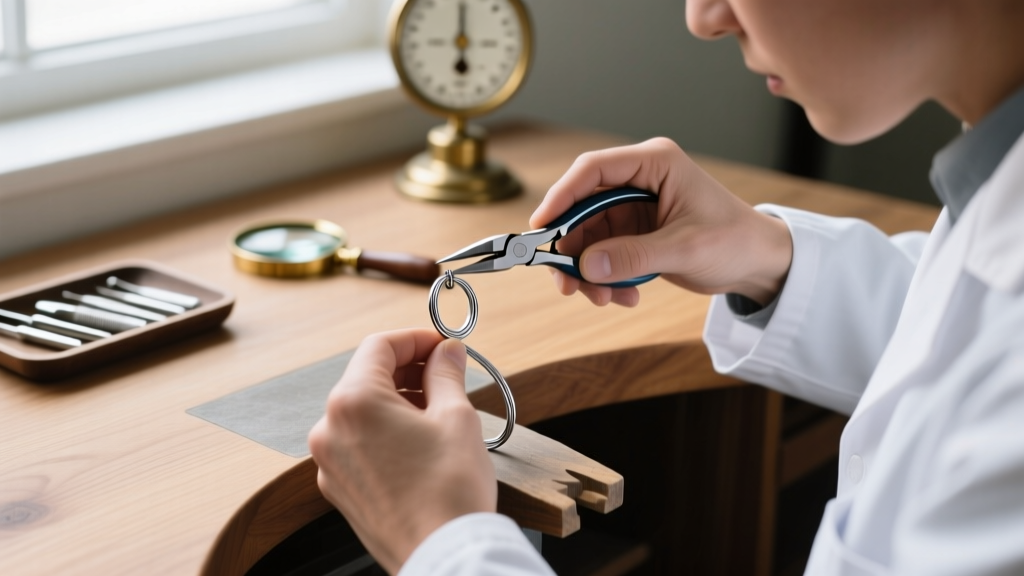
2. Apex Metal Fatigue
Because the kidney wire acts as a spring, repeated bending at the apex of the curve can lead to work-hardening and eventual snapping. The Fix: If buying antique earrings, inspect the top curve under a jeweler's loupe for micro-fractures or stress whitening. If present, the finding must be replaced before wearing.
3. Base Loop Deformation
The tiny loop at the bottom where the hook catches can stretch into an oval shape over time, allowing the hook to slip out. The Fix: A jeweler can easily solder the base loop closed or use a micro-file to deepen the catch notch.
How to Properly Wear Kidney Wire Earrings
Putting on kidney wire earrings requires a specific technique to avoid warping the wire. Do not simply pull the hook through the ear and force it into the loop. Instead, follow this method:
- Hold the earring by the drop component, not the wire.
- Guide the straight hook end through the piercing from front to back.
- Once the hook clears the back of the earlobe, gently rotate the entire earring forward.
- Allow the hook to naturally drop into the base loop. You should feel or hear a faint "click" as the tension secures the wire.
To remove, gently lift the hook upward and outward, following the natural curve of the wire, rather than pulling it straight down.
Pricing, Sourcing, and Authentication
Authentic Victorian and Art Deco kidney wire earrings are highly collectible. Expect to pay a premium for pieces featuring original, unaltered findings, as many antique drops have been incorrectly converted to modern posts over the decades. In the secondary market, intact 14k gold kidney wire dangles typically start around $450 and can exceed $3,000 depending on the gemstones.
For bespoke jewelry makers or those looking to restore heirloom drops, sourcing high-quality, modern kidney wire findings is surprisingly affordable. Specialty findings manufacturers offer spring-hard 14k gold fill and solid 18k gold kidney wires ranging from $8 to $35 per pair. When sourcing, always verify that the supplier specifies the wire temper; if the listing does not explicitly state "spring-hard" or "half-hard work-hardened," avoid the purchase, as dead-soft kidney wires are functionally useless.


