Knitted Earrings: Yarn & Hardware Material Guide
Discover the best yarns and hardware for knitted earrings. Compare cotton, bamboo, and metallic threads for durable, lightweight statement jewelry.

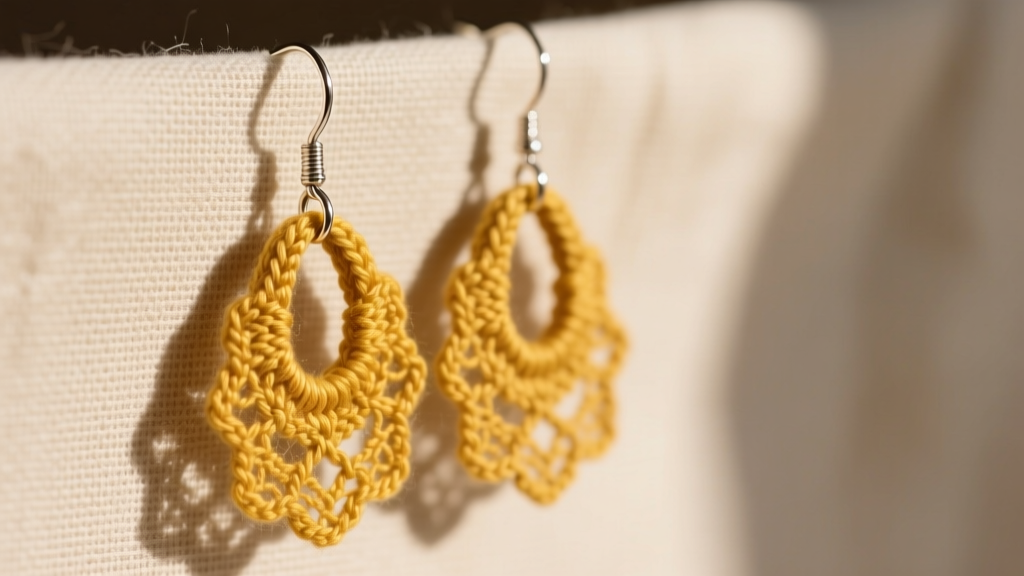
The Architecture of Textile Jewelry
Knitted earrings represent a fascinating intersection of traditional fiber arts and modern accessory design. Unlike heavy metal or stone jewelry, knitted earrings offer unparalleled lightweight comfort, making them ideal for stretched lobes or sensitive ears. However, the structural integrity of textile jewelry relies entirely on material selection. A poorly chosen yarn will pill, stretch, or absorb moisture, while incompatible hardware can tear the delicate knit loops or cause contact dermatitis.
As an earring category, knitwear demands a rigorous approach to material science. You must evaluate fibers not just for their aesthetic drape, but for their tensile strength, moisture-wicking properties, and reaction to chemical stiffening agents. This guide breaks down the exact yarn weights, fiber compositions, and metallurgical hardware specifications required to engineer durable, high-end knitted earrings.
Yarn Fiber Breakdown: Mercerized Cotton, Bamboo, and Wool
The foundation of any knitted earring is the yarn. For micro-knitting and jewelry applications, you should strictly limit your selection to lace weight (size 0) or fingering weight (size 1) yarns, as defined by the Craft Yarn Council. Heavier yarns like DK or worsted create bulky, unrefined pieces that sag under their own weight when treated with stiffeners.
Mercerized Cotton
Mercerized cotton is the gold standard for structured knit jewelry. The mercerization process treats the cotton fibers with sodium hydroxide under tension, which permanently swells the cell walls. This results in a yarn that is significantly stronger, highly resistant to mold and mildew, and possesses a permanent, silk-like luster. Brands like DMC Cebelia or Aunt Lydia's (often marketed for crochet but excellent for fine knitting) provide the tight stitch definition necessary for geometric earring patterns.
Bamboo Viscose
Bamboo yarn offers a stunning, liquid drape and a high-gloss finish that mimics silk. However, bamboo is highly absorbent and lacks elastic memory. If used for knitted earrings, bamboo must be heavily treated with a PVA-based fabric stiffener; otherwise, the earrings will stretch and deform within hours of being worn, especially in humid environments.
Merino and Shetland Wools
Wool provides excellent stitch memory and a matte, organic texture. Fine Shetland wools (such as those from Jamieson & Smith) are ideal for colorwork micro-knits. The primary failure mode for wool earrings is felting and pilling. To prevent this, wool knitted earrings should be lined with a thin layer of flexible jewelry resin or sealed with a specialized wool-wash and block process before hardware attachment.
| Fiber Type | Weight Recommendation | Drape & Stiffness | Moisture Resistance | Best Earring Style |
|---|---|---|---|---|
| Mercerized Cotton | Lace (0) / Fingering (1) | High stiffness post-treatment | Moderate | Geometric studs, structural dangles |
| Bamboo Viscose | Fingering (1) | Fluid drape, requires heavy sealing | Low (Highly absorbent) | Fringe earrings, fluid teardrops |
| Shetland Wool | Lace (0) | Medium memory, matte finish | High (Lanolin content) | Colorwork hoops, textured huggies |
| Silk Blend | Lace (0) | Crisp, natural sheen | Moderate | Delicate ear cuffs, bridal drops |
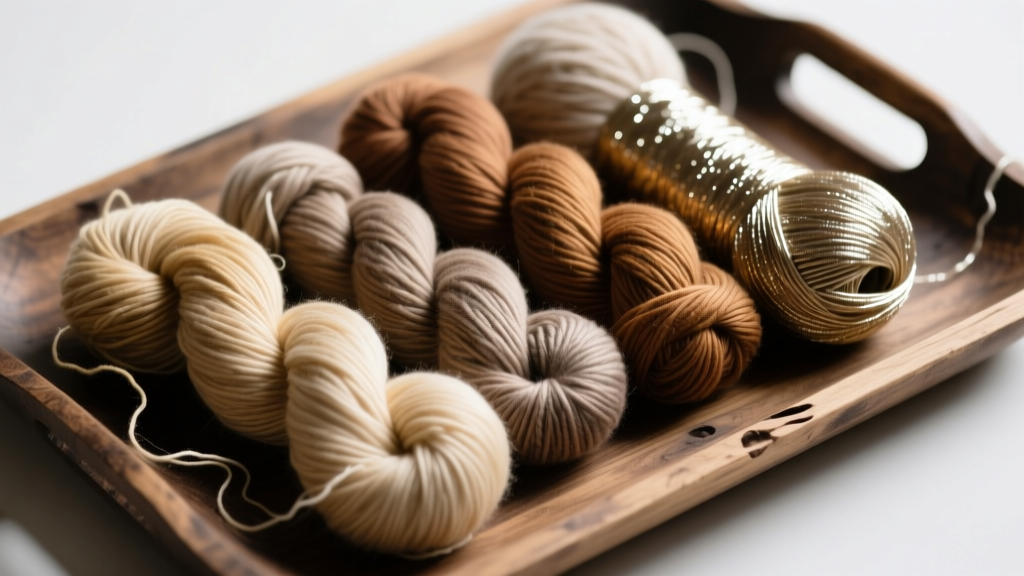
Metallic Threads and Synthetic Blends
Introducing shine into knitted earrings requires specialized metallic threads. Avoid cheap, foil-wrapped plastic threads, which will tarnish, snap, and shred against the friction of knitting needles. Instead, opt for core-spun metallic yarns, where a thin strip of metallized polyester is spiraled around a strong nylon or silk core. Habu Textiles produces exceptional stainless steel and silk-blend yarns that can be knitted directly, offering a metallic sheen that will never oxidize or tarnish against the skin.
When knitting with metallic blends, use wooden or bamboo needles rather than metal. Metal needles can strip the delicate foil wrapping off the yarn core, resulting in a frayed, dull finish on the final earring surface.
Hardware Specifications: Gauges, Alloys, and Findings
The hardware used to suspend knitted earrings must balance structural support with biological compatibility. Because textile earrings can trap sweat and environmental moisture against the earlobe, base metals like brass, copper, or nickel-silver will rapidly oxidize, staining the yarn and causing severe allergic contact dermatitis.
Wire Gauge and Ear Wire Selection
The thickness of the ear wire dictates how it interacts with the knitted loop. According to jewelry manufacturing standards outlined by suppliers like Rio Grande, wire temper is just as critical as gauge. You must use half-hard or spring-hard temper wire for ear hooks; dead-soft wire will bend and lose its shape under the subtle weight of the yarn.
- 20-Gauge (0.81mm): The industry standard for ear wires. Best for fingering-weight knitted earrings where the yarn loop is robust enough to slide over a thicker wire without snagging.
- 22-Gauge (0.64mm): Ideal for lace-weight micro-knits. The thinner profile prevents the yarn fibers from splitting or tearing when the earring is put on or taken off.
Jump Rings and Attachment Points
Never use standard split jump rings to connect a knitted piece to an ear wire. The gap in a split ring will inevitably catch on the yarn fibers, unraveling your work. Always use soldered jump rings or seamless continuous rings. If the design requires a clasp mechanism, integrate a small, soldered sterling silver or titanium ring directly into the bind-off edge of the knit during the final row, ensuring the metal is permanently locked into the textile structure.
Structural Integrity: Stiffening Agents and Sealants
Knitted fabrics are inherently fluid. To transform a soft textile into a rigid earring component, chemical stiffening is mandatory. The choice of stiffener affects the drape, colorfastness, and skin-safety of the final piece.
Pro Tip: Never use aerosol spray starches for jewelry. They contain propellants and optical brighteners that yellow over time and become sticky in high humidity.
The most reliable method for stiffening knitted earrings is a custom PVA (Polyvinyl Acetate) bath. Mix a high-quality, acid-free PVA glue (like Lineco Neutral pH Adhesive) with distilled water in a 1:1 ratio. Submerge the knitted piece, gently squeeze out the excess without wringing (which distorts the stitches), and pin it to a foam blocking board. The PVA dries completely clear, remains flexible enough to prevent shattering if dropped, and creates a moisture-resistant barrier that protects the yarn from skin oils.
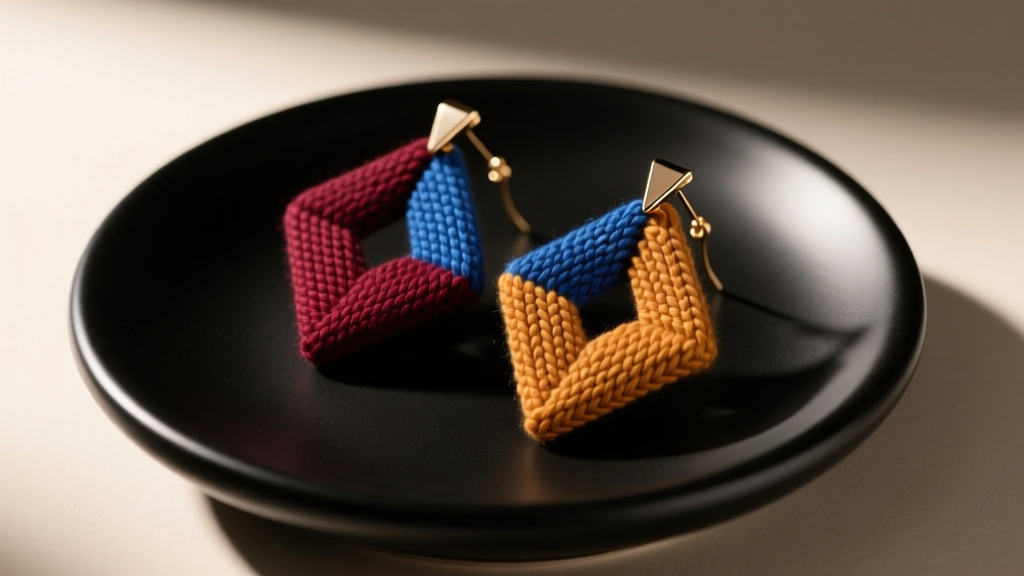
Long-Term Care and Wearability
Textile earrings require specific maintenance protocols to ensure longevity. Because they cannot be ultrasonically cleaned like metal jewelry, knitted earrings must be spot-cleaned. Use a micro-swab dipped in a mild, lanolin-free wool wash to gently lift oils from the surface of the yarn without saturating the PVA stiffener.
Storage is equally critical. Knitted earrings should never be hung on standard jewelry trees, as gravity will slowly stretch the PVA-treated fibers over time, leading to permanent deformation. Always store them flat in a lined jewelry box with silica gel packets to control ambient moisture. By meticulously selecting the right yarn weight, pairing it with biocompatible half-hard wire, and sealing the structure with archival-grade PVA, you can create knitted earrings that are not only visually striking but engineered to withstand the rigors of daily wear.


