Kramer Clip On Earrings: The 2026 Vintage Revival Guide
Discover why Kramer clip on earrings are dominating 2026 vintage trends. Learn to authenticate, price, and style these mid-century costume jewelry icons.

The Resurgence of Archival Maximalism
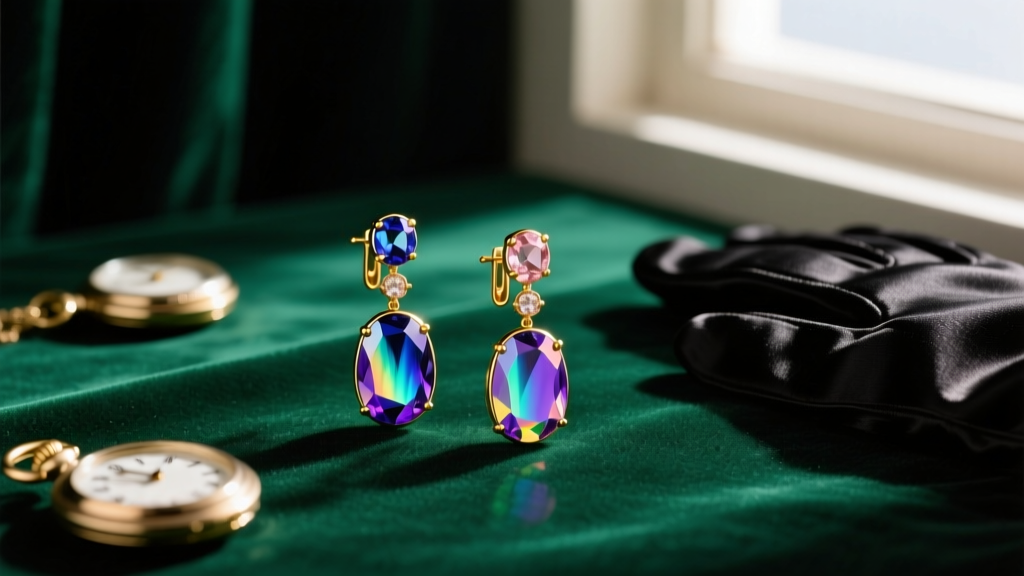
In the ever-evolving landscape of jewelry trends, the pendulum has decisively swung away from the hyper-minimalism and "quiet luxury" that defined the early 2020s. As we navigate the style landscape of 2026, "Archival Maximalism" has taken center stage, bringing mid-century costume jewelry back into the spotlight. At the absolute pinnacle of this revival are Kramer clip on earrings. Originally crafted by Louis Kramer and his New York-based manufacturing house between the 1940s and 1970s, these pieces are no longer just dusty relics found in estate sale bins; they are highly sought-after archival artifacts championed by contemporary stylists and vintage archivists alike.
What makes Kramer of New York so special in 2026? It is the undeniable intersection of architectural metalwork, high-quality Austrian and Czech glass, and a level of structural engineering that modern fast-fashion jewelry simply cannot replicate. For collectors and non-pierced individuals, understanding the nuances of these vintage pieces is essential for building a curated, historically significant jewelry wardrobe.
Engineering the Perfect Clamp: The Kramer Mechanism
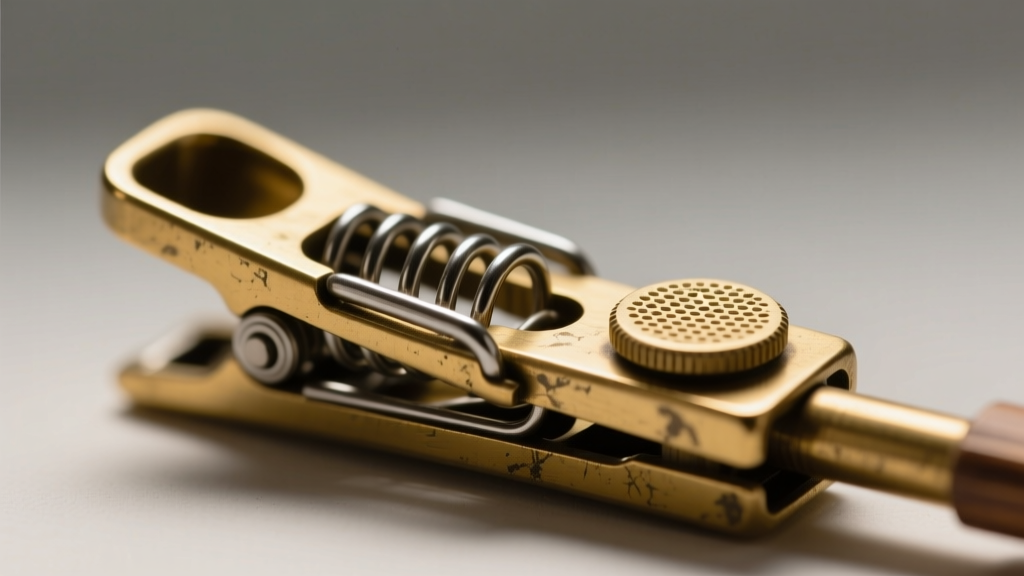
One of the most common complaints regarding modern clip-on earrings is the localized pain they cause, often stemming from cheap wire hinges that pinch the earlobe's nerve clusters. Kramer approached this problem with a mid-century engineering mindset. The brand utilized a specialized "paddle-back" clip mechanism that remains a gold standard in vintage costume jewelry.
Unlike a simple tension wire, the Kramer paddle back features a stamped brass or pot-metal paddle that distributes the clamping force across a broader 12mm to 15mm surface area on the back of the earlobe. This paddle is driven by a heavy-duty, tempered carbon-steel tension spring. In many of their premium 1950s and 1960s designs, Kramer integrated a dimpled pressure pad or a small rubberized cushion behind the paddle, drastically reducing fatigue during all-day wear. When you pick up a genuine pair of Kramer clip on earrings, the resistance of the spring should feel substantial, snapping shut with a firm, authoritative click rather than a weak rattle.
Authentication Matrix: Decoding the Maker's Marks
As the demand for Kramer clip on earrings surges in 2026, so does the market for unmarked replicas and misattributed pieces. Authenticating a piece requires a close examination of the maker's mark, usually found stamped on a small rectangular or oval plaque soldered to the reverse of the earring's base plate, or occasionally cast directly into the metal. According to the Collectors Weekly Kramer Archive, the brand's signatures evolved distinctly over its three-decade run.
| Era | Typical Maker's Mark | Design Characteristics |
|---|---|---|
| 1940s (Early) | "Kramer" (Block or Script) | Retro motifs, ribbons, bows, heavy gold-tone plating, rose-cut rhinestones. |
| 1950s - Early 1960s | "Kramer N.Y." or "Kramer of New York" | The golden era. Intricate pave, Aurora Borealis (AB) stones, floral and abstract atomic designs. |
| Late 1960s - 1970s | "Louis Kramer" or "Kramer ©" | Larger, boulder-stone designs, enamel work, figural shapes, and textured gold-tone finishes. |
Material Science: Pot Metal, Plating, and Pronging
To truly appreciate Kramer clip on earrings, one must understand the materials Louis Kramer selected. The base of most vintage Kramer pieces is a zinc-copper alloy, commonly referred to in the industry as "pot metal." While pot metal is prone to pitting if exposed to harsh chemicals, it allowed Kramer's craftsmen to cast incredibly detailed, three-dimensional motifs that would be cost-prohibitive in solid brass or silver today.
Over this base, Kramer applied exceptionally thick layers of 14k or 18k gold-tone plating, or occasionally rhodium for a silver-tone finish. The prong-setting technique used to secure the rhinestones is another hallmark of quality. Rather than relying on adhesive—which degrades and turns yellow over time—Kramer employed hand-set, folded prongs. You can verify this by running a fingernail over the stones; they should feel completely flush with the metal, with no sharp prong edges catching on fabric.
The Aurora Borealis Phenomenon
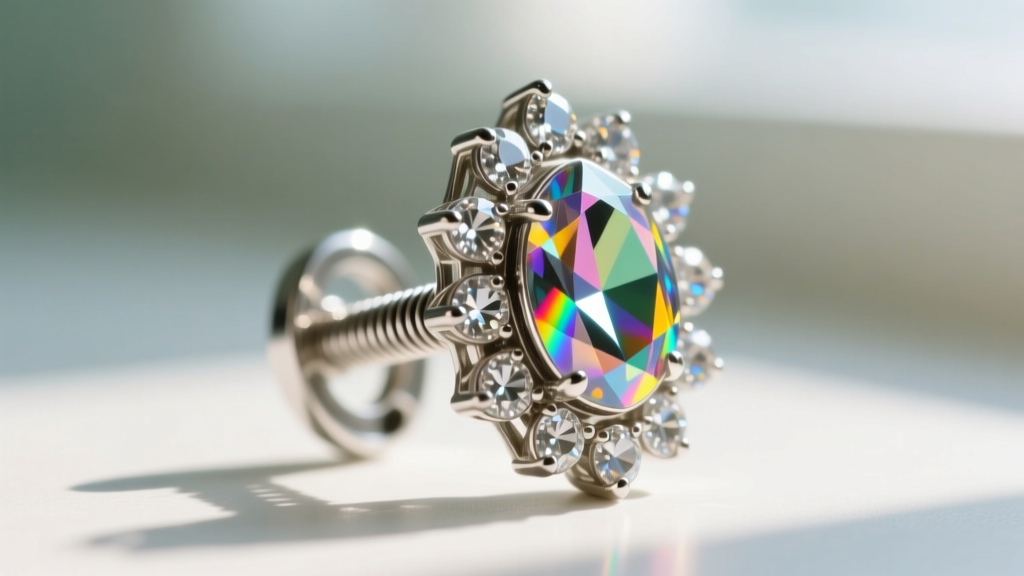
When Swarovski introduced the Aurora Borealis (AB) vacuum-deposited metallic salt coating in 1956, Kramer was among the first high-end American costume jewelers to integrate it. Genuine 1950s Kramer AB stones exhibit a deep, oily iridescence that shifts between pink, blue, and gold. Modern AB coatings often look superficially "rainbow-like" and lack the depth of the mid-century formulations.
The Foil-Back Degradation Dilemma
Collecting vintage rhinestone jewelry comes with a specific vulnerability: foil-back degradation. To maximize brilliance, mid-century rhinestones were backed with a delicate silver or gold foil. Over decades, microscopic amounts of moisture can penetrate the prong settings, causing the foil to oxidize, turn black, or flake away entirely. This results in a "dead" or cloudy stone that loses its light return.
If you are evaluating a pair of Kramer clip on earrings online, always request high-resolution macro photos taken against a dark background to check for foil integrity. While some collectors view stable foil degradation as an acceptable sign of age, severe blackening significantly impacts the piece's market value. For high-end archival pieces, professional conservators can carefully unprong the stones and re-foil them, though this is a costly and delicate procedure.
2026 Market Valuation and Collector Tiers
The secondary market for vintage costume jewelry has matured significantly. Browsing the curated selections on platforms like 1stDibs reveals that pricing for Kramer clip on earrings is now heavily stratified based on complexity, rarity, and condition. Here is a breakdown of the 2026 market tiers:
- Tier 1: Standard Pave and Floral (1950s) - $65 to $120
These are the most common entry-level pieces. They typically feature round or baguette clear rhinestones set in gold-tone floral or geometric patterns. They are excellent for everyday vintage wear. - Tier 2: Tremblers and Kinetic Designs (1960s) - $150 to $280
Trembler earrings feature stones mounted on tiny, coiled metal springs that quiver with the wearer's movement. These require exceptional engineering and are highly prized by serious collectors. - Tier 3: Figural, Enamel, and Runway Pieces - $350 to $800+
Rare designs featuring cold-painted enamel, exotic figural motifs (like parrots or poodles), or massive, asymmetrical runway pieces command premium prices. Condition of the enamel and original clip tension are critical factors at this tier.
Modern Styling: Integrating Mid-Century Clips Today
Styling heavy, ornate vintage clips in 2026 requires a departure from the matched-set mentality of the 1950s. The contemporary approach embraces asymmetry and textural contrast. Because Kramer clip on earrings possess significant visual weight, they are best showcased with an updo or a sleek, tucked-behind-the-ear bob, allowing the architectural drop of the earring to frame the jawline without tangling in hair.
For a modern editorial look, pair a single, oversized Kramer trembler clip on one earlobe with a minimalist, solid 14k gold threader or a tight diamond huggie on the opposite ear. This high-low mix honors the historical significance of the vintage piece while grounding it in contemporary aesthetics. Furthermore, do not limit these pieces to formal wear; the juxtaposition of a glittering 1950s Kramer floral clip against a tailored, oversized vintage denim jacket or a simple white ribbed tank creates a striking, effortless maximalist statement.
"The beauty of Kramer's engineering is that it wasn't just about sparkle; it was about structural integrity. They built jewelry meant to be lived in, not just locked in a vault." — Archival Jewelry Conservator, New York
Archival Care and Maintenance
Preserving the plating and rhinestones of your Kramer clip on earrings requires a strict departure from modern jewelry cleaning habits. Never use ultrasonic cleaners, liquid jewelry dips, or harsh chemical polishes. Liquid will inevitably seep under the prongs and destroy the rhinestone foil backing, while chemicals will strip the gold-tone plating right off the pot metal base.
Instead, adopt a dry-cleaning protocol. Use a soft-bristled, clean makeup brush to gently dislodge dust and skin oils from the crevices of the pave settings. For the metalwork, wipe gently with a dry, untreated microfiber cloth. If the gold-tone plating is beginning to show wear on the high points, you can apply a microscopic layer of Renaissance Wax using a cotton swab. This museum-grade microcrystalline wax will seal the metal from oxygen and skin acids, halting further degradation without altering the piece's visual patina. Finally, always store your clips in individual anti-tarnish flannel pouches, ensuring the clip mechanisms are closed to maintain the tension of the steel springs.


