Lapis Lazuli Stud Earrings: 2026 Budget & Value Guide
Discover the true value of lapis lazuli stud earrings in 2026. Learn to spot dyed fakes, understand pricing tiers, and choose the best settings.

The Allure and Economics of Lapis Lazuli Studs
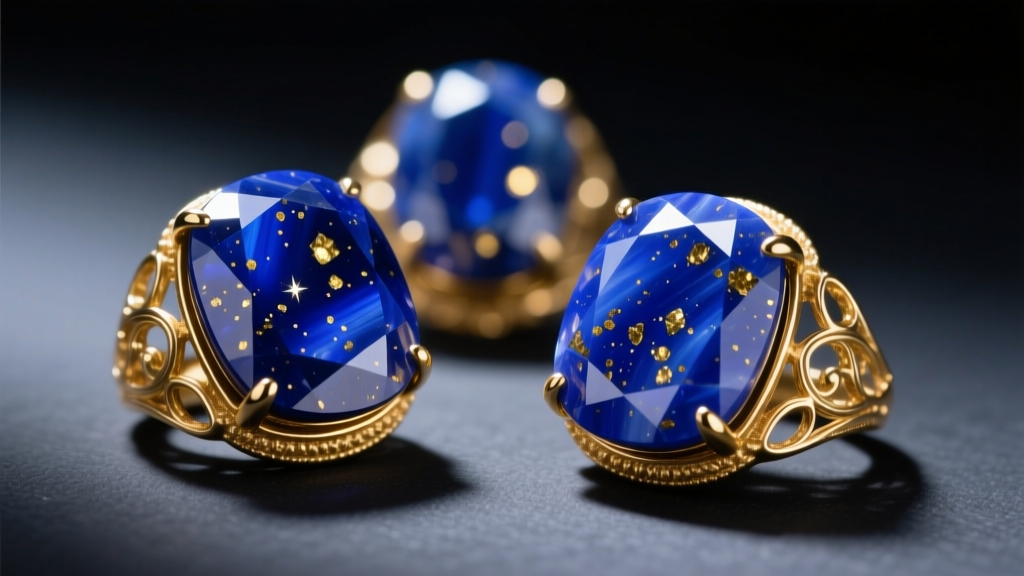
When evaluating lapis lazuli stud earrings, buyers in 2026 face a market saturated with varying quality tiers, synthetic alternatives, and deceptive treatments. Lapis lazuli is not a single mineral but a complex metamorphic rock composed primarily of lazurite, alongside calcite, sodalite, and pyrite. This geological reality means that pricing and value assessment require a trained eye. Unlike faceted gemstones graded by the strict 4Cs, lapis is judged by color saturation, matrix distribution, and structural integrity. This guide provides a rigorous budget and value assessment to help you navigate the true cost of authentic lapis studs, ensuring you never overpay for treated or imitation stones.
Grading Lapis Lazuli: What You Are Actually Paying For
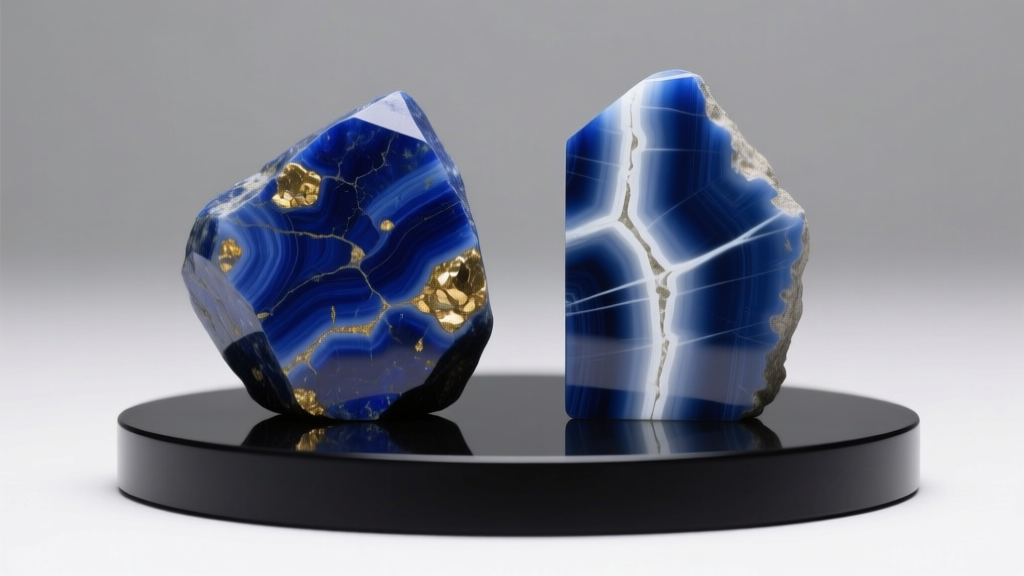
The value of lapis lazuli is intrinsically tied to its geographic origin and the resulting chemical composition. The most prized material historically and currently comes from the Sar-e-Sang mines in the Badakhshan province of Afghanistan. This Afghan lapis boasts a deep, intense royal blue (often referred to as "ultramarine") with minimal white calcite matrix and scattered, glittering pyrite flecks. Conversely, Chilean lapis tends to be lighter, often mottled with heavy white calcite veins, while Russian material from Lake Baikal features a distinct, sometimes heavier and more clustered pyrite distribution.
The Color and Matrix Breakdown
A premium pair of lapis lazuli stud earrings should exhibit a uniform, deeply saturated blue that appears almost velvety under natural sunlight. The presence of pyrite (the golden flecks) is highly desirable, provided it is scattered like distant stars rather than clumped in large, dull patches. However, heavy white calcite veining drastically reduces the stone's value and structural stability. Calcite is significantly softer than lazurite and is prone to pitting, scratching, and absorbing skin oils, which leads to permanent discoloration over time.
| Grade | Primary Origin | Color Profile | Matrix & Pyrite | Estimated Price (8mm Studs) |
|---|---|---|---|---|
| Premium / Top | Afghanistan | Deep Royal Blue | Minimal calcite, fine gold flecks | $150 - $350+ |
| Commercial / Mid | Chile / Russia | Medium to Light Blue | Visible white veining, heavy pyrite | $40 - $90 |
| Low / Treated | Various | Dull or artificially bright | Heavy matrix, often dye-concentrated | $15 - $35 |
Red Flags: Treated, Dyed, and Synthetic Lapis
A critical component of value assessment is identifying treatments that artificially inflate the appearance of low-grade material. According to the Gemological Institute of America (GIA), dyeing is the most common treatment for pale or heavily calcited lapis lazuli. Unscrupulous vendors will soak low-grade, pale material in chemical blue dyes to mimic the highly-priced Afghan royal blue.
- The Acetone Test: Lightly dabbing a cotton swab with acetone (nail polish remover) and rubbing an inconspicuous area of the stone can reveal blue residue if the stone is dyed. Note: This can damage surface polish, so visual inspection with a loupe is heavily preferred.
- Loupe Inspection: Under a 10x jeweler's loupe, dyed lapis shows concentrated color pooling inside the natural cracks and porous calcite veins, creating a web-like or spiderweb appearance. Natural lazurite does not exhibit this dye distribution; its color is inherent to the crystal structure.
- Gilson Synthetic and Imitations: Lab-created synthetic lapis lacks the natural chaotic distribution of pyrite. If the golden flecks look too uniform, or if the stone is completely devoid of matrix and perfectly opaque, it is likely synthetic. Furthermore, dyed howlite and sodalite are frequently passed off as lapis. Sodalite lacks pyrite entirely and exhibits a more translucent, grayish-blue hue.
Setting Materials and Hardware: Hidden Value Factors
The mounting of lapis lazuli stud earrings heavily influences both the price and the longevity of the jewelry. As detailed by mineralogical data on Mindat.org, lapis lazuli ranks between 5 and 5.5 on the Mohs hardness scale, making it relatively soft, brittle, and highly vulnerable to chipping and abrasion.
Bezel vs. Prong Settings
Never purchase high-value lapis studs in prong settings. Prongs leave the edges (the girdle) of the cabochon exposed to daily impacts, which will inevitably chip the stone. A full or semi-bezel setting in 14k or 18k gold protects the vulnerable edges and justifies a higher price point due to the increased metal weight, custom fitting, and skilled labor required to fold the metal over the soft stone without cracking it.
Post Gauge, Backing Types, and Metal Reactions
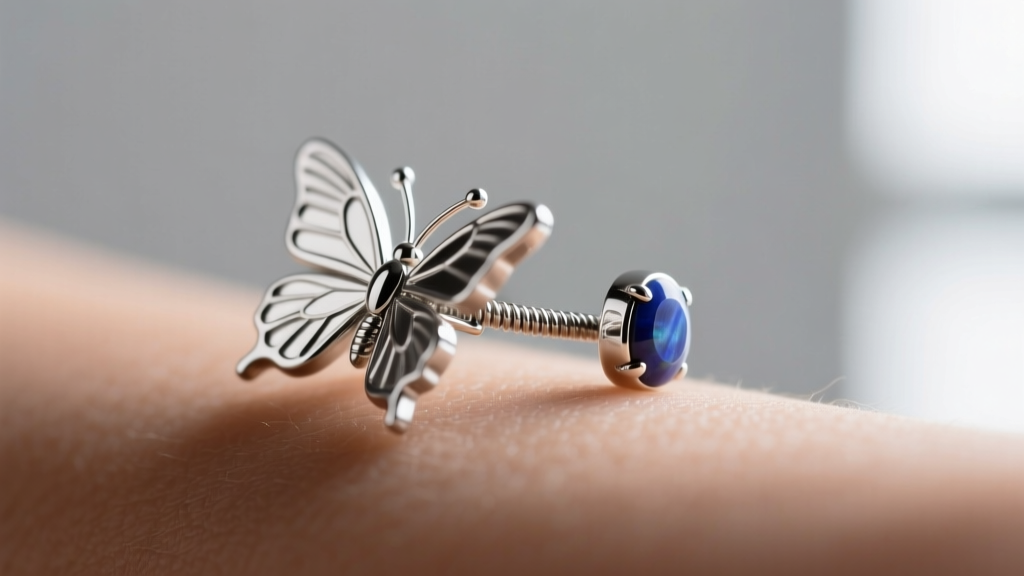
Because lapis is highly porous, it reacts poorly to sulfur, harsh cosmetics, and acidic environments. This makes standard, unplated sterling silver a risky choice for the setting. The tarnishing process (silver sulfide) can transfer dark stains into the porous stone, ruining its value. High-value pieces will use rhodium-plated silver, 14k gold, or platinum. Standard earlobe posts should be 20-gauge (0.81mm) or 18-gauge (1.02mm). If you are sourcing lapis studs for cartilage piercings (like the helix or tragus), ensure the vendor offers flat-back labret posts, typically in 16-gauge (1.2mm) or 14-gauge (1.6mm). The heavier weight of a stone larger than 6mm can cause migration or tearing in delicate cartilage if not supported by a thicker post and a secure flat disc backing.
2026 Market Pricing: What Should You Spend?
In the current market, size directly dictates an exponential increase in price for top-tier material. A 4mm pair of premium Afghan lapis studs might retail for $80, but an 8mm pair requires a significantly larger, unblemished rough, pushing the price past $250. Beware of vendors selling large (10mm+) "premium" lapis studs for under $60; these are almost universally dyed howlite, synthetic spinel, or low-grade sodalite. True large-format Afghan lapis is exceptionally rare and commands luxury pricing.
Brand Premium vs. Artisan Sourcing
When assessing your budget, consider where you are buying. Heritage luxury brands will mark up lapis lazuli stud earrings by 300% to 500% based on brand name alone, often using commercial-grade Chilean material. Conversely, specialized artisan lapidaries who source directly from ethical mines in Badakhshan offer vastly superior color and matrix quality at a fraction of the luxury brand cost, provided you are willing to verify their sourcing claims and request macro-photography.
Expert Sourcing Tip: When buying online, always request a macro-video of the exact pair you are purchasing under natural daylight. Stock photos of lapis lazuli are notoriously misleading, often digitally color-corrected to hide white calcite patches and artificially boost the blue saturation to mimic top-grade Afghan material.
Care, Maintenance, and Long-Term Value Retention
The long-term value of your lapis lazuli earrings depends entirely on proper maintenance. Never use ultrasonic cleaners or steamers; the high-frequency vibrations will shatter the stone along its natural calcite veins, and the heat will melt or leach out any stabilizing resins. Instead, clean your studs with a soft, dry microfiber cloth. If they become heavily soiled, a barely damp cloth with mild, pH-neutral soap can be used, but the stones must be dried immediately to prevent water from seeping into the porous matrix. Store them in a soft velvet pouch separate from diamonds or sapphires, which will easily scratch the lapis surface.
Final Verdict: Maximizing Your Investment
To secure true value in lapis lazuli stud earrings, prioritize color saturation and structural protection over sheer size. An impeccably matched, 6mm pair of untreated Afghan lapis in a protective 14k gold bezel will outperform, outlast, and retain its resale value far better than a 10mm pair of dyed commercial-grade material in a flimsy silver prong setting. By understanding the geological markers of quality, demanding protective hardware, and avoiding deceptive treatments, you ensure your investment remains vibrant and valuable for decades.


