How to Choose Large Pearl Clip On Earrings: A Buyer's Guide
Discover how to choose large pearl clip on earrings. Learn about clip mechanisms, pearl grades, weight distribution, and comfort for non-pierced ears.

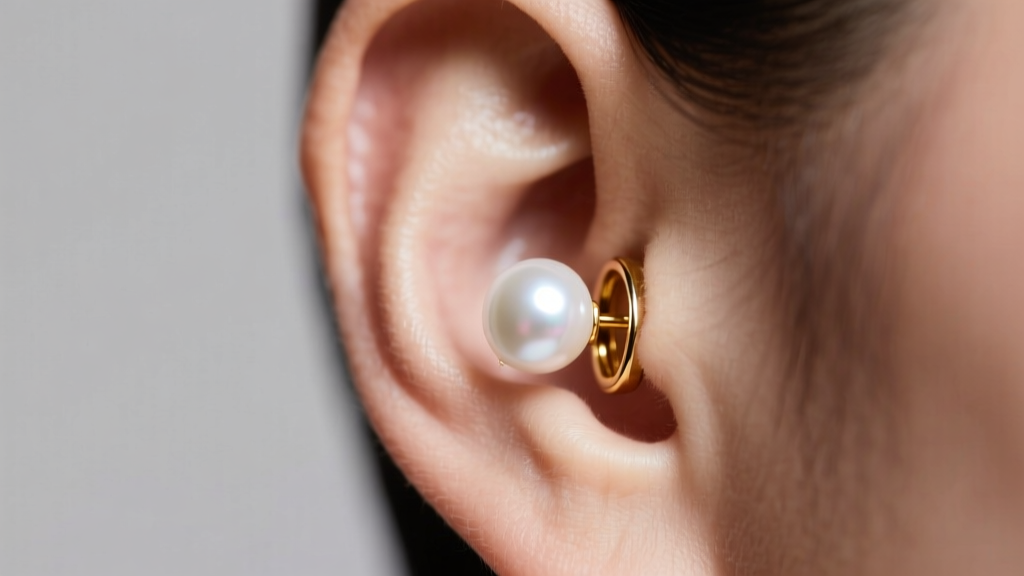
The Allure and Physics of Oversized Pearls
For those without pierced ears, the world of statement jewelry often feels limited. However, the resurgence of vintage-inspired glamour has brought large pearl clip on earrings back to the forefront of 2026 fashion. While a delicate 6mm stud is easy to secure, scaling up to a dramatic 12mm–16mm pearl introduces complex engineering challenges. A large pearl is not just a visual statement; it is a physical weight that interacts with the biomechanics of your earlobe.
When you wear a heavy clip-on, the jewelry acts as a lever. The clip serves as the fulcrum, and the pearl is the load. If the base is too narrow or the tension too aggressive, the earring will either droop uncomfortably or cut off circulation to the earlobe's delicate capillaries. Understanding the intersection of gemology and mechanical design is essential for finding a pair that looks luxurious and feels virtually weightless.
Decoding the Clip Mechanism: Comfort vs. Security
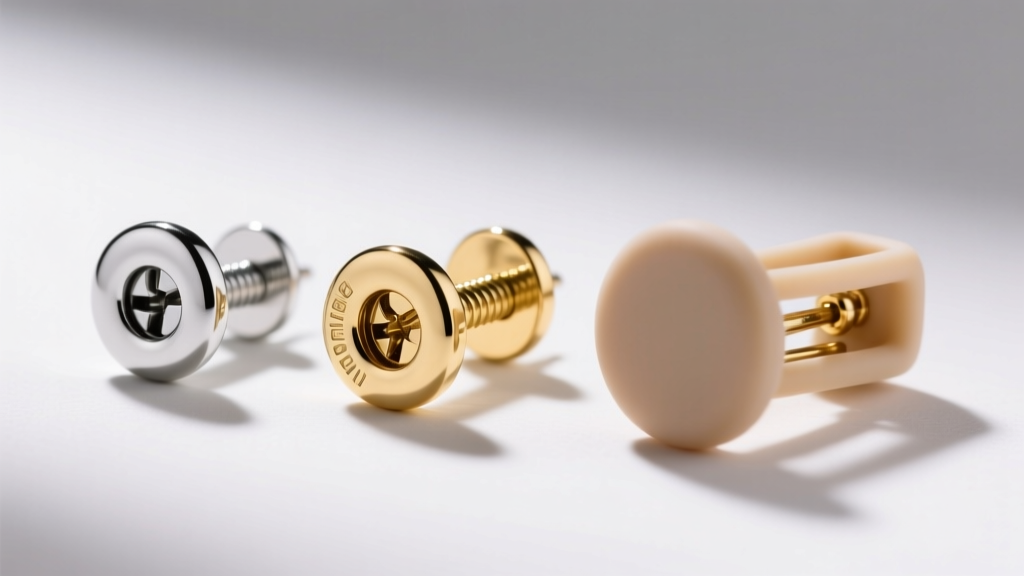
The most critical component of any non-pierced earring is the finding—the mechanism that grips the ear. When shopping for large pearl clip on earrings, you will typically encounter three distinct mechanisms. Choosing the right one depends entirely on your earlobe thickness and pain tolerance.
Spring-Back and Tension Clips
The traditional spring-back clip relies on a metal hinge and a coiled spring to create tension. While secure, these are generally ill-suited for pearls larger than 10mm. The concentrated pressure on a single metal point often leads to ischemia (restricted blood flow), causing a throbbing ache after just an hour of wear. If you must choose a spring clip for a larger pearl, look for styles that feature a hinged, teardrop-shaped metal pad to distribute the pressure over a wider surface area.
Screw-Back Mechanisms
Screw-backs allow the wearer to manually adjust the tension via a tiny threaded barrel. This is highly advantageous for oversized pearls because you can customize the grip to accommodate the exact thickness of your earlobe. However, the metal cup of a screw-back is often rigid. Without a silicone or felt pad added to the interior of the cup, the hard metal will still cause discomfort when supporting a 14mm pearl.
The Paddle Clip (Comfort Fit) Revolution
For large pearl clip on earrings, the wide paddle clip (often referred to as a comfort-fit or invisible clip) is the gold standard. Instead of pinching the earlobe, a paddle clip uses a wide, flat, hinged metal plate—often coated in a medical-grade silicone or soft resin—that gently hugs the back of the earlobe. This design distributes the weight of a heavy 15mm pearl across the entire back of the lobe, virtually eliminating pressure points.
Pearl Sizing, Weight, and the 'Button' Advantage
In the pearl industry, 'large' typically refers to diameters between 10mm and 15mm. South Sea pearls can exceed 16mm, but their astronomical price tags make them rare in the clip-on market. Therefore, most large clip-ons utilize AAA-grade freshwater pearls or meticulously carved mother-of-pearl shell composites.
Weight distribution is heavily influenced by the pearl's shape. While perfectly round pearls are highly prized, button-shaped pearls (which are slightly flattened on one side) are actually superior for clip-on earrings. The flat back allows the pearl to sit flush against the metal cup and the earlobe, lowering the center of gravity and reducing the lever-arm effect that causes drooping.
| Pearl Diameter | Avg. Weight (per pearl) | Recommended Clip Mechanism | Best Pearl Shape for Clip-Ons |
|---|---|---|---|
| 10mm - 11mm | 1.5 - 2.5 grams | Standard Spring-Back (with pad) | Round or Near-Round |
| 12mm - 13mm | 3.0 - 4.5 grams | Screw-Back or Wide Paddle | Button or Near-Round |
| 14mm - 16mm+ | 5.0 - 8.0+ grams | Silicone-Lined Paddle Clip Only | Button (Flat Back Essential) |
Evaluating Pearl Quality: Nacre, Luster, and Origin
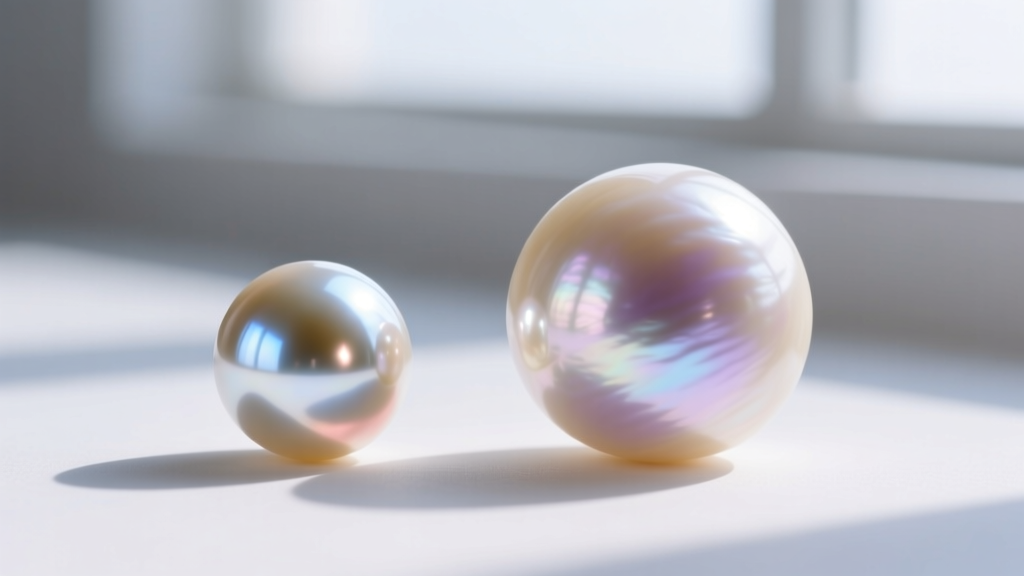
When investing in oversized pearls, surface area magnifies any imperfections. According to the Gemological Institute of America (GIA), luster is the most critical quality factor for any pearl. For large freshwater pearls, you want a 'very high' to 'excellent' luster rating, which means the reflections on the surface appear sharp, bright, and mirror-like.
Freshwater vs. Shell Composites
Authentic large freshwater pearls are cultivated in mussels and boast thick, solid nacre. The GIA Pearl Description Guide notes that freshwater pearls are composed entirely of nacre, making them incredibly durable and less prone to peeling than bead-nucleated saltwater varieties. However, a genuine 14mm AAA freshwater pearl pair can easily exceed $800.
For a more accessible price point, many jewelers offer shell-pearl composites. These are created by grinding mother-of-pearl shell into a powder, mixing it with a binder, and coating a glass or resin core. While they offer flawless, perfectly round surfaces and impressive weight, they lack the deep, inner glow (orient) of genuine nacre. If you choose shell composites, ensure the outer coating is at least 0.5mm thick to prevent chipping along the drill hole where it meets the metal cup.
Base Metals and Skin Sensitivities
The metal cup and clip mechanism must be crafted from hypoallergenic materials, as the back of the earlobe is highly susceptible to contact dermatitis. Avoid cheap, nickel-plated brass alloys. Instead, look for the following material grades:
- Sterling Silver (925): An excellent, hypoallergenic choice for the clip mechanism, though it requires occasional polishing to prevent tarnish.
- Gold Vermeil: By definition, vermeil must be a thick layer of gold (at least 2.5 microns) plated over a sterling silver base. This provides the luxurious look of solid gold without the prohibitive weight or cost, making it ideal for large earring findings.
- Surgical Stainless Steel (316L): Highly durable and nickel-free, often used in modern, minimalist paddle clips.
2026 Pricing Tiers: What to Expect
The market for large pearl clip on earrings has stratified into distinct tiers based on material authenticity and mechanical engineering:
- Fashion Tier ($35 - $85): Features shell-pearl composites or lower-grade (B or C) freshwater pearls with noticeable blemishes. Mechanisms are typically basic spring-clips with minimal padding. Base metals are usually gold-plated brass.
- Bridge Tier ($120 - $350): The sweet spot for most buyers. Features AAA-grade button or near-round freshwater pearls (11mm-13mm) with very high luster. Findings are crafted from sterling silver or gold vermeil with silicone-padded comfort clips.
- Fine Jewelry Tier ($500 - $1,500+): Showcases rare, large South Sea or premium AAA freshwater pearls (14mm+). Mechanisms are custom-engineered, often featuring hidden hinges, 18k solid gold vermeil, and ergonomic, adjustable tension settings.
Expert Maintenance for Clip-On Longevity
Oversized pearls require specific care to maintain their structural integrity and luster. Pearls are organic gemstones, meaning their nacre is highly porous and sensitive to chemicals. Never apply perfume, hairspray, or cosmetics while wearing your earrings; the alcohol and acids will rapidly degrade the pearl's luster and weaken the epoxy adhesive securing it to the metal cup.
After each wear, gently wipe the pearls with a dry, lint-free microfiber cloth to remove skin oils. Furthermore, periodically check the tension of your clip mechanisms. Over time, the repeated opening and closing of a spring or paddle clip can cause the metal to fatigue and widen. If your large pearl clip on earrings begin to feel loose, a professional jeweler can easily use a pair of nylon-jaw pliers to gently recalibrate the tension of the metal finding without scratching the gold or silver finish.


