Expert Care and Cleaning Guide for Latch Back Earrings
Learn how to properly clean latch back earrings, unclog stuck hinges, and maintain the tension post for secure, long-lasting daily wear.

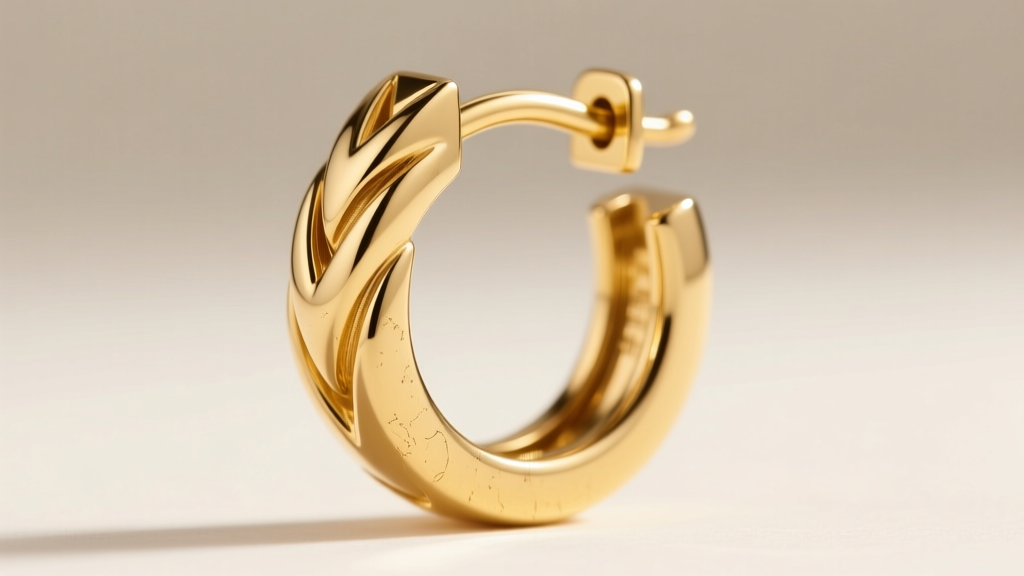
The Anatomy of a Latch Back Earring: Why Hinges Fail
Latch back earrings—frequently referred to as saddlebacks or hinged hoops—are a cornerstone of fine jewelry design, prized for their seamless look and secure closure. Unlike standard friction-backed studs or continuous wire hoops, a latch back relies on a精密 mechanical hinge. This mechanism consists of a male tension post (typically forged from 18-gauge or 16-gauge wire) that swings on a microscopic hinge pin and snaps into a female V-groove catch on the opposite side of the hoop.
While this design is highly secure when functioning correctly, the V-groove and the hinge barrel are notorious traps for microscopic debris. When the satisfying 'click' of your latch back earrings fades, or worse, when the latch begins to slip open unexpectedly, the culprit is rarely a broken earring. Instead, it is almost always a maintenance issue. Understanding the precise mechanics of your jewelry is the first step toward preserving its structural integrity and aesthetic brilliance.
The Science of Hinge Gunk: What is Sticking Your Latch?
The human body continuously sheds dead skin cells and produces sebum (natural oils). When you wear hinged hoops daily, this sebum mixes with environmental pollutants, hard water minerals from the shower, and cosmetic residues like foundation or setting sprays. Over time, this mixture calcifies into a hardened, wax-like compound that lodges deep inside the female V-groove.
When the groove is packed with this calcified debris, the male post cannot seat fully. This prevents the tension catch from engaging, resulting in a latch that feels 'mushy' or refuses to click shut. Conversely, if lotion or hair oils coat the male post, it acts as a lubricant, reducing the friction required to keep the post locked inside the catch, causing the earring to slip open during the day.
Step-by-Step Deep Cleaning Protocol
To restore the mechanical precision of your latch back earrings, you must dissolve the organic buildup without damaging the metal or any inset gemstones. According to the Gemological Institute of America (GIA), gentle degreasing is the safest first step for most fine jewelry.
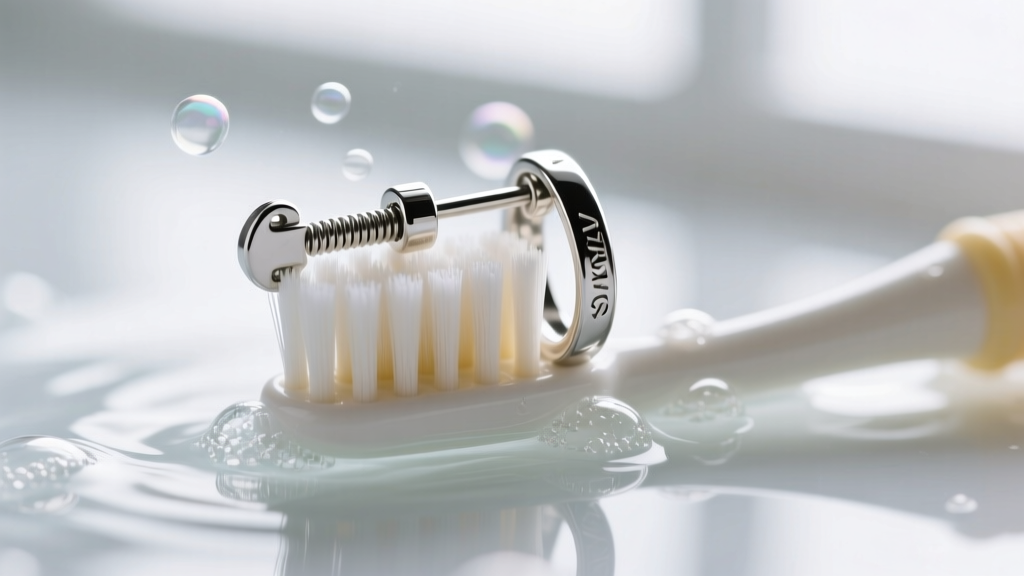
Tools Required
- Degreasing Agent: Mild, ammonia-free dish soap (e.g., original blue Dawn).
- Agitation Tool: An extra-soft baby toothbrush or a specialized jewelry cleaning brush.
- Groove Cleaner: A wooden toothpick or a 0.4mm plastic interdental brush (never use metal needles, which will scratch gold or silver).
- Drying: Lint-free microfiber cloth and a hair dryer on a cool setting.
The Cleaning Process
- The Soak: Mix a few drops of dish soap into a bowl of warm (not hot) distilled water. Submerge the earrings for 15 to 20 minutes. This softens the calcified sebum.
- The Groove Floss: Remove the earrings and gently insert the tip of the wooden toothpick or interdental brush into the female V-groove. Gently scrape the edges to dislodge the softened wax. You will likely see a microscopic white film lift out.
- The Brush: Dip the baby toothbrush into the soapy water and gently scrub the male post and the hinge barrel. Ensure the bristles are soft enough to avoid micro-scratches on high-polish finishes.
- The Rinse and Dry: Rinse thoroughly under lukewarm distilled water. Use a cool hair dryer to blow water out of the hinge barrel—trapped moisture can lead to stiff hinges or tarnish in silver alloys.
Troubleshooting Common Latch Back Failure Modes
If your earrings are perfectly clean but still malfunctioning, the issue is likely mechanical. Below is a diagnostic chart for common latch back problems and their expert solutions.
| Symptom | Root Cause | Expert Solution |
|---|---|---|
| Latch won't click shut | Micro-scratch or burr on the male post preventing smooth entry. | Inspect under a loupe. If a burr is present, a jeweler must lightly file and re-polish the post. |
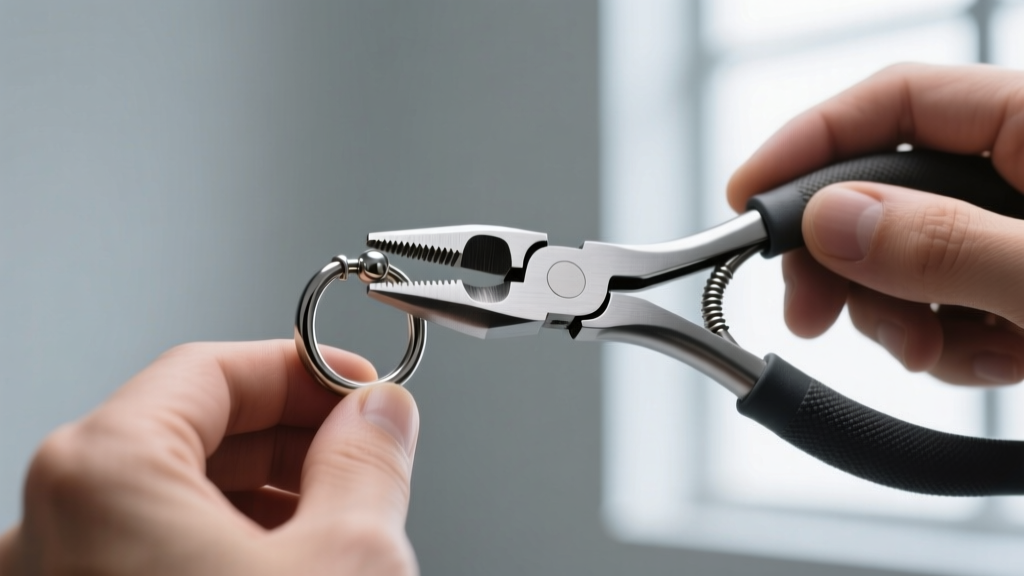
| Latch slips open randomly | Male tension post has been bent slightly downward, losing upward pressure against the catch. | Use nylon-jaw jewelry pliers to gently bend the male post upward by 1 to 2 degrees. Do not use metal pliers, which will mar the finish. |
| Hinge is incredibly stiff | Dried soap scum or mineral deposits inside the hinge pin barrel. | Apply a micro-drop of food-grade mineral oil to the hinge pin. Work the latch back and forth 20 times, then wipe away all excess oil. |
| Post misses the V-groove | Hinge barrel is loose, causing lateral wobble in the hoop alignment. | Stop wearing immediately. A jeweler must re-tension or replace the hinge pin to realign the barrel. |
Material-Specific Care Considerations
The metal composition of your latch back earrings dictates what chemical cleaners and mechanical forces they can withstand. The Jewelers of America emphasizes that treating all metals the same is a primary cause of jewelry degradation.
14k and 18k Gold (Yellow and Rose)
Solid gold is highly resistant to tarnish and can safely withstand ultrasonic cleaners (operating at 40kHz). However, if your latch back features a friction-fit gemstone setting near the hinge, avoid ultrasonics, as the high-frequency vibrations can shake the stones loose from their bezels or prongs.
White Gold (Rhodium Plated)
White gold is alloyed with metals like nickel or palladium and plated with rhodium for a bright white finish. Aggressive polishing near the hinge or frequent use of harsh chemical dips can wear away the rhodium plating prematurely, exposing the faintly yellowish alloy underneath. Stick to the mild soap and water method, and avoid polishing cloths directly on the hinge mechanism.
Sterling Silver
Silver is prone to oxidation (tarnish), particularly in the dark, humid micro-environment of a hinge barrel. While silver dips can remove tarnish quickly, they contain harsh thiourea chemicals. If you use a dip, you must rinse the hinge thoroughly with distilled water and dry it immediately; residual chemicals left in the hinge will cause rapid, severe re-tarnishing and can corrode the steel hinge pin.
Implant-Grade Titanium (ASTM F136)
Titanium latch backs are increasingly popular for sensitive ears. Titanium is virtually impervious to corrosion and will not tarnish. You can safely use isopropyl alcohol (90% or higher) to degrease titanium hinges without fear of damaging the metal, making it the lowest-maintenance option for daily wearers.
Daily Habits to Prolong Hinge Tension
Preventative care is vastly superior to reactive repair. To maximize the lifespan of your latch back mechanisms, adopt the following wearing habits:
The Golden Rule of Jewelry Sequencing: Always put your latch back earrings on after applying makeup, lotions, perfumes, and hairspray. Cosmetics are the primary contributors to V-groove clogging.
- Avoid the Shower: While solid gold won't rust, the hard water and soap scum from daily showers will rapidly calcify inside the hinge barrel, leading to stiffness and misalignment.
- Open with Care: When opening the latch, grip the male post near the hinge, not at the tip. Pulling from the tip creates a lever effect that can slowly bend the post or warp the hinge pin over time.
- Monthly Maintenance: Perform the degreasing soak and toothpick 'floss' once a month, even if the latch still feels secure. This prevents sebum from hardening into a cement-like state.
When to Seek Professional Jewelry Repair
While cleaning and minor tension adjustments can be done at home, certain failure modes require a professional bench jeweler. If the hinge pin is protruding from the barrel, if the V-groove is visibly deformed, or if the male post snaps off entirely, do not attempt a DIY fix with superglue or household tools. A jeweler will use a laser welder or micro-soldering equipment to repair the structural integrity of the hinge without damaging the surrounding precious metal. By understanding the intricate mechanics of your latch back earrings and committing to a precise cleaning regimen, you ensure that every wear is as secure and satisfying as the very first click.


