Laura Ingraham Earrings: A Buying Guide To Classic Broadcast Styles
Discover how to shop for Laura Ingraham earrings. Our buying guide covers pearl grades, diamond specs, and secure backings for a polished look.


When viewers search for Laura Ingraham earrings, they are rarely looking for fleeting, avant-garde fashion trends. Instead, they are seeking to replicate a highly specific, authoritative, and polished aesthetic that has become a staple of conservative broadcast journalism. The 'broadcast chic' look relies on jewelry that commands respect without distracting from the dialogue. It is an exercise in restraint, quality, and timelessness.
As a senior jewelry analyst, I have broken down the exact specifications, material grades, and hardware requirements needed to build an earring collection that mirrors this sophisticated on-air presence. Whether you are preparing for corporate presentations, television appearances, or simply prefer a classic wardrobe, this buying guide will tell you exactly what to look for.
The Psychology of Broadcast Jewelry
Jewelry worn on high-definition television must pass the 'distraction test.' Dangling chandeliers or overly reflective costume jewelry can cause moiré patterns on camera or draw the viewer's eye away from the speaker's face. The hallmark of the Ingraham aesthetic is the use of high-quality, compact centerpieces—primarily premium pearls and precisely cut diamond solitaires. These pieces catch studio lighting beautifully, providing a subtle glow that frames the face and conveys professionalism.
Pearl Studs: The Anchor of the Collection
No broadcast jewelry box is complete without a flawless pair of white pearl studs. However, not all pearls are created equal. To achieve that sharp, mirror-like reflection seen on camera, you must look beyond basic 'jewelry store' pearls and focus on specific nacre thickness and luster grades.
Akoya vs. South Sea: What to Look For
The two primary contenders for this aesthetic are Japanese Akoya pearls and White South Sea pearls. Akoya pearls are renowned for their sharp, glass-like luster, making them ideal for standard-definition and high-definition studio environments. South Sea pearls offer a softer, satiny glow and a larger physical footprint.
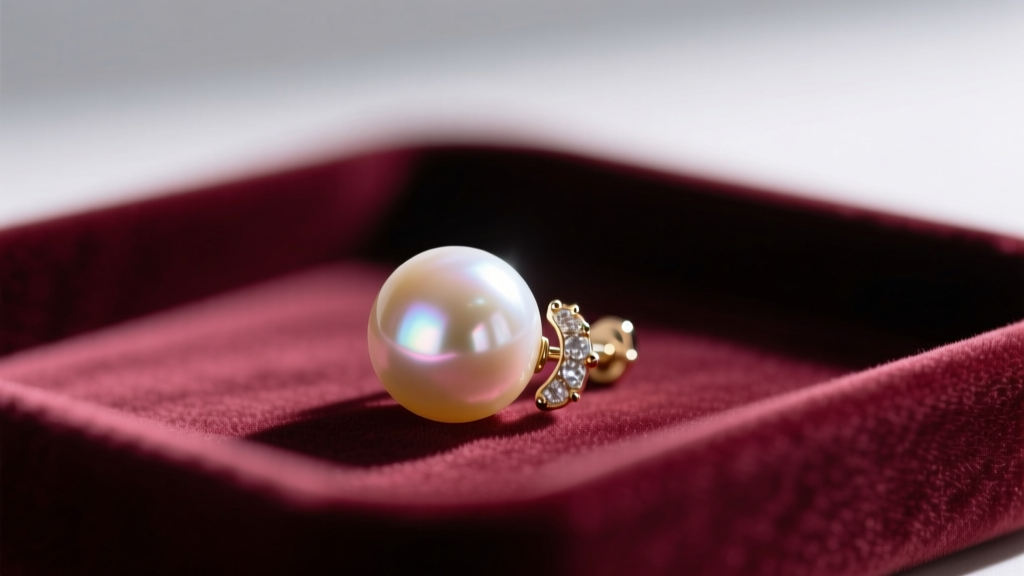
According to the Gemological Institute of America (GIA), luster is the most critical value factor for pearls. When shopping, demand a Hanadama certification for Akoya pearls, which guarantees a nacre thickness of at least 0.6mm and exceptional luster. For South Sea pearls, look for 'AAA' grading with a clean surface and a subtle rosé or silver overtone.
| Feature | Hanadama Akoya | White South Sea |
|---|---|---|
| Ideal Size | 8.0mm - 9.5mm | 10.0mm - 12.0mm |
| Luster Type | Sharp, mirror-like, high contrast | Soft, satiny, deep glow |
| Nacre Thickness | ≥ 0.6mm (Certified) | 2.0mm - 4.0mm (Solid nacre) |
| Estimated Price Range | $400 - $900 | $1,200 - $3,500+ |
Diamond Solitaires: Sizing and Clarity for the Camera
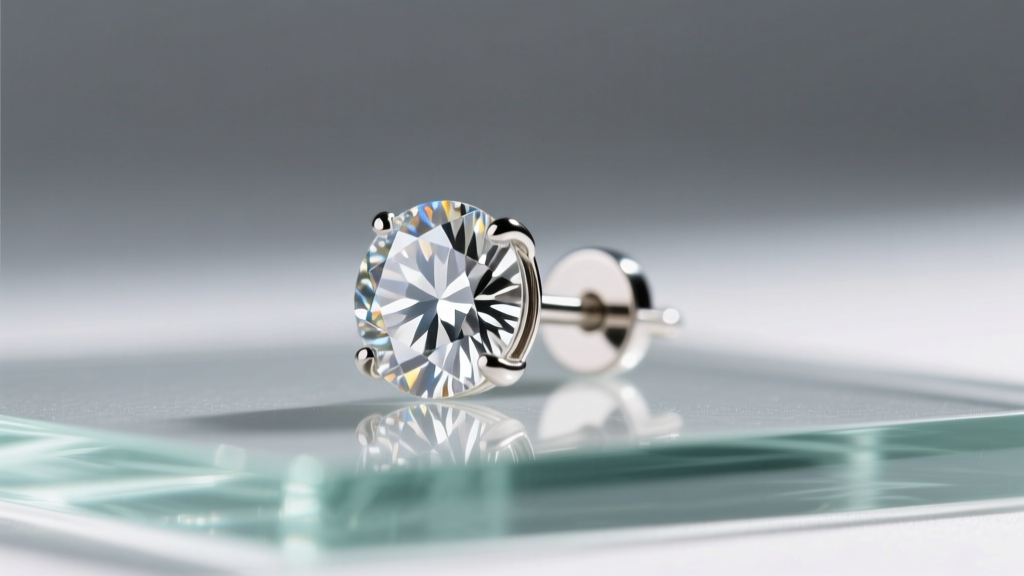
When pearls are not the choice, diamond studs take center stage. The goal is maximum scintillation (sparkle) without excessive carat weight that might look ostentatious or weigh down the earlobe during a long broadcast segment.
The Ideal Carat Weight and Cut
For the classic television anchor look, the sweet spot is between 0.50 carats and 1.00 carats total weight (CTW). Anything larger risks crossing from 'authoritative' into 'flashy.' However, because the carat weight is modest, the cut quality must be uncompromising.
Always insist on an Excellent or Ideal cut grade. A poorly cut 1-carat diamond will look dull under studio lights, whereas an ideally cut 0.75-carat diamond will refract light brilliantly. The GIA Diamond 4Cs guidelines emphasize that cut is the primary driver of a diamond's fire and brilliance.
Color, Clarity, and the Fluorescence Trap
- Color: Target G or H color. These grades face up completely colorless to the naked eye, especially when set in white gold or platinum, but cost significantly less than D-F colorless grades.
- Clarity: VS2 or SI1 is perfectly adequate. As long as the diamond is 'eye-clean' (no visible black carbon inclusions in the center), the camera will never pick up microscopic flaws.
- Fluorescence: Avoid Strong Blue Fluorescence. Television studios often use lighting rigs that emit trace amounts of UV light. Diamonds with strong fluorescence can appear cloudy or milky on camera, completely ruining their sparkle.
Subtle Drop Earrings: Adding Movement Without Distraction
While studs are the daily workhorses, evening segments or special panel discussions often call for a subtle drop earring. The key here is rigid structural design. You want drops that move gracefully but do not swing wildly or tangle in hair or lapel microphones.
Look for leverback closures or hinged hoop huggies with a single, stationary drop element—such as a sapphire halo or a solitary pear-shaped diamond. The total drop length should not exceed 1.25 inches from the piercing. Materials should be restricted to 18k yellow gold or platinum, which offer superior durability and a rich, warm tone that complements studio skin-tone color grading.
Hardware and Backings: Ensuring All-Day Security
A common failure point in high-end jewelry is the earring backing. Standard friction backs (butterfly backs) are notorious for loosening throughout the day, which can lead to the loss of a valuable diamond or pearl, or cause the earring to droop unflatteringly on the earlobe.
When investing in broadcast-quality earrings, upgrade your hardware immediately:
- La Pousette Backs: These operate like a camera lens cap, clicking securely into place with a spring-loaded mechanism. They are the gold standard for security and comfort.
- Screw-Backs: While highly secure, they can be tedious to put on and may strip over time if cross-threaded. Use these only if you have limited dexterity issues with push-backs.
- Post Gauge Thickness: Standard diamond studs use a 20-gauge (0.81mm) post. However, if you are wearing heavy South Sea pearls (over 10mm), you must request an 18-gauge (1.02mm) or 16-gauge (1.29mm) post. Thinner posts will bend under the weight of large pearls, causing the earring to point downward rather than sitting flush against the lobe.
Sourcing Authentic Classics
To build a collection that mirrors this elevated, professional aesthetic, avoid fast-fashion retailers and mall kiosks. Focus on estate jewelers, specialized pearl farms (such as those offering direct-to-consumer Hanadama Akoya), and American Gem Society (AGS) credentialed jewelers who can provide verifiable grading reports for diamonds. By prioritizing nacre thickness, ideal cut grades, and secure locking hardware, you will curate a collection of earrings that project confidence, authority, and timeless elegance, both on and off the screen.


