Lemaire Earrings Value Assessment: Are They Worth It?
We assess the true value of Lemaire earrings in 2026, analyzing plated brass pricing, sculptural designs, and hardware longevity for smart buyers.

The Lemaire Aesthetic: Sculptural Minimalism
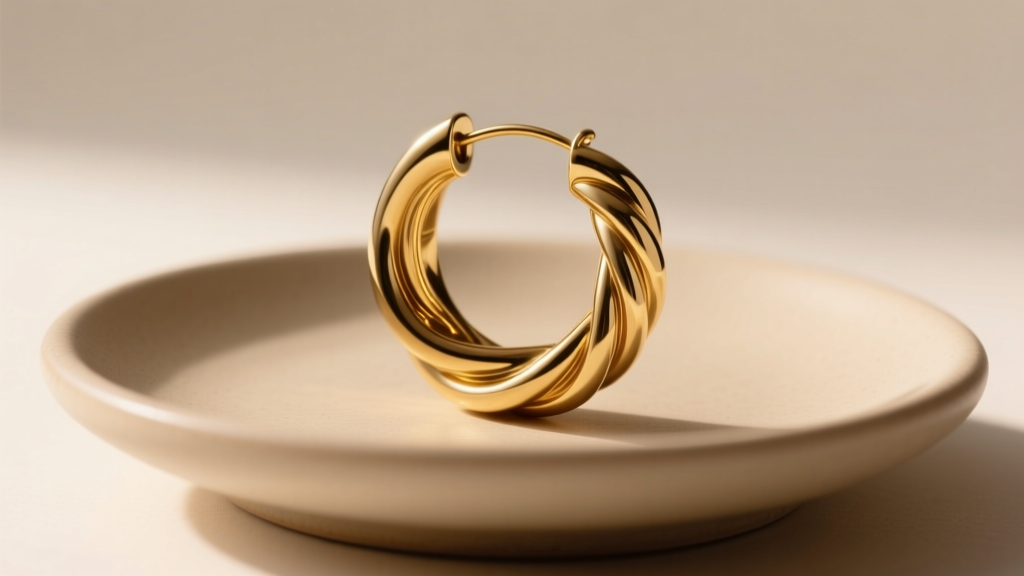
When evaluating high-end fashion jewelry, the Parisian house of Lemaire occupies a unique space in the 2026 market. Under the creative direction of Christophe Lemaire and Sarah-Linh Tran, the brand has cultivated a fiercely loyal following for its avant-garde, organic, and fluid design language. Lemaire earrings are not merely accessories; they are sculptural extensions of the brand’s ready-to-wear philosophy. Styles like the twisted hoop, the knotted stud, and the asymmetrical resin drops are instantly recognizable to those in the know. However, when prices range from $220 to over $480 for non-precious metals, a critical budget and value assessment is required. Are you paying for enduring craftsmanship, or purely for the design cache and proprietary molds? This guide breaks down the metallurgy, hardware mechanics, and cost-per-wear reality of investing in Lemaire earrings.
Material Reality: Plated Brass vs. Solid Metals
To accurately assess the value of Lemaire earrings, we must first examine the raw materials. The vast majority of Lemaire’s metallic earrings are crafted from jewelry-grade brass (typically a copper-zinc alloy) that is subsequently plated with 18k gold, palladium, or rhodium. Some seasonal pieces incorporate sterling silver or bio-acetate resin.
From a purely intrinsic standpoint, brass has a negligible melt value compared to solid 14k or 18k gold. The plating thickness on luxury fashion jewelry usually hovers between 0.5 and 1.5 microns. While this provides a brilliant, authentic gold luster initially, it is fundamentally a surface treatment. By contrast, true gold vermeil requires a minimum of 2.5 microns of gold over a sterling silver base. When you purchase a $350 pair of Lemaire gold-plated brass hoops, you are not buying a commodity asset; you are funding the Parisian design studio, the complex multi-part mold creation required for their fluid, organic shapes, and the brand's luxury retail overhead.
The Tarnish Factor and Skin Chemistry
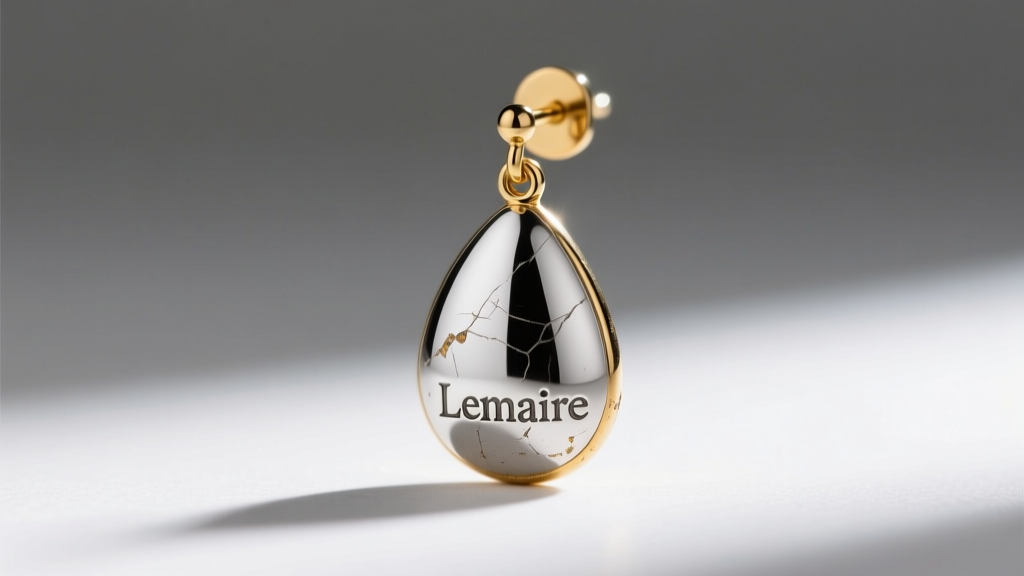
One of the most common failure modes for plated brass earrings is the eventual wear of the gold layer, exposing the brass beneath. For individuals with acidic skin pH or those who live in high-humidity climates, this exposed brass can oxidize rapidly, leaving a green or black residue on the earlobe. Lemaire mitigates this by using a nickel-free barrier layer between the brass and the gold plating, which prevents allergic contact dermatitis, but it cannot entirely halt the mechanical wear caused by friction against the skin and hair over several years of heavy use.
Price vs. Intrinsic Value: The Market Comparison
How does Lemaire’s pricing strategy compare to both its direct luxury competitors and the independent fine jewelry market? The table below illustrates where your money actually goes when shopping in the $250–$450 earring bracket.
| Brand / Category | Primary Material | Avg. Price Range | Intrinsic Melt Value | Design Uniqueness |
|---|---|---|---|---|
| Lemaire | 18k Gold-Plated Brass / Resin | $250 - $480 | Negligible | Exceptional (Sculptural) |
| Bottega Veneta | Silver / Brass / Enamel | $400 - $750 | Low to Moderate | High (Chunky/Geometric) |
| Mejuri | Solid 14k Gold / Vermeil | $150 - $350 | Moderate | Moderate (Classic/Minimal) |
| Independent Artisans (Etsy) | Solid 18k Gold / Recycled Silver | $200 - $400 | High | Variable (Hand-forged) |
As highlighted by luxury retail data on platforms like SSENSE, Lemaire’s pricing remains slightly more accessible than heritage houses like Bottega Veneta, yet commands a premium over solid-gold contemporary brands. The value proposition hinges entirely on your prioritization of avant-garde silhouettes over precious metal retention.
Hardware Mechanics and Lobe Ergonomics
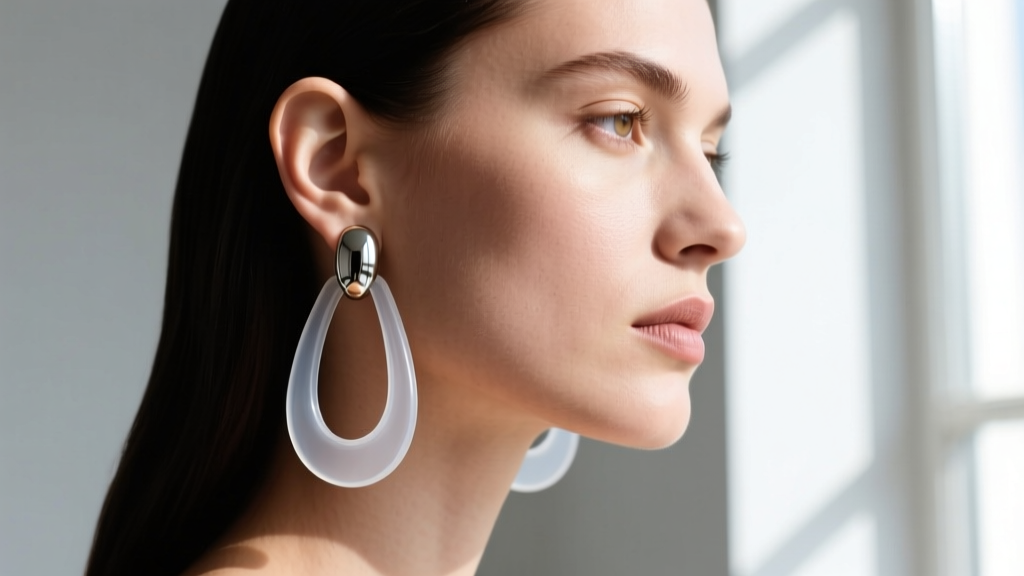
A frequently overlooked aspect of earring valuation is the hardware mechanics, particularly concerning weight distribution. Lemaire’s sculptural drops and oversized twisted hoops are notoriously heavy. A single solid brass drop earring can weigh between 14 and 22 grams. For context, a standard comfortable stud weighs under 2 grams.
The Droop Effect and Piercing Health
When a 20-gram earring is secured with a standard metal butterfly clutch, the center of gravity pulls the top of the earring forward. This causes the post to angle downward, creating a "droop" effect that looks visually unbalanced and, more importantly, places uneven stress on the earlobe piercing. Over time, wearing heavy, poorly supported earrings can lead to lobe stretching or even micro-tears in the fistula.
Expert Troubleshooting Tip: If you invest in Lemaire's heavier brass drops, immediately discard the included metal butterfly backs. Replace them with 10mm silicone friction discs or medical-grade O-rings. These provide a wider surface area of support against the back of the earlobe, distributing the 20g weight evenly and keeping the sculptural face of the earring perfectly perpendicular to the ground.
Furthermore, the post gauge on most Lemaire earrings is 0.9mm to 1.0mm (approximately 20-gauge to 18-gauge). This is standard for fashion jewelry but can feel slightly thin for the heavy head of the earring, occasionally leading to bending if the earring is snagged on a heavy wool sweater or scarf.
Maintenance Protocol for Plated Finishes
To protect your investment and maximize the lifespan of the 1.0-micron gold plating, a strict maintenance protocol is required. Unlike solid 14k gold, which can be polished aggressively and cleaned in ultrasonic baths, plated brass requires a gentle, preventative approach.
- The "Last On, First Off" Rule: Always apply your perfumes, hairsprays, and skincare serums before putting on your Lemaire earrings. The alcohol and essential oils in fragrances act as solvents that degrade the microscopic gold layer.
- Moisture Avoidance: Never wear plated brass earrings in the shower, pool, or ocean. Chlorine and saltwater will accelerate the oxidation of the underlying brass, causing it to swell and flake the gold plating from the inside out.
- Proper Polishing: Use only a dry, untreated microfiber cloth to wipe away sebum and sweat after wearing. Never use liquid silver dips or treated jeweler's cloths, as the mild abrasives and chemicals will strip the gold plating instantly, leaving you with a raw brass earring.
According to the material care guidelines provided by Lemaire's official boutique, storing the pieces in their original anti-tarnish flannel pouches away from direct sunlight and humidity is crucial for preventing premature patina.
Final Verdict: Who Should Invest in Lemaire?
Assessing the budget and value of Lemaire earrings requires separating the concept of "jewelry as an asset" from "jewelry as wearable art." If your primary goal is to acquire precious metals that hold intrinsic financial value or can be passed down as heirlooms, Lemaire’s plated brass offerings are a poor allocation of a $350 budget. You would be better served by an independent jeweler crafting solid 14k gold hoops.
However, if you view your accessories through the lens of high fashion, architectural design, and brand philosophy, Lemaire offers unparalleled value. The complex, proprietary molds required to cast their fluid, asymmetrical shapes are simply not replicated by lower-tier fast-fashion brands. The weight, the specific luster of their 18k plating, and the seamless integration with the brand's legendary tailoring make them a justifiable luxury for the design-conscious collector. By understanding the material limitations and upgrading the hardware backings for ergonomic support, you can ensure your Lemaire earrings remain a staple of your wardrobe for years to come.


