Leru Earrings Explained: A Beginner's Guide to Lightweight Styles
Discover everything about Leru earrings. This beginner-friendly guide covers materials, gauge sizes, and care tips for lightweight styles.

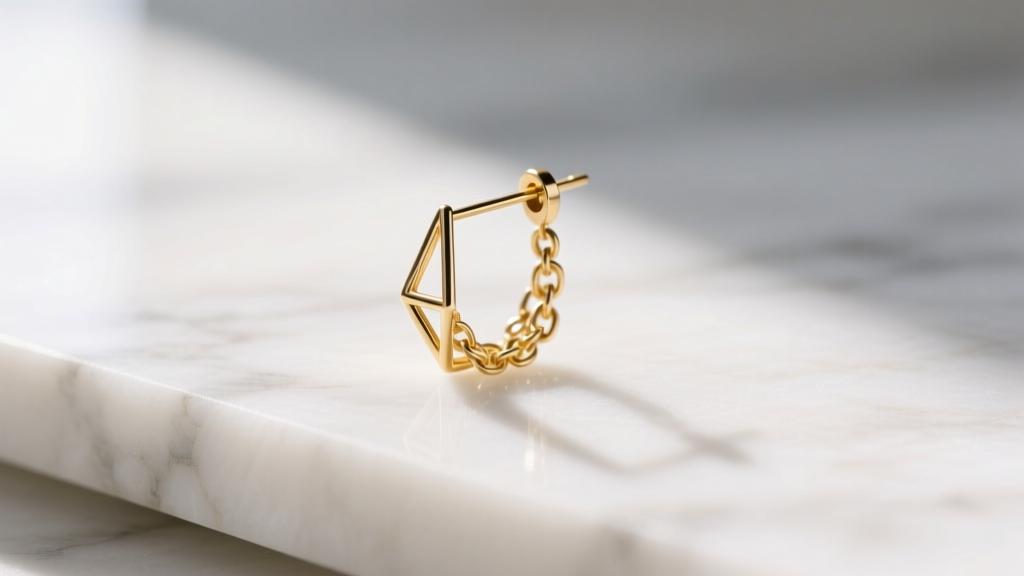
When building a curated jewelry collection, finding pieces that balance aesthetic elegance with everyday comfort is paramount. Enter leru earrings—a highly sought-after category of ultra-lightweight, minimalist ear jewelry that has taken the fine jewelry market by storm. For beginners navigating the vast world of ear adornments, the sheer volume of styles, metals, and backing mechanisms can be overwhelming. This comprehensive guide breaks down the anatomy, metallurgy, and proper care of these delicate pieces, ensuring your lobes remain healthy and stylish.
What Exactly Are Leru Earrings?
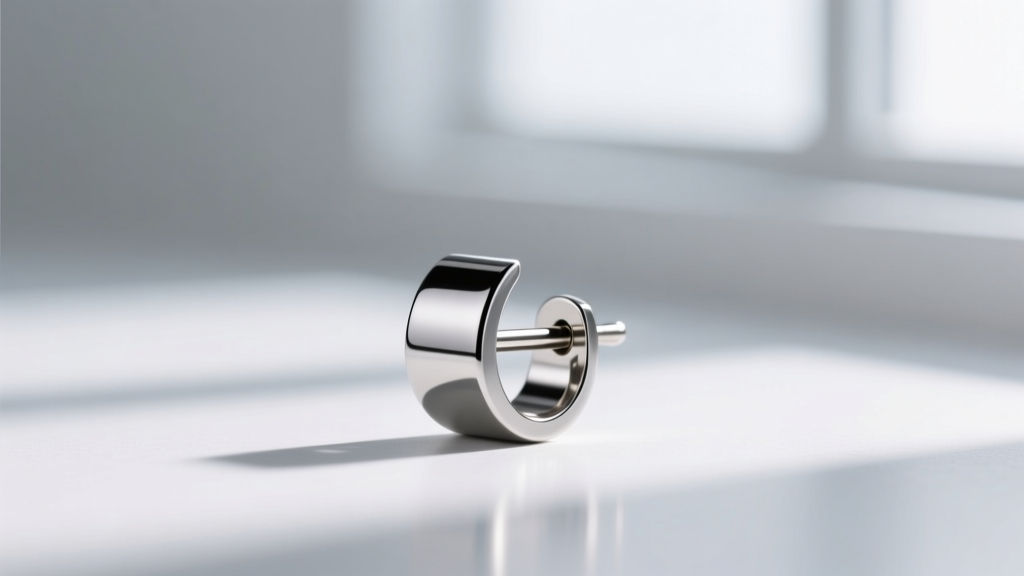
The term 'leru earrings' refers to a specific design philosophy centered around featherweight construction, minimalist silhouettes, and high-mobility wearability. Unlike heavy statement hoops or dense cast-metal studs, these designs prioritize a near-weightless feel. They are predominantly characterized by delicate threaders, fine-chain drops, and ultra-thin huggies. The primary appeal for beginners is the drastic reduction in earlobe fatigue. Traditional heavy earrings can cause the piercing tract (fistula) to stretch over time, but these lightweight alternatives mitigate that risk entirely, making them ideal for both newly healed piercings and older, stretched lobes.
The Anatomy of a Lightweight Threader and Drop
Understanding the physical construction of these earrings is crucial for proper insertion and long-term comfort. Most designs in this category rely on a two-part structural system:
The Threader Chain
The chain portion of a threader earring is designed to slide completely through the piercing. To achieve this without causing micro-tears in the tissue, the chain links must be micro-welded and incredibly fine. High-quality pieces utilize cable or box chains that measure between 0.5mm and 0.8mm in width. The flexibility of the chain allows the earring to move with your head, preventing snagging on hair or clothing.
The Rigid Post and Friction Back
For drop variations, the structural integrity relies on the post. A common failure mode in cheap jewelry is a post that is too thin, acting like a wire cheese-cutter against the earlobe. Authentic designs maintain a rigid post thickness of at least 18-gauge (1.02mm) to distribute weight evenly across the fistula, even if the decorative drop itself is gossamer-thin.
The Metallurgy of Comfort: What to Look For
Because lightweight earrings sit flush against the skin and move frequently, the metal composition is non-negotiable. Contact dermatitis is a common issue for beginners who purchase fashion jewelry containing hidden nickel alloys. According to DermNet NZ, nickel allergy is one of the most common causes of allergic contact dermatitis, often triggered by prolonged skin contact with cheap earring posts.
When shopping for premium lightweight styles, look for these specific material grades:
- ASTM F136 Titanium (Grade 23): The gold standard for sensitive ears and healing piercings. It is entirely nickel-free, highly corrosion-resistant, and remarkably strong despite its low density.
- 14k or 18k Solid Gold: Ensure it is solid, not gold-plated or gold-filled. Plating can wear off on the friction points of a threader chain, exposing base metals to the piercing tract.
- Niobium: A highly reactive metal that is anodized to create vibrant colors without the use of toxic dyes or heavy metal alloys.
Sizing and Gauge Guide for Beginners
Gauge refers to the thickness of the metal that passes through the ear. Standard lobe piercings done with a gun are typically 20g, while needle piercings are usually 18g or 16g. Wearing a post that is too thin can lead to the 'cheese-cutter effect,' where the thin metal slowly migrates downward through the tissue. The Association of Professional Piercers (APP) strongly recommends avoiding overly thin jewelry in fresh or delicate piercings to prevent migration.
| Gauge Size | Millimeter (mm) | Best Application in Lightweight Styles | Risk Level for Lobes |
|---|---|---|---|
| 22 Gauge | 0.64mm | Threader chains only (never the rigid post) | High (if used as a solid post) |
| 20 Gauge | 0.81mm | Standard lightweight studs and fine drops | Moderate (safe for fully healed lobes) |
| 18 Gauge | 1.02mm | Ideal for daily wear threaders and huggies | Low (optimal for most adults) |
| 16 Gauge | 1.29mm | Cartilage and heavy-drop stabilization | Very Low (excellent weight distribution) |

The Physics of Earlobe Migration
Why does jewelry weight matter so much? The human earlobe is composed of fibrofatty tissue without a rigid cartilage framework. When you wear heavy statement earrings (typically weighing over 4 to 5 grams per ear), gravity exerts a constant downward vector force on the fistula. Over months and years, this causes the tissue to thin and the piercing hole to elongate, eventually leading to permanent migration or tearing.
"By keeping the total weight of an earring under 1.5 grams, you effectively eliminate the gravitational stress on the fistula, preserving the structural integrity of the piercing for decades."
This is precisely why the minimalist architecture of these earrings is not just an aesthetic choice, but a biomechanical necessity for long-term ear health. The delicate chains and hollow-cast drops keep the center of gravity close to the earlobe, minimizing leverage and torque.
Step-by-Step: How to Insert Threader Styles
Threader earrings can be intimidating for beginners due to their lack of a traditional backing. Follow this precise method to avoid bending the post or snagging the chain:
- Prep the Area: Wash your hands and ensure your earlobe is completely dry. Moisture increases friction.
- Align the Post: Hold the rigid metal post (not the chain) between your thumb and index finger. Align it perfectly parallel to your piercing tract.
- Push, Don't Wiggle: Gently push the post straight through. If you feel resistance, do not force or wiggle it, as this can bend the micro-welds on the chain. Realign and try again.
- Pull the Chain: Once the post is through, grasp the chain gently and pull it until the decorative drop rests at your desired length.
- Secure (Optional): For active days, use a tiny silicone O-ring or a specialized threader stopper on the back of the chain to prevent it from sliding forward.
Maintenance and Tarnish Prevention
Because these designs feature intricate micro-links and fine crevices, they are prone to trapping sebum, dead skin cells, and hair products. A buildup of debris not only dulls the metal but can harbor bacteria, leading to localized irritation.
To maintain the pristine condition of your jewelry, implement a bi-weekly cleaning routine. Use a few drops of pH-neutral dish soap in warm distilled water. Submerge the pieces for five minutes, then use an ultra-soft baby toothbrush to gently sweep the chain links. Rinse thoroughly with distilled water and pat dry with a lint-free microfiber cloth. Avoid ultrasonic cleaners for threader chains, as the high-frequency vibrations can weaken the delicate micro-welds over time.
By understanding the precise engineering, material science, and biomechanics behind these pieces, beginners can confidently invest in high-quality jewelry that honors both their personal style and their anatomical health.


