The Ultimate Lighted Earrings Buying Guide for 2026
Discover what to look for when buying lighted earrings. Our 2026 guide covers LED tech, battery safety, hypoallergenic posts, and festival durability.

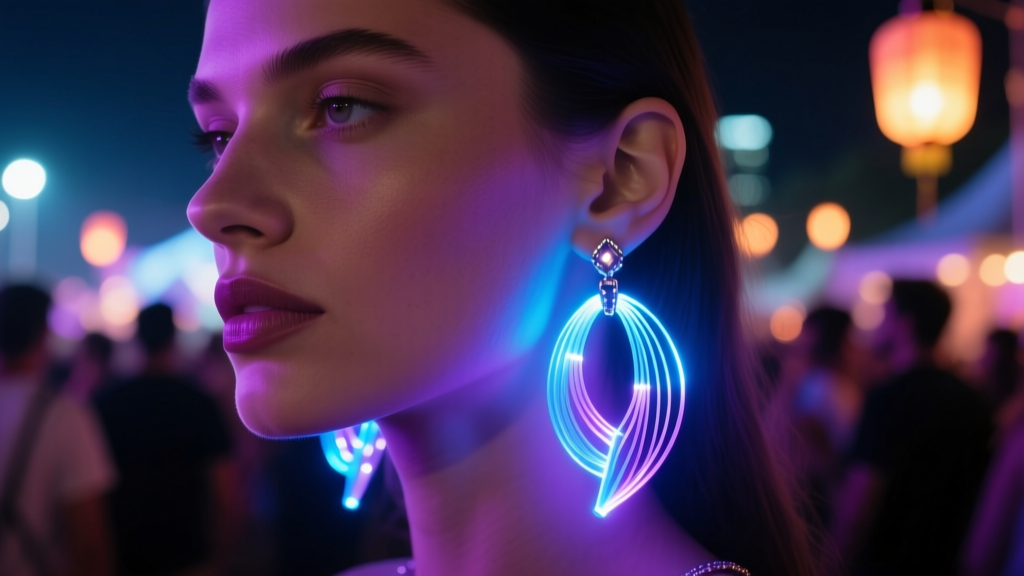
The Evolution of Illuminated Ear Art
Once relegated to cheap, disposable rave gear of the late 1990s, lighted earrings have undergone a massive technological renaissance. Today, wearable micro-illumination is a staple for festival-goers, cosplayers, stage performers, and even safety-conscious nighttime runners. However, merging electronics with body jewelry introduces a unique matrix of challenges. You are no longer just evaluating metal purity and aesthetic design; you must also consider circuit durability, battery chemistry, and the biomechanical stress of added weight on your piercing fistulas.
As we navigate the 2026 landscape of smart and illuminated jewelry, the market is flooded with options ranging from high-end silicone-encased fiber optics to mass-produced, hazardous novelty drops. This comprehensive buying guide will dissect the engineering, material safety, and ergonomic realities of lighted earrings, ensuring your next purchase is as safe for your piercings as it is striking to the eye.
Core Illumination Technologies: LED vs. Fiber Optic vs. EL Wire
Not all lighted earrings are created equal. The method of illumination dictates the earring's weight, battery life, and visual profile. Understanding these three primary technologies is the first step in making an informed purchase.
1. Micro-LEDs (Light Emitting Diodes)
Surface-mount device (SMD) LEDs are the most common powerhouses in modern lighted earrings. They offer high lumen output, directional brightness, and color-changing RGB capabilities. However, because LEDs are point-light sources, they can create harsh, blinding glares if not properly diffused. Look for designs that utilize frosted acrylic or resin housings to scatter the light evenly across the earring's surface.
2. Fiber Optic Strands
Fiber optic earrings rely on a single, high-intensity LED hidden at the base of the earring (usually behind the earlobe or at the top of a drop) to pump light through side-glow optical fibers. This creates a stunning, ethereal, neon-tube effect. The primary advantage is weight distribution; the heavier battery and LED components can be anchored at the top, while the delicate fibers cascade down without adding significant mass to the lower lobe.
3. EL Wire (Electroluminescent Wire)
EL wire is a thin copper wire coated in a phosphor that glows when an alternating current is applied. It is incredibly flexible and provides a 360-degree uniform glow. The hidden drawback: EL wire requires a micro-inverter to step up the voltage. In cheaper models, this inverter emits a high-frequency whine (typically between 1 and 2 kHz) that can be highly aggravating for wearers with sensitive hearing or tinnitus. Always test EL wire earrings in a quiet room before committing to a 12-hour festival wear.
Powering the Glow: Battery Architectures and Safety
The power source is the heaviest and potentially most hazardous component of any lighted earring. Manufacturers generally rely on three distinct battery architectures, each with specific trade-offs regarding runtime, weight, and safety.
| Battery Type | Voltage / Capacity | Weight Impact | Best Use Case | Safety Profile |
|---|---|---|---|---|
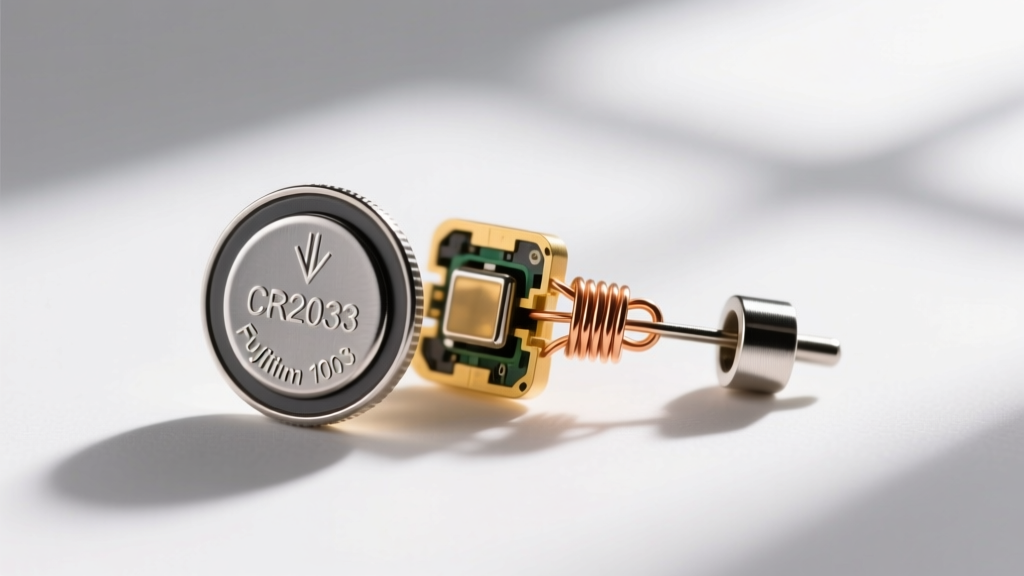
| CR2032 Coin Cell | 3V / ~220mAh | High (3.0g per cell) | Bright, multi-LED drops requiring 3V forward voltage | High choking hazard; requires secure screw-down caps |
| LR44 Button Cell | 1.5V / ~110mAh | Medium (1.9g per cell) | Single red/green LED studs | High choking hazard; often poorly secured in cheap novelty sets |
| USB-C LiPo Pouch | 3.7V / ~100-300mAh | Low to Medium (distributed) | Premium, rechargeable smart earrings | Requires overcharge protection circuitry; safe if sealed |
Safety Warning: The Consumer Product Safety Commission (CPSC) strictly warns about the severe chemical burn hazards posed by button batteries. When buying lighted earrings, ensure the battery compartment requires a micro-screwdriver or a firm, threaded twist to open, preventing accidental exposure or ingestion by children or pets in your household.
The Hidden Danger: Post Materials and Piercing Health
The most glaring failure point in commercial lighted earrings is the ear post. To keep manufacturing costs low while accommodating the expense of the LED components, many brands use 'mystery metals'—often nickel-heavy brass or low-grade aluminum alloys—for the part that actually penetrates your skin. This is a recipe for contact dermatitis, allergic reactions, and localized infections.
What to Look For: Implant-Grade Standards
If you are buying premium lighted earrings, the product description must explicitly state the post material. The gold standard for any body jewelry is ASTM F136 Titanium (Ti-6Al-4V ELI). According to extensive biocompatibility studies on titanium, this specific alloy is entirely nickel-free and highly resistant to corrosion from bodily fluids. 316L Surgical Steel is an acceptable runner-up, provided you do not have a known nickel sensitivity.
The Post-Swapping Hack
If you find a lighted earring design you love but it features a cheap alloy post, you can often perform a DIY upgrade. Using a pair of precision flush cutters, carefully snip the base of the cheap post. You can then use a specialized jewelry glue or a micro-soldering iron to attach a blank 20G or 18G titanium post purchased from a reputable body jewelry supplier. Alternatively, sliding a medical-grade silicone O-ring over the cheap post can act as a temporary physical barrier between the metal and your fistula, though this is not recommended for long-term wear.
Weight, Gauge, and the Cheese-Cutter Effect
Standard decorative stud earrings weigh between 1 and 3 grams. A lighted drop earring, burdened by a battery housing, copper wiring, and acrylic diffusers, can easily weigh between 15 and 35 grams. This massive increase in mass introduces severe biomechanical risks to your earlobe.
When a heavy earring rests on a thin, standard 20-gauge (0.8mm) wire, the downward force concentrates on a microscopic surface area. Over the course of a long day, this creates the 'cheese-cutter effect,' where the wire slowly migrates downward, stretching and potentially tearing through the bottom of the piercing channel.
- For earrings under 10g: A 20G (0.8mm) or 18G (1.0mm) post is generally sufficient.
- For earrings between 10g and 25g: You must upgrade to a 16G (1.2mm) or 14G (1.6mm) post to distribute the weight.
- For earrings over 25g: Avoid standard lobe piercings entirely. Opt for designs that incorporate an ear cuff or upper cartilage clip to anchor the weight and relieve tension on the primary lobe fistula.
Environmental Durability: IPX Ratings for Festival Wear
Lighted earrings are frequently worn in high-stress environments: crowded music festivals, humid summer nights, and rainy outdoor events. Human sweat is highly conductive and mildly acidic, making it the natural enemy of exposed copper traces and cheap solder joints.
When evaluating a product, look for an explicit IPX rating. An IPX4 rating guarantees protection against splashing water and heavy sweat from any direction. For maximum durability, seek out IP65-rated earrings, which are entirely dust-tight and protected against low-pressure water jets. Premium manufacturers achieve this by encasing the entire PCB and battery housing in a flexible, optically clear silicone resin or utilizing conformal coatings on the internal circuit boards. If the product listing makes no mention of water resistance, assume the earring will short-circuit upon first contact with perspiration.
Maintenance and Storage Protocols
To maximize the lifespan of your illuminated jewelry, proper maintenance is non-negotiable. The most common cause of death for lighted earrings is galvanic corrosion. If a battery is left inside the earring during storage, microscopic amounts of moisture in the air act as an electrolyte, slowly corroding the metal contact springs and rendering the circuit useless.
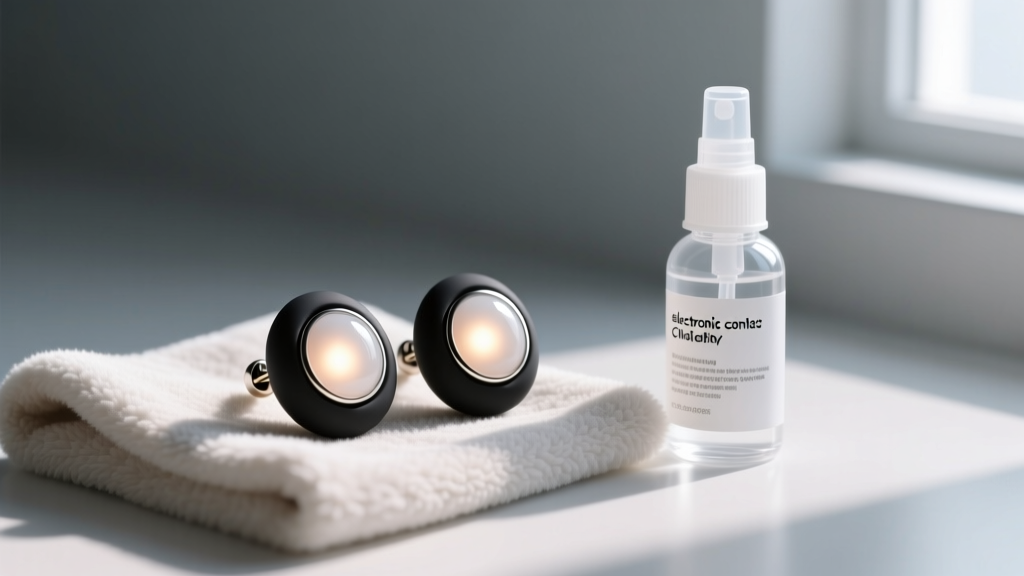
Always remove coin cell batteries if you do not plan to wear the earrings for more than two weeks. After every wear, especially at outdoor events, wipe down the battery contacts and the ear post with a cotton swab lightly dampened with 99% isopropyl alcohol. This removes acidic sweat residue and skin oils, ensuring optimal electrical conductivity and piercing hygiene for your next use. By treating your lighted earrings as precision electronic instruments rather than disposable toys, you ensure they remain a brilliant, safe staple of your jewelry rotation for years to come.


