Best Lightup St Patick Earrings Near 77511: 2026 Material Guide
Discover the best lightup st patick earrings near 77511. Our 2026 guide compares acrylics, battery safety, and hypoallergenic posts for festive wear.

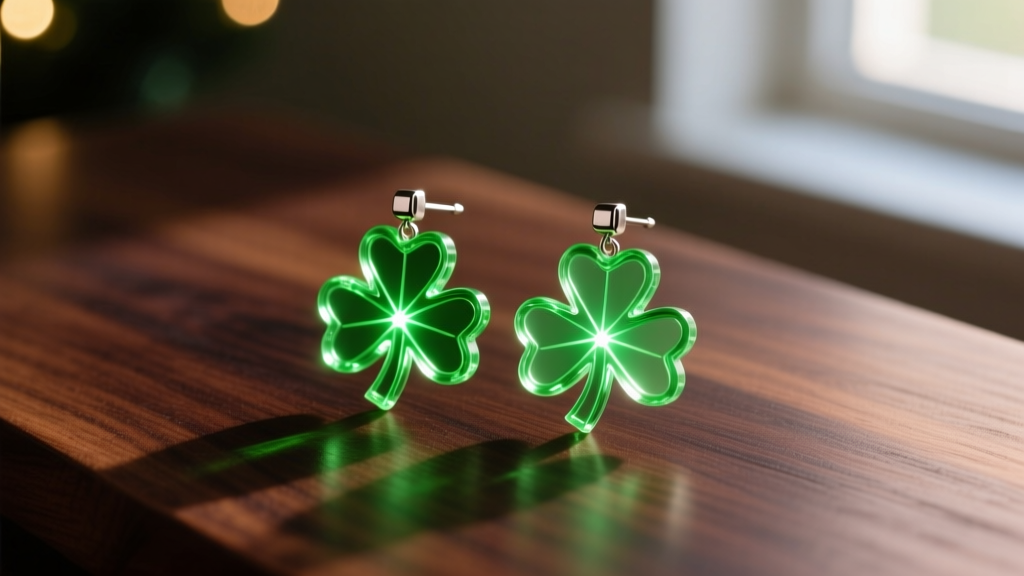
The Hunt for Lightup St Patick Earrings Near 77511
As March 17th approaches, the demand for festive, novelty jewelry surges across the Greater Houston area. For residents in Alvin, Texas, finding high-quality lightup st patick earrings near 77511 can be surprisingly challenging. Most novelty earrings are mass-produced with a focus on visual gimmickry rather than material integrity or dermatological safety. However, as we move into 2026, discerning shoppers are no longer willing to sacrifice their earlobe health for a blinking green LED.
Whether you are sourcing these pieces for a local pub crawl, a community parade, or a themed workplace party, understanding the material science behind novelty light-up earrings is crucial. This guide breaks down the exact polymers, metal alloys, and micro-electronics used in today's festive earwear, providing you with a practical framework to evaluate quality before you buy.
Material Breakdown: Acrylics, Resins, and LED Housings
The primary body of most light-up St. Patrick's Day earrings—typically shaped like shamrocks, pots of gold, or leprechaun hats—is constructed from injection-molded plastics. The two most common materials are PMMA (Polymethyl Methacrylate, commonly known as acrylic) and Polycarbonate.
PMMA Acrylic vs. Polycarbonate
- PMMA Acrylic: Highly transparent and excellent for diffusing LED light, making the earring glow evenly. However, standard acrylic is brittle. If dropped on a hard surface, the shamrock edges are prone to micro-fractures. Furthermore, lower-grade acrylics can yellow when exposed to UV light and the natural oils from your skin over time.
- Polycarbonate (PC): Significantly more impact-resistant than acrylic. High-end novelty brands in 2026 are shifting toward PC housings because they can withstand the rigors of a crowded festival without cracking. PC also handles the heat generated by the internal micro-LEDs much better, preventing warping around the battery casing.
Another critical component is the adhesive used to seal the LED housing. Cheap manufacturers use standard cyanoacrylate (super glue), which degrades rapidly when exposed to sweat and humidity—a major issue for outdoor Texas parades. Premium manufacturers use UV-cured optical resins that maintain a watertight seal, protecting the internal copper wiring from corrosion.
The Post Problem: Nickel Allergies and Gauge Sizing
The most overlooked aspect of novelty earrings is the post that actually pierces the skin. Because light-up earrings are heavy (due to the battery and LED housing), the post must be thick enough to support the weight without tearing the earlobe, and chemically inert enough to prevent contact dermatitis.
"Nickel allergy is an allergic reaction to wearing nickel-containing jewelry. Even if the jewelry is labeled 'hypoallergenic,' it may still contain trace amounts of nickel that can trigger a severe localized reaction." — American Academy of Dermatology
Most mass-market novelty earrings use 20-gauge (0.81mm) nickel-plated brass posts. For a heavy light-up earring, 20G is too thin; the weight will cause the post to act like a cheese wire, slowly migrating through the earlobe tissue. We strongly recommend seeking out 18-gauge (1.02mm) or 16-gauge (1.29mm) posts for any illuminated jewelry.
Material Comparison Chart: Earring Posts
| Material Grade | Nickel Content | Structural Integrity | Best Use Case |
|---|---|---|---|
| Nickel-Plated Brass | High (Surface coating wears off) | Poor (Bends under battery weight) | Display only / Clip-ons |
| 316L Surgical Steel | Low (Trapped in chromium oxide) | Good (Standard for 18G posts) | Short-term festive wear |
| ASTM F136 Titanium | Zero (100% Nickel-free) | Excellent (Rigid, lightweight) | Sensitive ears / Heavy LEDs |
Battery Safety and Component Failure Modes
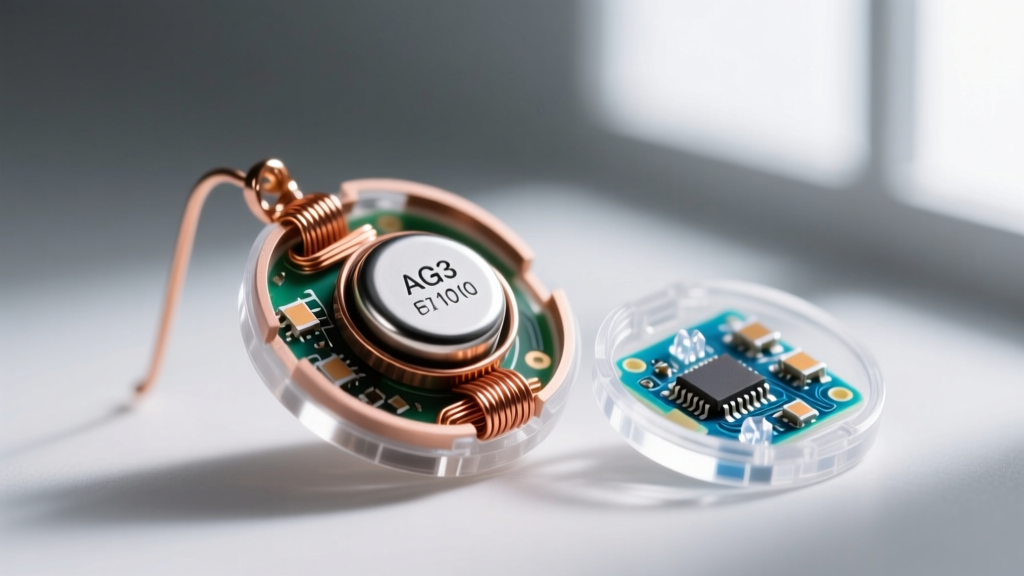
Light-up earrings require a power source, almost universally relying on button cell batteries. The industry standard for these micro-housings is the LR41 (also known as AG3) alkaline battery, measuring 7.9mm in diameter and 3.6mm in thickness. While effective, they introduce specific safety and failure risks that buyers near the 77511 zip code should be aware of.
Common Failure Modes in Novelty LEDs
- Sweat-Induced Short Circuits: The internal wiring in budget earrings often consists of bare copper foil tape. When ambient humidity or sweat breaches a poorly sealed acrylic seam, the copper oxidizes rapidly, leading to a dead circuit within hours of wear.
- Voltage Drop and Flickering: Standard alkaline LR41 batteries experience a steep voltage drop as they drain. This causes the green or gold LEDs to flicker annoyingly. Upgrading to SR41 (Silver Oxide) batteries provides a steady 1.55V output, ensuring a consistent glow throughout your St. Patrick's Day festivities.
- Battery Compartment Security: The U.S. Consumer Product Safety Commission (CPSC) strictly warns about the ingestion hazards of button batteries. Always ensure the battery housing on your earrings requires a micro-screwdriver or a firm twist-lock mechanism to open, preventing accidental exposure if the earrings are left within reach of children or pets.

Where to Source Locally in Alvin and Greater Houston
If you are actively searching for premium light-up options in the Alvin (77511) area, your best strategy is to bypass generic party supply stores and visit specialized accessory boutiques in neighboring Pearland or the Houston Galleria district. When shopping locally, perform the "Shake and Inspect" test:
- The Shake Test: Gently shake the earring near your ear. If you hear a rattling sound, the internal LR41 battery is not secured with a foam dampener. This will lead to intermittent blinking as the battery bounces off the copper contacts.
- The Seam Inspection: Hold the earring up to a strong light. Look for the seam where the front and back acrylic plates meet. If you see cloudy residue or uneven glue lines, the housing is not sealed against moisture.
- The Magnet Test: Bring a small neodymium magnet to the store. If the earring post sticks strongly to the magnet, it is likely a cheap ferromagnetic alloy rather than true 316L surgical steel or titanium, indicating a high risk for nickel exposure.
Final Verdict for 2026 Festivities
Celebrating St. Patrick's Day should not result in torn earlobes or contact dermatitis. By prioritizing polycarbonate housings, 18-gauge ASTM F136 titanium posts, and secure silver-oxide battery compartments, you can enjoy the novelty of light-up earrings without the biological or mechanical failures associated with cheap imports. Whether you are sourcing from a local Alvin boutique or ordering from a specialized online jeweler, use this material framework to ensure your festive earwear lasts well past the final parade.