Lockable Earrings Won't Close? Troubleshooting & Fixes
Lockable earrings stuck or failing to secure? Discover expert troubleshooting steps, gauge compatibility charts, and repair tips to protect your gems.

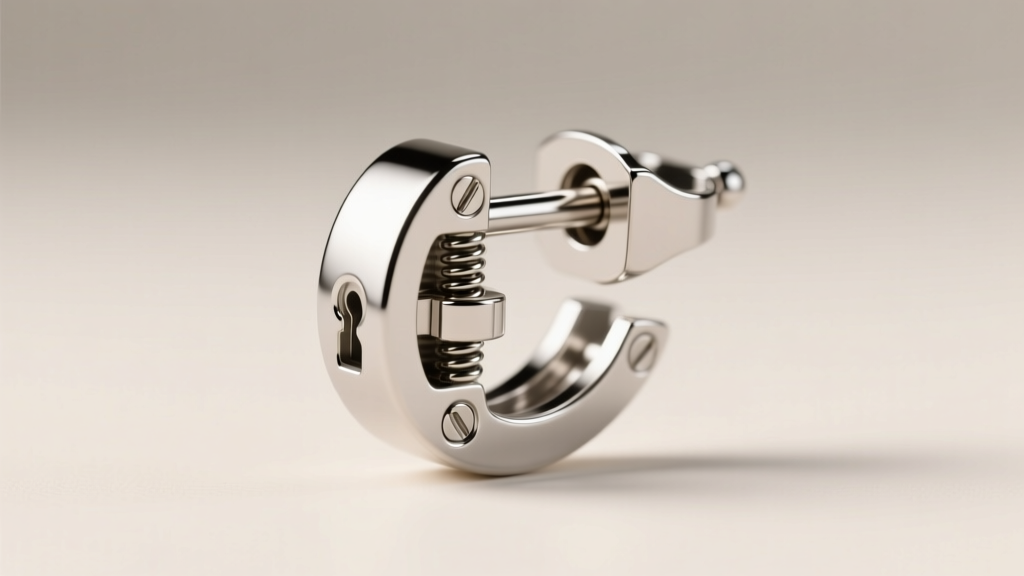
There are few things more panic-inducing than realizing your heavy diamond stud is dangling by a thread. For active lifestyles, frequent travelers, or anyone wearing high-value gemstones, lockable earrings are the ultimate insurance policy. However, as of 2026, the micro-machining tolerances on high-end jewelry locks mean that even a microscopic amount of debris or a slight gauge mismatch can cause the mechanism to fail. If your lockable earrings won't close, refuse to open, or keep slipping out despite being locked, you are likely dealing with a mechanical or metallurgical issue. This comprehensive troubleshooting guide will help you diagnose the failure mode and safely restore your jewelry's security.
The Anatomy of Lockable Earring Mechanisms
Before attempting a repair, it is crucial to identify which locking system your earrings utilize. Modern fine jewelry typically employs one of three primary mechanisms:
- La Pousette (Push-Pull Lock): Resembling a standard butterfly clutch, this mechanism features two tiny side tabs. Squeezing the tabs retracts internal micro-springs, allowing the post to slide in. Releasing the tabs locks a small metal detent ball into a groove on the earring post.
- Screw Backs: The earring post is threaded, and the backing screws on. High-end versions feature a secondary friction sleeve or a locking cap that snaps over the threaded post to prevent unwinding.
- Tension-Snap Locks (e.g., Chrysmela): These use a proprietary internal clutch system that grips the smooth post via high-tension metal teeth, often claiming to hold up to three times tighter than standard friction backs.
Understanding your specific mechanism dictates the troubleshooting steps below. According to the Gemological Institute of America (GIA), improper handling of these micro-mechanisms is the leading cause of irreversible damage to fine jewelry backings.
Troubleshooting: Why Your Lockable Earrings Won't Snap Shut
1. Debris and Sebum Buildup in the Micro-Springs
The most common reason a La Pousette or tension-snap lock fails to engage is the accumulation of sebum, dead skin cells, and lotion inside the clutch housing. This creates a viscous barrier that prevents the internal detent ball from fully extending into the post's groove.
The Fix: Do not use a needle or pin to poke inside the lock, as this will bend the delicate internal springs. Instead, submerge the backing in 99% isopropyl alcohol for 15 minutes. Use a clean, extra-soft baby toothbrush to gently agitate the openings. If the earrings feature fracture-filled diamonds, emeralds, or opals, avoid ultrasonic cleaners, as the high-frequency vibrations can shatter the stones or strip their oils. For safe, deep cleaning of diamond-only pieces, an ultrasonic cleaner set to 40 kHz for exactly three minutes is highly effective.
2. Post Gauge Mismatch
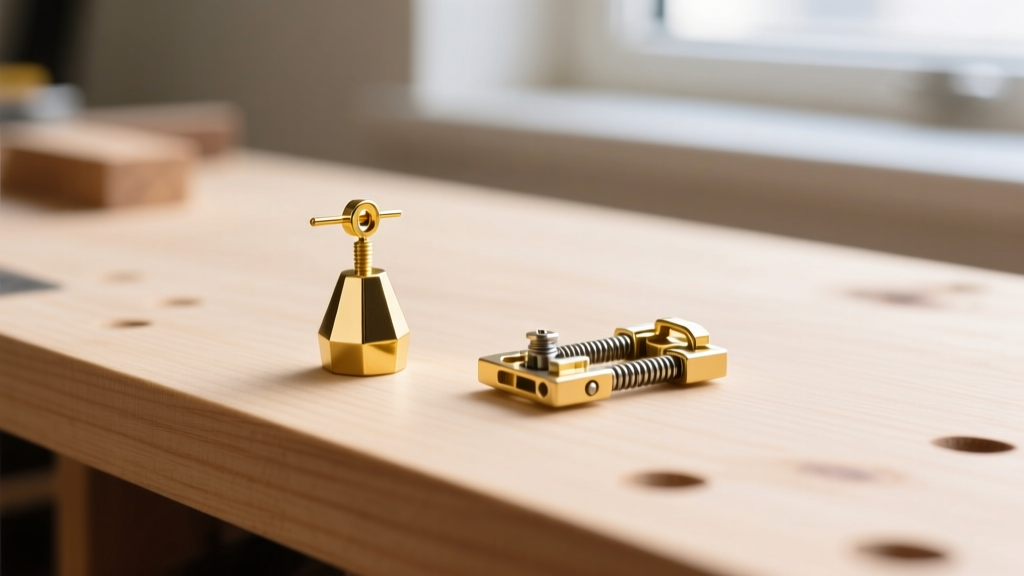
If the lock clicks shut but the earring still slides out or feels loose, you likely have a gauge mismatch. Lockable backings are precision-machined for specific post thicknesses. If you pair a heavy-duty 18-gauge lock with a thinner 20-gauge replacement post, the internal teeth will not make sufficient contact.
| Post Gauge | Millimeter (mm) | Common Use | Lock Compatibility Risk |
|---|---|---|---|
| 22G | 0.64mm | Vintage/Thin Studs | High (Slips in 18G/20G locks) |
| 20G | 0.81mm | Standard Diamond Studs | Moderate (May slip in worn 18G locks) |
| 18G | 1.02mm | Heavy Gemstones/Hoops | Low (Standard for heavy-duty locks) |
| 16G | 1.29mm | Cartilage/Body Jewelry | High (Won't fit standard earlobe locks) |
The Fix: Use a digital caliper to measure the exact millimeter width of your earring post. Compare it to the manufacturer's specifications for your lockable backing. If you have lost the original post, you must have a bench jeweler laser-weld a new post of the exact matching gauge to your earring head.
Troubleshooting: Why the Lock Won't Release
1. Metal Galling (Cold Welding)
If your screw-back or friction-lock earring is completely frozen and will not unscrew or pull off, you are likely experiencing metal galling. Galling occurs when two similar metals (like a 14k gold post and a 14k gold screw back) experience high friction, causing their microscopic surface asperities to tear and fuse together. This is incredibly common with platinum and high-karat gold due to their softness and ductility.
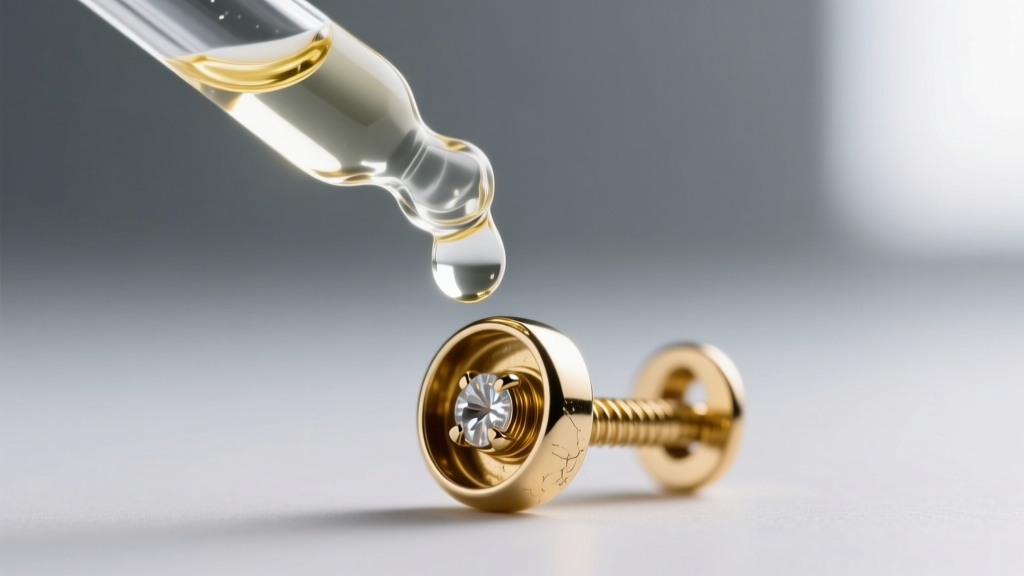
The Fix: Never use pliers to force a galled earring; you will strip the threads or snap the post. Apply a single micro-drop of 100% pure mineral oil to the seam where the post meets the backing. Let it sit for 12 to 24 hours to allow capillary action to draw the oil into the threads. Gently attempt to unscrew it using a rubber jar gripper for traction. Never use WD-40 or petroleum-based lubricants, as they leave a residue that can degrade porous gemstones and cause severe contact dermatitis, a fact heavily emphasized by the Association of Professional Piercers (APP).
2. Bent Tension Springs
If the side tabs of a La Pousette lock feel stiff and refuse to depress, one of the internal beryllium-copper tension springs has likely been bent outward from being dropped or forced at an angle.
The Fix: This requires magnification and precision tools. Using a jeweler's loupe (10x magnification minimum) and a 0.1mm brass wire or a specialized micro-prong tool, gently push the bent spring back toward the center axis of the clutch housing. If the spring has fatigued and snapped, the backing is irreparable and must be replaced.
Preventative Maintenance for Secure Closures
To ensure your lockable earrings function flawlessly for decades, implement a strict maintenance routine. The Jewelry Wise consumer education platform recommends the following best practices for mechanical jewelry:
- Weekly Wipe-Down: Use a lint-free microfiber cloth to wipe the earring post and the locking mechanism after every wear to remove acidic sweat and body oils.
- Monthly Deep Clean: Soak the backings in a solution of warm water and a few drops of mild, ammonia-free dish soap. Rinse thoroughly with distilled water to prevent hard water mineral deposits from clogging the micro-springs.
- Proper Storage: Always store lockable earrings with the locking mechanism unlocked and separated from the post. Leaving the lock engaged in a jewelry box puts continuous tension on the internal springs, leading to premature metal fatigue.
When to Seek Professional Jeweler Intervention
While many issues can be resolved at home, certain failure modes require the expertise of a master bench jeweler. You should take your lockable earrings to a professional if:
- The Detent Ball is Missing: If you look inside the clutch and the tiny metal sphere that grips the post is gone, the lock cannot function. A jeweler can source and set a replacement ball.
- The Post Groove is Worn: Over years of use, the notch on the earring post where the lock engages can wear down, becoming shallow. A jeweler can use a laser welder to add metal to the post and recut a deep, precise groove.
- Stripped Screw Threads: If a screw-back spins endlessly without tightening, the threads are stripped. The post must be cut off and a new threaded post soldered in its place.
Lockable earrings represent a significant investment in both security and peace of mind. By understanding the precise mechanics of your closures and addressing issues like gauge mismatch and metal galling with the correct protocols, you ensure that your most cherished pieces remain safely in your ears, no matter where your day takes you.


