Expert Care and Cleaning for Earrings With Omega Backs
Learn expert techniques to clean, adjust, and maintain earrings with omega backs. Keep your heavy gemstone and gold earrings secure and sparkling.

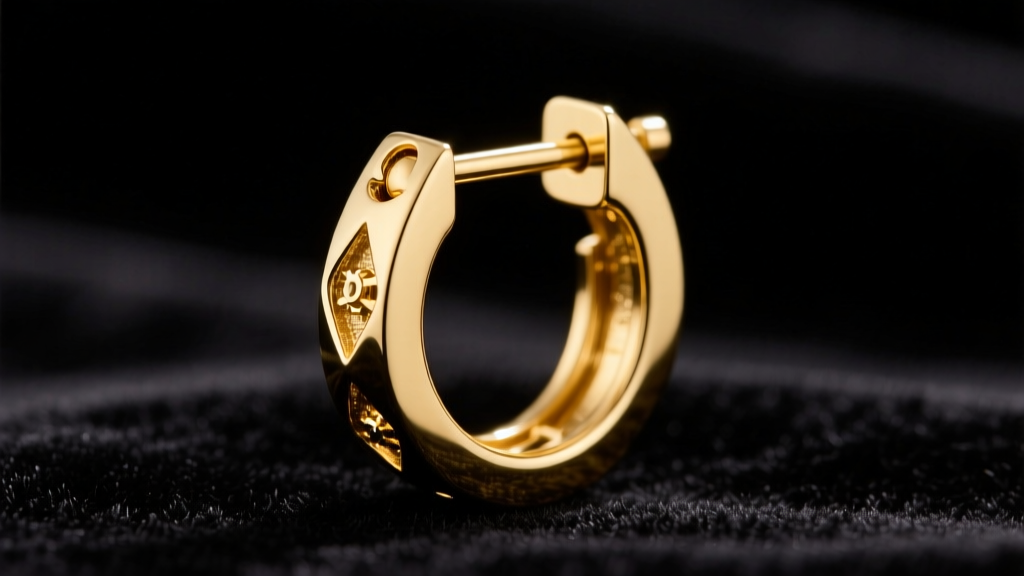
The Mechanical Reality of Earrings With Omega Backs
Earrings with omega backs represent the pinnacle of secure, high-end jewelry engineering. Designed primarily for heavy gemstone clusters, substantial gold hoops, and chandelier styles, the omega mechanism combines a standard piercing post with a hinged, omega-shaped wire that swings back to clip onto the post or press firmly against the earlobe. This dual-support system distributes weight evenly, preventing the dreaded 'earlobe droop' and providing unparalleled security.
However, this mechanical complexity introduces specific maintenance vulnerabilities. The tiny hinge barrel (often just 1.5mm to 2mm wide), the friction-fit push pin, and the tension-dependent omega wire are magnets for sebum, cosmetic buildup, and hair products. Furthermore, the repeated stress of opening and closing the clasp can lead to metal fatigue and tension loss over time. Proper care for these mechanisms goes far beyond a simple wipe-down; it requires targeted cleaning protocols and an understanding of metallurgy to ensure your investment remains secure and functional.
Step-by-Step Cleaning Protocol for Omega Mechanisms
Many jewelers warn against using ultrasonic cleaners on the backing mechanisms of fine jewelry. According to the Gemological Institute of America (GIA), while ultrasonic waves are excellent for dislodging dirt from diamond pavilions, the high-frequency vibrations can easily shake loose the microscopic friction pins that hold an omega hinge together. Therefore, manual cleaning is the gold standard for the back of the earring.
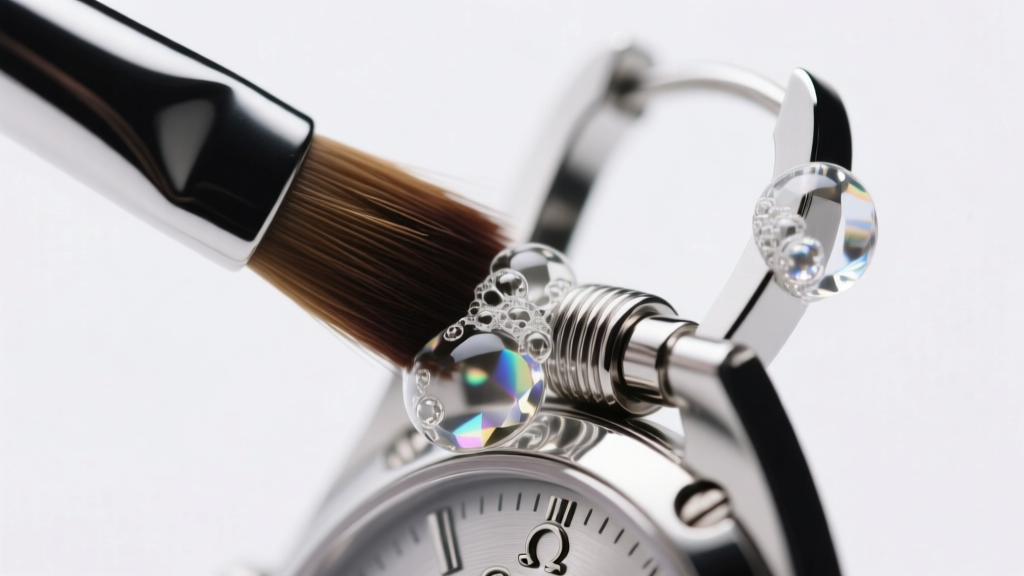
Essential Tools for the Job
- Mild Surfactant: A few drops of phosphate-free dish soap (like Dawn) in warm distilled water.
- 0.4mm Interdental Brush: The exact size needed to penetrate the hinge barrel without scratching the metal.
- Wooden Toothpicks: For safely dislodging hardened sebum from the post catch-notch.
- Microfiber Cloth & Cool Hairdryer: For spot-free drying.
The 'Soak and Sweep' Method
- Isolate the Back: If the front setting contains porous stones (like pearls, opals, or emeralds), do not submerge the entire earring. Dip only the omega back into the soapy solution for 3 to 5 minutes.
- Clear the Hinge: Take the 0.4mm interdental brush, dip it in the solution, and gently thread it through the hinge barrel. This removes the invisible layer of lotion and dead skin that causes the hinge to stiffen.
- Clean the Catch Notch: Use a wooden toothpick to gently scrape the groove on the earring post where the omega wire snaps into place. Metal tools will mar the gold or platinum finish.
- Rinse and Dry: Rinse thoroughly under lukewarm running water. Immediately blast the hinge with a hairdryer on the 'cool' setting. Trapped moisture inside the hinge barrel can lead to oxidization, especially in lower-karat gold alloys or silver components.
Adjusting the Tension: Fixing a Loose Omega Wire
The most common failure mode of earrings with omega backs is a loss of tension in the hinged wire. When the wire no longer snaps firmly against the post or lobe, the earring is at risk of falling off. This happens due to metal fatigue and the natural malleability of precious metals.
To restore tension, you must adjust the curvature of the omega wire. Never use standard steel chain-nose or flat-nose pliers. Steel is harder than 14k, 18k gold, and even platinum, and will instantly gouge, scratch, and dent the high-polish finish of your earring backs.
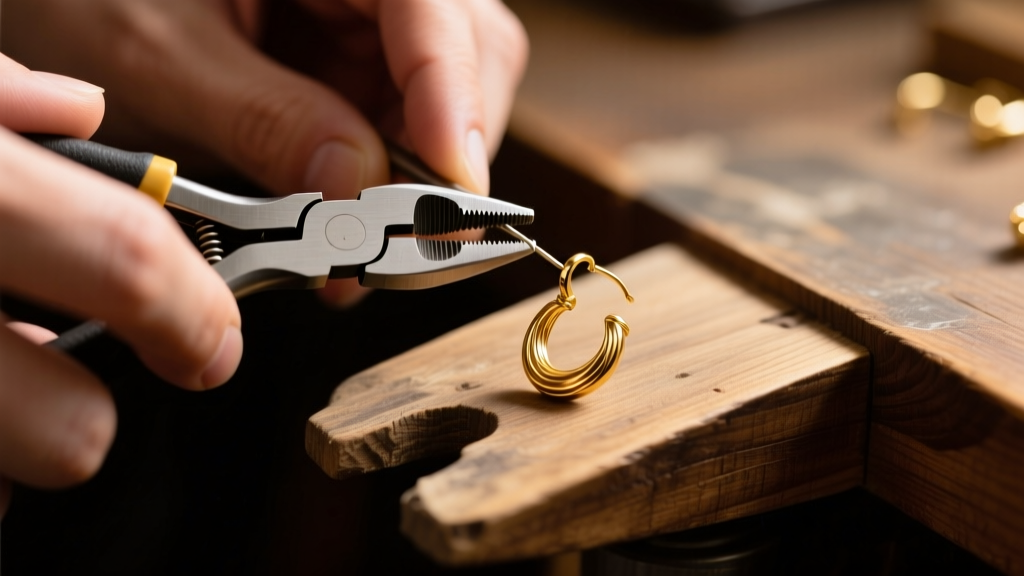
The Squeeze and Test Technique
Purchase a pair of nylon-jaw pliers (widely available from Rio Grande jewelry supply or similar tool vendors). The soft nylon jaws grip the metal firmly without leaving a single mark.
- Open the omega wire fully so it is parallel to the earring post.
- Place the nylon jaws on the outer curve of the omega wire, near the base but not directly on the hinge.
- Apply very gentle, incremental pressure to squeeze the wire inward, increasing its arch.
- Test the snap against the post. It should require a firm, deliberate push to close, and produce an audible 'click' when it seats into the post notch.
- If you over-tighten it, gently pull the sides of the wire outward with the pliers to reduce tension.
Material-Specific Maintenance Guidelines
The metal composition of your omega backs dictates how often they require maintenance and how they react to environmental stressors.
| Material | Tension Retention | Cleaning Vulnerability | Maintenance Frequency |
|---|---|---|---|
| 14k Gold | High (alloyed with copper/zinc for stiffness) | Low (resists tarnish, handles soap well) | Tension check every 12 months |
| 18k Gold | Medium (higher pure gold content makes it softer) | Low (excellent corrosion resistance) | Tension check every 6 months |
| Platinum 950 | Very High (dense, work-hardens over time) | Moderate (can develop a patina, requires specific polishes) | Tension check every 18-24 months |
| Sterling Silver | Low (highly malleable, prone to bending) | High (tarnishes rapidly from sulfur and skin acids) | Monthly polishing and tension checks |
Troubleshooting Common Omega Back Failures
Even with meticulous care, mechanical parts occasionally fail. Here is how to diagnose and address specific issues without causing further damage.
The Hinge is Stiff or Frozen
Do not force the wire open, as this will snap the microscopic hinge pin. Apply a single drop of food-grade mineral oil directly to the hinge seam. Let it sit for 10 minutes to penetrate and break down calcified sebum. Gently work the hinge back and forth, then flush it with distilled water and dry thoroughly.
The Post is Bent
Heavy earrings can bend the post during sleep or accidental snags. If the post is 18k gold, you can carefully bend it back into alignment using your fingers or nylon pliers. However, if the post is Platinum 950, it has likely 'work-hardened' and become brittle. Bending it cold may cause it to snap cleanly off. Take platinum posts to a professional jeweler who can anneal the metal with a torch before straightening it.
The Hinge Pin is Missing
If the omega wire detaches entirely, the friction pin has vibrated out. This requires professional repair. A master jeweler will insert a new gold or platinum wire through the barrel and use laser welding to secure the ends. Laser welding is vastly superior to traditional torch soldering for this repair, as it prevents heat damage to any nearby gemstones on the earring face.
Daily Habits to Prolong the Life of Your Omega Backs
Preventative care is always less expensive than mechanical repair. Adopt these habits to maximize the lifespan of your earrings with omega backs:
- Cosmetic Sequencing: Always apply hairspray, perfumes, and heavy lotions before putting on your earrings. Alcohol and aerosol propellants can degrade the finish and accelerate grime buildup in the hinge.
- Proper Storage: Never throw loose earrings into a communal jewelry box. The omega wires can easily be bent out of shape by heavier pieces. Store them in individual soft pouches or a dedicated slot box.
- Keep Them Fastened: When storing the earrings, leave the omega wire snapped onto the post. This maintains the structural memory of the metal and prevents the wire from catching on fabrics or other jewelry.
- The Nightly Wipe: Keep a dedicated jewelry polishing cloth on your nightstand. Give the posts and the inside of the omega wire a quick wipe before bed to remove the day's accumulation of skin oils and acidic sweat.
By treating the omega mechanism with the same respect you give the gemstones on the front, you ensure that your fine jewelry remains both beautiful and profoundly secure for decades to come.


