How Do You Make Hoop Earrings? DIY Cost vs Retail Value
Discover how do you make hoop earrings at home with our cost breakdown. Compare DIY material expenses against retail artisan pricing and true value.

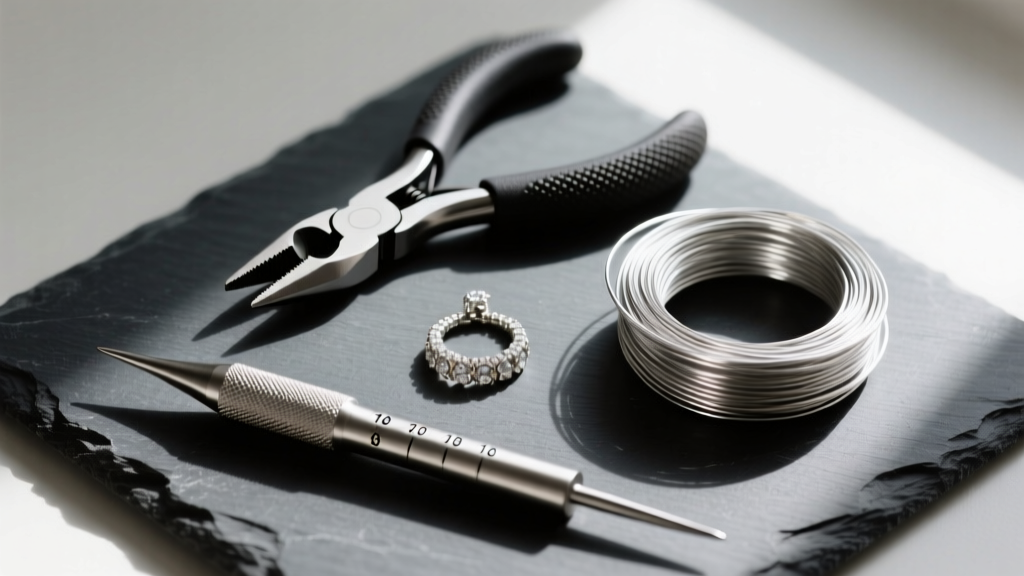
Many jewelry enthusiasts and aspiring metalsmiths eventually ask: how do you make hoop earrings from scratch, and is it actually more cost-effective than buying them? While the premise of bending wire into a circle sounds deceptively simple, crafting a durable, comfortable, and aesthetically pleasing hoop requires a solid understanding of metallurgy, tension, and finishing techniques. In this comprehensive budget and value assessment, we break down the exact material costs, tool investments, and hidden failure modes of DIY hoop earrings, comparing them directly against the retail market in 2026.
The Economics of Handmade Hoops: Material Costs
Before striking a torch or bending a wire, you must evaluate the baseline cost of goods. The price of precious metals fluctuates, but with silver hovering near the $32-per-ounce mark in early 2026, small-scale DIY material costs remain highly accessible. However, the true cost lies in the specialized findings and wire tempers required for structural integrity.
| Material / Component | Specification | Estimated Cost (Per Pair) | Retail Equivalent Markup |
|---|---|---|---|
| Sterling Silver Wire (925) | 18-Gauge, Half-Hard, 4 inches | $2.50 - $3.20 | 4x - 6x |
| Argentium Silver Wire (935) | 18-Gauge, Half-Hard, 4 inches | $3.80 - $4.50 | 5x - 8x |
| Niobium Wire (Hypoallergenic) | 20-Gauge, Dead Soft, 4 inches | $1.10 - $1.50 | 6x - 10x |
| Solder & Flux (For Hinged Hoops) | Easy Silver Solder, Handy Flux | $0.75 (amortized) | N/A (Labor cost) |
As the table illustrates, the raw materials for a pair of high-quality continuous silver hoops cost less than $5.00. When you purchase a comparable pair from an independent artisan on platforms like Etsy or at a local craft market, you will typically pay between $45 and $85. This massive margin is not pure profit; it compensates the jeweler for their time, overhead, and expertise in finishing the piece to a professional standard.
How Do You Make Hoop Earrings? The Technical Process
Understanding the physical creation process is vital to assessing whether the DIY route offers genuine value for your time. Making a hoop is not merely about bending metal; it is about manipulating the crystalline structure of the alloy.
Wire Selection and Gauge Standards
The most common mistake beginners make is purchasing 'dead soft' wire. While dead soft wire is incredibly easy to bend around a ring mandrel, it lacks the structural memory to hold a perfect circle and will easily warp when pushed through an earlobe. According to standard jewelry manufacturing practices, you must use half-hard wire for continuous hoops. For standard lobe piercings, 18-gauge (1.02mm) is the industry standard. For cartilage, helix, or tragus piercings, 20-gauge (0.81mm) or 19-gauge is preferred to prevent tissue migration and discomfort.
Shaping, Tension, and Work-Hardening
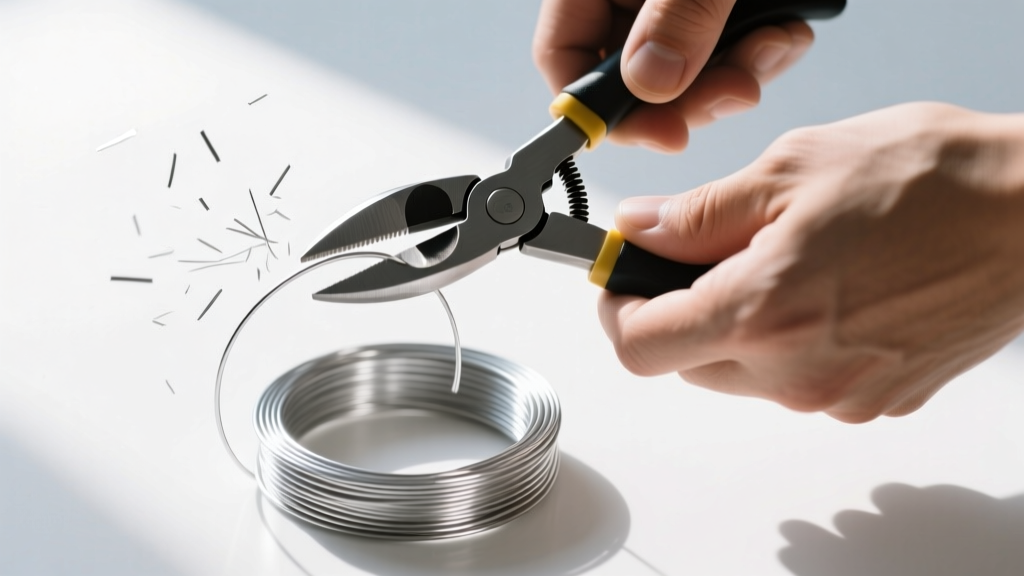
To shape the hoop, jewelers use nylon-jaw pliers to grip the wire without marring the silver. Once cut to the desired diameter (typically 15mm to 30mm for standard hoops), the wire must be work-hardened. Bending metal aligns its crystals, making it brittle and hard. If you bend a hoop into shape and repeatedly open and close it to test the tension, you will induce metal fatigue, leading to a microscopic fracture. Professional jewelers use a rotary tumbler filled with stainless steel shot and a mild burnishing compound for 45 to 60 minutes to uniformly work-harden the exterior of the hoop without stressing the internal crystalline structure. For an in-depth guide on metallurgical stress and work-hardening, the Ganoksin Project offers an extensive technical library that is essential reading for serious fabricators.
The Hidden Costs and Failure Modes of DIY Jewelry
When calculating the value of making your own earrings, you must account for the cost of tooling and the risk of structural failure. A $5 material cost quickly balloons when you factor in the necessary equipment.
- Tooling Investment: A basic setup including a steel mandrel, flush cutters, nylon-jaw pliers, a set of Swiss needle files, and a cup bur for rounding wire ends will cost between $80 and $150. If you opt to make hinged hoop earrings (which require a butane torch, pick, easy solder, and quenching bowl), add another $120 to your startup costs.
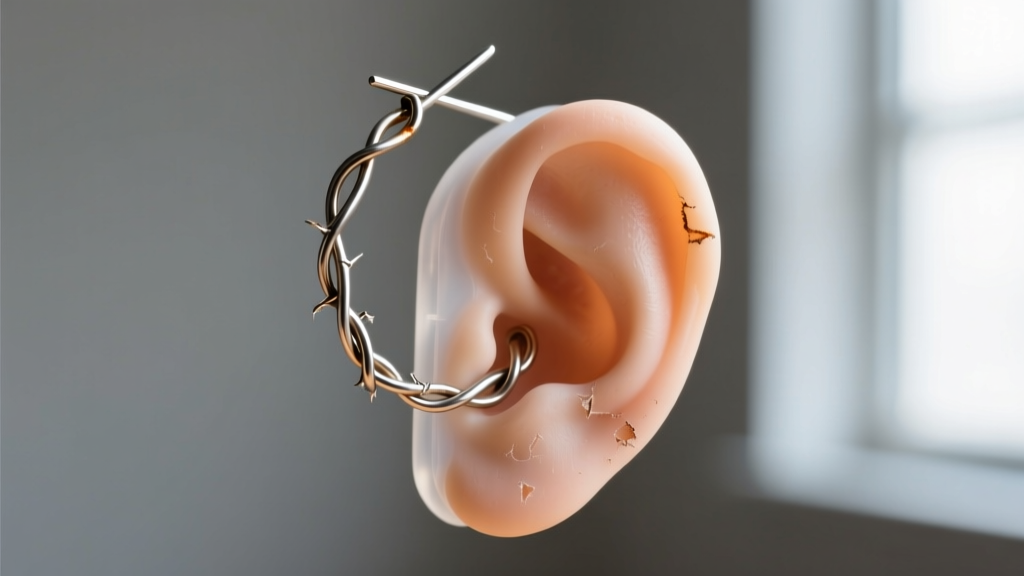
- The 'Sharp End' Failure Mode: The most frequent complaint regarding amateur DIY hoops is ear canal scratching. When wire is cut with flush cutters, it leaves a sharp, angled edge. Failing to use a cup bur attached to a flex shaft or rotary tool to perfectly round the terminal end of the wire will result in a painful wearing experience and potential infection.
- Tarnish and Oxidation: Standard sterling silver (92.5% silver, 7.5% copper) will oxidize when exposed to sulfur in the air and skin acids. DIY makers often lack the equipment for rhodium or e-coating, meaning the end-user must constantly polish the earrings. Upgrading to Argentium silver (which replaces some copper with germanium for high tarnish resistance) solves this but increases material costs by roughly 30%.
DIY vs. Artisan Retail: A Value Matrix
Is it worth your time to make them, or should you support an independent jeweler? The answer depends entirely on your end goal. Below is a decision framework to help you assess the true value proposition.
| Factor | DIY Continuous Hoops | Handmade Artisan Retail | Mass-Market Commercial |
|---|---|---|---|
| Financial Cost (Per Pair) | $3 - $6 (excluding tools) | $45 - $120 | $12 - $25 |
| Time Investment | 1 - 2 hours (for beginners) | Zero (Immediate wear) | Zero (Immediate wear) |
| Structural Warranty | None (High risk of warping) | Lifetime or 1-year repair | 30-day return policy |
| Finish Quality | Variable (Requires tumbling/polishing) | Mirror or professional matte finish | Machine-polished, often plated |
'The true value of a hand-forged hoop earring isn't just in the silver weight; it is in the invisible hours spent perfecting the tension of the clasp and ensuring the wire enters the ear at a perfectly ergonomic angle.' — Master Jeweler & Fabricator
Final Verdict: Should You Make or Buy?
If your primary motivation is budget optimization for a single pair of earrings, learning how do you make hoop earrings at home is a poor financial decision. The initial tooling costs and the steep learning curve of metallurgical finishing mean your first few pairs will cost you far more in time and wasted materials than simply buying a commercially produced pair.
However, if you are looking to start a micro-jewelry brand, or if you view jewelry making as a rewarding hobby that yields wearable art, the DIY route offers immense value. By mastering the use of half-hard Argentium wire, investing in a rotary tumbler for professional work-hardening, and utilizing cup burs for seamless end-finishing, you can produce hoops that rival high-end boutique quality for a fraction of the retail price. Ultimately, the value lies not just in the silver, but in the mastery of the craft.


