How to Master the 90s Earrings Style: A Step-by-Step Guide
Learn how to authentically recreate the 90s earrings style with our step-by-step guide. Discover hoop sizes, material grades, and styling tips.

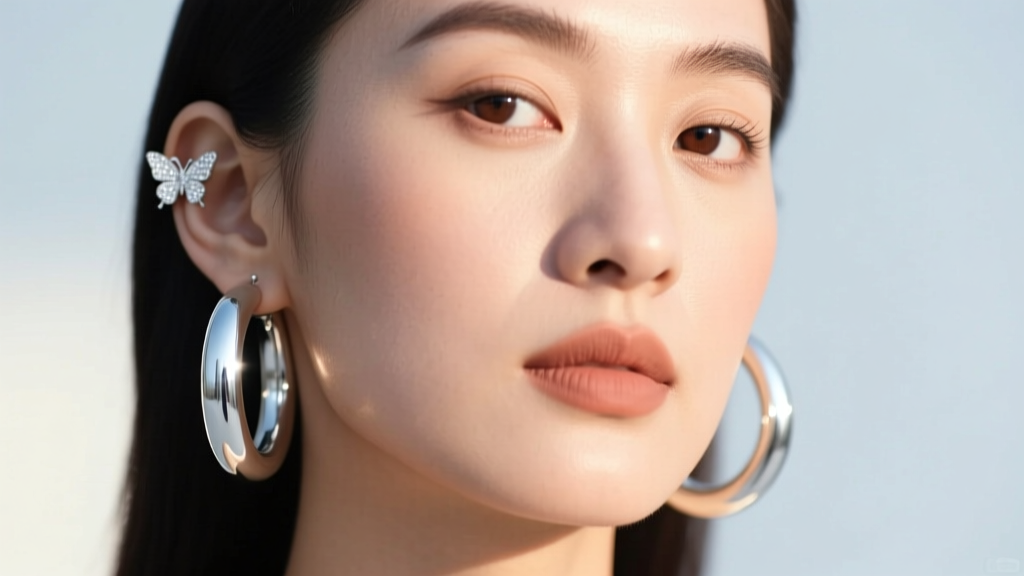
The 1990s was a decade of radical sartorial contrasts, and nowhere was this more evident than in jewelry. From the gritty, asymmetrical grunge movement to the sleek, minimalist aesthetic of the late decade, the 90s earrings style remains one of the most highly requested revivals in modern fashion. However, recreating this look in 2026 requires more than just buying a pair of butterfly clips. It demands an understanding of gauge sizing, metal grading, and proportional styling to avoid looking like you are wearing a costume.
This comprehensive, step-by-step guide will walk you through the exact specifications, sourcing strategies, and styling frameworks needed to authentically master 90s ear curation.
The Anatomy of 90s Ear Styling
Before diving into the how-to, it is crucial to understand that the 90s did not have a single, monolithic earring trend. The decade was defined by three distinct subcultures, each with its own jewelry uniform. According to fashion historians at Vogue, the transition from the maximalist 80s into the 90s created a fragmented jewelry landscape that ranged from hyper-minimalism to aggressive rebellion.
Step 1: Identify Your 90s Archetype
To build a cohesive ear stack, you must first align with one of the decade's core archetypes. Mixing these styles haphazardly often results in a cluttered, inauthentic look.
- The Grunge Rebel: Characterized by mixed metals, safety pin motifs, chunky oxidized silver hoops, and asymmetrical placements. Think Winona Ryder in the early 90s. The focus is on an 'undone' aesthetic.
- The Minimalist: Sleek, unembellished, and delicate. This style relies on 20mm sterling silver huggies, ultra-thin threader earrings, and microscopic solitaire studs. This was the uniform of the late-90s supermodel off-duty look.
- The Glamour Girl: Rooted in hip-hop and R&B culture, this archetype embraces oversized 50mm+ tube hoops, rhinestone-encrusted chandeliers, and large acrylic nameplates. Aaliyah and Mary J. Blige were the ultimate muses for this bold, face-framing style.
Step 2: Sourcing Authentic Materials and Gauges
The most common mistake people make when attempting the 90s earrings style is ignoring the physical specifications of the jewelry. Modern earrings often use different wire thicknesses and clasp mechanisms than those produced between 1990 and 1999.
Understanding Wire Thickness and Gauge
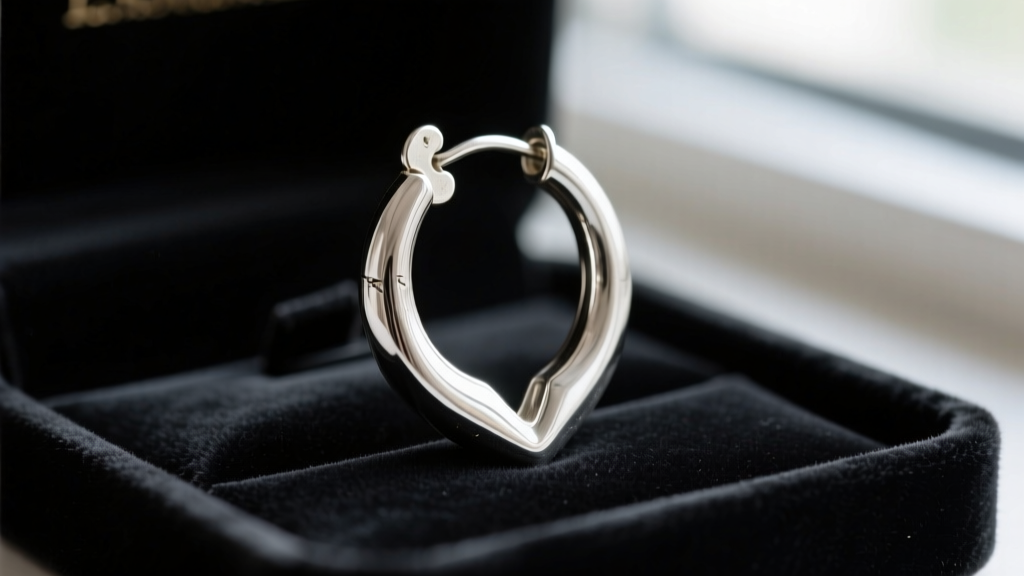
Standard 90s lobe piercings were typically performed using 18-gauge (1.0mm) or 20-gauge (0.8mm) needles. Modern cartilage piercings, by contrast, are usually 16-gauge (1.2mm) or 14-gauge (1.6mm). If you are buying true vintage 90s hoops, the wire is often a fragile 0.7mm. To maintain the authentic visual profile while ensuring structural integrity for daily wear in 2026, seek out modern reproductions crafted in 18-gauge (1.0mm) wire.
Material and Clasp Comparison Chart
| 90s Earring Type | Authentic Material | Standard Gauge / Wire | Typical Clasp Mechanism | 2026 Price Range |
|---|---|---|---|---|
| Chunky Tube Hoops | .925 Sterling Silver (Rhodium plated) | 18g (1.0mm) wire, 30-40mm diameter | V-Wire Latch or Hinged Clicker | $45 - $120 |
| Threader Earrings | 14k Yellow Gold or Gold Vermeil | 22g (0.6mm) ultra-thin chain | Friction pull-through (no clasp) | $60 - $180 |
| Butterfly / Motif Studs | Enamel over Brass or Acrylic | 20g (0.8mm) post | Friction post with butterfly back | $15 - $40 |
| Clip-On Geometrics | Resin, Lucite, or Gripeix Glass | N/A (Non-pierced) | Omega Back or Paddle Clip | $30 - $250 (Designer) |
Note: When sourcing vintage silver, always look for the '.925' stamp. The Gemological Institute of America (GIA) notes that rhodium plating was heavily utilized in the 90s to give sterling silver a bright, white-gold appearance that resisted tarnish.
Step 3: Piercing Placement and Ear Cuff Hacks
Today's 'curated ear' relies on a constellation of precise cartilage piercings (helix, conch, tragus). The 90s approach to the upper ear was entirely different. Cartilage piercings were rare and usually limited to a single, high-lobe placement or an industrial barbell.
How to Fake the 90s Upper Ear
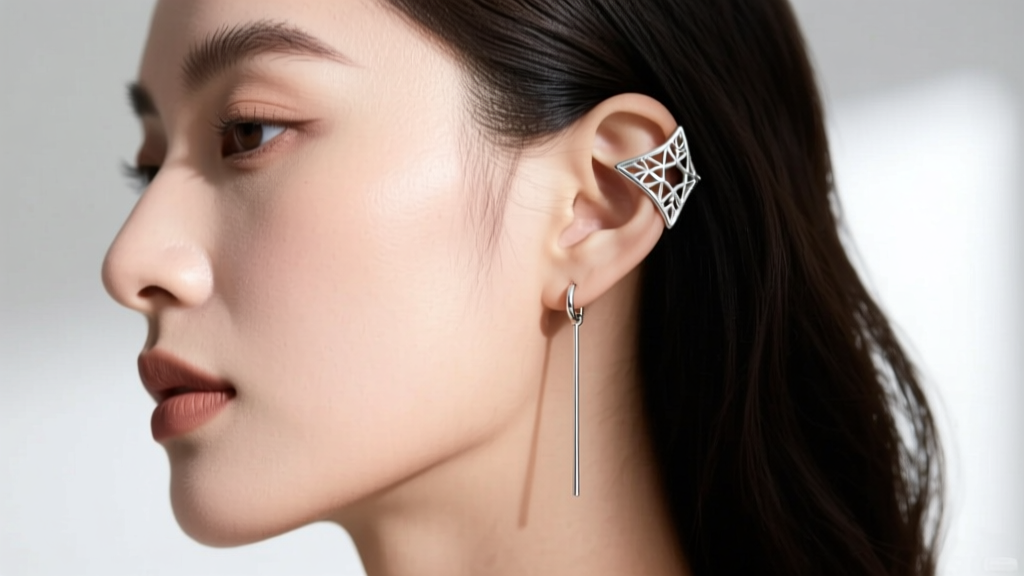
If you want to replicate the 90s grunge or club-kid aesthetic without committing to a 16-gauge helix piercing, tension ear cuffs are your best tool. Follow these steps for a secure, authentic placement:
- Locate the Scapha: Find the flat, upper-middle section of your ear cartilage (the scapha). This is where 90s non-pierced cuffs were traditionally worn.
- Warm the Metal: If using a sterling silver or brass cuff, warm it slightly in your hands. Cold metal can snap if forced open.
- Adjust the Tension: Gently squeeze the cuff closed over the cartilage. It should grip firmly enough that you can shake your head without it falling, but not so tight that it causes a dull ache after 30 minutes.
- Pair with a Threader: Balance the heavy visual weight of the cuff with a delicate, 3-inch gold threader earring in the primary lobe piercing.
Step 4: Balancing Proportions and Face Shapes
The 90s earrings style heavily featured oversized hoops and dramatic drops. However, scaling these pieces to your specific face shape is the difference between looking chic and looking overwhelmed by your jewelry.
The Proportion Framework
- Round Faces: Avoid perfectly circular 50mm hoops, which will emphasize facial width. Instead, opt for the 90s staple: the elongated teardrop chandelier or a rectangular, geometric wire hoop. The vertical lines draw the eye downward, creating a lengthening illusion.
- Square Faces: Soften a strong jawline with 40mm circular tube hoops in high-polish rhodium silver. The continuous curve contrasts beautifully with angular bone structure.
- Heart-Shaped Faces: Lean into the 90s minimalist trend. A pair of 15mm huggies paired with a microscopic 2mm bezel-set diamond or cubic zirconia stud keeps the focus on your cheekbones without adding bulk to the lower half of your face.
'The secret to 90s jewelry revival is restraint. The decade was about choosing one bold focal point—like a massive silver hoop—and letting the rest of the ear remain completely bare. Stacking everything at once turns a homage into a caricature.' — Senior Jewelry Archivist, Jewel Style Radar
Troubleshooting Common 90s Earring Failures
Wearing vintage or vintage-inspired pieces comes with specific mechanical and chemical challenges. Here is how to solve the most common issues.
1. Vintage Silver Tarnish (Silver Sulfide Buildup)
True 90s sterling silver that was not rhodium-plated will inevitably develop black silver sulfide tarnish. Do not use abrasive commercial polishes, which will strip the patina from intricate engravings. Instead, use an electrochemical reduction bath: line a glass bowl with aluminum foil (shiny side up), add 1 tablespoon of baking soda and 1 teaspoon of salt, and pour in boiling water. Submerge the earrings for exactly 3 to 5 minutes. The sulfur will transfer from the silver to the aluminum, leaving the metal pristine without removing any surface layers.
2. Earlobe Tearing from Heavy 90s Acrylics
The 90s saw a massive trend in oversized, geometric acrylic and resin clip-ons. When converted to pierced styles, these heavy pieces can stretch the lobe over time. To prevent this, always use silicone earring support patches behind the earlobe. These adhesive discs distribute the weight of the earring across a 15mm surface area rather than concentrating it on a single 0.8mm gauge hole.
3. The 'Lost Back' Problem with 90s Friction Posts
Many 90s motif studs (like butterflies and celestial bodies) use thin 20-gauge posts with standard butterfly friction backs. Over time, the metal loops on the back loosen, causing the earring to fall out. Upgrade these pieces with 18k gold or silicone locking earring backs (often called 'La Pousette' backs), which feature a mechanical clicking mechanism that physically locks onto the post's groove, making loss virtually impossible.
Final Thoughts on the 90s Revival
Mastering the 90s earrings style in 2026 is an exercise in intentional curation. By understanding the historical context of the decade's subcultures, respecting the mechanical realities of gauge sizing, and applying modern jewelry care techniques to vintage materials, you can seamlessly integrate these iconic silhouettes into your contemporary wardrobe. Whether you are threading a delicate gold chain through your lobe or snapping on a pair of chunky 40mm silver tubes, the key is to wear the era's boldness with modern precision.


