What Does It Mean When My Earrings Turn Green, Fall Out, or Stretch?
Discover what it means when your earrings turn skin green, fall out, or stretch lobes. Expert 2026 metallurgy, weight, and style troubleshooting.

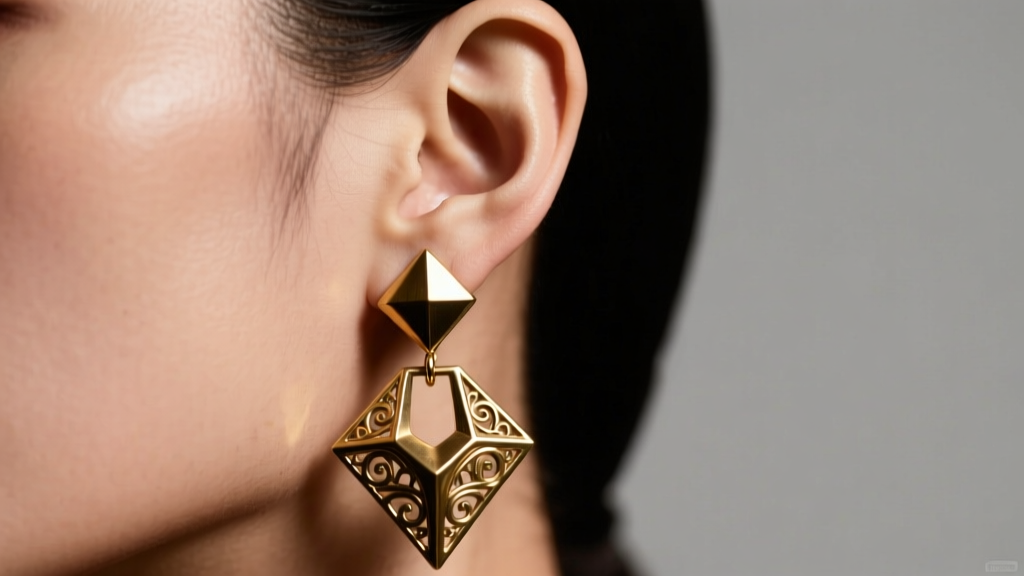
If you frequently find yourself looking in the mirror and wondering, what does it mean when my earrings leave a green stain on my neck, slip out during the night, or leave my earlobes aching and stretched, you are experiencing the intersection of jewelry metallurgy, physics, and modern styling. As 2026’s maximalist earring trends push the boundaries of sculptural resin, heavy brass, and oversized architectural drops, the physical toll on our piercings has become a primary style concern. Understanding the 'why' behind these common earring failures is the first step toward curating a collection that is both visually striking and anatomically sustainable.
The Green Skin Phenomenon: Metallurgy vs. Fast Fashion
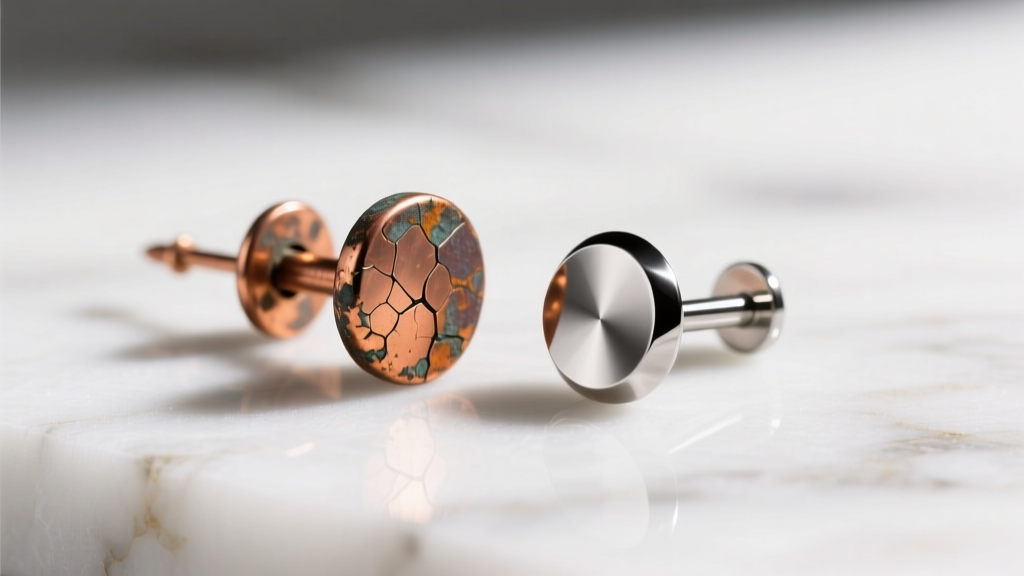
When a client asks, 'what does it mean when my earrings turn my skin green?', the answer is almost always rooted in basic chemistry, not a mystical warning. The green or black residue left on the skin is the result of a chemical reaction between the copper or base alloys in the jewelry and the natural acids, salts, and moisture in your sweat. This creates copper chelates, which absorb into the top layer of the skin.
It is crucial to distinguish between oxidation (the green stain) and contact dermatitis (an allergic reaction). According to the American Academy of Dermatology, nickel allergies present as an itchy, red, blistering rash, whereas copper oxidation is simply a harmless, albeit unsightly, surface stain. Many fast-fashion brands in 2026 are still utilizing high-copper brass alloys to keep costs down on oversized statement pieces, leading to a surge in oxidation complaints.
Material Grades and Oxidation Risk Matrix
To style sustainably and avoid the 'green collar' effect, you must understand the exact composition of your metals. The Association of Professional Piercers outlines specific implant-grade standards that are vital for sensitive ears.
| Material Grade | Composition Profile | Oxidation Risk | Allergy Risk | Best Use Case |
|---|---|---|---|---|
| ASTM F138 Titanium | Implant-grade, nickel-free alloy | None | None | Fresh piercings, 24/7 wear |
| 14k / 18k Solid Gold | Gold mixed with silver, zinc, or copper | Very Low | Low (if nickel-free) | Heirloom pieces, daily studs |
| 316L Surgical Steel | Iron, chromium, low nickel content | None | Moderate | Healed lobes, budget-friendly hoops |
| Raw Brass / Copper | Copper and zinc alloy | High (Turns skin green) | Low | Occasional bold statement wear |
| Gold-Plated Base Metal | Brass or steel with a micro-layer of gold | Moderate (once plated wears) | High (if nickel base) | Short-term trend styling |
The Gravity Problem: Why Heavy Statement Pieces Stretch Lobes
The second most common query we see in the studio is, 'what does it mean when my earrings are stretching my holes?' In 2026, the trend of heavy, sculptural drops—often weighing between 18 and 30 grams per earring—has created an epidemic of micro-tearing and lobe elongation. A standard earlobe piercing is done at a 20-gauge (0.81mm) or 18-gauge (1.02mm) thickness. When you hang a 25-gram brass drop from a 20-gauge wire, the physics mimic a cheese wire cutting through a block of cheddar. The concentrated downward force compromises the collagen and elastin fibers in the earlobe tissue.
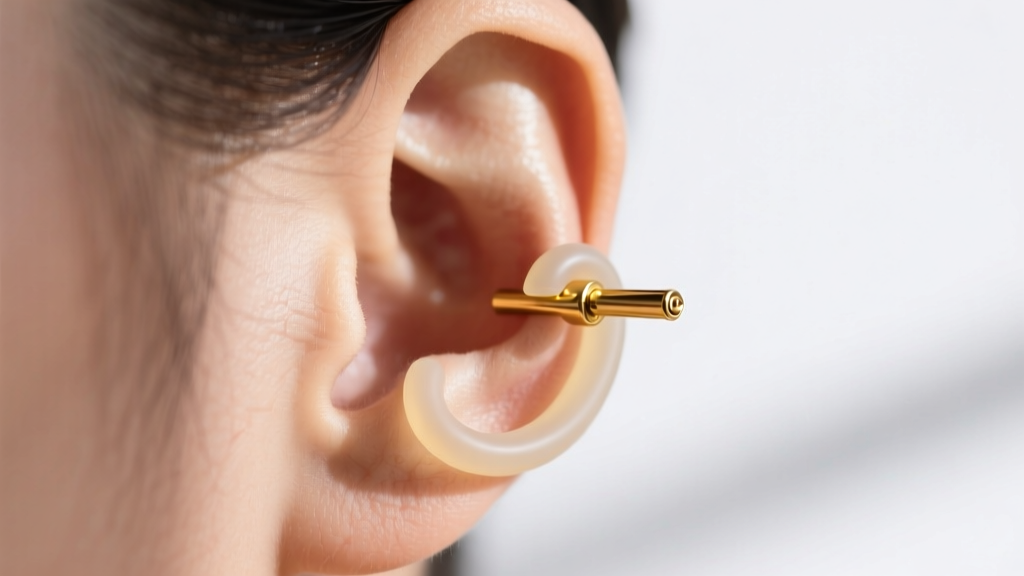
Actionable Styling Fix: If you are committed to the heavy maximalist trend, you must upgrade your earring mechanics. Swap out standard thin wire hooks for thicker 16-gauge (1.29mm) or 14-gauge (1.62mm) lever-backs, which distribute the weight over a wider surface area. Additionally, utilize silicone earring stabilizers or 'lobe patches' (small adhesive discs that sit behind the earlobe) to provide a structural backstop that absorbs the gravitational pull.
The Vanishing Act: Why Earrings Keep Falling Out
If you are constantly asking, 'what does it mean when my earrings keep falling out?', the issue is rarely your ear anatomy; it is almost always a mechanical failure of the earring back. The traditional 'butterfly' or friction clutch back relies on a tiny metal spring mechanism to grip the post. Over time, the tension in this spring degrades. Furthermore, if the post is slightly too thin (e.g., a 22-gauge wire in a standard 20-gauge clutch), the earring will slide out with minimal friction.
Upgrading Your Earring Security Systems
The Gemological Institute of America frequently highlights the importance of proper jewelry maintenance and secure findings to prevent the loss of valuable gems and metals. To stop losing your earrings, adopt these specific mechanical upgrades:
- La Pousette (Clutch) Backs: These operate like a camera lens cap. You pinch the sides to slide them on, and they lock into a tiny groove on the earring post. They are the gold standard for securing diamond studs and high-value pieces.
- Silicone O-Rings: For lightweight hoops and huggies, sliding a small medical-grade silicone O-ring over the post creates a high-friction seal that is entirely immune to the spring-fatigue that plagues metal butterfly backs.
- Screw-Back Posts: Ideal for sleepers and 24/7 wear, the post is threaded, and the back screws on. This completely eliminates the risk of the back being pulled off by hair or clothing.
Anatomy and the 'Forward Tilt' Dilemma
Sometimes, the question isn't about falling out or turning green, but rather: 'what does it mean when my earrings always point downward or tilt forward?' This is a structural issue related to your unique piercing angle. If your lobe was pierced with a slight backward tilt (which is common in mall kiosk piercings done with a piercing gun), the earring post will naturally follow the path of least resistance, causing the decorative front to droop toward the floor.
Conversely, if you are wearing rigid huggie hoops and they seem to stick out horizontally away from your neck, your piercing angle likely slopes slightly forward. The solution for drooping studs is to avoid heavy front-facing settings. Opt for lightweight, flat-profile bezel settings, or use a specialized 'lifting back'—a slightly curved earring back designed to push the bottom of the post upward, artificially correcting the angle of the jewelry against the ear.
Troubleshooting Matrix: Quick Fixes for Common Earring Woes
Use this quick-reference guide to diagnose and solve your most frustrating earring behaviors in 2026:
| The Symptom | The Root Cause | The Expert Fix |
|---|---|---|
| Green/Black skin stain | Copper oxidation reacting with sweat pH | Coat posts in clear nail polish or upgrade to ASTM F138 Titanium. |
| Itchy, weeping, or red lobes | Nickel contact dermatitis | Switch to 14k+ Nickel-Free Gold or Implant-Grade Titanium immediately. |
| Earlobes ache by 3:00 PM | Excessive weight on a 20G/18G wire | Use silicone lobe patches; switch to thicker 16G lever-backs. |
| Studs fall out in hair/sleep | Butterfly back spring fatigue | Replace all friction backs with threaded screw-backs or La Pousette clutches. |
| Studs constantly droop forward | Piercing angle slopes backward | Use curved 'lifting' earring backs or switch to lightweight, flat-profile studs. |
Conclusion: Mindful Styling for the Modern Ear
Ultimately, asking 'what does it mean when my earrings' misbehave is the first step toward becoming a more educated jewelry consumer. The earrings you choose should complement your personal style without compromising your anatomy or your budget. By paying close attention to metallurgical grades, understanding the physics of weight distribution, and investing in high-quality mechanical findings, you can confidently wear 2026’s boldest earring trends without fear of green skin, stretched lobes, or lost diamonds. Treat your piercings with the same respect you treat your wardrobe, and your jewelry will perform flawlessly for decades to come.


