Messika Earrings Buying Guide: Diamonds & Authenticity
Discover our expert Messika earrings buying guide. Learn about Move collection pricing, diamond grades, track mechanics, and authentication tips.

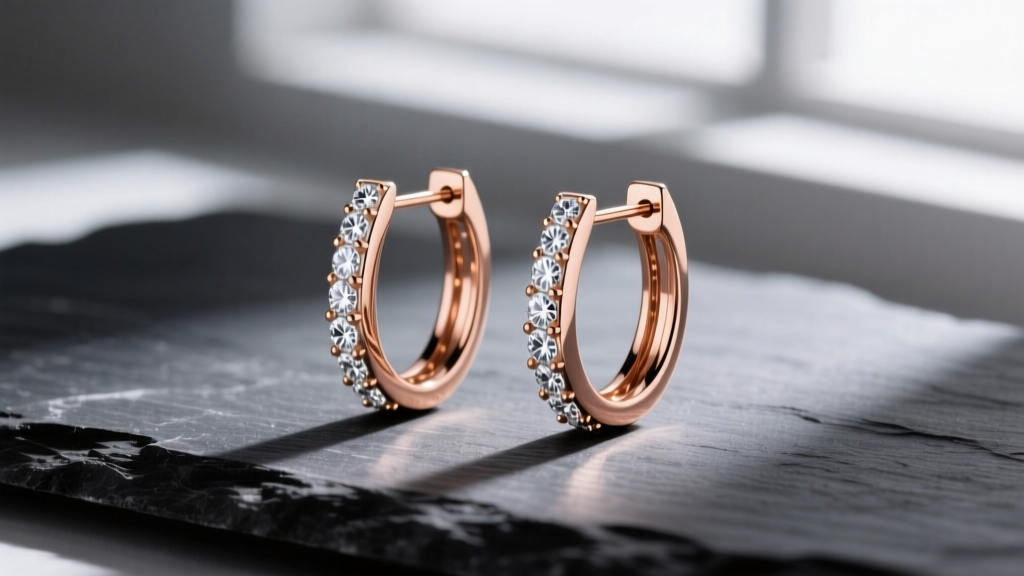
The Disruptive Elegance of Messika: A Luxury Earring Primer
Founded in 2005 by Valérie Messika, the eponymous Parisian maison shattered the traditional codes of high jewelry. Before Messika, diamonds were largely reserved for formal, red-carpet events. Messika introduced the concept of 'diamonds in motion,' making high-carat luxury an everyday, kinetic experience. When investing in high-end luxury jewelry, specifically targeting the secondary market or purchasing your first pair of Messika earrings directly from a boutique, understanding the nuances of their craftsmanship, material grades, and mechanical engineering is vital. This comprehensive buying guide will walk you through exactly what to look for, ensuring your investment retains both its aesthetic brilliance and structural integrity.
Decoding the Core Collections: The 'Move' Phenomenon
The undisputed flagship of the brand is the 'Move' collection, characterized by a diamond or diamond-pavé motif that slides freely along a gold track. While the brand has expanded into lines like 'My Twin' and 'Lucky Move,' the Move collection remains the most sought-after and, consequently, the most counterfeited. Understanding the specific sub-collections is your first step in making an informed purchase.
| Collection Model | Approx. Diamond Weight | Gold Weight (18k) | 2026 Est. Retail Price | Best Use Case |
|---|---|---|---|---|
| Move Mono Mini | 0.05 ct | ~1.8 grams | $1,950 - $2,200 | Subtle everyday lobe studs, multiple piercings |
| Move Mono Medium | 0.10 ct | ~2.5 grams | $3,100 - $3,500 | Standard lobe wear, professional environments |
| Move Mono GM | 0.25 ct | ~4.2 grams | $5,800 - $6,400 | Statement lobes, evening wear |
| Move Pavé GM | 0.70 ct (Total) | ~6.5 grams | $14,500 - $16,000 | High-impact luxury, black-tie events |
Material Specifications: Gold Purity and Diamond Grading
Messika does not compromise on raw materials. Every piece is cast in 18-karat gold (750 purity), which offers the ideal balance between the rich color of pure gold and the tensile strength required for fine jewelry mechanisms.
Gold Alloy Nuances
If you are opting for white gold, be aware that Messika utilizes a high-palladium alloy mix before applying a thick rhodium plating. This ensures that even if the rhodium wears down slightly near the earring post over years of friction, the underlying gold retains a bright, white hue rather than turning yellow. For rose gold, the copper-to-silver ratio is tightly controlled to prevent the metal from oxidizing or turning overly dark against the skin's natural pH levels.
Diamond Quality Standards
According to the brand's internal charter and verified by gemological benchmarks, Messika strictly sources diamonds with a minimum color grade of F-G (colorless to near-colorless) and a clarity grade of VS1-VS2 (Very Slightly Included). This means that under 10x magnification, inclusions are difficult for a skilled grader to see. When evaluating pre-owned GIA Diamond Quality standards, you should never see visible black carbon spots or milky haziness in a genuine Messika pavé setting.
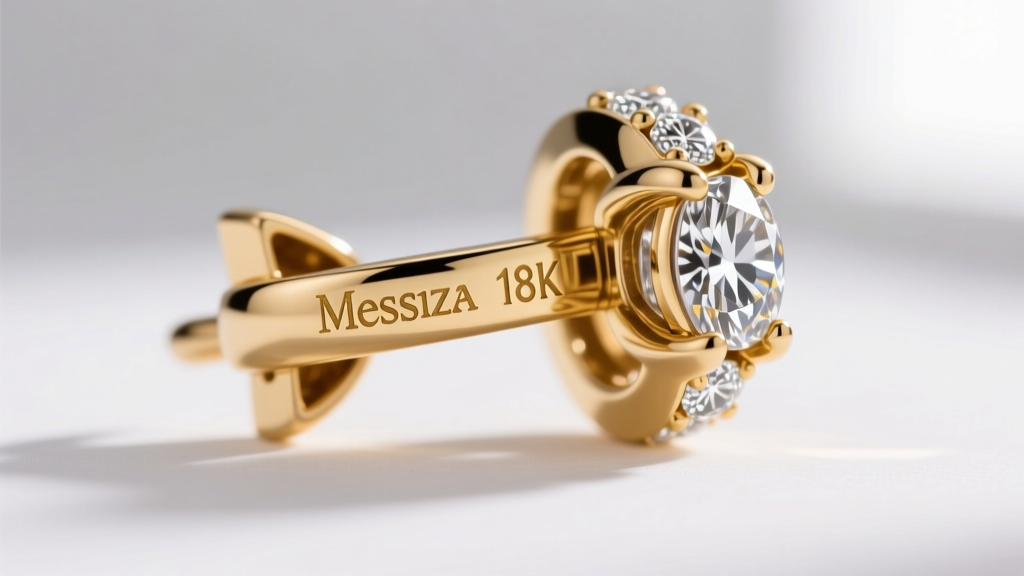
Mechanical Engineering: The Sliding Track and Post Gauge
The true genius—and the primary point of failure in poorly maintained pieces—lies in the mechanical engineering of the sliding track.
The Evolution of the Gold Track
In early iterations of the Move collection (circa 2010-2015), the friction of the diamond's gold casing sliding against the 18k gold rail caused micro-scratches and eventual track degradation. In response, Messika engineers refined the tolerances and introduced hardened gold alloys for the rails in recent years. When inspecting a vintage or pre-owned pair, run your fingernail lightly over the track. Deep grooves or a 'stuttering' motion when the diamond slides indicates severe friction wear, which significantly diminishes the resale value.
Post Thickness and Backings
Because the Move motifs carry substantial kinetic weight, standard 20-gauge (0.8mm) earring posts would easily bend. Messika utilizes robust 18-gauge (1.0mm) to 16-gauge (1.2mm) posts for their medium and GM models. They are paired with custom-machined butterfly backs that feature a wider surface area to distribute the weight across the earlobe, preventing the dreaded 'drooping earring' effect that plagues lesser luxury brands.
Authentication Framework: Spotting Counterfeits in the Grey Market
The secondary market for luxury jewelry is flooded with high-end 'super fakes' that replicate the visual aesthetic but fail on metallurgical and gemological levels. If you are buying outside of an authorized Messika boutique, you must employ a strict authentication protocol.
"The true test of a Messika piece is not just the diamond quality, but the microscopic precision of the goldwork and the seamless integration of the serial hallmarks."
Red Flags in Pre-Owned Messika Earrings
- Missing or Mismatched Serials: Genuine Messika earrings feature a laser-inscribed serial number on the earring post or the underside of the butterfly back. This number must perfectly match the accompanying Certificate of Authenticity (COA).
- Poor Pavé Alignment: In authentic Move Pavé models, the diamonds are set flush with microscopic milgrain detailing. Fakes often feature 'glued' or poorly pronged diamonds that sit too high, catching on silk fabrics.
- Incorrect Hallmark Fonts: The '750' stamp and the Messika logo on the clasp should be crisp, deeply laser-engraved, and utilize the brand's proprietary sans-serif font. Fakes often use shallow, messy stamping.
For absolute certainty, buyers should utilize the official Messika authenticity verification services or consult a certified independent appraiser who can perform a non-destructive XRF (X-ray fluorescence) test to verify the exact 18k gold alloy composition.
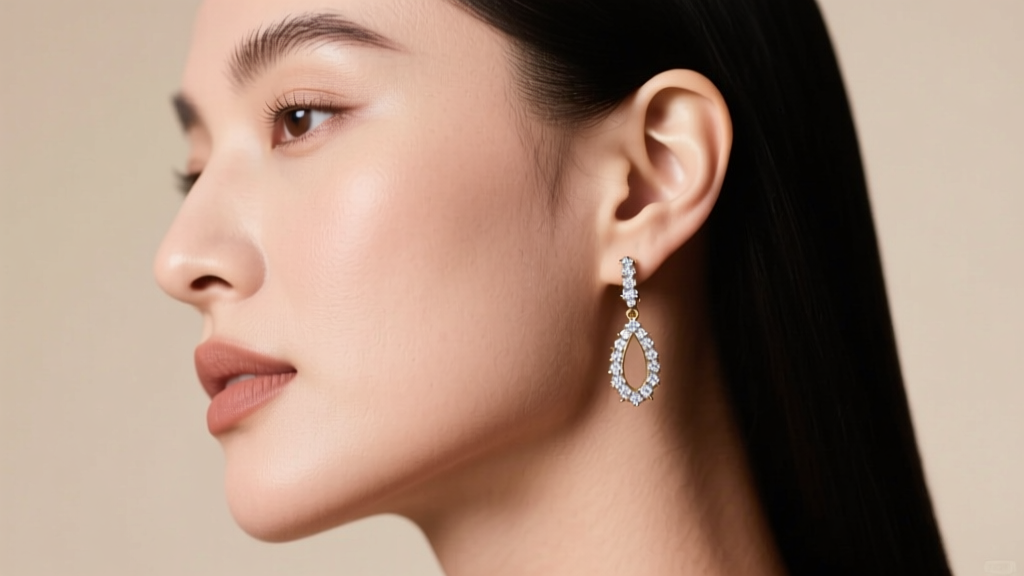
Face Shape Pairing & Styling Mechanics
Messika earrings are inherently dynamic, but choosing the right scale for your face shape elevates the styling from merely expensive to perfectly proportioned.
Round and Oval Faces
For round or oval face shapes, the goal is to introduce verticality and structure. The Move Mono GM Drop or the My Twin Toi & Moi long drop earrings are ideal. The elongated silhouette draws the eye downward, creating a slimming, elegant effect that balances softer jawlines.
Square and Heart-Shaped Faces
Angular jawlines benefit from softer, more voluminous focal points. The Move Pavé Medium studs or the Lucky Move huggie-style hoops introduce curved geometry and brilliant light dispersion right at the cheekbone level, softening sharp features without overwhelming the earlobe.
Care Protocols and Long-Term Maintenance
Maintaining the kinetic brilliance of your earrings requires specific care. While ultrasonic cleaners are excellent for removing sebum from standard diamond studs, they are not recommended for the Move collection. The high-frequency vibrations can force microscopic debris into the sliding track, causing the diamond to jam or scratch the gold rail from the inside.
Instead, use a soft-bristled baby toothbrush dipped in a solution of warm distilled water and a single drop of mild, non-detergent soap. Gently brush the pavé settings and the track, then rinse with distilled water to prevent hard water spotting on the 18k gold. Store your earrings in their original microfiber-lined box to prevent the diamond casings from resting against the gold tracks during transit, ensuring your investment remains flawless for decades to come.


