A Material Guide to Metals and Beads for DIY Beaded Earrings
Discover the best metals and beads for DIY beaded earrings. Compare titanium, niobium, and glass properties to craft durable, hypoallergenic jewelry.

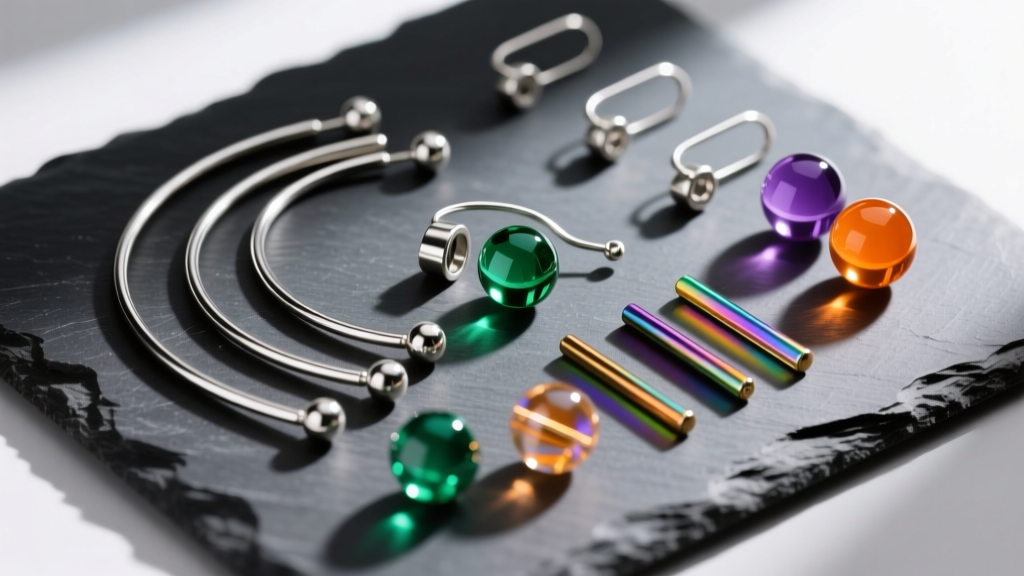
Creating your own jewelry is a rewarding endeavor, but when it comes to crafting DIY beaded earrings, aesthetics must never override biocompatibility. The earlobe and cartilage are highly vascular and susceptible to contact dermatitis. According to the National Institutes of Health (NIH), nickel allergy affects up to 20% of the general population, making the selection of earring findings and bead materials a critical health decision, not just a stylistic one.
This comprehensive material guide breaks down the metallurgical properties of earring wires and the physical characteristics of various beads. Whether you are stringing heavy gemstones or delicate glass, understanding material science is the key to producing professional-grade, hypoallergenic DIY beaded earrings.
The Hidden Dangers of Cheap Earring Findings
Many beginner crafters purchase bulk earring findings from unverified marketplaces. These components are often stamped as 'surgical steel' or 'Tibetan silver,' which are largely unregulated marketing terms. 'Tibetan silver' is typically a zinc-alloy heavily plated with a thin layer of nickel or lead, which quickly wears off against the skin's natural friction and moisture. When sweat (which is slightly acidic, with a pH around 4.5 to 7.0) interacts with exposed base metals, it accelerates oxidation and ion release, triggering severe allergic contact dermatitis.
To ensure your DIY beaded earrings are safe for sensitive ears, you must source metals that comply with the EU Nickel Directive (94/27/EC), which restricts nickel release to less than 0.5 µg/cm²/week for prolonged skin contact.
Comparing Hypoallergenic Metals for Ear Wires and Posts
When designing DIY beaded earrings, the ear wire or post is the anchor. Here is a metallurgical breakdown of the safest metals for sensitive ears, referencing standards recognized by ASTM International for implant-grade materials.
1. Commercially Pure Titanium (Grades 1 & 2)
Titanium is the gold standard for biocompatibility. Grade 1 (ASTM F67) is the softest and most malleable, making it ideal for bending into custom ear wire shapes without snapping. Grade 2 offers slightly higher tensile strength. Titanium contains exactly 0% nickel and forms a passive oxide layer that prevents corrosion. The downside? It is difficult to solder, so titanium findings are usually cold-forged or laser-welded.
2. Niobium
Niobium is a reactive metal that is entirely nickel-free and lead-free. Unlike titanium, niobium cannot be anodized using heat but responds brilliantly to electrical anodization, allowing you to dye your ear wires in vibrant hues (like purples, blues, and golds) to match your beads. It is denser than titanium, giving it a premium, weighty feel, though it is softer and can scratch more easily during the wire-wrapping process.
3. Argentium Silver
Traditional sterling silver (92.5% silver, 7.5% copper) is prone to tarnishing due to the copper content. Argentium silver replaces some of the copper with germanium (usually 93.5% or 96% silver). This creates a transparent germanium oxide layer that drastically slows tarnishing. While it contains no nickel, the trace copper can still cause reactions in extremely sensitive individuals, though it remains vastly superior to standard sterling for DIY jewelry.
4. The 'Surgical Steel' Myth (316L)
316L stainless steel is widely marketed as hypoallergenic, but it actually contains 8% to 10.5% nickel. The nickel is bound within the chromium-oxide matrix, which makes it safe for most people. However, for individuals with severe nickel allergies, the friction of an earring post moving through the piercing channel can release enough ions to cause a flare-up. Avoid 316L for high-end DIY beaded earrings intended for sensitive ears.
| Metal Type | Nickel Content | Tarnish Resistance | Malleability | Relative Cost |
|---|---|---|---|---|
| Titanium (Gr 1/2) | 0% | Excellent | Moderate (Springy) | $$ |
| Niobium | 0% | Excellent | High (Very Soft) | $$$ |
| Argentium 935 | 0% | Very High | High | $$$$ |
| 316L Surgical Steel | 8 - 10.5% | High | Low (Stiff) | $ |
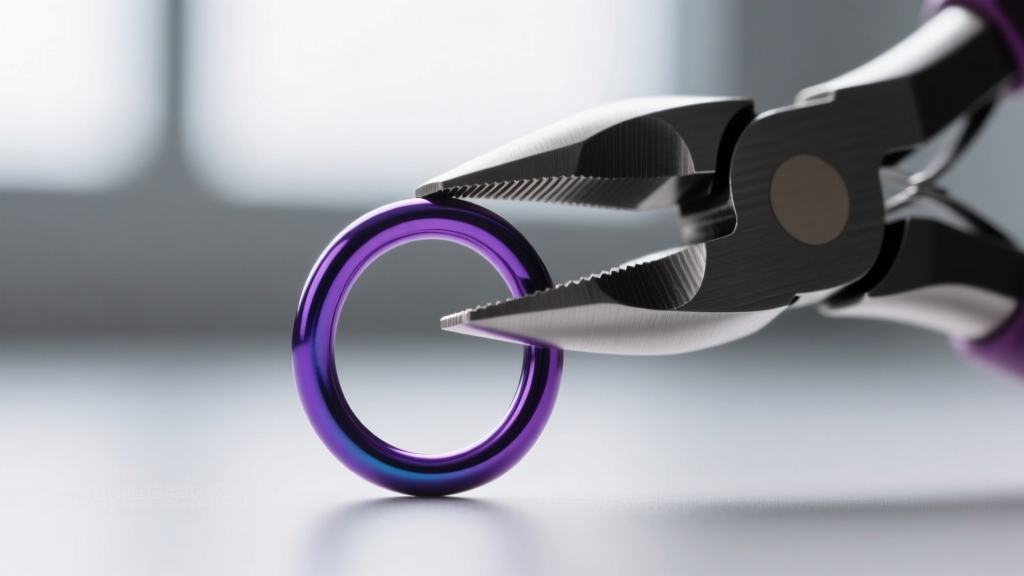
Bead Material Properties: Weight, Durability, and Light Refraction
The beads you select dictate the structural requirements of your wirework. Understanding the Mohs hardness scale and specific gravity of your beads will prevent broken loops and stretched earlobes.
Glass vs. Crystal vs. Acrylic
Soda-Lime Glass: The most common lampwork bead material. It has a Mohs hardness of around 5.5 to 6. It is durable but can shatter if dropped on tile. Ensure you source lead-free soda-lime glass, as some imported lampwork beads use leaded glass to lower the melting point, which poses a toxicity risk.
Leaded Crystal: Brands historically used up to 32% lead oxide to increase the refractive index (sparkle). Modern 'lead-free' advanced crystals use barium oxide or zinc oxide. While beautiful, crystal beads are heavy and have sharp edges around the drill hole that can fray soft wire.
Acrylic / Resin: With a Mohs hardness of just 2 to 3, acrylic beads scratch easily. Their primary advantage is specific gravity—they are incredibly lightweight. You can create massive, oversized DIY beaded earrings that won't stretch the piercing. However, acrylic generates static electricity, which attracts dust and lint to the earring.
Natural Gemstones and Porosity
When using natural stones, you must account for porosity and cleavage planes. Stones like turquoise, lapis lazuli, and malachite are relatively soft (Mohs 3 to 6) and highly porous. If you use chemical patinas (like liver of sulfur) to antiquing your silver headpins, the chemicals will seep into the porous stones and permanently stain them. Always wrap porous stones in PTFE tape or use a mechanical wire-cage setting rather than threading them directly onto treated wires.
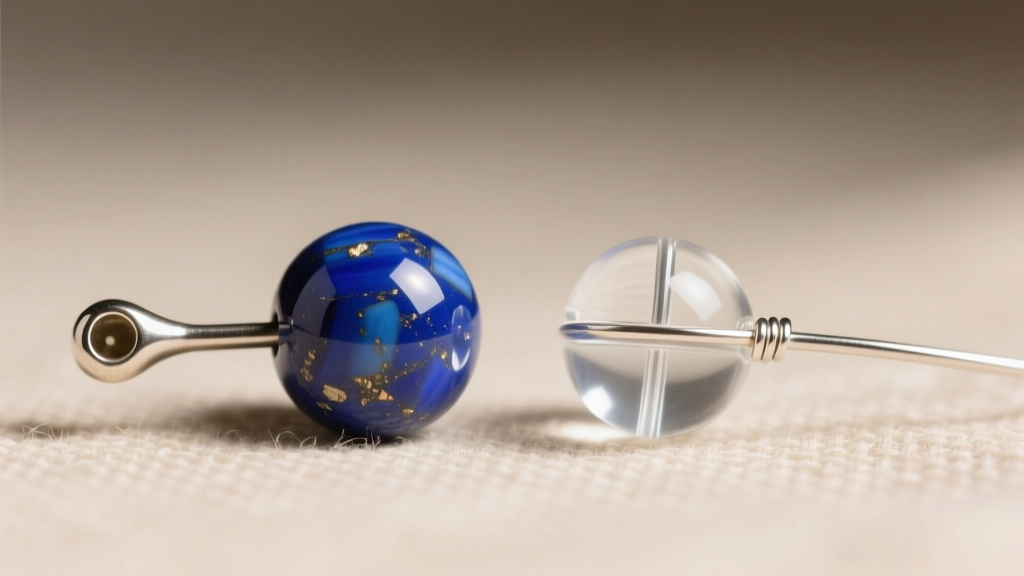
The Weight Factor: Matching Bead Mass to Wire Gauge
A common failure point in DIY beaded earrings is the headpin snapping or the wire loop pulling open under the bead's weight. You must match the wire gauge (thickness) and hardness to the bead's mass.
- 24-Gauge (0.51mm): Ideal for lightweight beads like seed beads, small pearls (under 4mm), and acrylic. Use half-hard 24g wire for making wrapped loops, as dead-soft wire in this thin gauge will easily pull open.
- 22-Gauge (0.64mm): The versatile standard. Perfect for most glass beads, medium gemstones (4mm-8mm), and standard ear wire fabrication. Half-hard is recommended for structural loops.
- 20-Gauge (0.81mm): Required for heavy gemstones (8mm+), large lampwork glass, and metal beads. 20g wire is stiff; you will need heavy-duty flush cutters and nylon-jaw pliers to prevent marring the metal while forming loops.
Essential Tools and Wire Hardness Explained
Wire hardness dictates how the metal behaves when you manipulate it. Buying the wrong temper will ruin your DIY beaded earrings.
Dead Soft: Bends like butter. Excellent for wire-wrapping intricate cages around briolettes or sculptural elements. It should never be used for the main structural loop holding a heavy bead, as it will deform under tension.
Half-Hard: Has been partially work-hardened. It offers a balance of malleability and tensile strength. This is the mandatory choice for creating simple loops, wrapped loops, and forging ear wires.
Full-Hard / Spring Hard: Extremely stiff and brittle. Used primarily for making clasps, pins, or structural frameworks that must not bend. Attempting to make a tight wrapped loop with full-hard wire will result in the wire snapping.
Final Checklist for Sourcing Safe DIY Components
Before you begin assembling your next batch of earrings, run your materials through this quality-control checklist:
- The Magnet Test: Pure titanium, niobium, silver, and gold are non-magnetic. If your 'titanium' findings stick to a neodymium magnet, they contain steel and likely nickel.
- The DMG Test: Purchase a Dimethylglyoxime (DMG) nickel test kit. Swab your earring findings; if the cotton turns pink, the metal is leaching nickel and is unsafe for sensitive ears.
- Drill Hole Inspection: Examine the bead holes. Rough, jagged glass or stone edges will act like a saw against your wire over time, causing metal fatigue and eventual breakage. Use a bead reamer to smooth holes before stringing.
- Supplier Transparency: Reputable suppliers like Rio Grande provide exact metallurgical breakdowns and country-of-origin data. Avoid marketplaces where alloy compositions are hidden behind generic terms like 'silver-plated alloy.'
Mastering the material science behind your components elevates your craft from a simple hobby to professional jewelry design. By prioritizing biocompatible metals and understanding the physical properties of your beads, your DIY beaded earrings will not only look stunning but will be safe, durable, and comfortable for years of daily wear.


