Material Comparison For A Miraculous Ladybug Earring Replica
Discover the best metals and enamels for your Miraculous Ladybug earring replica. Compare titanium, silver, and resin for safe, durable cosplay jewelry.

The Evolution of Fandom Jewelry in 2026
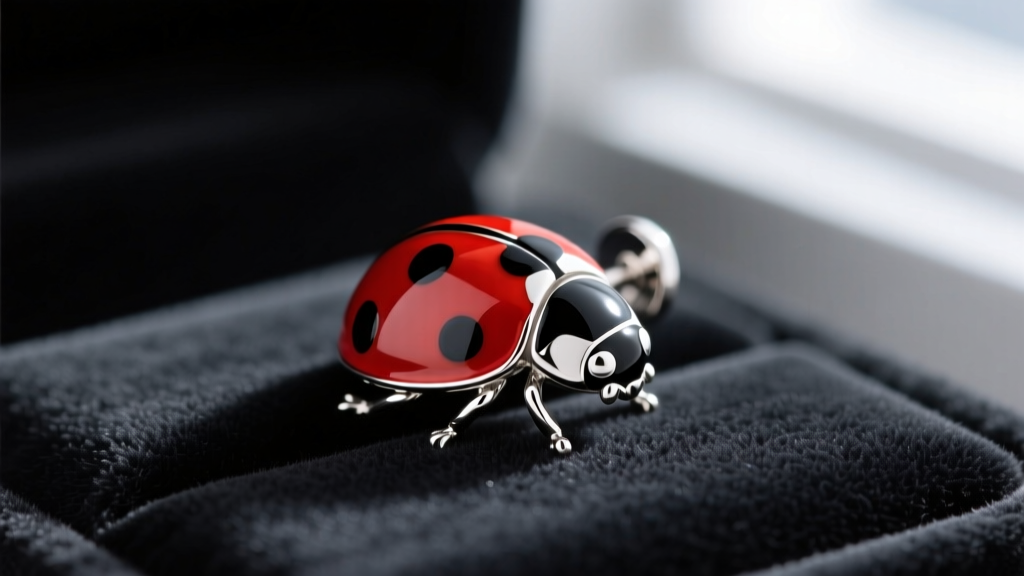
Fandom jewelry has undergone a massive transformation over the last decade. Gone are the days when cosplayers and anime fans had to settle for flimsy, convention-hall trinkets that turned their earlobes green after an hour of wear. Today, fans of Miraculous: Tales of Ladybug & Cat Noir demand high-quality, screen-accurate accessories that are safe for sensitive skin and built for daily wear. When shopping for a miraculous ladybug earring replica, understanding the metallurgy and material properties behind the piece is the difference between a disappointing purchase and a Kwami-worthy heirloom.
This comprehensive guide breaks down the exact material grades, enamel types, and structural mechanics you need to evaluate before investing in your next pair of superhero studs.
Base Metals: Zamak vs. Sterling Silver vs. Titanium
The foundation of any earring is its base metal. Because the iconic ladybug miraculous is a dome-shaped stud, the metal acts as both the structural canvas for the enamel and the post that penetrates your skin. Here is how the three most common metals compare in the 2026 cosplay jewelry market.
Zamak (Zinc Alloy)
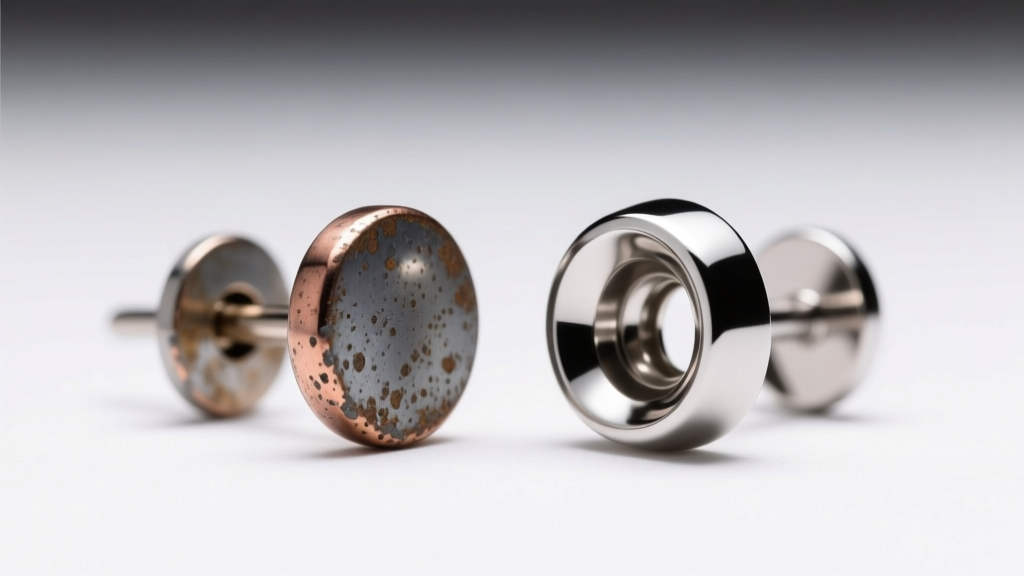
Most mass-produced, budget-friendly replicas are cast from Zamak (an alloy of zinc, aluminum, magnesium, and copper). While Zamak is excellent for capturing the intricate 3D dome shape of the ladybug, it has severe drawbacks for body jewelry. Zamak is highly porous and often contains trace amounts of nickel and copper. When exposed to the natural acids and sweat on your skin, the copper oxidizes to form copper chloride, resulting in the dreaded "green skin" effect. Furthermore, the American Academy of Dermatology warns that unsealed zinc alloys are a primary culprit for allergic contact dermatitis.
925 Sterling Silver
Stepping up in quality, 925 sterling silver (92.5% pure silver, 7.5% copper) is a staple for mid-range fandom jewelry. It offers a brilliant, reflective base that makes black and red enamels pop. However, the 7.5% copper content means it can still tarnish over time and may irritate highly sensitive piercings if not properly rhodium-plated.
Implant-Grade Titanium (ASTM F136)
For the ultimate in biocompatibility, top-tier jewelers use ASTM F136 implant-grade titanium. According to the Association of Professional Piercers, this specific titanium grade is entirely nickel-free and features a mirror-polished surface that resists bacterial buildup. While harder to cast into complex dome shapes, CNC-machined titanium ladybug studs are the gold standard for fans with metal allergies.
Material Comparison Chart
| Metal Base | Hypoallergenic? | Tarnish Risk | Avg. Price Range | Best For |
|---|---|---|---|---|
| Zamak #3 (Zinc) | No (High Nickel/Copper) | High (Oxidation) | $5 - $15 | Occasional photo-ops |
| 925 Sterling Silver | Mostly (Unless plated) | Moderate | $35 - $65 | Daily wear, cosplayers |
| ASTM F136 Titanium | Yes (100% Nickel-Free) | None | $75 - $120 | Sensitive ears, 24/7 wear |
The Red and Black Dilemma: Enamel vs. Resin
The visual appeal of a miraculous ladybug earring relies entirely on the contrast between the deep black base and the vibrant red (or blue) spots. How these colors are applied dictates the jewelry's lifespan, scratch resistance, and overall value.
Cold Enamel (Epoxy Resin)
Budget replicas use cold enamel, which is essentially a two-part epoxy resin poured into the metal recesses and left to air-dry. While cheap and capable of producing bright colors, epoxy resin sits low on the Mohs hardness scale (around 2-3). It is highly susceptible to micro-scratches, UV yellowing over time, and can easily be gouged if dropped on a hard surface. Furthermore, ultrasonic jewelry cleaners will cause cold enamel to cloud and detach from the metal base.
Vitreous Enamel (Hard Enamel)
Premium replicas utilize vitreous enamel, a glass-based powder that is fired in a kiln at temperatures exceeding 1400°F. This process fuses the glass directly to the silver or titanium base, creating a smooth, durable surface with a Mohs hardness of 5-6. Vitreous enamel will not yellow from UV exposure, resists everyday scratching, and possesses a deep, glass-like luster that epoxy simply cannot replicate. If you want your ladybug spots to remain vibrant for years, vitreous enamel is mandatory.
Post Gauge and Backing Mechanics
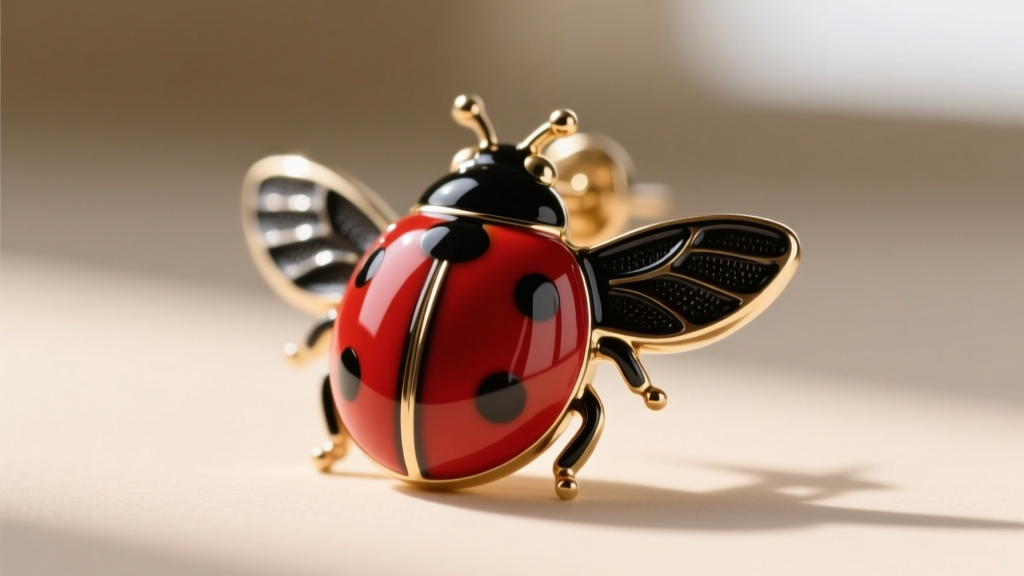
A beautiful earring dome is useless if the post is structurally compromised or the wrong size for your piercing. Standard lobe piercings are typically done at 20G (0.81mm) or 18G (1.02mm). Many cheap cosplay earrings use ultra-thin 22G (0.64mm) wires to save on metal costs. These thin posts are prone to bending and can cause the "cheese-cutter effect," where the thin wire slowly migrates through the earlobe tissue under the weight of the dome.
Additionally, pay close attention to the earring backing. Standard friction backs (butterfly clutches) often fail to secure the heavier dome shape of a ladybug earring, leading to lost jewelry. For a secure fit, look for replicas that feature threaded screw-backs or silicone O-ring friction backs that lock the heavy stud firmly against the earlobe without drooping.
Troubleshooting Common Fandom Jewelry Failures
Even with careful purchasing, issues can arise. Here is how to troubleshoot the most common failure modes associated with character-inspired jewelry:
- The Drooping Stud: If your ladybug earring constantly tilts forward, the post is likely too thin (22G) or the backing is too weak. Fix: Upgrade to a silicone disc backing or have a local jeweler laser-weld a thicker 18G titanium post onto the dome.
- Chipped Spots: If a red spot chips away to reveal bare metal, your earring uses soft cold enamel. Fix: Unfortunately, resin cannot be seamlessly repaired at home. Prevent this by storing studs in individual microfiber pouches to prevent them from scratching against each other in your jewelry box.
- Green Earlobes: A clear sign of copper oxidation from a Zamak or low-grade brass base. Fix: Coat the post and back of the earring in a thin layer of clear nail polish to create a barrier between the reactive metal and your skin, or retire the piece in favor of ASTM F136 titanium.
Final Verdict: Investing in a Kwami-Worthy Piece
When hunting for the perfect miraculous ladybug earring, always prioritize the metal post and the enamel type over the initial price tag. A $12 Zamak and resin replica might look fine in a dimly lit convention center, but a $65 sterling silver and vitreous enamel piece will offer screen-accurate brilliance, structural integrity, and skin-safe comfort for years to come. By understanding the material properties outlined above, you can confidently select a miraculous that truly lives up to its superhero origins.


