The Multi Gem Earrings Buying Guide: What to Look For
Discover how to choose the perfect multi gem earrings. Our buying guide covers metal grades, setting types, stone quality, and pricing.

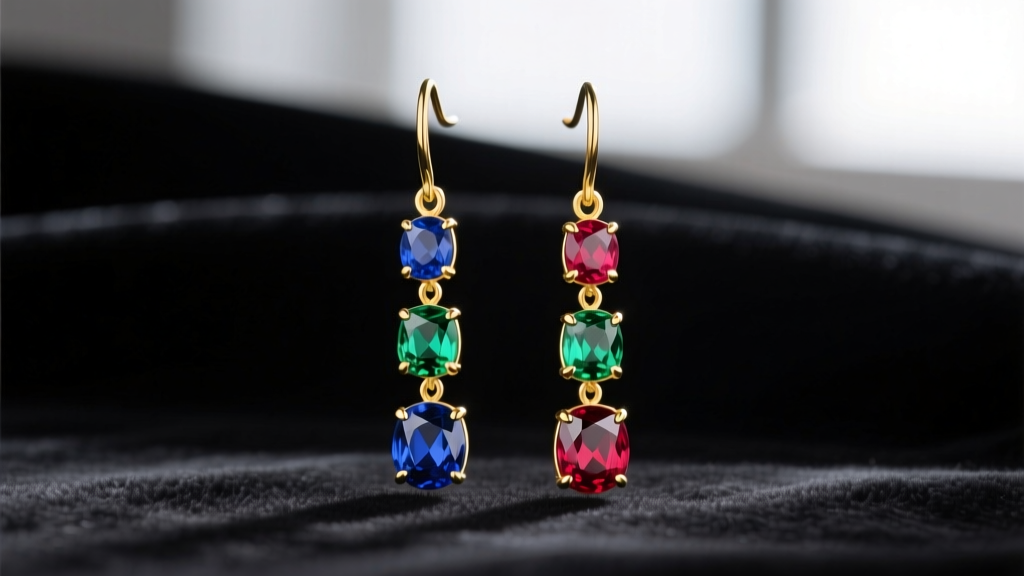
The Anatomy of Multi Gem Earrings
When curating a stacked ear or seeking a vibrant statement piece, multi gem earrings offer unparalleled versatility and color theory play. Unlike single-stone studs, multi-stone designs require a meticulous balance of structural integrity, metal purity, and gemological harmony. Whether you are exploring gradient huggies, constellation lobe clusters, or cascading drop earrings, understanding the mechanical and material nuances is critical. This comprehensive buying guide breaks down exactly what to look for when investing in multi gem earrings, ensuring your pieces are both visually striking and built for longevity.
Decoding Metals: Hypoallergenic & Durability Factors
The foundation of any multi-stone earring is its metal alloy. Because multi gem designs often feature intricate settings and increased surface area, the metal must withstand daily friction while securely housing multiple stones. According to the Federal Trade Commission (FTC) Jewelry Guides, understanding the exact karat weight and alloy composition is essential for avoiding misrepresentation and skin irritation.
Precious Metal Grades & Alloys
- 14k Gold (58.5% Pure Gold): The industry standard for everyday multi gem earrings. The higher alloy content (often mixed with copper, silver, or zinc) provides the necessary tensile strength to hold multiple prongs securely without bending.
- 18k Gold (75% Pure Gold): Offers a richer, warmer hue but is inherently softer. Best suited for bezel-set multi gem pieces or occasional-wear drop earrings where prong stress is minimized.
- Platinum (PT950): The ultimate choice for high-value multi-stone arrays. Platinum's density and malleability mean that when a prong is pushed over a gemstone, it holds firm without work-hardening and snapping.
- ASTM F136 Titanium: The gold standard for cartilage and helix placements. If you are buying multi gem ear cuffs or flat-back labrets, ensure the post is implant-grade titanium to prevent rejection and nickel allergies.
| Metal Grade | Durability | Hypoallergenic? | Best Earring Style |
|---|---|---|---|
| 14k Solid Gold | High | Usually (Check Nickel) | Everyday Huggies, Constellation Studs |
| 18k Solid Gold | Medium | Usually | Bezel-Set Drops, Special Occasion |
| PT950 Platinum | Very High | Yes | Intricate Prong Clusters, Heirloom Pieces |
| ASTM F136 Titanium | High | Yes (100%) | Cartilage Studs, Threadless Ends |
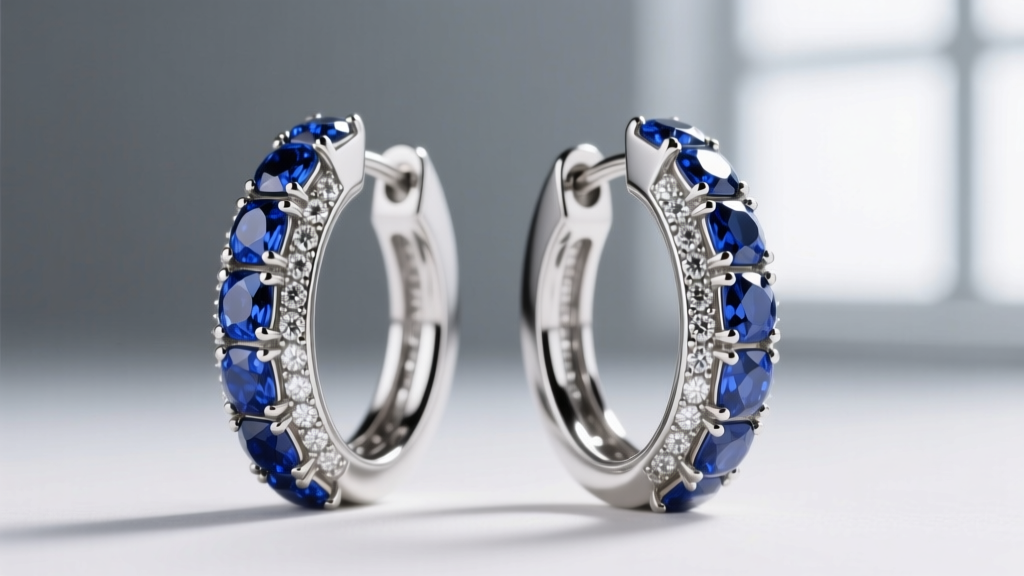
Stone Selection: Natural vs. Lab-Grown Arrays
Multi gem earrings frequently utilize "melee" stones—small gems typically ranging from 0.01 to 0.15 carats. The Gemological Institute of America (GIA) notes that the optical performance of melee stones is heavily dependent on the precision of their cut, even at microscopic sizes. When selecting your color palette, you must also consider the Mohs Hardness Scale to ensure the stones can survive being set next to one another.
Hardness & Wearability
Not all gemstones are created equal when subjected to the pressure of jewelry manufacturing. In multi-stone channel or pave settings, stones are pressed tightly against each other.
- Sapphires & Rubies (Mohs 9): Exceptional for multi gem arrays. They can withstand the pressure of shared prongs and daily wear without scratching.
- Spinel & Topaz (Mohs 8): Great alternatives for vibrant colors, though topaz has perfect cleavage and can chip if struck at the wrong angle during setting.
- Quartz & Citrine (Mohs 7): Suitable for lobe earrings but prone to micro-scratches over time if worn in cartilage placements where hair and headphones cause friction.
- Opals & Pearls (Mohs 2.5 - 6.5): Avoid in multi-stone prong settings. The pressure required to bend a metal prong over an opal or pearl often results in internal fracturing or surface crushing.
Setting Styles & Common Failure Modes
The setting technique dictates both the security of your multi gem earrings and their overall light return. Understanding common failure modes will help you inspect jewelry like a professional before purchasing.
Prong vs. Bezel vs. Channel
Shared Prong Settings: This technique uses a single prong to hold two adjacent stones, maximizing light exposure and creating a seamless ribbon of color. Failure Mode: If one prong catches on a sweater and lifts, you risk losing two stones instead of one. Always check that prongs are flush against the gem's crown.
Channel Settings: Stones are slid into a metal track with the edges hammered over the girdles. This is the most secure method for multi gem huggies and hoops. Failure Mode: If the channel walls are too thin, they can warp, causing the stones to rattle or fall out.
Micro-Pave: Tiny beads of metal are raised to hold stones in a clustered, honeycomb pattern. Failure Mode: The metal beads are incredibly small. Ultrasonic cleaning can vibrate these beads loose, leading to sudden stone loss.
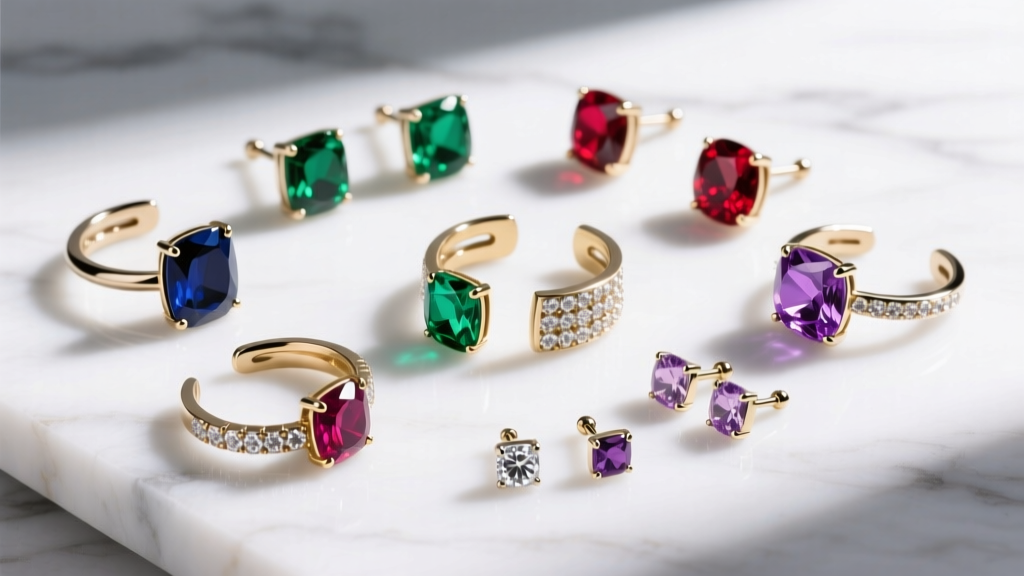
Gauge Sizes & Ear Placement
When buying multi gem earrings, the post or wire thickness (gauge) must match your specific piercing to avoid the "cheese-cutter effect," where a thin wire slowly migrates through the earlobe due to the weight of multiple stones.
- Standard Lobe Piercings: Typically 20G (0.81mm) or 18G (1.02mm). If the multi gem earring is a heavy drop or chandelier style, insist on an 18G or 16G post to distribute the weight and prevent lobe stretching.
- Cartilage / Helix: Standardized at 16G (1.29mm). Multi gem huggies for the cartilage require precise inner diameters; an 8mm inner diameter is standard for a snug helix fit, while 10mm is better for the upper lobe.
- Ear Cuffs: Non-pierced multi gem cuffs rely on tension. Look for cuffs with adjustable tension bands and silicone grips on the interior to prevent sliding down the auricle.
Pricing Tiers & Market Expectations
The cost of multi gem earrings is driven by the cumulative carat weight of the melee stones, the complexity of the setting labor, and the base metal. In 2026, the widespread availability of high-quality lab-grown melee diamonds and sapphires has significantly shifted pricing structures, allowing for larger, more vibrant arrays at accessible price points.
| Category | Materials | Estimated Price Range | Best For |
| Fashion / Vermeil | Sterling Silver base, 2.5μm Gold Plating, Simulated Stones | $60 - $150 | Trend-driven styling, occasional wear |
| Demi-Fine | Solid 10k/14k Gold, Lab-Grown Melee, Semi-Precious Stones | $250 - $650 | Everyday stacking, office-appropriate |
| Fine Jewelry | 18k Gold / Platinum, Natural or Premium Lab Diamonds/Sapphires | $800 - $2,500+ | Heirloom pieces, sensitive skin, luxury gifting |
Expert Care & Maintenance Tips
Multi gem earrings trap soap, lotions, and dead skin cells between the tightly packed stones, which dulls their brilliance. To maintain your pieces:
- Avoid Ultrasonic Cleaners: Unless your earrings consist exclusively of diamonds, rubies, or sapphires in secure bezel settings, avoid ultrasonic machines. The high-frequency vibrations easily shake loose the tiny prongs in micro-pave and multi-stone clusters.
- The Soft Brush Method: Soak the earrings in a bowl of warm water with a drop of mild, phosphate-free dish soap for 10 minutes. Gently agitate the stones using a baby-soft toothbrush, focusing on the pavilion (the underside of the stones) where light blockage occurs.
- Annual Prong Checks: Take your fine multi gem earrings to a bench jeweler once a year. They will use a loupe to inspect the structural integrity of the shared prongs and channel walls, re-tipping any worn metal before a stone is lost.
By prioritizing metal integrity, respecting gemstone hardness, and understanding setting mechanics, you can confidently select multi gem earrings that will remain vibrant and secure for decades.


