Key Earrings in 2026: The Neo-Gothic & Architectural Trend
Discover the 2026 key earrings trend. Explore neo-gothic and architectural styles, material grades, and expert styling tips for this symbolic motif.

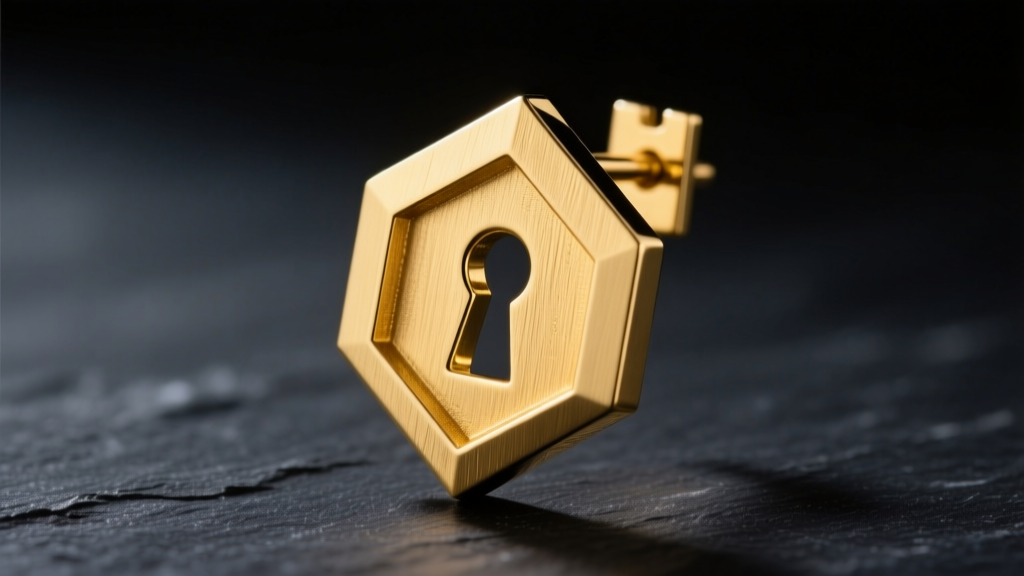
The Evolution of the Key Motif in 2026
The symbolism of the key in jewelry is ancient, tracing back to Roman bronze status symbols and Victorian sentimental lockets. However, the 2026 accessory landscape has entirely discarded the literal, overly embellished padlock-and-key tropes of the early 2010s. Today, key earrings have evolved into a sophisticated study of form, space, and historical subversion. Leading the charge are neo-gothic interpretations and stark, architectural minimalism. Designers are treating the key not as a functional tool, but as a structural framework—playing with negative space, elongated stems, and abstracted bows (the top loop of the key).
According to trend forecasts highlighted by Vogue, the modern consumer gravitates toward pieces that carry personal talismanic weight without sacrificing editorial edge. The key represents unlocking potential, guarding secrets, and transitioning between life phases. In 2026, this translates into gender-fluid, mixed-metal silhouettes that look equally at home on a minimalist runway or layered in a curated, multi-piercing ear stack.
Biomechanics: Gauge, Weight, and the 'Cheese Cutter' Effect
When designing or purchasing drop-style key earrings, understanding the biomechanics of the earlobe is critical. A solid 14k gold key earring with a 35mm stem and an intricate bow can easily weigh between 4.5 and 7 grams. Standard fashion earrings typically utilize a 20-gauge (0.81mm) or 22-gauge (0.64mm) post. When a heavy key motif is suspended from a 22-gauge wire, the downward force creates what piercers call the 'cheese cutter effect,' gradually migrating the piercing downward and tearing the lobe tissue.
Engineering the Perfect Post
- 18-Gauge (1.02mm) to 16-Gauge (1.29mm): The mandatory standard for any key drop exceeding 3 grams. This thickness provides the necessary shear strength to support the pendant without bending.
- Vickers Hardness (HV): For elongated key stems, 14k gold (approx. 120-140 HV) is vastly superior to 18k gold (approx. 90-110 HV). The higher alloy content in 14k prevents the slender stem of the key from warping when accidentally snagged on clothing.
- Clasp Mechanics: Butterfly friction backs are insufficient for heavy architectural keys. Look for secure omega backs, screw-backs, or lever-backs that distribute the weight across a broader surface area of the earlobe.
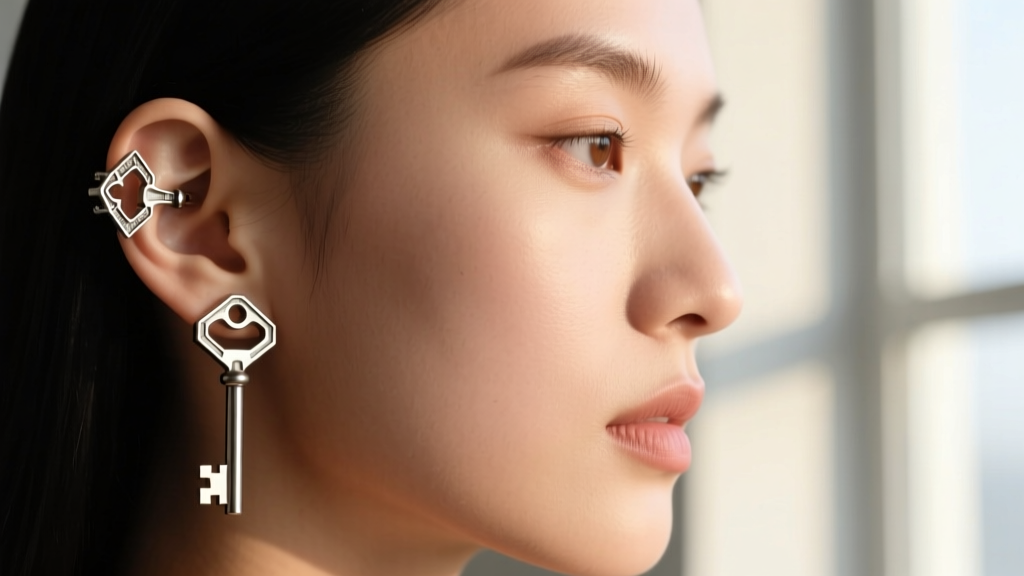
Style Matrix: 2026 Key Earring Variations
The market has bifurcated into distinct style archetypes. Below is a comparative analysis of the dominant key earring styles defining the current market, as documented by heritage analysts at The Jewellery Editor.
| Style Archetype | Defining Features | Ideal Metal Grade | Weight Range | Best Placement |
|---|---|---|---|---|
| Architectural Minimalist | Geometric bows, matte finishes, sharp angles, negative space | 18k Recycled Yellow Gold | 3.0g - 5.0g | Standard Lobe (Omega Back) |
| Neo-Gothic Skeleton | Oxidized finishes, filigree details, elongated stems, dark gems | Sterling Silver / Black Rhodium | 4.0g - 6.5g | Standard Lobe (Lever Back) |
| Industrial Modular | Interchangeable stems, threaded ends, raw textures | Grade 23 Titanium (6Al-4V) | 1.5g - 2.5g | Helix / Flat (Threadless) |
| Heritage Inlaid | Classic proportions, pavé diamond bows, enamel accents | 18k White Gold / Platinum | 5.0g - 8.0g | Standard Lobe (Screw Back) |
Face Shape & Placement Guide
The linear nature of the key motif makes it an exceptional tool for visual balancing, provided the proportions are matched to the wearer's facial geometry and piercing placement.
Round and Oval Faces
For rounder face shapes, the goal is to create vertical elongation. Opt for skeleton key drops where the stem measures at least 40mm in length. Avoid wide, circular bows; instead, seek out elongated, rectangular, or diamond-shaped key bows that draw the eye downward, mimicking the effect of a deep V-neckline.
Square and Heart Faces
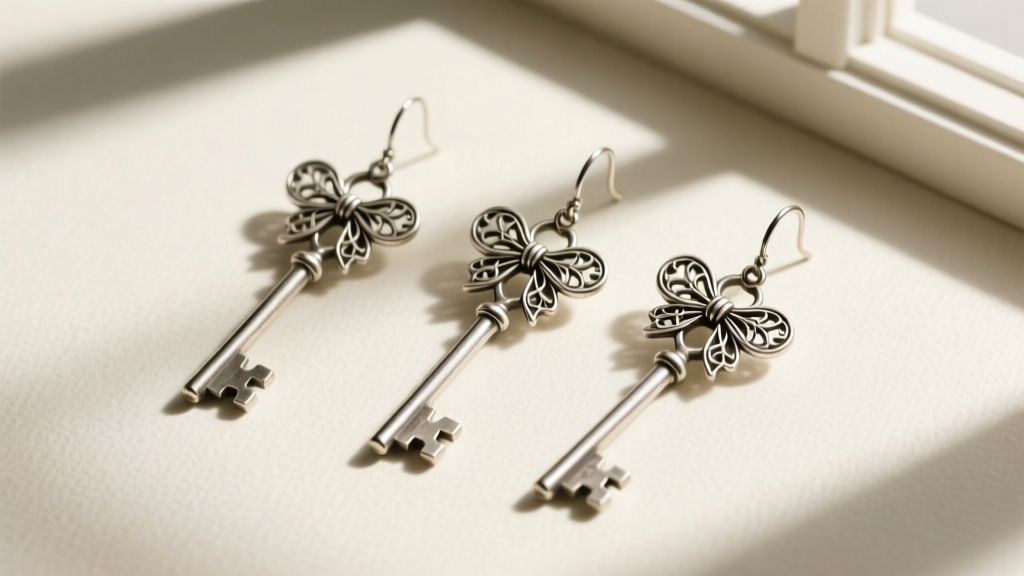
Angular jawlines benefit from the softening effect of ornate, curved detailing. Neo-gothic keys with intricate, floral-inspired filigree bows or soft, rounded trefoil tops help offset sharp facial features. Drop lengths should remain moderate (20mm - 30mm) to keep the visual weight centered near the cheekbones.
Cartilage and Helix Placements
The key motif is no longer confined to the earlobe. In 2026, miniature key studs and threadless ear cuffs are dominating the upper ear. Because cartilage tissue is dense and less forgiving of weight, these pieces must be cast in lightweight Grade 23 titanium or hollowed 14k gold, keeping the total weight strictly under 2 grams. A 16-gauge or 14-gauge flat-back labret post is required to prevent rejection and migration in the helix.
Market Pricing & Brand Benchmarks
Understanding the pricing tiers of key earrings ensures you are paying for metallurgical integrity rather than just brand markup. The 2026 market is segmented as follows:
- Fashion & Brass ($40 - $90): Often plated with a thin micron layer of gold over brass or copper. These are prone to tarnishing and the posts are frequently 22-gauge, making them unsuitable for heavy daily wear. Best for occasional, trend-driven styling.
- Demi-Fine & Vermeil ($150 - $400): Heavy sterling silver bases with a minimum of 2.5 microns of 14k or 18k gold plating. Brands in this tier often utilize proper 18-gauge posts and secure lever-backs, offering a sweet spot for design-conscious buyers on a moderate budget.
- Fine Jewelry Solid Gold ($800 - $3,500): Cast in solid 14k or 18k gold using lost-wax casting techniques. These pieces feature precision-engineered hinges, secure clasps, and high-polish or hand-brushed finishes. They are heirloom-quality and will not degrade with continuous wear.
- Haute Joaillerie ($10,000+): Heritage houses like Tiffany & Co. (with their iconic Keys collection) and Cartier dominate this space, incorporating VS-clarity diamonds, platinum settings, and proprietary locking mechanisms.
Expert Verdict: Styling the 2026 Key
The most compelling way to wear key earrings in 2026 is through deliberate asymmetry. Pair a single, heavy architectural key drop in one lobe with a curated stack of minimalist, geometric studs or a sleek titanium cuff in the opposite ear. This approach honors the historical weight of the key motif while anchoring it firmly in contemporary, avant-garde styling. Whether you choose the dark romance of oxidized silver or the warm minimalism of brushed 18k gold, ensure your hardware—specifically the gauge and clasp—is engineered to support the art.
"The key is no longer just a symbol of access; it is a structural canvas. In 2026, we are seeing jewelers treat the negative space inside the key's bow with the same reverence as the metal itself." — Senior Trend Forecaster, Jewel Style Radar


