Next Earrings Reviews: 2026 Buying Guide For High-Street Jewelry
Read our honest Next earrings reviews and 2026 buying guide. Learn what to look for in high-street jewelry materials, plating, and allergy safety.

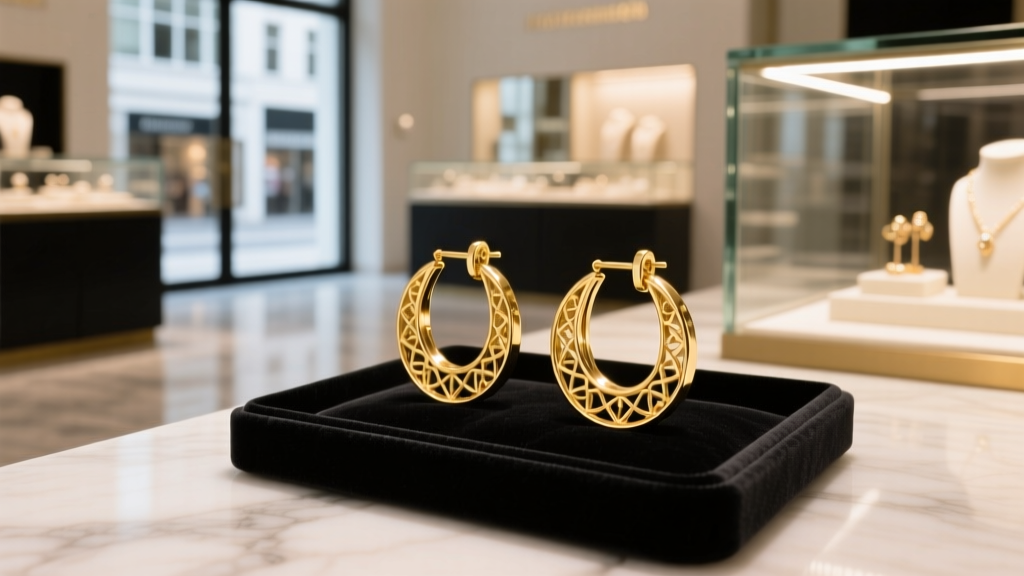
The Reality of High-Street Jewelry: What Reviews Actually Tell Us
If you have spent any time browsing fashion retail forums or reading Next earrings reviews and similar high-street brand feedback, you will notice a recurring pattern. The jewelry looks stunning on the display stand and costs a fraction of fine jewelry, but the long-term wearability often leaves buyers frustrated. As a senior jewelry buyer and style analyst, I have tested hundreds of high-street pieces to separate the trendy bargains from the metallurgical nightmares.
The fundamental issue with high-street fashion earrings—from major retailers like Next, Zara, and H&M—is the hidden cost of mass production. To maintain low price points (typically between $8 and $25), manufacturers must compromise on core metals, plating thickness, and quality control. This guide will deconstruct exactly what you are buying when you purchase high-street earrings, how to evaluate their true lifespan, and when it is time to invest in fine jewelry alternatives.
Material Breakdown: Fashion vs. Fine Jewelry
Understanding the base metal and the plating process is the single most important factor in evaluating any earring review. High-street brands rarely use solid precious metals. Instead, they rely on base metal alloys that are electroplated with a microscopic layer of gold or silver.
| Material Category | Core Metal | Plating / Finish | Average Price | Estimated Lifespan | Hypoallergenic? |
|---|---|---|---|---|---|
| Fast Fashion (Standard) | Brass, Zinc Alloy, Pewter | Flash Plating (0.01 - 0.1 microns) | $5 - $20 | 1 - 3 Months | No (High Nickel Risk) |
| Premium High-Street | Brass or Stainless Steel | Standard Plating (0.5 - 1.0 microns) | $20 - $45 | 6 - 12 Months | Rarely (Depends on post) |
| Gold Vermeil (Demi-Fine) | Sterling Silver (925) | Gold Plating (Minimum 2.5 microns) | $50 - $150 | 2 - 5 Years | Yes (If nickel-free) |
| Solid Fine Jewelry | 14k or 18k Gold, Platinum | Solid (No plating) | $200 - $1,000+ | Lifetime / Heirloom | Yes |
When reading Next earrings reviews or evaluating similar brands, look closely at the product description. If it simply says "Gold Tone" or "Gold Plated" without specifying the base metal or the micron thickness, you are almost certainly looking at flash-plated brass or zinc alloy. These pieces will oxidize and turn your skin green once the microscopic gold layer wears away from friction and skin acids.
The Allergy Factor: Navigating Nickel and Base Metals
Contact dermatitis is the most common complaint in high-street jewelry reviews. According to the American Academy of Dermatology, nickel allergy is the leading cause of allergic contact dermatitis, affecting roughly 18% of the population. High-street earrings are notorious for triggering these reactions, even when labeled "nickel-safe."
The Problem with "Surgical Steel" Posts
Many high-street brands use 316L surgical stainless steel for the earring post (the part that goes through your piercing) while using cheap brass for the decorative front. While 316L steel is highly durable, it does contain nickel (typically 10-14% by weight). The term "surgical" refers to the metal's use in non-implant surgical tools, not long-term internal body implants. If you have sensitive ears or a known nickel allergy, 316L steel posts will cause irritation.
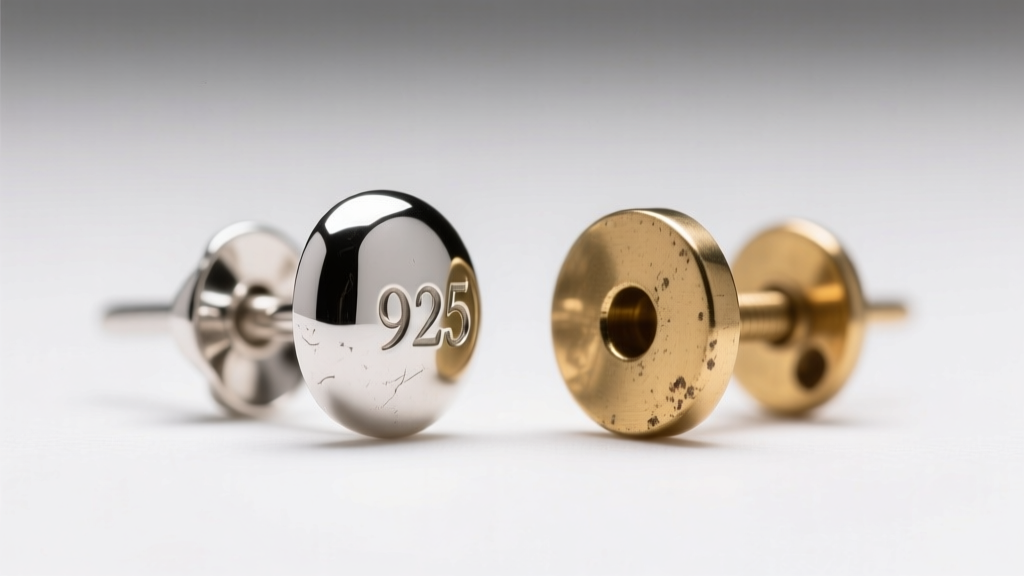
The Expert Fix: If you love a specific pair of high-street earrings but have sensitive skin, look for brands that explicitly state they use ASTM F136 Implant-Grade Titanium or Niobium posts. Alternatively, you can replace the standard "butterfly" friction backs with medical-grade silicone stoppers or titanium washers to create a barrier between the steel post and your skin.
Earring Post Gauge Sizes
Another detail frequently overlooked in Next earrings reviews is the thickness of the earring post, measured in gauge (G). Standard earlobe piercings are usually done at 20G (0.81mm) or 18G (1.02mm). To save on metal costs, some fast-fashion manufacturers use 22G (0.64mm) or even 24G posts. These ultra-thin posts are structurally weak; they bend easily when pushed through a healed piercing and can cause micro-tears in the fistula (the piercing channel), leading to localized swelling and infection.
Evaluating Plating Quality: The FTC Standards
To understand why some gold-plated earrings last a week and others last years, you must understand electroplating. The Federal Trade Commission (FTC) Jewelry Guides strictly regulate how jewelry brands can market gold thickness:
- Gold Flashed / Washed: Less than 0.175 microns. (Common in cheap high-street jewelry).
- Gold Plated: At least 0.5 microns of 10k+ gold over a base metal.
- Heavy Gold Electroplate: At least 2.5 microns of gold over a base metal.
- Gold Vermeil: A specific legal term requiring a Sterling Silver (925) base with at least 2.5 microns of 10k+ gold plating.
Most high-street retailers fall into the "Gold Flashed" category. The plating is measured in millionths of an inch and will wear off rapidly on high-friction areas like earring clasps, hoop hinges, and the backs of studs.
Maintenance: Making High-Street Earrings Last
If you are buying high-street earrings for trend-driven, short-term wear, they offer incredible value. However, you can significantly extend their lifespan by mitigating the chemical reactions that destroy base metals.
The Clear Nail Polish Myth
A common internet hack suggests painting the earring posts with clear nail polish to prevent allergies and tarnish. As a jewelry professional, I strongly advise against this. Nail polish is not formulated for prolonged skin contact inside a piercing. It can chip off inside the fistula, trap bacteria, and cause severe localized infections. Instead, use a dedicated jewelry guard or simply swap the post for a titanium replacement.
Proper Storage and Cleaning
Pro Tip: Never store high-street earrings in the bathroom. The high humidity and airborne sulfur compounds from personal care products will rapidly accelerate the oxidation of brass and zinc alloys, turning them black and brittle.
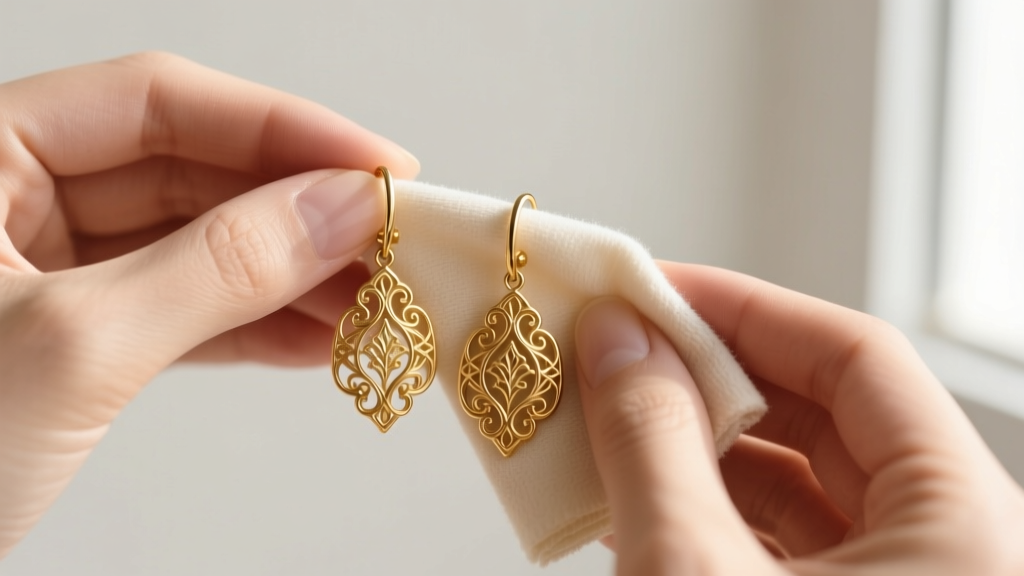
- Wipe Down After Wear: Use a dry, lint-free microfiber cloth to remove skin oils, sweat, and lotion residue immediately after taking your earrings off.
- Use Anti-Tarnish Strips: Store your fashion jewelry in airtight ziplock bags with 3M anti-tarnish paper strips. These strips absorb atmospheric sulfur and can double the lifespan of gold-plated brass.
- Avoid Chemical Exposure: Chlorine in swimming pools and salt water will strip flash-plating in a matter of hours. Always remove high-street earrings before swimming or showering.
When to Upgrade: Signs You Need Fine Jewelry
While high-street jewelry is perfect for experimenting with bold, avant-garde trends (like oversized sculptural drops or seasonal novelty studs), there are specific scenarios where you must upgrade to solid fine jewelry:
- Everyday Sleepers and Huggies: If you plan to sleep in your hoops or wear them 24/7, high-street plating will wear off within weeks due to constant friction against pillows and hair. Invest in solid 14k gold continuous hoops.
- Fresh Piercings: Never put high-street jewelry into an unhealed piercing. The porous nature of base metals and the presence of nickel will almost guarantee an infection or allergic rejection.
- Heirloom Gifting: Fashion jewelry has zero resale or intrinsic melt value. For milestone gifts, always opt for solid gold or platinum.
Final Verdict on High-Street Earrings
Ultimately, Next earrings and similar high-street brands serve a vital purpose in the fashion ecosystem: they democratize trend-driven design. If you approach these purchases with the understanding that you are buying a temporary fashion accessory rather than a permanent jewelry piece, you will be highly satisfied. Look for brands that are transparent about their base metals, avoid pieces with overly complex hinges that trap moisture, and practice strict aftercare. By applying the metallurgical insights in this guide, you can confidently navigate the high-street jewelry market and build a stylish, cost-effective earring collection without falling victim to green skin or allergic reactions.


