Allergic Reaction to Nickel Earrings: A Metallurgical Deep Dive
Explore the metallurgical causes of an allergic reaction to nickel earrings, safe ASTM implant grades, and clinical protocols for healing.

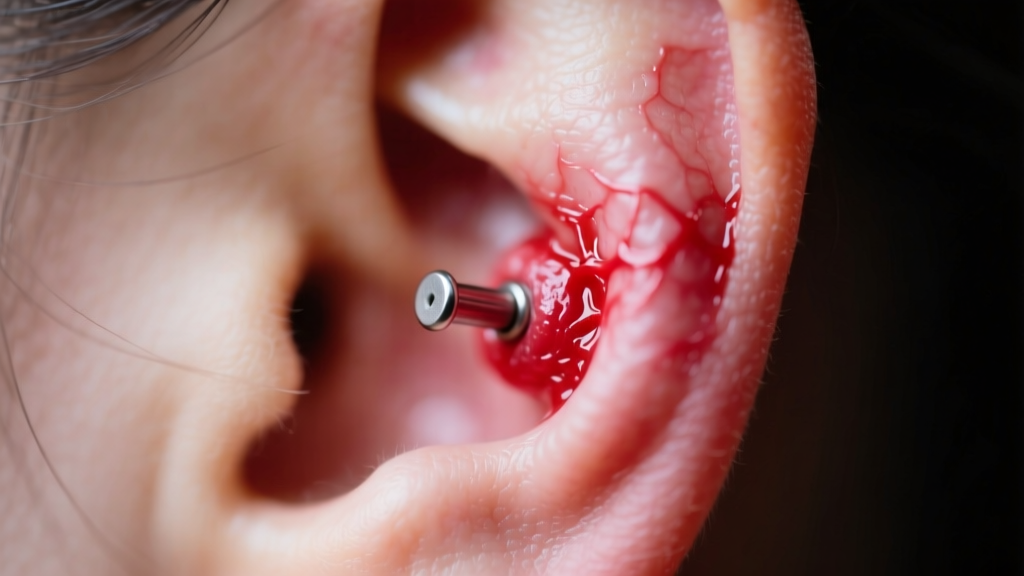
The Immunology of Nickel Contact Dermatitis
An allergic reaction to nickel earrings is not a simple surface irritation; it is a complex immunological cascade known as Type IV hypersensitivity, or allergic contact dermatitis (ACD). When nickel-containing jewelry is worn, the slightly acidic environment of human sweat (typically pH 4.5 to 6.0) causes the metal to oxidize and release nickel ions (Ni2+). These microscopic ions penetrate the stratum corneum of the epidermis and bind to native proteins, forming haptens.
Once these haptens are formed, epidermal Langerhans cells capture them and migrate to regional lymph nodes, presenting the antigens to naive T-cells. Upon subsequent exposure to nickel, these sensitized memory T-cells trigger a localized inflammatory response. This manifests clinically as erythema, pruritus (intense itching), vesicle formation, and eventually, hyperkeratosis or fissuring of the earlobe tissue. According to the National Library of Medicine, nickel remains the most prevalent contact allergen globally, affecting up to 20% of the female population.
The "Surgical Steel" Myth and Metallurgical Traps
The most common culprit behind an unexpected allergic reaction to nickel earrings is the jewelry industry's misleading use of the term "surgical steel." Most commercial earrings labeled as such are manufactured from 316L stainless steel. While 316L is highly corrosion-resistant and excellent for surgical instruments that are sterilized and used briefly, it contains between 10% and 14% nickel by weight.
When a 316L post is left inside a healing fistula (the piercing tunnel) for weeks or months, the constant presence of moisture, body heat, and lymphatic fluid accelerates nickel leaching. True implant-grade steel for long-term wear should meet ASTM F138 standards, but even F138 steel contains nickel. For individuals with a known nickel allergy, any steel alloy is a metallurgical trap.
The White Gold Deception
Precious metals are not immune to contamination. Pure 24k gold is hypoallergenic but too soft for earring posts, which require structural rigidity. To create 14k or 18k white gold, pure gold is alloyed with other metals to increase hardness and alter the color. Historically, and still commonly today, nickel is the primary alloying agent used to "bleach" the gold to a silvery-white hue.
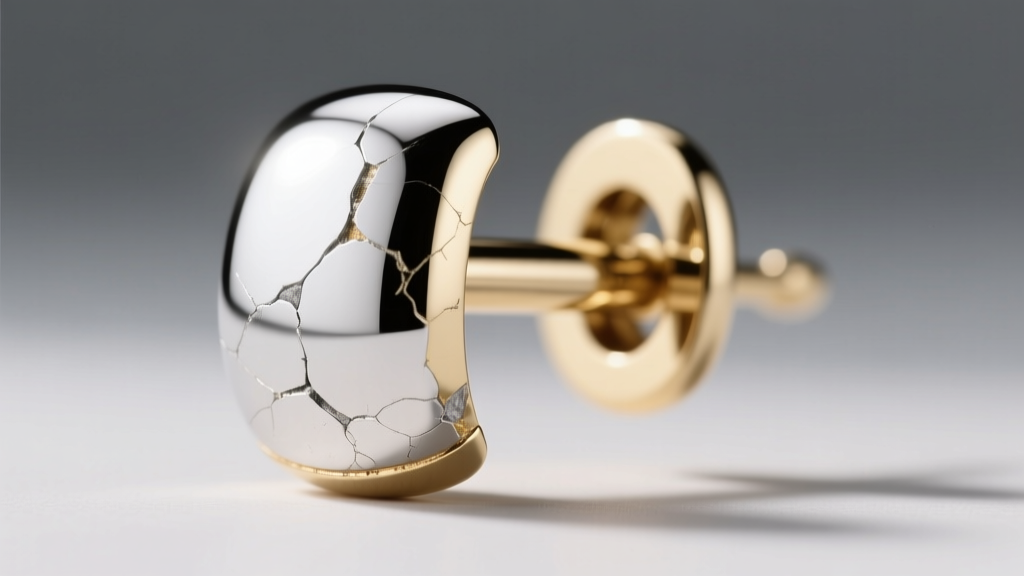
To mask the slightly yellowish tint of nickel-alloyed white gold, manufacturers apply a microscopic layer of rhodium plating. This plating acts as a barrier, but it is subject to mechanical wear. Within 6 to 18 months, the rhodium wears thin at the friction points of the earring post, exposing the underlying nickel-gold matrix directly to the tissue and triggering a delayed hypersensitivity reaction.
Safe Metal Grades: A Technical Comparison
To permanently resolve an allergic reaction to nickel earrings, you must transition to metals with specific, verifiable metallurgical compositions. The American Contact Dermatitis Society recommends avoiding all unverified alloys. Below is a technical breakdown of safe materials for both initial piercings and long-term wear.
| Material Grade | Nickel Content | Best Use Case | Estimated Price Range (Studs) |
|---|---|---|---|
| ASTM F136 Titanium (Ti6Al4V ELI) | 0.00% (Trace max) | Initial piercings, severe allergies, cartilage | $35 - $85 |
| Niobium (Commercially Pure) | 0.00% | Anodized custom colors, sensitive lobes | $30 - $60 |
| 14k / 18k Yellow Gold (Palladium Alloy) | 0.00% (If nickel-free) | Long-term wear, luxury aesthetics | $150 - $450+ |
| 316L Stainless Steel | 10% - 14% | NEVER for nickel allergies | $10 - $25 |
Always verify that titanium jewelry is specifically certified as ASTM F136 (Extra Low Interstitial). Commercial-grade titanium (Grade 1 or 2) is safe but lacks the tensile strength required for threaded or internally tapped earring posts, which is why the F136 alloy is the gold standard in professional body modification.
The Role of Micro-Trauma and Gauge Mismatches
An often-overlooked variable in contact dermatitis is mechanical friction. Standard lobe piercings are typically performed at 20-gauge (0.81mm) or 18-gauge (1.02mm), while cartilage is pierced at 16-gauge (1.29mm). If a wearer forces a 19-gauge earring into an 18-gauge fistula, or wears a heavy, poorly balanced dangle earring that pulls on the tissue, the resulting micro-tears compromise the skin barrier.
This compromised barrier drastically increases the absorption rate of nickel ions. Furthermore, cheap butterfly clutch backings trap dead skin cells, sebum, and moisture against the posterior earlobe, creating a highly acidic microenvironment that accelerates metal corrosion. Switching to flat-back, internally threaded labret posts made of implant-grade titanium eliminates the posterior friction point entirely, promoting tissue stabilization.
Diagnostic Testing: The DMG Spot Test
If you suspect your existing jewelry collection is triggering an allergic reaction to nickel earrings, you can verify the metal composition at home using a Dimethylglyoxime (DMG) spot test. DMG is a chemical reagent that reacts specifically with free nickel ions.
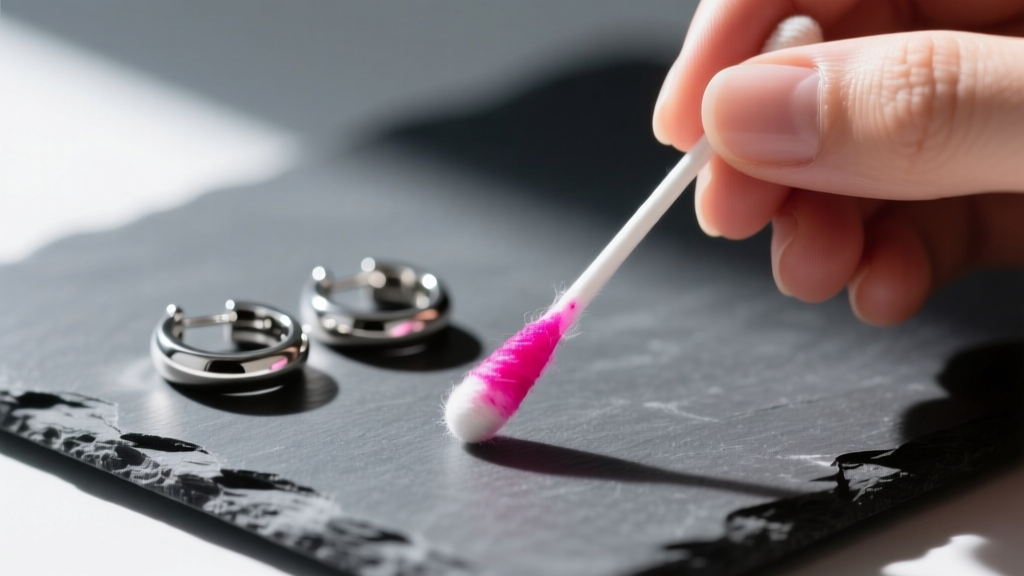
To perform the test, apply two drops of the DMG solution to a cotton swab and rub it firmly against the earring post for 30 seconds. If the swab turns a vivid pink or red color, the jewelry is actively leaching nickel and must be discarded or relegated to external clothing accessories. Note that the DMG test only detects free surface nickel; it may yield a false negative on heavily rhodium-plated white gold or PVD-coated steel until the coating is breached.
Clinical Protocol for Healing Pierced Tissue
Once an allergic reaction has been triggered, simply removing the earring is only the first step. The tissue requires a specific protocol to down-regulate the immune response and repair the epithelial lining:
- Immediate Removal: Extract the offending jewelry. Do not replace it with another suspect metal; leave the fistula empty for 24-48 hours to allow acute swelling to subside.
- Isotonic Saline Cleansing: Apply sterile 0.9% sodium chloride solution (wound wash) twice daily. Avoid alcohol, hydrogen peroxide, or tea tree oil, as these are cytotoxic to regenerating keratinocytes.
- Topical Corticosteroids: For severe erythema and pruritus, an over-the-counter 1% hydrocortisone ointment applied to the exterior puncture sites for up to 7 days can suppress the localized T-cell response.
- Re-insertion with Safe Metals: Once the tissue is no longer weeping or hot to the touch, insert a sterilized ASTM F136 titanium flat-back labret post. The flat disc prevents pressure necrosis on the back of the ear, and the lack of nickel ensures the immune system remains undisturbed.
"The cornerstone of managing nickel allergic contact dermatitis in piercings is absolute avoidance. Once sensitized, the immune system's memory T-cells will react to even trace parts-per-million exposures, making metallurgical vigilance non-negotiable."
By understanding the exact metallurgical composition of your jewelry and respecting the biological mechanisms of contact dermatitis, you can curate an earring collection that is both aesthetically striking and biologically inert. Never compromise on material certifications; your immune system will always verify the metal grade, even if you do not.


