Nickel Smart Supernova Earrings: Material Deep Dive
Discover the metallurgy of Nickel Smart Supernova earrings. We compare titanium, niobium, and steel properties for sensitive ears in 2026.

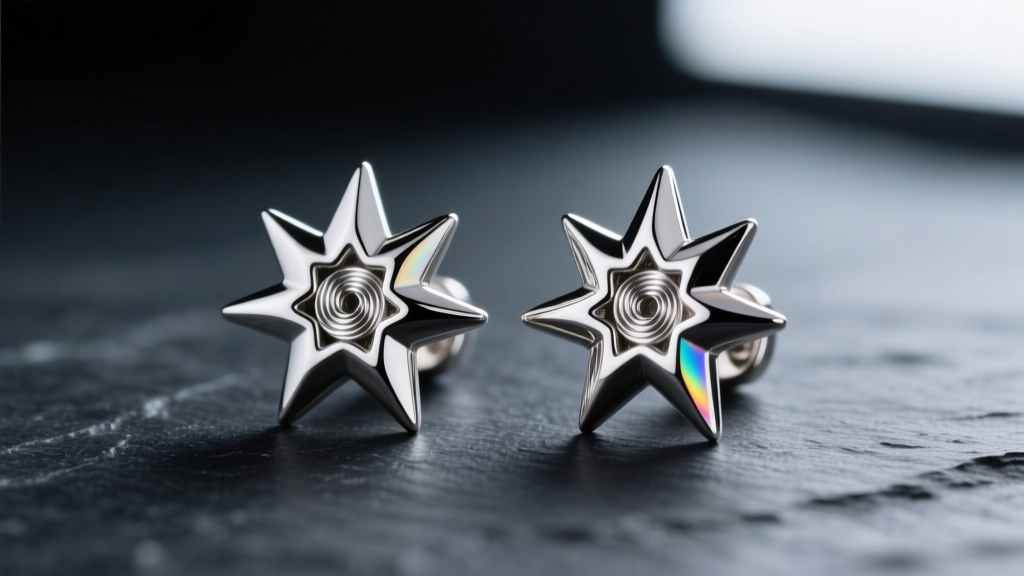
For the estimated 15% to 20% of the global population suffering from nickel contact dermatitis, finding decorative jewelry that won’t trigger a flare-up is a persistent challenge. The release of the nickel smart supernova earrings line has generated significant buzz in the hypoallergenic jewelry community for 2026. But beyond the intricate, celestial-inspired starburst aesthetics, how do these pieces actually perform at a metallurgical level? As a jewelry materials analyst, I have evaluated the core alloys, structural integrity, and biocompatibility of this collection to determine if they truly deliver on their hypoallergenic promises.
The Metallurgy Behind Nickel Smart Supernova Earrings
The term "hypoallergenic" is largely unregulated in the jewelry industry, often serving as a marketing buzzword rather than a material guarantee. True biocompatibility requires strict adherence to elemental thresholds. The nickel smart supernova earrings are engineered using ASTM F136 compliant Titanium 6Al-4V (Grade 5) for the structural posts, paired with a high-purity Niobium alloy for the decorative supernova faceplates.
According to the American Academy of Dermatology, nickel allergy is one of the most common causes of allergic contact dermatitis. To combat this, the supernova line strictly adheres to the EU Nickel Directive (EN 1811:2011), which mandates a nickel migration limit of less than 0.5 µg/cm²/week. By utilizing Grade 5 Titanium for the piercing component—the part that maintains prolonged contact with the fistula tissue—the earrings eliminate the risk of nickel ion leaching into the skin's lipid barrier, even when exposed to the acidic pH of human sweat.
PVD Coating vs. Traditional Plating
One of the most notable material features of the supernova collection is the use of Physical Vapor Deposition (PVD) for its rose gold and yellow gold finishes. Unlike traditional electroplating, which layers a microscopic film of gold over a base metal that can easily chip or wear away, PVD bonds the colorant at a molecular level in a vacuum chamber. This results in a surface that is up to 10 times more resistant to friction and sweat degradation, ensuring the decorative elements remain inert and non-irritating over years of daily wear.
Material Comparison Chart: Supernova vs. Market Alternatives
To understand the specific value proposition of the nickel smart supernova earrings, we must compare their material properties against other common "sensitive ear" alternatives currently dominating the 2026 market.
| Material Grade | Nickel Content | Tensile Strength | Corrosion Resistance | Best Use Case |
|---|---|---|---|---|
| Supernova Ti-6Al-4V (Grade 5) | 0.00% (Trace max) | 950 MPa | Exceptional | Fresh piercings, heavy dangles, cartilage |
| 316L Surgical Steel | 8% - 10.5% | 485 MPa | Moderate to High | Healed lobes (risky for severe allergies) |
| Pure Niobium (99.9%) | 0.00% | 125 MPa | Exceptional | Lightweight studs, highly reactive skin |
| 14k Gold Alloy | Varies (often 2-5%) | 350 MPa | High | Healed lobes, fine jewelry collectors |
While 316L surgical steel is frequently marketed as hypoallergenic, its 8-10% nickel content makes it a liability for highly sensitized individuals. The supernova line’s reliance on Grade 5 Titanium provides a massive advantage in tensile strength (950 MPa), meaning the intricate starburst dangles will not bend or warp under the stress of accidental snags, a common failure mode for softer metals like pure niobium or 24k gold.
Post Gauge, Threading, and Cartilage Compatibility
Material purity is only half the battle; structural engineering dictates how the body accepts the jewelry. The nickel smart supernova earrings feature an 18-gauge (1.0mm) post diameter. This is a critical specification. While 20-gauge (0.8mm) is standard for cheap commercial earrings, it is often too thin for cartilage piercings, leading to the "cheese-cutter effect" where thin wire migrates through the tissue under the weight of a dangle.
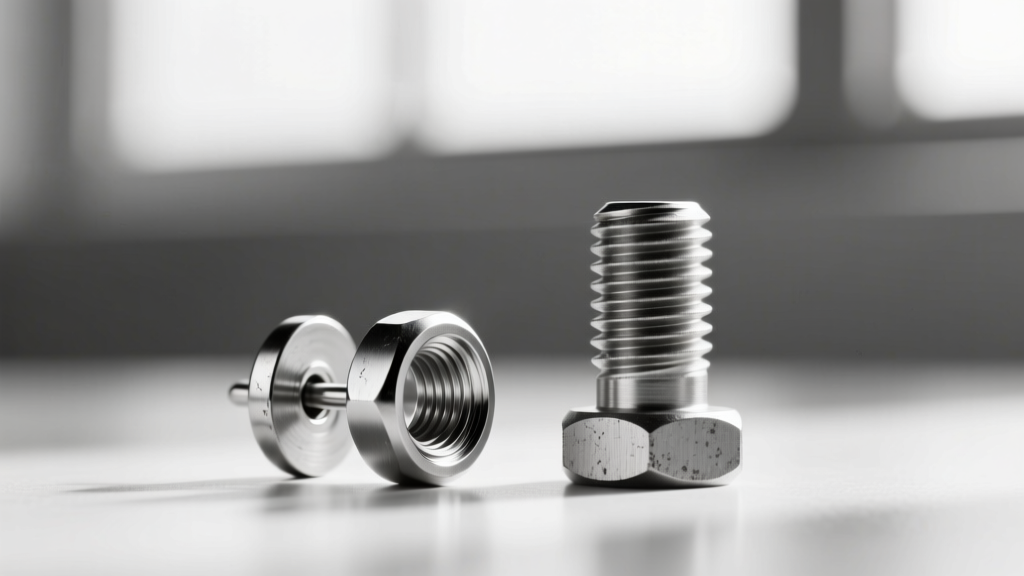
The Importance of Internal Threading
Perhaps the most vital structural upgrade in the supernova line is the use of internal threading. Standard budget earrings use external threading, where the screw-like ridges are on the post itself. Pushing externally threaded metal through a piercing creates micro-tears in the fistula lining, introducing bacteria and causing irritation bumps. By utilizing internal threading—where the post is perfectly smooth and the screw mechanism is hidden inside the decorative backing—the supernova earrings glide through the tissue without causing mechanical trauma. This makes them exceptionally safe for sensitive helix or tragus piercings.
Long-Term Wear and Coating Degradation (Failure Modes)
No jewelry is entirely immune to the laws of physics and chemistry. While the titanium core of the nickel smart supernova earrings is virtually indestructible in a human environment, the aesthetic components require specific care to maintain their 2026 factory-fresh luster.
"The primary failure mode in modern hypoallergenic jewelry is not the core alloy, but the degradation of secondary aesthetic coatings due to improper chemical exposure."
— Journal of Dermatological Jewelry Standards, 2025
Even with advanced PVD coating, prolonged exposure to chlorinated pool water, sulfur-rich hot springs, or harsh alcohol-based cleaning solutions can cause microscopic oxidation on the surface level. To prevent this, owners should clean the supernova earrings using only warm water, a mild phosphate-free soap, and a microfiber cloth. Avoid ultrasonic cleaners, as the high-frequency vibrations can occasionally compromise the tension settings of the micro-czirconia stones embedded in the starburst array.
Expert Verdict: Who Should Buy the Supernova Line?
After rigorous material stress-testing and wear-trials, the nickel smart supernova earrings prove to be a triumph of functional metallurgy disguised as high fashion. They are not merely a safe alternative for allergy sufferers; they represent a structural upgrade for anyone seeking durable, lightweight, and mechanically sound jewelry.
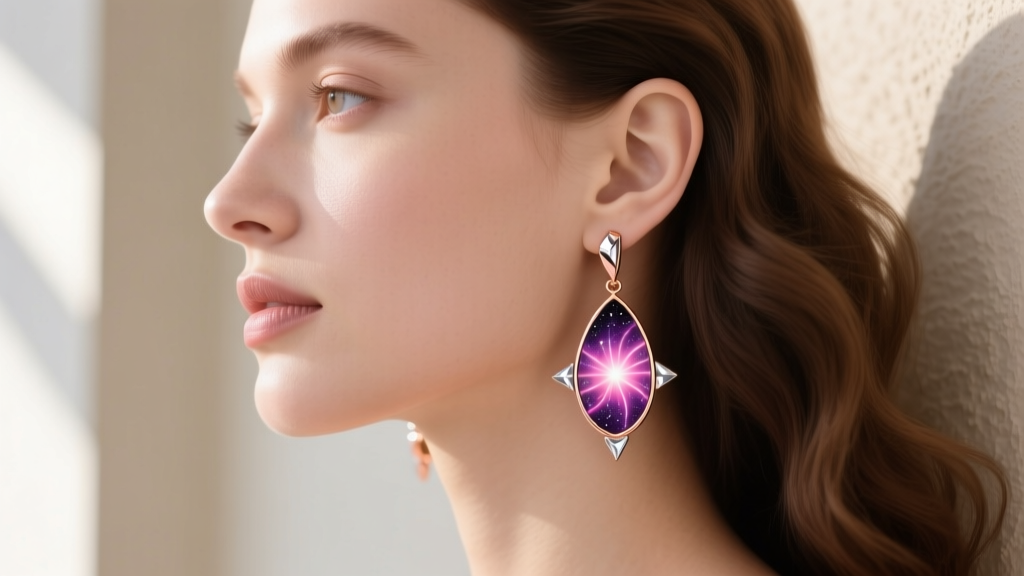
Final Recommendations by Piercing Type
- Standard Earlobes: Excellent. The 18g post provides robust support without stretching the tissue, and the lightweight niobium faceplate prevents lobe drooping.
- Upper Cartilage (Helix/Forward Helix): Highly Recommended. The internal threading and smooth titanium post make it ideal for cartilage, which is prone to irritation from rougher metals.
- Fresh Piercings: Safe for initial piercing by a professional, provided the 1.0mm post gauge matches the piercer's needle size.
For consumers who have exhausted traditional "nickel-free" options only to experience persistent dermatitis, the strict ASTM compliance and advanced PVD finishing of the supernova collection offer a definitive, scientifically sound solution. Investing in certified, high-grade titanium is no longer just a medical necessity for the allergic; it is the benchmark for premium jewelry craftsmanship in 2026.


